
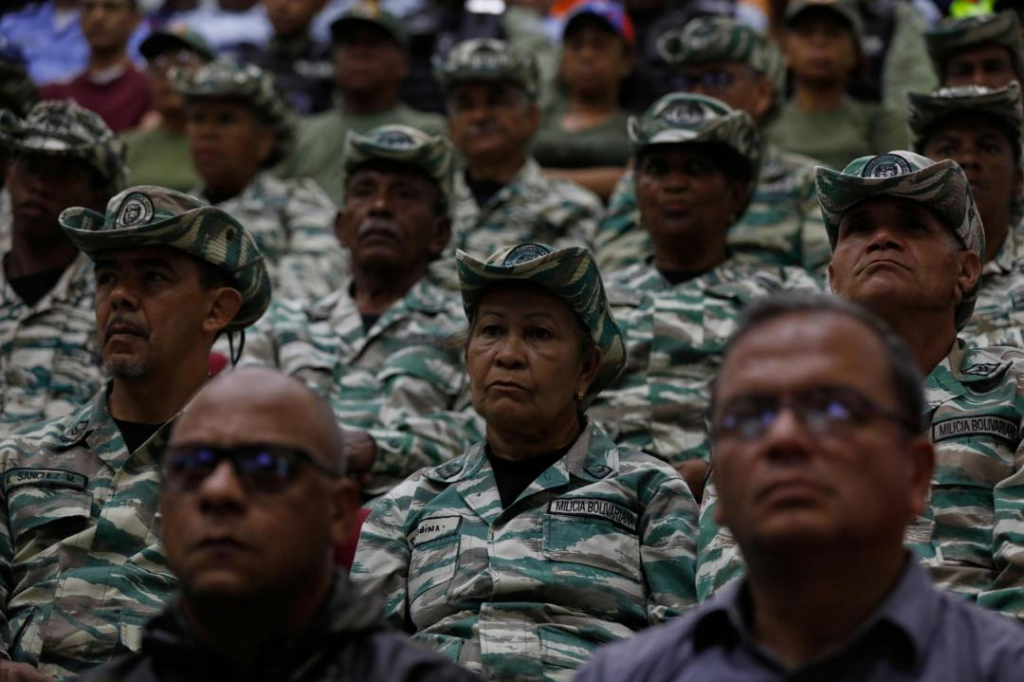
The recent US military action in Venezuela has generated widespread international backlash, with strong condemnation from allied nations like Russia, Iran, and Cuba. These countries have denounced the operation as an affront to Venezuela’s sovereignty, with Cuba describing it as “state terrorism” against the nation. The Russian Foreign Ministry labeled the attack as “deeply disturbing and reprehensible,” asserting that there is no justification for such aggression. In response to these events, Iran has also urged the UN to act swiftly, highlighting the necessity of upholding international laws in the face of a crisis that threatens regional stability. As the Venezuela crisis unfolds, the global community watches closely, with calls for accountability and restraint ringing louder than ever.
In light of the recent military intervention in Venezuela, the geopolitical ramifications have provoked intense discussion among key international players. The intervention raises critical questions about the legitimacy of foreign actions in other nations, particularly as allies like Russia and Iran vocalize their opposition to such measures. Statements from leaders in Cuba and Iran echo a growing concern over perceived aggression that undermines national sovereignty. Moreover, the diplomatic repercussions extend globally as countries reassess their stance on interventionism in crisis situations. As tensions rise and international responses vary, the situation in Venezuela remains a focal point of conflict in world politics.
Condemnation of US Actions in Venezuela
The recent US military action in Venezuela has drawn widespread condemnation from various countries across the globe. Russia, a key ally of Venezuela, has labeled the attack as “deeply disturbing and reprehensible,” underscoring the violation of Venezuela’s sovereignty. The strong rhetoric from the Russian Foreign Ministry emphasizes the notion that international law must be upheld and suggests that actions such as these can destabilize global peace. This condemnation has resonated widely, especially among nations that view US interventions as imperial overreach, raising alarms about the implications for international order.
Cuba’s response echoed this sentiment, with President Miguel Díaz-Canel calling the US actions “state terrorism” and a “criminal attack” on Venezuela. Díaz-Canel’s statements highlight the escalating tensions in the region and reflect a growing concern among Latin American countries regarding perceived US aggression. The solidarity voiced by Cuba indicates a regional alignment in condemning the US, while also calling for international mobilization against what they describe as violations of national self-determination. Such reactions underscore the critical importance of political alliances in the face of external threats.
Russia’s Strong Response to US Military Action
Russia’s reaction to the US military incursion into Venezuela is characterized by a firm stance against the perceived aggression. Their condemnation not only highlights the immediate ramifications for Venezuelan sovereignty but also raises questions about the geopolitical dynamics in South America. By reaffirming solidarity with the Venezuelan people, Russia positions itself as a defender of nations subjected to Western interventions, thereby strengthening its influence and involvement in the region, particularly in contrast to US perspectives. This response illustrates a commitment to supporting allies amidst crises, indicating that Russia sees such interventions as challenges to its own strategic interests.
Moreover, Russia’s criticism is reflective of broader concerns regarding the precedent set by unilateral military actions without the endorsement of international bodies like the UN. The lack of mention of President Maduro in their official statements may also suggest a calculated move to focus on broader implications for international law and order rather than the individual leader’s fate. This nuance reveals Russia’s strategy to advocate for a collective framework in managing international disputes, countering narratives that justify military intervention as a means of regime change.
Cuba’s Perspective on US Intervention
Cuba’s denunciation of the US actions in Venezuela serves as a reaffirmation of its longstanding anti-imperialist stance and solidarity with allied governments in the region. President Miguel Díaz-Canel’s vehement characterization of the military strike as “criminal” is not just a comment on the specific incident but reflects a broader ideological battle against what Cuba perceives as US hegemony in Latin America. This rhetoric aims to galvanize regional unity and action against a perceived existential threat, representing Havana’s commitment to supporting revolutionary movements that challenge US influence.
In this context, Cuba’s framing of the situation highlights the urgency of collective security among Latin American nations. By calling for a united front against US military actions, Cuba seeks to inspire other nations to voice their opposition and stand against what they view as reckless aggression. The Cuban leadership understands that in the face of US intervention, maintaining alliances and fostering mutual support is crucial for national survival and regional stability.
Iran’s Call for UN Action Against US Military Operations
Iran has joined the chorus of condemnation against the US military action in Venezuela, framing it as a blatant violation of national sovereignty. The Iranian Foreign Ministry’s assertive response indicates Tehran’s strategic partnership with Caracas, reflecting the shared interests between these nations in combating perceived Western imperialism. Iran’s call for the UN Security Council to act underscores its belief in the necessity of international law, positioning itself as a proponent of legal frameworks that govern state interactions and conflicts.
The implications of Iran’s stance are profound, particularly as it seeks to mobilize international scrutiny of US actions which they characterize as unlawful aggression. By advocating for a swift UN response, Iran not only addresses the immediate crisis in Venezuela but also aims to challenge the broader narrative surrounding US military interventions. This signal from Tehran is important as it seeks to solidify its own standing on the global stage while aligning with other nations that share its views on sovereignty and territorial integrity.
Western Nations’ Reserved Response to US Actions
In contrast to the vociferous condemnations from Russia, Cuba, and Iran, Western nations have adopted a more cautious approach regarding the US military action in Venezuela. Notably, EU foreign policy chief Kaja Kallas has emphasized the need for restraint, advocating for adherence to international laws and the principles established by the UN Charter. This tempered response signifies a complex balancing act—acknowledging the legitimacy of the Venezuelan political crisis while simultaneously exercising caution in confronting US policies.
This reticence reflects a broader ambivalence among Western powers, many of whom have traditionally upheld democratic norms while also desiring stability in this geopolitically strategic region. The calls for peaceful transition and diplomatic solutions suggest a reluctance to fully endorse military actions that could lead to greater instability in Latin America. Ultimately, this diplomatic dance may reveal apprehensions about the implications of a unilateral US military strategy, sparking debates on the ethics and efficacy of foreign intervention.
International Law and Military Aggression: A Critical Analysis
The critique of the US military action in Venezuela raises fundamental questions regarding international law and the legitimacy of military interventions. The recent developments illustrate that the use of force without UN authorization not only violates the established legal frameworks but also challenges the integrity of international relations. Critics argue that when military force is wielded as a tool for regime change, it undermines the principles that provide for global order and security, notably the sovereign equality of states.
As expressed by foreign policy voices like that of the SPD spokeswoman Adis Ahmetovic, the situation underscores the potential for a high-risk shift in international norms. The erosion of respect for international legal structures could pave the way for a new era where might supersedes legal right, leading to unpredictable consequences. Such conditions present a troubling landscape for future diplomatic negotiations, suggesting that without robust adherence to international law, the global community may face escalating conflicts.
The Role of the UN in Preventing Aggression
The call from Iran for immediate UN action represents a key moment for the United Nations in addressing state aggression and maintaining international peace. The UN’s potential role in this context is crucial, as it must act to deter unlawful interventions that threaten national sovereignty. Such crises provide a litmus test for the effectiveness of the UN in upholding its mandate and responding to geopolitical tensions, especially in a time when accusations of double standards in international relations are becoming increasingly prominent.
Furthermore, the UN’s actions—or inactions—regarding the situation in Venezuela may significantly influence global perceptions of its authority. In adhering to its principles, the UN can reinforce the importance of collective responsibility among member states to address threats to peace. The challenges presented by the recent US actions compel the UN to reevaluate its mechanisms for engagement, ensuring that aggression is met with appropriate multilateral responses rather than unilateral military action.
Venezuela Crisis: Implications for Regional Stability
The escalating crisis in Venezuela, exacerbated by the US military intervention, poses significant risks to regional stability in Latin America. As institutions falter and political divisions deepen, the ramifications of external interventions could destabilize not just Venezuela but neighboring countries as well. The responses from allies like Russia, Cuba, and Iran indicate a rallying cry for collective action against perceived imperialism, but the underlying tensions also highlight the fragility of democratic structures in the region.
Moreover, the response from Western powers suggests a complex dynamic where traditional alliances may be tested as countries grapple with the implications of US actions on their own sovereignty and political integrity. The potential for escalated conflict or a humanitarian crisis in Venezuela necessitates urgent attention from the international community, as the implications extend far beyond its borders, threatening the broader balance of power in South America.
Future Prospects for Venezuela’s Political Landscape
In light of the US military actions and the responses from global actors, the future of Venezuela’s political landscape remains uncertain. With President Nicolás Maduro’s capture stirring significant international attention, the actions taken by both local and foreign powers will play a critical role in shaping the trajectory of Venezuela’s governance. The opposition may leverage this moment to galvanize support, but the risk of increased repression and conflict persists.
As international actors weigh the benefits and risks of engagement, the endgame for Venezuela could lead to a variety of outcomes—from further entrenched authoritarianism to possibilities of democratic transition. However, the involvement of external powers complicates the situation, suggesting that resolving the Venezuelan crisis will require not only internal consensus but also a delicate balance of international diplomacy. The global community must remain vigilant in its approach to ensure that the rights of the Venezuelan people are upheld while fostering conditions for lasting peace.
Frequently Asked Questions
What has been the international response to US military action in Venezuela?
The international response to US military action in Venezuela has been largely negative from allied countries of Venezuela. Russia condemned the action as “deeply disturbing and reprehensible,” emphasizing its solidarity with the Venezuelan people. Iran called it a blatant violation of national sovereignty, urging the UN to act against the aggression. Cuba described the attack as “state terrorism” and a “criminal US attack.” Western nations, on the other hand, have been more reserved, with the EU calling for restraint and adherence to international law.
How did Cuba react to the US military action in Venezuela?
Cuba condemned the US military action in Venezuela, with President Miguel Díaz-Canel labeling it a “criminal attack” and state terrorism. He called on the international community to respond urgently, emphasizing the need for solidarity with the Venezuelan people, stating that their peace zone is under brutal attack.
What statement did Russia make regarding the US military action in Venezuela?
Russia made a strong statement condemning the US military action in Venezuela. The Russian Foreign Ministry described the attack as “deeply disturbing and reprehensible,” asserting that there is no justification for such armed aggression. Although the statement did not mention President Nicolás Maduro specifically, it reiterated Moscow’s solidarity with the Venezuelan people.
What actions did Iran propose in response to the US military intervention in Venezuela?
In response to the US military intervention in Venezuela, Iran’s Foreign Ministry called on the UN Security Council to act immediately against what it termed unlawful aggression. It highlighted the action as a blatant violation of Venezuela’s national sovereignty and territorial integrity, urging accountability for those responsible.
What is the significance of US military action in Venezuela for international relations?
The US military action in Venezuela is seen as a significant shift in international relations, with critics highlighting a potential degradation of international law. SPD foreign policy spokesperson Adis Ahmetovic indicated that the use of military force without a UN mandate could lead to regime change and reflects a dangerous precedent where power supersedes legal principles.
What have Western nations said about the US military action in Venezuela?
Western nations have generally been cautious in their statements regarding the US military action in Venezuela. The EU foreign policy chief, Kaja Kallas, acknowledged that Maduro lacks legitimacy but urged the US to exercise restraint and uphold international law. The UK’s Foreign Office also expressed concern over developments in Venezuela, emphasizing the need for a careful monitoring of the situation.
How has the Venezuela crisis intensified due to US military action?
The Venezuela crisis has intensified due to the recent US military action, resulting in increased condemnation from allied countries such as Russia, Iran, and Cuba. The attack and the reported capture of President Nicolás Maduro heighten tensions in the region and raise concerns about violations of sovereignty and potential broader regional conflict.
| Country | Reaction |
|---|---|
| Cuba | Described the event as a ‘criminal US attack’ and state terrorism, urging international action. |
| Russia | Condemned the US military action as deeply disturbing and unacceptable, reaffirming solidarity with the Venezuelan people. |
| Iran | Called for immediate action from the UN, labeling the US actions as a violation of national sovereignty. |
| Western Nations | Exercised restraint, with mixed reactions; EU urged upholding international law without directly criticizing the US. |
Summary
US military action in Venezuela has sparked widespread condemnation from allied nations, illustrating international tensions. Countries like Cuba, Russia, and Iran have denounced the actions as violations of sovereignty and calls for urgent international response. On the other hand, Western nations have taken a more reserved stance, emphasizing the need to respect international law. This complex geopolitical landscape highlights the potential for a significant shift in international relations triggered by military intervention.

