
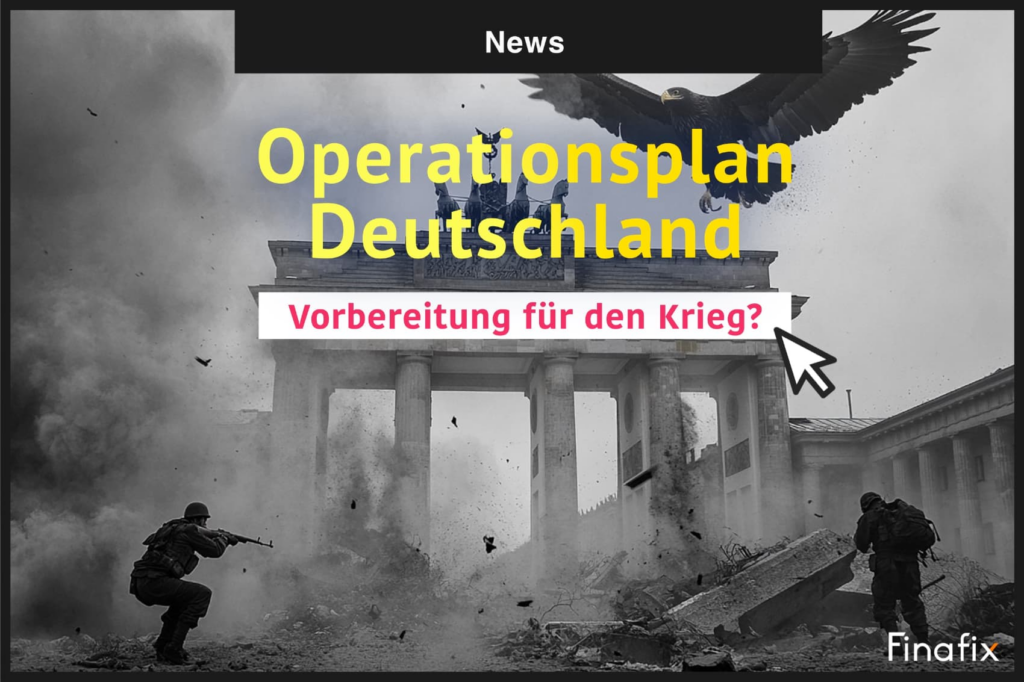
The Germany Operations Plan represents a pivotal roadmap for national security, particularly in light of escalating tensions with Russia. As the federal government identifies Russia’s hybrid attacks as potential precursors to military confrontation, the plan underscores Germany’s role as a central target within NATO defense strategies. With increasing incidents of disinformation campaigns and cyber threats, German security policy is evolving to include robust civil defense measures, emphasizing the need for collaboration between military and civilian entities. Such proactive measures aim to safeguard critical infrastructure and ensure governmental functionality amidst rising threats. As the plan outlines, Germany must prepare for both conventional and unconventional assaults, signifying a shift in how threats are perceived and addressed in this contemporary geopolitical landscape.
The strategic framework known as the Germany Operations Plan is crucial for understanding the nation’s approach to emerging threats on the global stage. This comprehensive defense guideline not only highlights the importance of addressing Russian hybrid threats but also illustrates Germany’s vital role within NATO’s collective security framework. As discussions about military readiness intertwine with civil security measures, the necessity for a coordinated response becomes clear. Furthermore, the plan’s emphasis on resilience against non-traditional warfare, including cyberattacks and misinformation tactics, reflects a growing awareness of the multifaceted nature of modern conflicts. Addressing the challenges posed by both overt military aggression and covert operations calls for a unified response that blends defense readiness with civil preparedness.
Understanding Russia’s Hybrid Attacks on Germany
Russia’s hybrid attacks have evolved into a formidable strategy, targeting Germany as a ‘priority target’ amidst the shifting dynamics of global security. These operations range from cyberattacks to disinformation campaigns, fundamentally aimed at destabilizing German society before an overt military confrontation occurs. The recent assessment by Germany’s federal government highlights the critical importance of recognizing hybrid warfare as an integral part of the broader conflict landscape. Understanding these tactics is essential for developing effective national defense strategies that can safeguard not just military assets, but also civilian infrastructure.
The implications of Russia’s hybrid attacks are significant, as they often precede conventional military aggression. By employing covert tactics, such as sabotage and espionage, Russia aims to weaken NATO’s resolve and capacity to respond effectively in the event of direct military action. This reality necessitates a reevaluation of Germany’s security policy, underscoring the necessity for enhanced coordination between military and civil defense efforts. A robust counter-strategy is essential, integrating comprehensive measures to protect critical infrastructure and maintain governmental functionality.
Germany’s Evolving Security Policy Against Hybrid Warfare
In light of escalating threats, Germany’s Operations Plan (OPLAN) has been updated to address the changing nature of warfare, particularly in the context of hybrid assaults from Russia. This novel approach classifies hybrid measures such as cyber campaigns and information warfare as preparatory steps for potential military confrontation. By positioning Germany as a central ‘hub’ within NATO operations, the OPLAN emphasizes the need for a strategic response that not only fortifies military defenses but also reinforces civil structures that can withstand external pressures.
The comprehensive framework outlined in the OPLAN highlights the critical intersection of military and civil defense capabilities. As Germany gears up for possible provocations, the federal government is keen to involve municipalities and civil actors in national defense preparations. This includes securing vital sectors like energy, transport, and healthcare, which are crucial for sustaining operations during a crisis. The collaborative effort is framed around the belief that without civil support, effective defense against hybrid threats is unattainable.
The Role of NATO in Germany’s Defense Strategy
Germany’s defense strategy is intrinsically linked to its role within NATO, positioning the nation as a frontline actor against hybrid threats posed by Russia. The OPLAN outlines specific NATO commitments, identifying Germany as an important operational base for allied forces. This role is not just about military readiness; it emphasizes logistical and strategic infrastructure necessary for collective defense, especially in the eastern flank where threats are perceived to be imminent.
The NATO framework provides Germany with the support needed to bolster its defenses against both conventional and hybrid attacks. By aligning with NATO defense strategies, Germany can benefit from a shared intelligence network and collaborative military exercises, ensuring that its forces are prepared to respond to any form of aggression. This partnership reinforces Germany’s commitment to maintaining regional stability and serves as a deterrent against potential infringements on its sovereignty.
Civil Defense: A Cornerstone of National Security
The enhanced focus on civil defense within the OPLAN signifies a paradigm shift in Germany’s approach to national security. The federal government recognizes that comprehensive defense cannot rely solely on military might; it requires strong civilian participation to create a resilient society capable of withstanding hybrid threats. By training civilian actors and integrating them into defense planning, Germany aims to create a robust framework for rapidly addressing crises arising from hybrid warfare.
Civilian sectors play a pivotal role in ensuring the continuity of essential services during conflicts. This includes protecting critical infrastructure such as energy networks and transportation systems that may be targeted during hybrid attacks. By elevating the importance of civil defense, the German government is also fostering a culture of preparedness among its citizens, which is vital in mitigating the impact of such threats and enhancing national resilience.
Strategic Implications of Hybrid Warfare for Germany
The strategic implications of hybrid warfare for Germany are profound, as the nation must navigate an increasingly complex security environment. By acknowledging the multifaceted nature of these threats, the OPLAN equips Germany with the tools necessary to not only respond to attacks but also to anticipate and prevent them. This proactive stance is essential in an era where traditional definitions of warfare are blurred and the line between peace and conflict is frequently tested.
Furthermore, the insights gained from Russia’s hybrid tactics provide valuable lessons for the formulation of Germany’s defense policies. Understanding the vulnerabilities that these tactics exploit allows the government to tailor its defensive measures, creating a more resilient society. Consequently, Germany’s security framework becomes a dynamic system capable of addressing the evolving challenges posed by hybrid warfare, thereby enhancing overall national stability.
Germany as a Target: The Long-Range Threat of Russia
Germany’s identification as a ‘priority target’ in the context of Russia’s extensive weapons capabilities underlines the urgency of enhancing national security measures. The focus on long-range attacks against both military and civilian infrastructure presents serious ramifications for German defense strategies. As per the OPLAN, the potential for conventional assaults, catalyzed by hybrid attacks, necessitates rigorous preparation and an agile response from both military and civilian sectors.
This targeting strategy by Russia not only raises concerns about immediate safety but also provokes a more extensive discourse on deterrence and defense policy within NATO. Germany’s position as a frontline defender means that it must invest in both offensive and defensive capabilities to ensure its readiness to counter any form of aggression. Discussions surrounding adaptive military strategies, investment in cutting-edge technology, and comprehensive civil defense initiatives are more relevant than ever as Germany fortifies its role as a pivotal player in regional security.
The Importance of Intelligence in Hybrid Defense
Intelligence sharing and operational transparency are crucial components of Germany’s hybrid defense strategy. As hybrid threats evolve, so must the methods of gathering and disseminating intelligence information among NATO allies. Effective use of intelligence not only allows for early detection of hybrid attacks but also facilitates coordinated responses that can mitigate the impact of these threats. Germany’s commitment to enhancing its intelligence capabilities is integral to ensuring its security and that of its allied partners.
The efficacy of Germany’s security response hinges heavily on the intelligence derived from various sources, including cyber surveillance, reconnaissance, and human intelligence. By harnessing this information, German security agencies can develop targeted countermeasures against hybrid tactics employed by adversaries. Continuous investment in intelligence frameworks not only strengthens national defenses but also contributes to the collective strength of NATO’s defense posture against hybrid warfare.
Preparing the Civil Sector for Hybrid Threats
The preparation of the civil sector for hybrid threats is a cornerstone of Germany’s updated defense strategy. By recognizing that hybrid warfare actively seeks to disrupt civilian life and infrastructure, the OPLAN calls for a comprehensive approach to civil readiness. Engagement with private sector organizations, local governments, and community groups is essential for building an agile and responsive civil defense network capable of addressing various scenarios and ensuring public safety during crises.
Training programs, drills, and public awareness campaigns are critical components of this preparedness strategy. Each sector, from healthcare to transportation, must establish protocols and engage in regular exercises to enhance resilience against both hybrid and conventional attacks. The collaborative efforts between military and civilian actors will help to create a society that is not only aware of potential threats but also equipped to respond effectively, thereby fortifying Germany’s overall national security framework.
Conclusion: The Path Forward for Germany’s Defense Strategy
As Germany confronts the realities of hybrid warfare and its implications, the OPLAN represents a forward-thinking approach to national security. By integrating military capabilities with civil defense strategies, Germany is poised to address the multifaceted challenges posed by potential adversaries. This holistic framework not only enhances Germany’s own security but also reinforces its commitments to NATO and its allies in the face of growing threats.
Ultimately, the success of this strategy will depend on sustained political will, financial investment, and continuous collaboration between military and civilian sectors. As Germany embarks on this multifaceted defense journey, it must remain vigilant against hybrid threats while embracing a proactive and united approach to ensure safety and stability for its citizens and the region.
Frequently Asked Questions
What is the Germany Operations Plan in relation to Russian hybrid attacks?
The Germany Operations Plan (OPLAN) is a comprehensive framework that categorizes Russian hybrid attacks as potential precursors to military escalation. It recognizes that acts of sabotage, cyberattacks, and disinformation campaigns can destabilize German security and contribute to conflict preparation.
How does the Germany Operations Plan address NATO defense strategies?
The Operations Plan outlines Germany’s role as a crucial NATO hub, emphasizing its importance in defense strategies against potential hybrid and conventional attacks by Russia. It aims to enhance coordination between military and civilian sectors in ensuring national security.
What are the implications of the Germany Operations Plan for German security policy?
The OPLAN redefines German security policy by integrating hybrid threats into national defense strategies. It reinforces the need for civil defense measures and highlights the necessity for civil actors to support military operations in safeguarding the country from hybrid warfare.
In the context of the Germany Operations Plan, how does Germany plan to respond to military confrontation?
Germany’s response to potential military confrontation, as outlined in the OPLAN, involves a five-phase model that includes early detection of threats, mobilization of the Bundeswehr, and enhanced civil defense measures to protect critical infrastructure and maintain stability.
What role does civil defense play in the Germany Operations Plan amid possible hybrid warfare?
Civil defense is integral to the Germany Operations Plan, as it emphasizes the involvement of civilian actors in national defense. This includes securing critical infrastructure, healthcare, and energy supply to ensure resilience against hybrid attacks.
What types of hybrid attacks does the Germany Operations Plan identify as threats?
The Germany Operations Plan identifies various hybrid attacks including espionage, sabotage of energy networks, cyberattacks, and disinformation campaigns. It recognizes these actions as significant threats that can precede open military aggression.
How does the Germany Operations Plan foresee the escalation of Russian aggression?
The OPLAN suggests that Russia will initially employ hybrid attacks to covertly hinder NATO’s defense buildup, with direct military action expected to follow. This assessment places Germany as a primary target for such aggression.
Why is Germany considered a priority target in the context of the Operations Plan?
Germany is viewed as a priority target due to its strategic role as a NATO operational base and transit point for allied troops. The OPLAN highlights the threat of conventional attacks on both military and civilian infrastructure from Russia.
What does the Germany Operations Plan indicate about the military threat from Russia?
The Operations Plan indicates a growing military threat from Russia, categorizing the country as a daily target of hybrid warfare tactics that combine covert operations with the potential for future military confrontation.
What steps are outlined in the Germany Operations Plan for civil support during potential conflicts?
The Germany Operations Plan outlines various steps for civil support, including the mobilization of civilian services in transport, energy supply, and healthcare, highlighting the pivotal role of civil society in national defense efforts.
| Key Point | Details |
|---|---|
| Germany as a Target | Germany is categorized as a priority target for Russia in case of conflict, particularly due to its role as a NATO hub. |
| Hybrid Attacks Defined | The German government includes acts of sabotage, cyberattacks, and disinformation as precursors to military escalation. |
| Impact of Hybrid Warfare | Hybrid measures are recognized as integral to preparing for military confrontation, blurring the lines between traditional warfare and asymmetric tactics. |
| Civil Defense | The OPLAN highlights the importance of involving civilians in national defense, identifying them as crucial for successful military operations. |
| Phased Defense Strategy | The OPLAN outlines a five-phase strategy for national defense, from threat detection to stabilization post-conflict. |
| Increased Military Role | The Bundeswehr is set to take on a larger role in domestic security, protecting critical infrastructure. |
| Ongoing Threat | Authorities report an uptick in Russian espionage and hybrid warfare incidents targeting Germany. |
Summary
The Germany Operations Plan identifies Germany as a critical target in the landscape of international conflicts, particularly in the face of Russian aggression. This comprehensive plan not only categorizes hybrid attacks as essential precursors to warfare but also emphasizes the significance of civil involvement in national defense efforts. The approach illustrates a growing recognition that modern conflicts extend beyond conventional warfare, incorporating espionage and sabotage as significant threats. As part of NATO, Germany’s proactive defense strategies aim to mitigate the risks associated with these hybrid attacks while ensuring a unified response to potential military escalations.

