
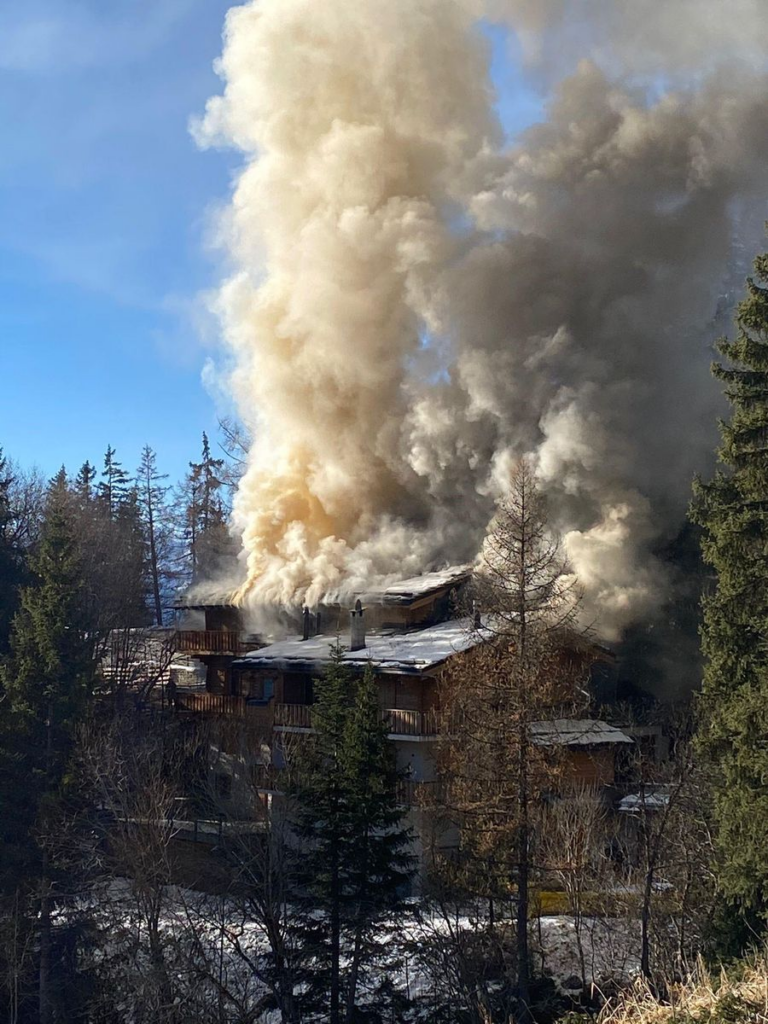
The Crans-Montana fire disaster has left a profound impact on the picturesque landscape of the Swiss Alps, marking a tragic chapter in local history. In the wake of this incident, more than 80 individuals remain in critical condition, highlighting the disaster’s severe toll on the community. The heartbreaking scenes of chaos not only speak to the physical devastation caused by the fire but also to the emotional trauma victims and their families now face. As investigations continue, questions around the role of pyrotechnics misuse and fire safety standards in Switzerland emerge, prompting a critical examination of how such tragedies can be prevented in the future. This catastrophic event has shaken the region, serving as a grim reminder of the importance of vigilance when it comes to fire safety.
The catastrophic event that unfolded in Crans-Montana has reverberated across Switzerland, evoking emotional turmoil and sparking debates about safety measures. Known as the Swiss Alps tragedy, this incident has resulted in severe injuries and ongoing suffering among the affected individuals. The community is now navigating the aftermath, where issues such as the misuse of celebratory fireworks and inadequate escape routes have come to light. As heart-wrenching stories of emotional trauma unfold, local authorities are under pressure to reform fire safety protocols to safeguard against future calamities. In this atmosphere of uncertainty, the call for accountability and improved safety standards has never been more urgent.
The Crans-Montana Fire Disaster: An Overview
The Crans-Montana fire disaster has shocked the nation, treasuring the picturesque beauty of the Swiss Alps, which was marred by a tragic incident that left over 80 individuals critically injured. A total of 115 people were reported hurt, with many struggling with the aftermath of the emotional and physical toll. This calamity has raised numerous questions surrounding fire safety protocols in Switzerland, especially during large gatherings where pyrotechnics are commonly used. The negligence that could lead to such a devastating fire highlights the urgent need for robust fire safety regulations.
In the aftermath of this incident, the local government has been faced with the daunting task of identifying the deceased and offering support to the survivors. Mathias Reynard, the President of the Government of the canton of Valais, expressed his feelings of desolation, encapsulating the emotional ruin experienced by the community. With reports suggesting around 40 fatalities, this event marks one of the darkest days in Swiss history, drawing attention to the potential consequences of Pyrotechnics misuse and the dire need for heightened awareness in fire safety.
Understanding the Emotional Trauma Victims Face
In addition to the physical injuries, many survivors are grappling with emotional trauma resulting from the Crans-Montana incident. Psychologist Lamyae Benzakour comments that the situation is a clear manifestation of collective trauma. The psychological effects on the victims and their families are profound, as they navigate the complexity of grief and fear following such a catastrophic event. The psychological ramifications of witnessing a tragedy of this magnitude can lead to long-term mental health issues, necessitating immediate intervention and support for those affected.
Therapists and mental health professionals are stepping up to provide the necessary support to these victims and their families, stressing the importance of community solidarity in healing. Emotional recovery after such a disaster is a gradual process that requires understanding, patience, and professional help. The ongoing support from local authorities and mental health networks plays a critical role in addressing the emotional fallout from the fire disaster, helping victims cope with the traumatic memories that will linger long after the flames have died down.
Despite the painful memories, there is a glimmer of hope as communities rally together to support one another. This tragedy serves as a reminder of the fragility of life and the importance of mental health care during catastrophic events. As victims navigate their paths to healing, they also inspire a stronger commitment among local officials to prioritize mental health and trauma care in their response to emergencies.
Challenges in Investigating the Swiss Alps Tragedy
The investigation into the causes of the Crans-Montana fire disaster presents multiple challenges for authorities. Reports indicate potential misuse of pyrotechnics, which adds a layer of complexity to understanding what triggered the inferno. It is essential for investigators to thoroughly review evidence, including video footage from the night of the event, to determine if appropriate safety measures were overlooked. This incident not only raises questions about individual responsibility but also about the broader implications for fire safety regulations in Switzerland.
As the investigation unfolds, it becomes increasingly important to examine the role of lax fire safety measures and the adequacy of emergency escape routes in preventing such disasters. The lingering uncertainty surrounding the exact causes of the tragedy can significantly impact the healing process for victims and their families, as they strive for closure amid the overwhelming emotional turmoil. Ultimately, this incident may serve as a pivotal moment for Switzerland, catalyzing necessary reforms in fire safety standards and emergency preparedness to prevent future tragedies.
Community Resilience in Response to Tragedy
In the wake of the Crans-Montana disaster, the resilience of the local community has been put to the test. Amidst the grave circumstances, neighbors and local organizations have come together to provide aid and support for those affected by the tragedy. This communal spirit plays a vital role in helping individuals process their grief and fosters a sense of belonging as they navigate through their recovery journeys together. Support groups and counseling services are being mobilized, enabling trauma survivors to share experiences, which can facilitate healing.
Moreover, the community’s response highlights the importance of solidarity in times of crisis. By collaborating and pooling resources, local authorities and residents can create a network of support that addresses the immediate needs of the victims and their families. As the process of investigation and healing continues, the shared experiences of grief and recovery in Crans-Montana will likely strengthen community bonds, ensuring that the lessons learned lead to improved safety measures in future events.
The Role of Fire Safety in Preventing Future Incidents
One crucial lesson from the Crans-Montana incident is the importance of stringent fire safety measures during events. The scrutiny over fire safety protocols has intensified, demanding that both local governments and event organizers prioritize the health and safety of attendees. Switzerland’s picturesque venues, although beautiful, must implement comprehensive fire safety plans, including clear evacuation routes and strict regulations on the use of pyrotechnics. Tackling these concerns head-on may prevent tragedies of this magnitude in the future.
Additionally, awareness campaigns on fire safety are crucial for educating the public and event organizers alike about the potential risks associated with large gatherings. As communities recover, it is vital to integrate safety training into event planning processes, ensuring that safety is not merely an afterthought but a fundamental aspect. By fostering a culture of safety, future tragedies can be avoided, honoring the memory of those affected by the Crans-Montana fire disaster through proactive and preventive measures.
Reviewing Emergency Response Strategies Post-Tragedy
The aftermath of the Crans-Montana fire disaster prompts an urgent reevaluation of emergency response strategies in Switzerland, particularly in high-risk environments like crowded events in the Swiss Alps. Drawing lessons from this tragedy, emergency services must assess their preparedness and response frameworks, ensuring they are adequately equipped to handle large-scale incidents. This includes improved training, resources, and communication systems to facilitate swift action during emergencies.
Furthermore, collaboration between local authorities and emergency services plays a vital role in developing effective response strategies. By conducting thorough debriefs following incidents, they can identify weaknesses and strengths in their responses, discussing potential solutions to enhance future preparedness. Establishing clear guidelines for signaling and evacuating crowds during emergencies can save lives and minimize chaos, thus shaping a proactive approach to disaster management tailored to the unique challenges posed by events in scenic yet vulnerable locales like Crans-Montana.
Legal Implications and Accountability Following the Incident
As the investigation into the Crans-Montana fire disaster progresses, legal implications surrounding accountability are coming to the forefront. If negligence related to fire safety measures or the misuse of pyrotechnics is established, those responsible could face significant legal repercussions. The discovery of evidence that points to a lack of proper safety protocols may compel authorities to implement stricter regulations and impose fines on offenders to ensure that similar incidents do not occur in the future.
The potential for lawsuits from victims and their families can also influence how this situation unfolds, putting pressure on both event organizers and regulatory bodies to demonstrate their commitment to safety and accountability. Legal outcomes may result in stricter enforcement of fire safety codes and heightened scrutiny of events that utilize pyrotechnics. Ultimately, the legal ramifications of the Crans-Montana incident could play a vital role in reshaping policies and practices regarding public safety in Switzerland.
Importance of Supporting Fire Safety Initiatives
In light of the devastating Crans-Montana fire disaster, there is a growing urgency to support fire safety initiatives across Switzerland. Investing in fire safety education and enforcement can equip communities with the knowledge necessary to prevent similar incidents in the future. By funding training programs for event organizers and enhancing public awareness campaigns, Switzerland can foster a culture of safety that prioritizes the well-being of individuals in crowded events.
Moreover, establishing collaborative partnerships between government agencies, fire departments, and local organizations can create a robust framework for addressing fire safety issues. Enhanced communication and resource sharing can lead to better preparedness and response capabilities for potential disasters. The memory of those affected by the Crans-Montana incident serves as a powerful reminder of the importance of prioritizing fire safety initiatives to protect lives and ensure the safety of residents and visitors in the beautiful Swiss Alps.
Frequently Asked Questions
What happened during the Crans-Montana fire disaster?
The Crans-Montana fire disaster occurred in the Swiss Alps, resulting in a devastating incident that injured over 115 individuals, with more than 80 in critical condition. The tragedy is attributed to potential misuse of pyrotechnics amidst reported fire safety violations.
How many people were affected by the Crans-Montana incident?
In the aftermath of the Crans-Montana incident, approximately 115 people were injured, with around 80 facing critical health conditions. Additionally, many victims are experiencing emotional trauma, highlighting the widespread impact of the tragedy.
What are the ongoing concerns regarding fire safety in Switzerland after the Crans-Montana tragedy?
Following the Crans-Montana tragedy, there are significant concerns regarding fire safety standards in Switzerland. Investigations are focusing on lax fire safety measures and the adequacy of escape routes, which may have exacerbated the incident’s severity.
How is the emotional trauma from the Crans-Montana fire disaster being addressed?
The emotional trauma experienced by victims of the Crans-Montana fire disaster is being recognized as a form of collective trauma. Psychologists like Lamyae Benzakour are emphasizing the need for supportive mental health resources to address the psychological impact on the affected individuals.
What role did pyrotechnics play in the Crans-Montana fire disaster?
The role of pyrotechnics in the Crans-Montana fire disaster is under scrutiny, as videos suggest potential misuse during the event. This aspect is crucial in understanding the disaster’s cause and assessing the need for stricter regulations regarding pyrotechnic displays.
What measures are being proposed to improve fire safety in Switzerland after the Crans-Montana event?
In response to the Crans-Montana event, proposals for improving fire safety in Switzerland include stricter regulations on pyrotechnic use, enhanced training for event organizers, and reevaluation of emergency escape routes to prevent similar tragedies in the future.
What is the current status of the victims from the Crans-Montana fire disaster?
The current status of the victims from the Crans-Montana fire disaster remains critical, with ongoing medical care for many of the 115 injured individuals. Authorities are also working on identifying the deceased, amidst a complex and time-consuming process.
What has been the governmental response to the Crans-Montana tragedy?
The governmental response to the Crans-Montana tragedy includes public statements from officials like President Guy Parmelin, who described it as one of Switzerland’s worst disasters. There is an ongoing commitment to investigate the cause and implement necessary safety reforms.
| Key Point | Details |
|---|---|
| Injuries | Over 80 individuals are in critical condition out of 115 total injured. |
| Casualties | Around 40 fatalities reported by Swiss authorities. |
| Emotional Impact | Many survivors are experiencing collective trauma, according to psychologist Lamyae Benzakour. |
| Cause of Fire | Cause remains unclear; possible misuse of pyrotechnics and inadequate fire safety measures under investigation. |
| Government Response | President Guy Parmelin called it one of the worst tragedies in Swiss history. |
Summary
The Crans-Montana fire disaster has resulted in a tragic loss of life and countless injuries, marking a dark chapter in Swiss history. Over 80 individuals remain in critical condition, while many survivors are grappling with emotional trauma. With around 40 reported fatalities, the gravity of the situation emphasizes the urgent need for answers regarding the fire’s cause, which is still under investigation. Efforts are underway to provide support to those affected, highlighting the resilience of the community in the face of such a horrifying event.

