
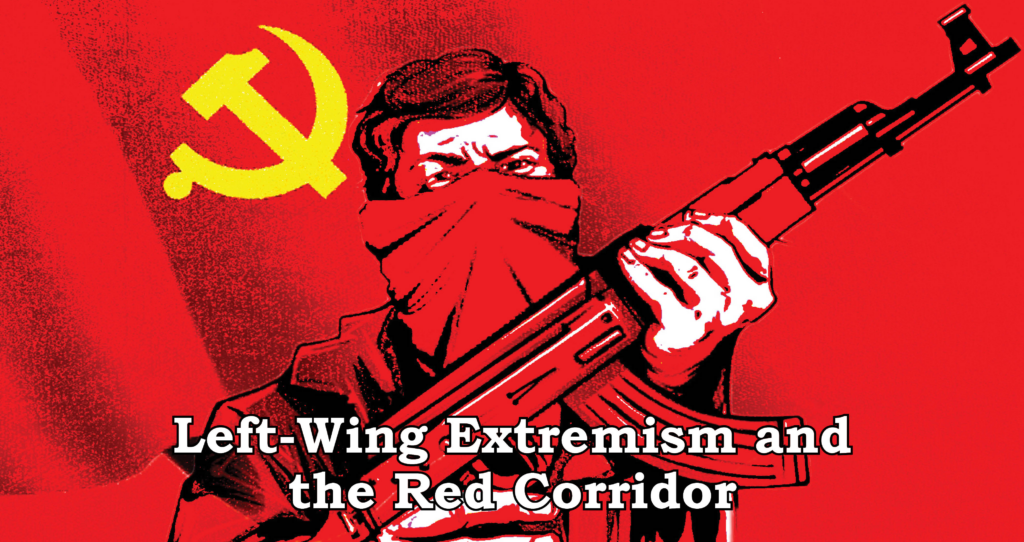
Left-wing extremism has emerged as a pressing issue in contemporary political discourse, especially as various groups advocate for radical shifts in societal norms and governance. Researchers like Hendrik Hansen emphasize the dangers of this movement, particularly in relation to Antifa violence, where ideologically driven actions often transcend peaceful protest. The complexities surrounding equality and inequality illustrate the extreme perspectives that can lead to political violence, raising concerns for stability in democratic societies. As the landscape of activism evolves, understanding the motivations and implications of left-wing extremism is critical for fostering informed dialogue and preventing escalation. Hansen’s analysis calls for recognition of these dynamics rather than dismissing them, underscoring the need for comprehensive approaches to address the root causes of such radicalization.
The ideological extremism seen on the far left has gained notoriety in recent years, with groups espousing a heightened focus on social justice and radical reforms. With terms such as radical activism and militant leftism coming into play, the risks associated with such movements have become increasingly visible. Extremism scholars explore how these ideologies can lead to acts of aggression and division, often highlighted by the actions of groups like Antifa. An examination of the interplay between perceived injustices and the resulting political violence sheds light on the urgent need for proactive measures. Understanding the historical and social contexts of these leftist movements is vital to navigating the challenges they pose in today’s political landscape.
Understanding Left-Wing Extremism and Its Impacts
Left-wing extremism is a multifaceted phenomenon that manifests through various forms of political violence, including protests that escalate into riots. As extremism researcher Hendrik Hansen points out, the current climate of political polarization has given rise to groups like Antifa, who assert their ideology with fierce determination. This violent form of activism is often justified under the guise of promoting equality, yet it can lead to significant societal division and disruption, stressing the importance of understanding the broader implications of left-wing extremism.
Hansen emphasizes the necessity of examining the motivations behind these extremist actions. While the desire for equality is fundamental in a democratic society, an oversaturation of this pursuit can create a toxic environment where dissent is met with aggression. Such conditions not only undermine the very tenets of freedom and democracy but also pose risks to public safety, as individuals and property can become targets in the quest for ideological dominance.
The Role of Antifa in Left-Wing Violence
Antifa, short for ‘anti-fascist,’ has emerged as a prominent force within left-wing movements, often at the forefront of protests against perceived societal injustices. Their methods can include physical confrontations, which raises questions about the limits of free expression and protest. Critics argue that while the intention may be to combat hate and promote equality, the violence associated with Antifa’s actions often disrupts peaceful discourse and can lead to further political violence, highlighting the complexity of their role in contemporary social movements.
Moreover, the use of violent tactics by Antifa is frequently analyzed through the lens of political violence, as noted by Hansen. The potential for escalation in confrontations with far-right groups suggests a cycle of aggression that can be challenging to counter. By examining Antifa’s impact on political discourse, it becomes clear that their methodology can alienate more moderate voices who may otherwise support the struggle for equality, thus complicating efforts to achieve meaningful societal change.
Analyzing Equality and Inequality in Extremist Ideologies
Hendrik Hansen’s assertion that ‘an excess of equality is just as harmful as an excess of inequality’ invites critical reflection on how both concepts can be weaponized within ideological battles. The extreme left often frames their struggle in terms of equality, yet, when taken to extremes, this focus can lead to suppression of differing viewpoints. Such dynamics can foster an environment where coercion replaces constructive debate, raising significant concerns for the health of democratic discourse.
Additionally, the notion of equality in left-wing extremism can sometimes become synonymous with an intolerance for perceived injustices, leading to aggressive tactics that seek to silence opposition rather than engage it. This paradox demonstrates the fragile line between advocating for social justice and implementing a form of political violence that undermines the very rights the extremists claim to defend.
Hendrik Hansen’s Insights on Political Violence
As an extremism researcher, Hendrik Hansen provides invaluable insights into the mechanics of political violence within the spectrum of left-wing ideologies. His analyses often dissect the various factors that contribute to the rise of extremist behavior, particularly focusing on groups like Antifa that operate on the fringes of mainstream political movements. Hansen warns of the consequences of normalizing such violence, which can lead to a dangerous precedent for future activism and dissidence.
Through critical examination of the rationale behind such groups, Hansen emphasizes the need for a nuanced understanding of the interplay between ideology and action. He highlights how political violence can destabilize communities and perpetuate cycles of hostility, ultimately thwarting efforts for genuine social reform. Understanding these dynamics is crucial for both policymakers and the public as they navigate the complexities of a politically charged landscape.
Implications of Political Violence for Society
The rise of left-wing extremist groups and their associated violence, as analyzed by Hansen, poses significant implications for society at large. The tactics employed by these groups can inadvertently fuel backlash from opposing factions, leading to an escalation of political violence in general. This cycle creates a climate of fear and mistrust, where the fabric of community and dialogue is severely strained. Hansen encourages a proactive approach in addressing the underlying issues of political violence to foster lasting peace and understanding.
Moreover, the societal repercussions of left-wing extremism extend beyond immediate conflicts. The polarization resulting from such actions can hinder collaborative efforts aimed at addressing systemic inequalities, effectively stalling progress toward meaningful reforms. Thus, Hansen argues for the necessity of engaging in open discussions about the consequences of political violence, ensuring that all voices within the discourse can be heard and considered.
The Future of Left-Wing Activism
Reflecting on the trajectory of left-wing activism, Hansen highlights the need for a strategic recalibration among progressive movements. As extreme tactics risk alienating potential allies, a more inclusive approach that prioritizes dialogue over confrontation may be essential for the future. The challenge will be to harness the energy and passion of activists while ensuring that their methods promote shared understanding rather than division, particularly in a context ripe for political violence.
Looking forward, it will be crucial for left-wing groups, including Antifa, to critically evaluate their strategies in light of the broader objectives of equity and justice. By fostering environments where various perspectives can coexist and encouraging cooperative activism, the left has an opportunity to reshape its narrative and mitigate the risks associated with extremism. Hansen’s insights serve as a guide for navigating this complex landscape as advocates for change seek to create impactful, non-violent pathways to progress.
Civic Responsibility in Combating Extremism
Addressing the challenges posed by left-wing extremism requires a collective civic responsibility to foster dialogue, understanding, and tolerance among diverse groups. This is particularly pertinent in light of the growing visibility of organizations like Antifa, whose actions often elicit strong reactions from both supporters and detractors. Hansen underscores the importance of creating spaces for open discourse that challenge extremist views while promoting the core values of democracy and equality.
Moreover, educators and community leaders play a pivotal role in modeling constructive engagement. Encouraging critical thinking, empathy, and the ability to navigate ideological differences can help diminish the allure of extremist factions. By reinforcing civic education that prioritizes harmonious coexistence over divisive rhetoric, society can work towards dismantling the framework that allows political violence to thrive.
The Importance of Tolerance in Democratic Societies
In the face of rising left-wing extremism, the preservation of tolerance becomes a fundamental tenet in maintaining a healthy democratic society. As Hansen suggests, it is crucial to draw a line between principled activism and harmful extremism, advocating for a culture where dissenting opinions can flourish without fear of violence or retaliation. Fostering tolerance can help reinforce social cohesion and counteract the narratives that justify political violence.
Encouraging inclusive dialogue not only enhances mutual understanding but also empowers communities to work collaboratively towards shared goals. Emphasizing respect for diverse viewpoints aids in dismantling the stereotypes associated with different ideological groups, providing an opportunity for productive engagement and discouraging the polarization that breeds extremism. In this context, the role of civil society becomes paramount in nurturing an environment that values debate over discord.
Confronting the Cycle of Political Violence
The cyclical nature of political violence, as highlighted by Hansen, illustrates the urgent need for strategies that effectively address and disrupt these patterns. Both left-wing and right-wing extremism can feed off each other, leading to a dangerous escalation of hostilities. Understanding the root causes of such extremism is essential to breaking this cycle; Hansen calls for comprehensive approaches that tackle socio-economic disparities alongside extremist ideologies.
Moreover, communities must engage in proactive measures to identify and mitigate the triggers that lead to violence. This involves understanding the grievances of different groups and finding common ground to foster reconciliation. As society grapples with these challenges, the importance of collaboration between law enforcement, community organizations, and political leaders cannot be overstated, ensuring that the response to extremism is measured, thoughtful, and aimed at lasting healing rather than punitive measures.
Frequently Asked Questions
What is left-wing extremism and how does it relate to political violence?
Left-wing extremism refers to radical movements that advocate for extreme social or political change, often through violent means. It can manifest in forms such as Antifa violence, where groups may engage in clashes with opposing ideologies. Understanding left-wing extremism is crucial for recognizing patterns of political violence in contemporary society.
How does Hendrik Hansen’s analysis contribute to our understanding of left-wing extremism?
Extremism researcher Hendrik Hansen provides critical insights into the rise of left-wing extremism, highlighting its complexities and consequences. His analysis suggests that societal factors, such as perceived inequalities, can fuel such extremism, making it important to address both equality and inequality in discussions of political violence.
What role does Antifa play in the context of left-wing extremism?
Antifa is often identified with left-wing extremism and is involved in direct action against fascism and racism. Their tactics can sometimes escalate to violence, sparking debates about the legitimacy of their methods and the impact of such Antifa violence on broader social movements.
How can discussions of equality and inequality influence perceptions of left-wing extremism?
Debates around equality and inequality are central to understanding left-wing extremism. As Hendrik Hansen notes, an excess of equality can be as harmful as excess inequality, suggesting that movements can arise from frustrations with social justice efforts. This highlights the importance of a balanced approach to address social disparities without fostering extremism.
What are the implications of downplaying left-wing extremism in political dialogues?
Downplaying left-wing extremism can lead to a misunderstanding of political violence and its root causes. As highlighted by researchers like Hendrik Hansen, acknowledging the presence and risks associated with left-wing extremism allows for a more nuanced approach to addressing societal issues, preventing escalation of conflicts and promoting dialogue over violence.
How does left-wing extremism overlap with mainstream leftist ideologies?
Left-wing extremism can sometimes blur the lines with mainstream leftist ideologies when discussing issues like equality and social justice. While mainstream movements advocate for change through dialogue, extremists may resort to tactics such as Antifa violence, raising questions about the boundaries of acceptable political expression and the risks of radicalization.
| Key Point | Details |
|---|---|
| Extreme Left-Wing Violence | Antifa plays a role in determining the acceptable viewpoints within the left-wing scene. |
| Analysis by Hendrik Hansen | The extremism researcher warns against the rising tide of left-wing extremism and its implications for society. |
| Equality versus Inequality | Hansen states that both an excess of equality and an excess of inequality can be equally detrimental to society. |
Summary
Left-wing extremism is a significant and growing issue that requires attention and analysis. As noted by extremism researcher Hendrik Hansen, the rise of groups like Antifa highlights how left-wing violence can emerge from a strict adherence to what is deemed acceptable ideology. Hansen’s warnings about the dangers of both extreme equality and extreme inequality resonate deeply in current social discussions. Emphasizing the need for balance is crucial in addressing and mitigating the threats posed by left-wing extremism.

