
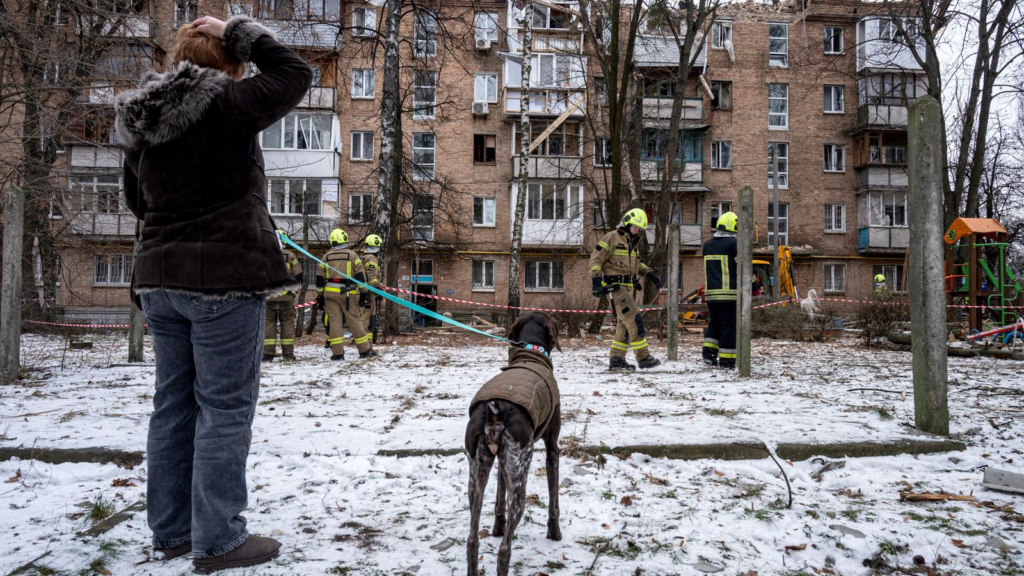
The Ukraine War has emerged as a focal point of international tension, reshaping geopolitical alliances and provoking heated debates among world leaders. Amid escalating violence, recent accusations from Russian Foreign Minister Sergei Lavrov allege that Ukraine has orchestrated an attack on President Putin’s residence, marking a significant turning point in the ongoing Ukraine-Russia conflict. As President Zelensky denounces these claims as mere lies, discussions about potential security guarantees for Ukraine gain urgency, especially following the unproductive meeting between Trump and Zelensky. The complex web of retaliatory threats and diplomatic maneuvering underscores the fragility of peace efforts in the region. With stakes high and global attention riveted, the unfolding events spotlight the broader implications of this devastating conflict.
The ongoing military crisis involving Ukraine and Russia, often referred to as the Ukraine-Russia conflict, highlights the brutal realities of war and the struggle for sovereignty. Recent developments, including Sergei Lavrov’s accusations against Ukraine regarding an alleged drone attack on a key Russian figure, have intensified debates surrounding the peace negotiations. President Zelensky’s dismissal of these allegations illustrates the contentious atmosphere in which both nations operate, as they vie for international support. Discussions on security measures, particularly concerning guarantees for Ukraine’s defense, are central to ongoing dialogues with the United States and European allies. This multifaceted conflict not only challenges regional stability but also engages global powers in a complex struggle for influence and resolution.
Impact of Ukraine-Russia Conflict on Geopolitical Stability
The ongoing Ukraine-Russia conflict has far-reaching implications for geopolitical stability not only in Eastern Europe but also globally. As tensions escalate over territory, energy resources, and international alliances, the friction between these nations amplifies existing fissures in global politics. Countries on the periphery of this conflict, particularly those in the NATO alliance, are increasingly wary of the situation, as any instability could lead to wider military engagements and economic disruptions.
Moreover, the conflict evokes concern about security guarantees for Ukraine, as highlighted by discussions surrounding U.S. and European involvement. With Russia’s assertive military actions and threats, nations are reconsidering their positions and alliances. The potential for a broader conflict necessitates a re-evaluation of defense strategies in response to a more volatile geopolitical landscape driven by the Ukraine-Russia war.
Zelensky and Trump Meeting: Aspirations and Outcomes
The recent meeting between Ukrainian President Volodymyr Zelensky and U.S. President Donald Trump generated significant anticipation regarding potential security guarantees for Ukraine. Both leaders discussed the framework of renewed support that the U.S. could provide as the conflict with Russia persists. While optimism surrounded the meeting, tangible outcomes remained elusive, raising questions about the effectiveness of diplomatic engagements in achieving resolution.
Critics assert that without substantial and immediate commitments from the U.S. and its allies, the efforts of Zelensky may fall short in enhancing Ukraine’s defense capabilities against ongoing Russian aggression. This meeting serves as a barometer for future diplomatic efforts and highlights the precarious nature of Ukraine’s political and military landscape amid the conflict.
The Allegation of Drone Attacks: Propaganda or Reality?
Accusations from Russian Foreign Minister Sergei Lavrov regarding a purported drone attack by Ukraine on President Putin’s residence have stirred controversy. This allegation raises fundamental questions about the veracity of claims made by both sides during the conflict. On one hand, Russia uses these accusations to justify possible escalated military actions, while on the other, Ukraine condemns such narratives as lies meant to derail peace negotiations.
Such accusations and counterclaims illustrate the role of information warfare in the Ukraine-Russia conflict. As both nations leverage media to influence public opinion and diplomatic narratives, discerning fact from propaganda becomes increasingly challenging. Understanding these dynamics is crucial for international observers as they evaluate the ongoing situation and the potential for peace.
Ukraine’s Security Guarantees: A Long-Term Strategy
President Zelensky has publicly advocated for substantial security guarantees from the U.S. and Europe, indicating a desire for an extended commitment of up to 50 years. This reflects Ukraine’s assessment of the ongoing threat posed by Russia and its intention to secure a defensive posture that would deter future aggression. The emphasis on long-term guarantees also showcases Ukraine’s strategic vision to solidify its sovereignty and territorial integrity amid a protracted conflict.
Negotiations surrounding these guarantees are pivotal as they may influence the global response to Russian military actions. The alignment of Western nations in providing these assurances is crucial for Ukraine’s stability and the overall security architecture of Europe. As discussions continue, the efficacy of these proposed guarantees will be scrutinized in light of evolving military dynamics on the ground.
Lavrov’s Accusations Against Ukraine: Analyzing Motivations
Sergei Lavrov’s accusations of Ukrainian drone attacks signal a broader strategy by Russia to refocus narrative control in the Ukraine-Russia conflict. By framing Ukraine as the aggressor, Russia seeks to justify escalated military measures and solidify domestic support for its actions. These accusations serve not only as a tactical move but also as a propaganda tool to sway international perceptions and delegitimize Ukraine’s claims to self-defense and sovereignty.
Such statements from Russian officials must be viewed within the context of a larger campaign aimed at discrediting Ukraine on the world stage. By continually focusing on allegations of aggression, Russia aims to direct attention away from its own actions and human rights violations in the region. This manipulation of information complicates the already intricate dynamics of international diplomacy and security discussions related to the conflict.
The Role of International Diplomacy in the Ukraine War
International diplomacy plays a critical role in addressing the ongoing Ukraine War, as nations seek to mediate and establish viable paths to peace. The recent discussions involving U.S. President Donald Trump, European leaders, and Ukrainian officials highlight the urgency of diplomatic solutions amid escalating violence. However, achieving consensus on security guarantees and peace agreements remains challenging, particularly given the diverse interests of involved parties.
The complexities of such diplomacy are further exacerbated by Russia’s aggressive stance and its implications for international relations. As the global community grapples with the consequences of the war, coordinated diplomatic efforts will be essential to prevent further bloodshed and to establish a framework for lasting peace. Engaging in multilateral talks and fostering constructive dialogue between conflicting parties are crucial steps in this ongoing diplomatic endeavor.
Looking Ahead: The Future of Ukraine-Russia Relations
The future of Ukraine-Russia relations remains fraught with tension and uncertainty. Current political developments, accusations of aggression, and military strategies indicate a prolonged conflict with no clear resolution in sight. The trajectory of relations will largely depend on the willingness of both sides to engage in meaningful dialogue and the extent of international involvement in mediating peace.
As both nations navigate this turbulent landscape, the historical context of their relationship will play a significant role in shaping future interactions. Acknowledging this complex history will be vital in building frameworks that could lead to reconciliation and rebuilding trust. The global community’s role in facilitating this process will be paramount in determining if a stable and just resolution can be achieved.
The Human Toll of the Ukraine War
The humanitarian consequences of the Ukraine War are profound, affecting millions of civilians caught in the crossfire. Displacement, loss of life, and damage to infrastructure are just a few of the tragedies that have arisen from the prolonged conflict. As external observers, understanding the human cost of this war emphasizes the need for urgent action and resolution from both the international community and the involved parties.
Aid organizations have highlighted the critical need for ongoing support to address the needs of displaced populations and families affected by military actions. An emphasis on humanitarian assistance and the protection of civilians must be at the forefront of any discussions regarding peace negotiations to ensure that the sacrifices made by innocent people are not overlooked amid political maneuvering.
Media Narratives in the Ukraine-Russia Conflict
Media narratives play a crucial role in shaping public perception and international response to the Ukraine-Russia conflict. Stories about alleged attacks, military advancements, and diplomatic meetings can influence how citizens in different countries view the unfolding situation. The responsibility of media outlets to provide balanced and factual reporting is essential in preventing misinformation from fueling further tensions.
As both Ukraine and Russia seek to control the narrative, understanding the impact of media reporting becomes paramount for external observers. The portrayal of events in the press can sway public opinion, affect diplomatic relations, and ultimately influence the course of the conflict itself. Promoting accurate and unbiased coverage is essential for fostering a well-informed international dialogue on potential resolutions.
Frequently Asked Questions
What recent accusations has Lavrov made regarding the Ukraine War?
Russian Foreign Minister Sergei Lavrov has accused Ukraine of attempting a drone attack on President Putin’s residence in the Novgorod region, claiming that such ‘reckless actions’ will have consequences. This accusation comes amidst heightened tensions in the Ukraine War and is viewed by Ukraine as an attempt to undermine ongoing peace negotiations.
How did Zelensky respond to Lavrov’s accusations during the Ukraine War?
Ukrainian President Volodymyr Zelensky dismissed Lavrov’s accusations of a drone attack on Putin’s residence as lies, asserting that Russia is using these claims to destabilize negotiations for peace in the Ukraine War. He emphasized the need for the US and other allies to respond appropriately to these threats.
What was discussed in the recent meeting between President Trump and President Zelensky related to security guarantees for Ukraine?
During a recent meeting in Florida, President Trump and President Zelensky discussed potential security guarantees for Ukraine amidst the ongoing Ukraine War. Zelensky is seeking long-term security assurances from the US, expressing a need for guarantees that could extend up to 50 years to ensure Ukraine’s safety and sovereignty.
How might the allegations of an attack on Putin’s residence affect the Ukraine-Russia conflict?
The allegations of an attempted attack on Putin’s residence by Ukraine could complicate the already tense situation in the Ukraine-Russia conflict, potentially leading Russia to revise its negotiating stance. This escalation might hinder efforts to achieve peace and security guarantees for Ukraine as negotiations continue.
What implications do the recent discussions about security for Ukraine have for the Ukraine War?
The discussions about security guarantees for Ukraine are critical as they may define the future of the Ukraine War. US assurances of military and diplomatic support could strengthen Ukraine’s position, deter further Russian aggression, and pave the way for a more robust peace agreement.
What are the potential outcomes following the latest Ukraine-Russia negotiating efforts?
Given the current dynamics in the Ukraine War, outcomes following the latest negotiations between Ukraine, the US, and Russia could range from strengthened military support for Ukraine to a fragile ceasefire, depending on how both sides respond to the escalating accusations and the geopolitical landscape.
How does the international community view the latest developments in the Ukraine War?
The international community is closely monitoring the latest developments in the Ukraine War, particularly regarding the accusations made by Lavrov and the subsequent response from Zelensky. Many leaders are advocating for clear security guarantees for Ukraine while urging both sides to find a peaceful resolution to the conflict.
What are the implications of Zelensky’s remarks on meeting with Russia in light of the Ukraine War?
Zelensky has stated that any meeting with Russia will only occur after the US and European powers approve a peace plan. This condition underscores Ukraine’s reliance on international support to reinforce its negotiating power in the ongoing Ukraine War.
What did Trump say about the timeline for resolving the Ukraine War?
During the joint press conference with Zelensky, President Trump suggested that the timeline for potentially resolving the Ukraine War could vary significantly, stating that depending on the negotiations, it could take weeks or even longer.
What recent military developments have been reported in the Ukraine War?
Recent reports indicate that Russian forces have been advancing on multiple fronts in the Ukraine War, capturing significant territory. This escalation highlights the ongoing intensity of the conflict as Ukraine focuses on defense and counter-offensive strategies to reclaim lost land.
| Time | Event | Details |
|---|---|---|
| 5:41 PM | Putin informs Trump | Putin alleges an attack by Ukraine and plans to revise negotiation strategy. |
| 4:33 PM | Russia accuses Ukraine of attack | Lavrov claims Ukraine attacked with drones; Zelensky dismisses this as a lie. |
| 3:03 PM | Russian forces advancing | Gerasimov states that Russia is making gains on all fronts in Ukraine. |
| 1:20 PM | Tusk warns against division | Polish PM expresses concern about losing unity in front of Russian aggression. |
| 12:36 PM | Accusations of war crimes | Ukraine reports executions of POWs by Russian forces. |
| 12:10 PM | Need for security guarantees | Germany stresses the necessity of US and European security guarantees for Ukraine. |
| 11:19 AM | Russia demands troop withdrawal | Russian government calls for Ukraine to withdraw from contested Donbas region. |
| 10:18 AM | Zelensky’s conditions for talks | Zelensky states talks with Russia depend on approval from US and Europe. |
| 9:57 AM | Security guarantees timeline | Zelensky seeks up to 50 years of US security commitments. |
| 9:35 AM | Critique of US policy | CDU politician questions Trump’s restraint towards Putin. |
Summary
The Ukraine War continues to escalate as Russia intensifies its military actions while accusing Ukraine of aggressive maneuvers. Key developments include Russia’s allegations of a drone attack on President Putin’s residence, which Ukraine refutes as misinformation aimed at disrupting peace negotiations. Amidst these tensions, both sides engage in dialogues with the United States regarding security guarantees, highlighting the intricate dynamics of international relations in this ongoing conflict. As the situation evolves, the focus remains on the broader implications for regional stability and the efforts to achieve a resolution to the Ukraine War.

