
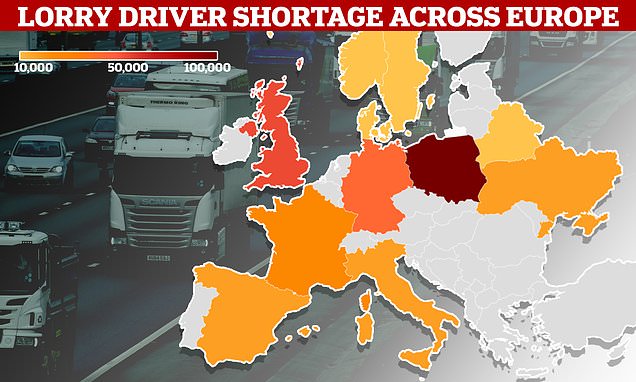
Germany is currently facing a critical issue with a severe truck driver shortage, which poses significant challenges to its logistics sector. As the country grapples with tens of thousands of unfilled positions, the ramifications extend beyond just empty shelves—impacting the entire supply chain. With a deepening gap in available drivers, many transport companies are forced to cancel orders or ground their trucks, unable to find sufficient personnel to maintain operations. Compounding this crisis are the unsatisfactory working conditions for drivers and low truck driver salaries in Germany, which deter potential recruits. The industry’s reliance on traditional driving methods makes overcoming these obstacles even more challenging, especially as hopes for autonomous driving technologies remain limited.
The shortage of truck drivers in Germany is creating an urgent crisis within the nation’s freight transport system. This situation highlights the broader challenges within the logistics sector, where inadequate workforce levels threaten the stability of supply chains. With an aging workforce and escalating requirements for training, the allure of the trucking profession diminishes, jeopardizing future replenishment of drivers. Exacerbating this issue are concerns over the attractiveness of truck driving jobs, where long hours and inadequate pay deter new talent. As the industry struggles to adapt, reliance on existing drivers becomes increasingly paramount, showcasing the critical need for reform in working conditions and compensation to sustain operations.
Understanding the Germany Truck Driver Shortage
Germany is facing an alarming shortage of truck drivers, with an estimated deficit of 120,000 drivers currently reported. This shortage has severe implications for the logistics sector, as the transportation of goods relies heavily on road freight, with 80% of all goods moved by trucks. The situation is exacerbated by the fact that many drivers are nearing retirement without enough new recruits to fill the gap. As more than 30,000 drivers retire annually and only 15,000 to 20,000 replacements are trained, the gap continues to widen, creating a potential crisis for the supply chain.
The consequences of the driver shortage can already be seen in supermarkets and retail spaces across Germany. With empty shelves becoming a more frequent sight, experts warn that this issue is not merely a result of pricing disputes but reflects the fundamental breakdown in logistics. When these critical transportation roles remain unfilled, the ripple effects impact all aspects of supply and demand. Addressing the Germany truck driver shortage is crucial, not only for maintaining product availability but for the overall stability of the logistics sector.
Challenges Faced in the Logistics Sector
The logistics sector in Germany is undergoing significant challenges, many of which are driven by the increasing truck driver shortage. Limited workforce availability places immense pressure on transport companies, leading many to ground trucks or cancel orders. The higher operating costs associated with finding qualified drivers mean that companies often cannot compete in tenders due to elevated freight rates. Consequently, the entire logistics chain is at risk, and stakeholders must rethink strategies to cope with these pressures.
Additionally, the complexities of rail transport highlight the limitations in alternatives to road trucking. Trains may offer some capacity for goods transport, but their reliance on fixed tracks and the inflexible nature of schedules make them an inadequate substitute. The logistics sector needs to explore multi-modal transportation solutions and invest in increasing the appeal of the trucking profession to address the challenges posed by the driver shortage.
The Limitations of Autonomous Driving
Much hope has been invested in the future of autonomous driving as a solution to the truck driver shortage; however, industry experts have voiced skepticism about its feasibility. While technology such as sensors and AI can assist in the delivery process, they cannot fully replace human drivers. The responsibilities that drivers hold—ranging from cargo security to problem-solving in unforeseen situations—demonstrate the irreplaceable value of human judgment in logistics.
Additionally, the unpredictable nature of AI and technology brings to light the potential for errors and the need for human oversight. As organizations seek to incorporate automation into their fleets, they must grapple with the reality that, for the foreseeable future, human drivers will remain essential to the industry. Therefore, investing in the professional training and working conditions of truck drivers is imperative to complement technological advancements.
The Impact of Truck Driver Salaries in Germany
The average gross salaries for truck drivers in Germany, ranging from €2,700 to €3,500 per month, often do not adequately reflect the demanding nature of the job. With extended work hours and time spent away from home, many potential recruits find the compensation unappealing. Industries need to reevaluate pay structures to attract and retain drivers while ensuring that they are compensated fairly for the challenges that come with the role.
Moreover, the discrepancy in pay highlights a broader issue within the logistics sector—creating a sustainable pathway towards better employment conditions. With increasing operational costs, businesses must balance competitiveness with the necessity for higher wages and improved employment terms to combat the ongoing driver shortage.
Improving Working Conditions for Drivers
To address the long-term truck driver shortage, it is vital to improve working conditions within the sector. Issues such as long hours, time away from family, and mental strain contribute to the unattractiveness of driving jobs. By implementing better working conditions, including flexible scheduling, adequate rest areas, and support services, companies can make the profession more appealing and improve driver retention.
Further, enhancing career pathways—such as mentorship programs, training initiatives, and financial support for obtaining necessary qualifications—could also help attract new drivers. The industry must prioritize the well-being of its workforce to secure the future of logistics in Germany. Long-term solutions hinge on the recognition that investment in driver conditions could yield significant returns, not just for the workforce but for the entire supply chain.
The Long-Term Outlook for Driver Employment
The shortage of truck drivers in Germany is more than a crisis; it represents a critical turning point for the logistics sector. As companies grapple with an aging workforce without sufficient new hires, it becomes clear that the challenges faced are not temporary. Long-term strategies must be developed to nurture interest in the profession and address systemic issues that deter potential drivers from joining the industry.
Strategically investing in workforce development—such as offering scholarships for driver education, improving job stability, and promoting the social value of the profession—can create appealing career paths. To ensure the sustainability of supply chains and logistics networks, it is imperative to cultivate a new generation of truck drivers who are well-prepared to meet the demands of the future.
The Role of Education and Training in Driver Recruitment
Training and education play a pivotal role in addressing the truck driver shortage in Germany. Given the high entry costs for obtaining a CE class driving license, coupled with additional training requirements such as load securing or hazardous materials handling, many aspiring drivers are discouraged from pursuing this career path. Companies have a unique opportunity to bolster recruitment efforts by offering financial assistance and streamlined training processes.
Moreover, promoting vocational training programs and partner initiatives with educational institutions can raise awareness of the opportunities available within the logistics sector. By equipping individuals with the necessary skills and knowledge, the industry can address current shortcomings and align workforce capabilities with sector needs.
Leveraging Technology for Better Logistics Solutions
While the conversation around autonomous trucks continues, leveraging existing technology can yield immediate benefits for the logistics sector. From routing software to fleet management systems, technology can streamline operations, improve efficiency, and alleviate some pressures associated with driver shortages. Companies that invest in enhancing their technological capabilities can better manage resources and optimize deliveries, ultimately improving service levels.
Implementing technology does not eliminate the need for human drivers but rather complements their work. Instead of viewing technology as a threat to driver jobs, the logistics sector can embrace it as a tool to create a more coherent and efficient workforce. Such synergies are essential for addressing current challenges and mitigating long-term risks associated with human resource shortages.
The Future of Logistics: Anticipating Change
As the logistics sector evolves, anticipating change becomes essential in creating adaptive strategies to tackle the truck driver shortage. The industry must prepare for shifts in workforce demands, technological advancements, and changing consumer behaviors. Emphasizing sustainability practices, such as transitioning to greener transport options or optimizing delivery systems, can position companies favorably in an increasingly competitive landscape.
Furthermore, being proactive in addressing the challenges of the logistics sector—such as driver shortages and operational efficiencies—will not only foster a resilient supply chain but also reinforce the industry’s critical role in the overall economy. By embracing change and preparing for the future, logistics companies can become leaders in navigating the complexities of tomorrow’s transportation landscape.
Frequently Asked Questions
What are the main factors contributing to the Germany truck driver shortage?
The Germany truck driver shortage is primarily due to high attrition rates with about 30,000 to 35,000 drivers retiring annually, while only 15,000 to 20,000 replacements are trained each year. Other contributing factors include unattractive working conditions, long hours, high pressure, and a gross salary ranging between 2,700 and 3,500 euros, which many find insufficient.
How does the Germany truck driver shortage impact the supply chain?
The Germany truck driver shortage significantly disrupts the supply chain as approximately 80% of goods are transported by road. With fewer drivers, many transport companies are forced to ground trucks, leading to empty shelves in supermarkets and delays in deliveries, showcasing the fragility of supply chains.
What are the limitations of autonomous driving in addressing the Germany truck driver shortage?
Autonomous driving technologies cannot fully solve the Germany truck driver shortage. Current systems can support but not replace human drivers who are responsible for safety and cargo management. Technology also remains error-prone, meaning human oversight is essential for reliable operations.
How do truck driver salaries in Germany affect the labor market?
Truck driver salaries in Germany, averaging between 2,700 and 3,500 euros, are often deemed unattractive considering the demanding nature of the work. Low pay contributes to the high turnover rate and creates significant challenges in attracting new drivers to address the ongoing truck driver shortage.
What changes are needed to improve working conditions for drivers in Germany?
To combat the Germany truck driver shortage, significant improvements in working conditions are essential. This includes addressing lengthy working hours, providing better pay, reducing stress, and making training more accessible to attract new drivers to the industry.
Is the truck driver shortage in Germany a temporary issue?
No, the truck driver shortage in Germany is not a temporary issue but rather a long-term challenge. Without reforms to working conditions, increased pay, and streamlined training processes, supply shortages are likely to persist even outside of crises.
What steps can be taken to attract more individuals to the trucking profession in Germany?
To attract more individuals to the trucking profession in Germany, the industry must enhance salary offerings, improve working conditions, simplify training and licensing processes, and promote the value of truck driving as a vital profession in the logistics sector.
| Key Points | Details |
|---|---|
| Current Driver Shortage | Germany faces a shortage of around 120,000 truck drivers, with projections showing a widening gap as more drivers retire than are being replaced. |
| Impact on Supply Chain | The lack of drivers leads to empty shelves in supermarkets and disruptions in factory operations, as 80% of goods in Germany are transported by road. |
| Struggles of the Profession | The truck driving job is challenging, characterized by long hours, high pressure, and an average salary ranging from 2,700 to 3,500 euros, which many find inadequate. |
| Training Barriers | Becoming a truck driver requires a CE class driving license and further qualifications, which can be expensive, often costing thousands of euros. |
| Technology Solutions | While autonomous trucks could assist, they cannot fully replace human drivers due to the complexity of the role and the current limitations of technology. |
| Long-term Issue | The truck driver shortage is a long-standing issue that will require improved working conditions, better pay, and eased training requirements to resolve. |
Summary
Germany truck driver shortage is becoming a pressing concern for the logistics industry, with tens of thousands of trucks stationary due to an alarming lack of drivers. The ramifications are substantial; as supply chains falter, supermarkets face empty shelves and factories struggle to operate efficiently. Without sufficient intervention in working conditions and salaries, this issue may not only persist but worsen, significantly impacting the economy and consumers alike.

