
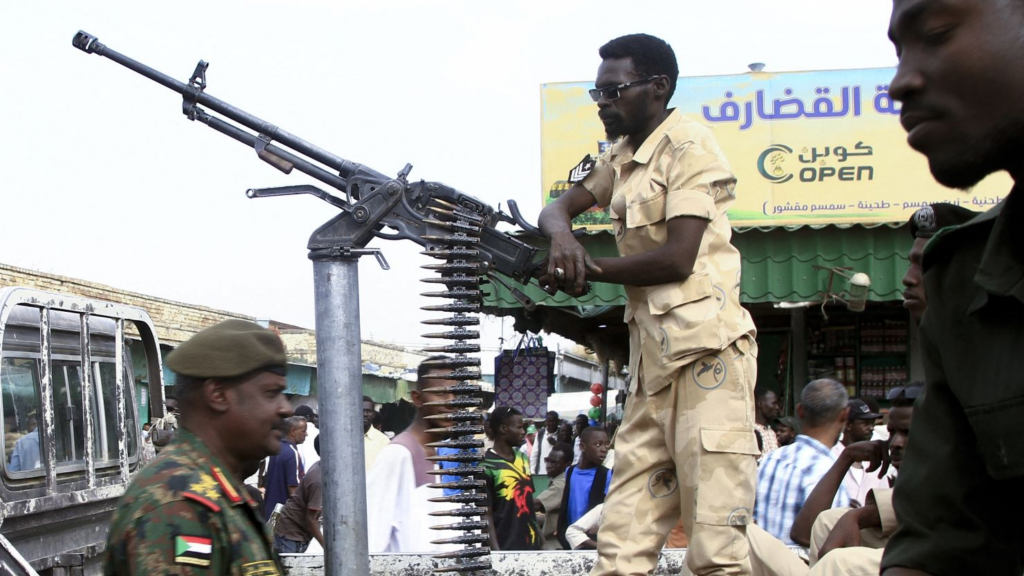
The Sudan War, a brutal conflict erupting since April 2023, has plunged the nation into a humanitarian crisis that resonates across the globe. This devastating struggle primarily pits the Sudanese armed forces against the RSF militia, leading to widespread violence in Sudan that has intensified particularly in the Kordofan region. As millions grapple with the aftermath of this ongoing war, reports indicate that the situation is dire, with approximately 30 million people in need of urgent humanitarian aid. The focus on the RSF’s violent tactics and their impact on civilian populations remains critical for understanding the underlying dynamics of the Sudan conflict. Addressing this crisis is essential not only for restoring peace but also for fostering a pathway towards stability and recovery in the region.
In the wake of escalating hostilities, the conflict in Sudan, marked by its fierce civil strife, has garnered increasing attention from global humanitarian organizations. This protracted warfare, led by competing factions including the well-equipped Rapid Support Forces (RSF) and the national army, continues to wreak havoc in communities. The implications of the ongoing violence extend far beyond the battlefield, precipitating widespread displacement and exacerbating existing vulnerabilities within the population. As the local populace suffers under the weight of the humanitarian fallout, voices calling for intervention and support grow louder. Understanding the intricate layers of this turmoil is vital for crafting effective strategies aimed at alleviating the suffering and restoring peace to the war-torn nation.
The Ongoing Humanitarian Crisis in Sudan
As the conflict in Sudan drags on, the humanitarian crisis deepens, leaving over 30 million people reliant on aid. The fighting between the Sudanese army and the RSF militia has upended lives, with families like Rawaq’s faced with unimaginable losses and suffering. With critical infrastructure destroyed and access to food severely limited, displaced individuals in refugee camps navigate a daily struggle for survival. The soup kitchens that provide scant relief are often overwhelmed, reflecting the desperate needs of the populace as humanitarian organizations grapple with persistent barriers to delivering assistance.
In the Kordofan region, the situation is particularly dire as violence reigns unchecked. Reports indicate large-scale atrocities committed by the RSF, including killings and abuse that exacerbate the plight of those trying to flee the ongoing war in Darfur. The UN’s warnings about the potential for increased displacement highlight the urgency of international intervention—yet, as pleas for peace are made, the cycle of violence continues to wreak havoc on civilian lives.
The Role of the RSF Militia in the Sudan Conflict
The RSF militia, originally established to combat insurgency in Darfur, has evolved into a powerful entity within the broader conflict in Sudan. Under the leadership of Mohamed Hamdan Daglo, commonly known as Hemedti, the RSF has gained notoriety for its brutal tactics and alleged human rights violations. With reports of drone strikes targeting civilian areas, the RSF’s methods have not only instigated fear but have also drawn condemnation from the international community. Observers note that the RSF’s ability to operate with relative impunity demonstrates a worrying reality in Sudan’s power dynamics, complicating potential paths to peace.
Their influence is especially pronounced in regions like Kordofan, where control over strategic resources, including oil, enhances their power. This has led to fierce confrontations with Sudanese government forces. The intersection of this militia with political interests reveals a conflict not only of arms but of resource control, as external powers like the United Arab Emirates and Egypt align themselves with different factions to further their interests. The RSF’s role is thus pivotal, both in entrenching the conflict and shaping the future of Sudan.
Intensified Fighting in the Kordofan Region
The Kordofan region has become a focal point of intense fighting, primarily due to its strategic significance and resource-rich landscape. Following the recent escalation of violence, residents are caught in a devastating cycle of warfare that has led to numerous casualties and mass displacements. As reports surface of drone strikes hitting civilian infrastructures, such as schools and hospitals, the impact of this warfare on the vulnerable population is profound. Families, like Rawaq’s, find themselves torn apart, fleeing from one conflict zone to another in search of safety.
Witness accounts from Kordofan highlight the dire humanitarian needs arising from this violence, as people struggle to meet their basic living requirements. The international community’s failure to stop the fighting raises critical questions, as organizations attempt to provide urgent medical and food assistance amid escalating hostilities. The UN’s concern about the toll this long-standing conflict could take on the region foreshadows a worsening of conditions, unless immediate diplomatic efforts are undertaken to curb the violence and initiate peace talks.
International Responses and the Future of Sudan
As the Sudan conflict continues unabated, international reactions have varied widely. Some countries, such as Saudi Arabia and Egypt, have shown support for specific factions but often pursue their own interests, complicating the pathway to a unified resolution. Proposals for ceasefire under international supervision have emerged, but skepticism remains about whether such initiatives can be effective in the face of sustained aggression. Leaders like Prime Minister Kamil Idris emphasize the need for global intervention, indicating that only a concerted international effort can hope to restore civic order and eliminate the perpetual chaos.
The need for new diplomatic strategies is pressing, particularly as traditional mechanisms based solely on local solutions seem inadequate. Experts highlight that successful negotiations in Sudan will require an understanding of the complex interplay of local tribal dynamics, resource control, and international interests. As calls for accountability and humanitarian support grow louder, the responsibility lies with both local leaders and the global community to foster a stable environment conducive to long-lasting peace in Sudan.
The Impact of Violence on Civilians in Sudan
The ongoing violence in Sudan has had devastating effects on its civilian population, particularly the most vulnerable groups. Reports of systematic abuses by the RSF militia, including arbitrary executions and sexual violence, highlight the urgent need for accountability and humanitarian intervention. Families are torn apart, and many children, like those tragically lost in the drone strikes in Kordofan, will bear the scars of this conflict for a lifetime. The humanitarian crisis is exacerbated as access to basic needs such as food, shelter, and medical care remains hampered by the ongoing conflict.
The psychological toll on civilians is equally catastrophic, with survivors of attacks recounting harrowing stories of loss and trauma. In refugee camps across Sudan, individuals are grappling with their past while trying to survive day by day. Aid organizations report a staggering rise in mental health issues among displaced populations, necessitating urgent interventions that not only address immediate physical needs but the long-term emotional and psychological wellbeing of those affected by this brutal power struggle.
Local Heroes in the Midst of Crisis
Amidst the chaos and despair, local heroes have emerged, dedicated to providing humanitarian aid to those in desperate need. The story of Alsasnosi Adam and the Emergency Response Rooms exemplifies the tenacity of Sudanese citizens. Their work, often perilous, showcases a commitment to alleviating the suffering inflicted by the ongoing war. These volunteers work tirelessly to deliver food, medical assistance, and emotional support to those trapped in limbo, risking their lives in the process.
However, such noble efforts are not without challenges. With multiple reports of humanitarian workers being targeted in the conflict, the need for protection and visibility for these courageous individuals is paramount. Adam’s call for international support resonates deeply; the world must recognize and bolster the work of these local heroes if there is any hope for recovery and reconstruction in a post-conflict Sudan.
Potential Solutions and Peace Initiatives
As the conflict continues to escalate, the pursuit of viable peace initiatives becomes increasingly critical. The proposal by Prime Minister Kamil Idris for a ceasefire under international supervision marks a significant step, but the effectiveness of such measures relies heavily on the willingness of warring factions to engage in meaningful dialogue. Historically, peace efforts in Sudan have faltered, yet this moment presents an opportunity to leverage international pressure to foster genuine negotiations.
Long-lasting peace will require comprehensive solutions that address the root causes of conflict, including governance issues, resource allocation, and regional disparities. Investment in conflict resolution education and initiatives that promote reconciliation at the grassroots level may also play a crucial role in stabilizing Sudan post-conflict. A collective effort from the international community, regional powers, and local actors will be essential in ensuring a pathway towards a peaceful future.
The International Community’s Role in Addressing the Sudan Conflict
The international community plays a pivotal role in shaping the discourse surrounding the Sudan conflict. Given the complex influence of foreign nations and organizations, it becomes imperative to forge a coordinated approach that aims to alleviate humanitarian suffering while supporting peace initiatives. Diplomatic engagements should focus not only on addressing the immediate needs arising from the crisis but also on long-term strategies for governance and stability.
Furthermore, the involvement of global organizations like the UN and regional bodies must translate into tangible actions that hold perpetrators accountable for human rights violations. Advocating for open channels of communication among conflicting parties can lead to a better understanding of the multifaceted issues at play, fostering a climate conducive to peace. With millions affected by the ongoing crisis, a robust international response could mean the difference between continued suffering and the potential for recovery in Sudan.
The Importance of Global Awareness and Advocacy
Global awareness and advocacy play critical roles in addressing the humanitarian crisis in Sudan. As international citizens become more informed about the nuances of the Sudan conflict, mobilization for support increases, pressuring governments to take action. Grassroots movements and digital campaigns can amplify the voices of Sudanese civilians, transcending borders to create a collective push for change. Highlighting the stories of individuals affected by the conflict fosters empathy and understanding, ultimately galvanizing support for humanitarian efforts.
Through united advocacy, the global community can demand accountability from both domestic and international actors while pressing for a framework that prioritizes human rights. The need for continued dialogue, information sharing, and advocacy cannot be overstated, as it directly contributes to building a more informed and engaged public, capable of influencing comprehensive solutions for those enduring the brutality of war in Sudan.
Frequently Asked Questions
What is the current status of the Sudan War as of December 2025?
As of December 2025, the Sudan War between the Sudanese army and the RSF militia continues unabated, with intensified fighting particularly in the Kordofan region. Despite peace initiatives, the humanitarian crisis in Sudan worsens, affecting millions.
How has the RSF militia contributed to the violence in Sudan?
The RSF militia has been heavily involved in the ongoing violence in Sudan, committing numerous human rights violations, such as systematic displacement and arbitrary executions, especially against civilians in conflict zones like Darfur and Kordofan.
What is the humanitarian crisis in Sudan during the ongoing conflict?
The humanitarian crisis in Sudan is dire, with over 30 million people needing humanitarian aid. Armed conflict has disrupted aid efforts, leading to widespread hunger and suffering, as many communities, especially in conflict zones like the Kordofan region, struggle to access food and medical care.
What role does the Kordofan region play in the Sudan conflict?
The Kordofan region is strategically important in the Sudan War, featuring large oil reserves and acting as a critical juncture between RSF-controlled Darfur and territories controlled by the Sudanese army. The ongoing violence has significantly impacted its civilian population.
What has been the international response to the violence in Sudan?
Internationally, there have been calls for ceasefires and monitoring of the Sudan War, with countries like Saudi Arabia, the UAE, and the USA having significant influence on the fighting parties. However, these interventions often align with their own interests in the region.
How are civilians being affected by the ongoing war in Sudan?
Civilians in Sudan are facing immense suffering due to the war, with reports of killings, displacement, and violence. Many have fled their homes to seek refuge in overcrowded camps, like those in Kordofan, where survival often hinges on sporadic humanitarian aid.
What are the prospects for peace in Sudan amidst the conflict?
Prospects for peace in Sudan are uncertain; while there are ongoing peace initiatives led by the Sudanese government, the reality on the ground shows that violence persists, calling into question the effectiveness of these efforts to end the conflict.
How can the international community aid in the humanitarian crisis in Sudan?
The international community can assist in the humanitarian crisis in Sudan by providing resources for immediate aid, applying pressure for ceasefires, and facilitating dialogues between conflicting parties to promote long-term peace and stability in the region.
| Key Issue | Details |
|---|---|
| Ongoing Conflict | The war in Sudan involves intense fighting between the Sudanese army and the RSF militia, particularly in the Kordofan region. |
| Humanitarian Crisis | Over 30 million people in Sudan depend on humanitarian aid, but assistance is hampered by ongoing violence. |
| Recent Atrocities | Reports of severe human rights violations, including displacement, killings, and attacks on civilians, especially by the RSF. |
| International Appeal | Sudanese Prime Minister has proposed a peace initiative, including a ceasefire under international supervision. |
| Global Involvement | Various countries, including the UAE, Egypt, and the USA, are influencing the conflict for their own interests. |
Summary
The Sudan War continues to devastate the nation, marked by a brutal power struggle between the government forces and the Rapid Support Forces (RSF) militia. As humanitarian crises deepen, millions of civilians face dire conditions, with reports of escalating violence and significant human rights abuses. While calls for international intervention and a peace initiative have emerged, the situation remains precarious, highlighting the urgent need for global solutions to restore stability and end the suffering in Sudan.

