
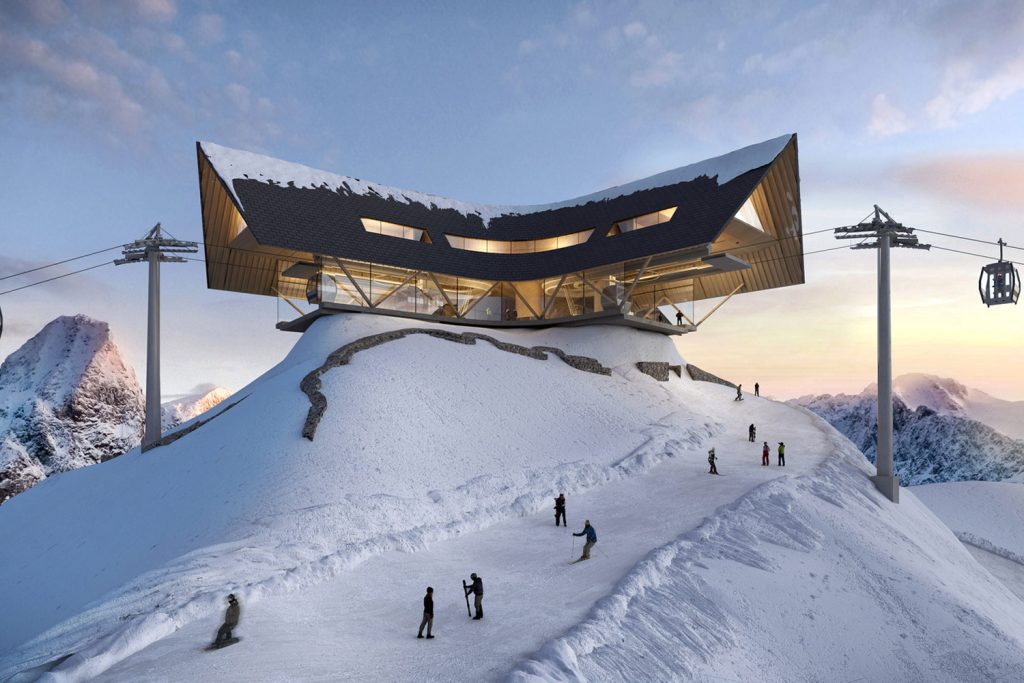
As the Alps brace for a future increasingly shaped by climate change, the skiing future in the Alps looks more precarious than ever. With rising temperatures causing natural snow to dwindle, ski resorts are turning to artificial snowmaking to ensure their operations can continue. This shift not only affects snow reliability but also raises questions about the long-term sustainability of popular glacier skiing destinations. Exclusive data analysis indicates that many slopes are projected to remain below the freezing point, heightening the urgency for innovations in snow production. As alpine regions adapt to these shifts, the future of skiing relies on balancing environmental concerns with the need for reliable winter sports infrastructure.
In light of the ongoing environmental challenges, the outlook for winter sports within the majestic Alps is undergoing a significant transformation. The impact of global warming has prompted ski destinations to rethink their approaches, particularly in the realms of snow reliability and technological advancements like snowmaking. As the natural landscape evolves, ski enthusiasts and resorts alike are starting to explore alternative forms of winter recreation that can coexist with the changing climate. The rise in temperatures necessitates a focus on higher-altitude skiing and innovative practices to ensure that visitors can continue to enjoy the slopes. Overall, the future of winter sports in the Alps will hinge on adaptive strategies and a commitment to sustainable practices.
The Impact of Climate Change on Skiing in the Alps
Climate change poses significant challenges for winter sports in the Alps. Recent studies indicate that temperatures in the region are rising faster than the global average, leading to a concerning reduction in the reliability of natural snowfall. With the freezing point shifting upwards, ski resorts that once thrived on dependable winter conditions are now facing precarious futures. For instance, a projected rise of two degrees Celsius could elevate the average winter freezing point from 1,100 meters to approximately 1,500 meters, cutting off many lower-altitude slopes from viable skiing conditions.
In particular, Austrian resorts are likely to be among the hardest hit, with projections suggesting that half of the skiable slopes may fall below freezing levels under a three-degree warming scenario. This stark reality emphasizes the urgent need for the industry to adapt. Resorts at higher altitudes, such as Sölden, are better positioned to withstand these changes due to their elevation and existing snowmaking infrastructure, but downward trends in snowfall cannot be ignored.
The Role of Artificial Snowmaking in Future Ski Resorts
As natural snow becomes increasingly unreliable, artificial snowmaking is emerging as a crucial lifeline for ski resorts in the Alps. With the necessary cold nights becoming fewer and farther between, the ability to produce artificial snow is essential not only for maintaining operations but also for ensuring guest satisfaction. Ski resorts are investing heavily in advanced snowmaking technology to optimize efficiency and reduce water and energy consumption. This technological advancement can help resorts control the snowmaking process, permitting them to offer reliable skiing experiences even when environmental conditions are less than ideal.
However, the sustainability of this practice is under scrutiny. While artificial snowmaking appears to be a viable immediate solution, the high energy demands and resource consumption raise questions about its long-term viability amidst the escalating climate crisis. Ski resorts will need to balance their economic needs with ecological considerations as they navigate the changing climatic landscape, aiming for sustainable practices that can guarantee the future of skiing in the Alps.
Snow Reliability and Its Importance for Skiing
Snow reliability is a key factor determining the viability of ski resorts in the Alps. As temperatures continue to rise, many slopes are projected to lose their consistent natural snowfall, pressuring resorts to rely more on artificial measures. The long-term forecast suggest that up to 90% of ski kilometers at some high-altitude resorts might remain above the freezing point; however, this stability is not universal across the region. For many lower-altitude areas, maintaining a full ski season may become increasingly challenging with severe implications for local economies that depend on winter tourism.
These changing conditions necessitate a reevaluation of slope management and investment strategies in the skiing sector. Resorts will need to leverage their geographical advantages while adapting their business models to incorporate year-round activities, such as hiking and mountain biking, to shift reliance from winter operations alone. This adaptability could ensure economic sustainability even as the winter sports landscape becomes uncertain due to climate change.
The Future of Skiing in the Alps: A Closer Look
Looking ahead, the future of skiing in the Alps is intertwined with ongoing climate changes. As ski resorts grapple with fluctuating temperatures and decreasing natural snowfall, their survival will depend on strategic planning and innovative technologies. Many resorts are considering elevating their altitudes to take advantage of the cooler temperatures found at higher elevations. This adaptation could provide a competitive edge over lower-lying counterparts that face an uphill battle against rising temperatures.
Moreover, the demand for glacier skiing may increase as temperatures rise, while traditional ski areas may struggle to maintain their relevancy. Resorts will need to invest in glacier preservation and enhancement tactics, ensuring these slopes remain viable amid the ongoing climate shifts. Proper investment in infrastructure and sustainability initiatives will be imperative to uphold the skiing legacy of the Alps.
Environmental Concerns regarding Ski Resort Operations
The operation of ski resorts amid climate change raises pressing environmental concerns that cannot be ignored. With the focus on profitability often outweighing ecological considerations, critics argue that this approach could lead to damaging long-term repercussions. Emphasizing economic gains at the expense of the environment has already shown its effects, contributing to habitat degradation and increased carbon emissions associated with artificial snow production. Stakeholders in the skiing industry must interrogate their practices to ensure they minimize their ecological footprint.
Furthermore, enhanced environmental regulations may soon dictate how ski resorts operate, compelling them to adopt greener technologies and practices to mitigate the impacts of climate change. This transition could ultimately benefit the industry by fostering a more sustainable model of winter tourism that prioritizes ecological diversity while still catering to skiers and snow enthusiasts alike.
Adapting Ski Resorts for Increased Climate Resilience
In order to respond effectively to the realities of climate change, ski resorts across the Alps must prioritize adaptation strategies that bolster their climate resilience. This may involve diversifying ski activities, enhancing technical capabilities for snowmaking, and integrating renewable energy sources into their operations. By adopting a multi-faceted approach, resorts can improve their chances of sustaining operations in an uncertain climate while reducing their long-term environmental impacts.
Collaboration among resorts and local governments can also foster regional initiatives that address climate-related challenges. These initiatives could include shared research efforts on snow reliability and investment in climate-resilient infrastructure. By working together, ski resorts can create a unified front in their efforts to combat the impacts of climate change, ensuring a stronger and more sustainable future for skiing in the Alps.
The Economic Viability of Skiing Amid Climate Challenges
As climate change continues to alter the landscape of winter sports, the economic viability of skiing in the Alps comes into question. Resorts that rely heavily on artificial snowmaking may face rising operational costs that could ultimately undermine profitability. With increasing unpredictability regarding snowfall, ski resorts may struggle to maintain high visitor numbers, particularly during peak seasons. This raises concerns about the long-term sustainability of the ski tourism economy in many Alpine regions.
Alternative revenue streams, such as summer tourism and year-round recreational offerings, must be explored to ensure economic stability. By diversifying their service offerings, resorts can mitigate the risks associated with poor skiing conditions and attract a broader range of visitors. This approach will not only assist in maintaining profitability during potentially challenging winters but also promote year-round engagement with the scenic Alpine environment.
Incentivizing Eco-Friendly Practices in Ski Resorts
As ski resorts adapt to challenges posed by climate change, adopting eco-friendly practices is essential to secure their future and protect the environment. Innovative programs that incentivize sustainability can create significant shifts in how resorts operate. For instance, resorts can invest in green technologies that lower energy consumption, minimize water usage, and promote biodiversity in the mountainous region. By implementing such programs, resorts can demonstrate their commitment to environmental stewardship while appealing to environmentally-conscious consumers.
Incorporating sustainable practices into resort operations not only benefits the environment but also enhances the guest experience. Skiers and tourists increasingly favor destinations that prioritize eco-friendliness and are willing to pay a premium for such experiences. By positioning themselves as leaders in sustainability, resorts can attract a dedicated clientele, contributing to a more resilient and viable future amidst changing climate conditions.
Exploring the Long-Term Future of Skiing in the Alps
As we look toward the future of skiing in the Alps, it is evident that comprehensive strategies must be developed to ensure the sport’s survival. Climate projections indicate that significant changes are inevitable, and the skiing industry must prepare to adapt accordingly. Investments in infrastructure and innovative solutions for snowmaking are essential elements of this adaptation process. Furthermore, collaboration and shared commitment among industry stakeholders will be vital in addressing the complex challenges posed by climate change.
Ultimately, stakeholders will need to come together to create a vision for sustainable winter tourism that incorporates the realities of climate impact. By embracing new technologies, diversifying activities, and committing to environmentally responsible practices, ski resorts can create a future where skiing continues to thrive in the Alps, even as the landscape shifts under the pressure of climate change.
Frequently Asked Questions
How is climate change affecting the future of skiing in the Alps?
Climate change is significantly altering the future of skiing in the Alps, with rising temperatures leading to less natural snow and shifting the freezing point higher. By the end of the century, ski resorts may struggle to maintain snow reliability, as many slopes are projected to fall below freezing, jeopardizing traditional skiing experiences.
What role does artificial snowmaking play in the future of Alps ski resorts?
Artificial snowmaking is becoming increasingly vital for the future of skiing in the Alps. As natural snowfall diminishes due to climate change, many ski resorts rely on technology to create snow, particularly at higher altitudes where temperatures remain colder, ensuring that skiing can continue even as conditions become less favorable overall.
Can glacier skiing survive the effects of climate change in the Alps?
Glacier skiing may continue to be viable in the Alps as it is often located at higher elevations where snow reliability is greater. However, even glacier resorts must adapt to warming temperatures and invest in advanced snowmaking technologies to maintain operations against the backdrop of climate change.
What is the expected impact of rising temperatures on snow reliability in Alps ski resorts?
With temperatures projected to rise, the impact on snow reliability in Alps ski resorts is concerning. Many areas may see up to 50% of ski slopes fall below the freezing point, limiting natural snow coverage and requiring heavier reliance on artificial snowmaking to ensure skiable conditions.
How will the future of skiing in the Alps change in terms of economic viability?
The future of skiing in the Alps may face economic challenges as climate change progresses. While technical snowmaking is possible, it requires significant energy and resources, raising questions about the long-term economic viability of ski resorts that rely heavily on artificial snow to attract visitors.
Will all ski resorts in the Alps be affected by the same level of climate change?
Not all ski resorts in the Alps will experience the same level of impact from climate change. Resorts located at higher elevations, like those in Sölden, are better positioned to maintain skiable conditions due to their altitude, whereas lower-altitude resorts may face more severe challenges with snow reliability and operational sustainability.
What are the long-term strategies for ski resorts in response to changing climate conditions?
In response to changing climate conditions, ski resorts in the Alps are adopting long-term strategies that include investing in modern snowmaking technology, diversifying their offerings to include year-round activities, and enhancing infrastructure to adapt to fluctuating weather patterns, ensuring sustainability in a warming world.
| Key Points | Details |
|---|---|
| Climate Change Impact | Temperatures in the Alps are rising faster than the global average, affecting natural snow availability. |
| Freezing Point Shift | Average winter freezing point in the Alps is rising—from 1,100 meters (1961-1990) to potentially 1,700 meters with a 3°C increase. |
| Artificial Snowmaking | Ski resorts are increasingly reliant on artificial snow, especially in lower altitudes. |
| Competitive Advantage in Sölden | Sölden’s high altitude ensures that 90% of its ski kilometers remain above freezing point, giving it a significant advantage. |
| Economic Viability of Ski Resorts | Ski resorts face economic limits sooner than technical limits regarding artificial snow production. |
| Environmental Concerns | Environmental organizations criticize the economic focus over ecological impacts in snowmaking decisions. |
Summary
The skiing future in the Alps appears to be at a crucial juncture as climate change continues to reshape the landscape. With rising temperatures pushing freezing points higher, many ski resorts must increasingly rely on artificial snow to remain operational. The situation is particularly difficult for lower-altitude resorts, while higher-altitude locations like Sölden maintain a competitive edge. However, economic viability concerns alongside environmental implications hint at the challenges ahead for the ski industry. Ultimately, the future of skiing in the Alps will likely depend on balancing technical advancements with sustainable practices.

