
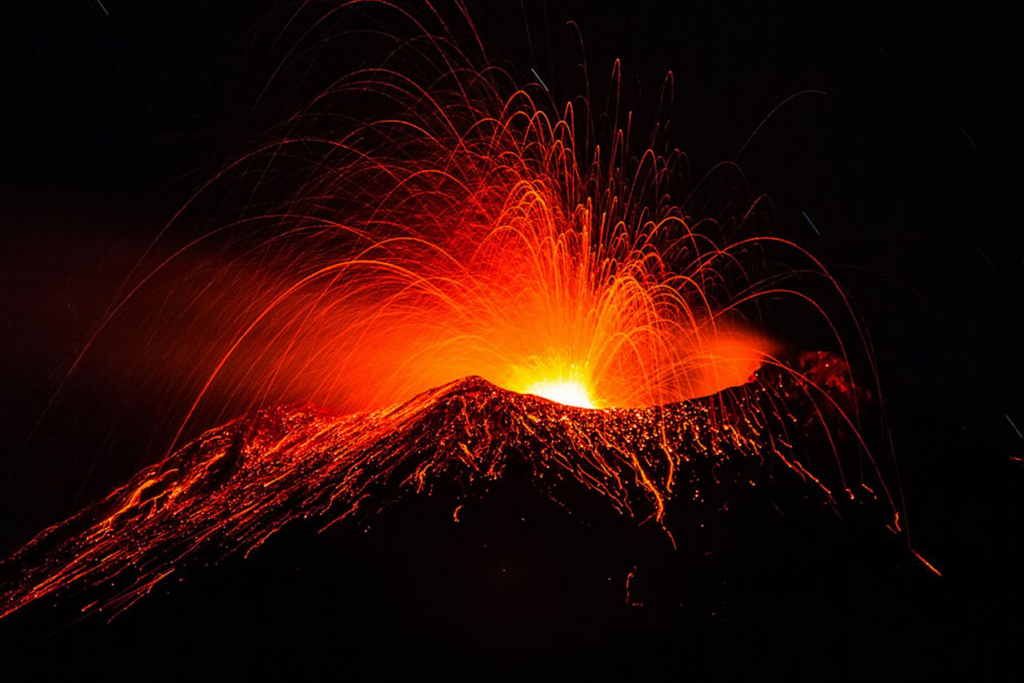
Etna Volcano erupting is a captivating spectacle that continues to mesmerize locals and tourists alike on the Italian island of Sicily. As lava fountains shoot skyward and ash clouds fill the air, the stunning power of this majestic mountain captures headlines in Sicily volcano news. Recent eruptions have raised concerns, prompting authorities to increase the aviation alert level at nearby Catania Airport, although operations remain unaffected for now. With the National Institute of Geophysics and Volcanology (INGV) reporting vigorous eruptions, including strong explosions and fascinating lava flows, it’s clear that Mount Etna’s volcanic activity is as unpredictable as it is awe-inspiring. For those captivated by nature’s fury, the latest updates on the Mount Etna eruption provide a thrilling glimpse into the heart of one of Europe’s most active volcanoes.
The eruption of Europe’s largest active volcano, commonly referred to as Etna, draws attention from around the globe with its spectacular displays of molten lava and volcanic ash. This natural phenomenon, known for its frequent explosive activity, sparks significant interest among scientists and adventure seekers venturing into the vicinity. As the cinders rain down and lava fountains rise dramatically, the local community remains vigilant, guided by the latest recommendations from civil protection authorities. The increased volcanic activity, which includes remarkable lava flows and ash emissions, has implications for air travel, particularly regarding updates at Catania Airport. News of Etna’s majestic eruptions underscores the ongoing allure and unpredictability of this iconic Sicilian landmark.
Overview of Mount Etna’s Current Eruption
Mount Etna, the iconic stratovolcano located on the east coast of Sicily, is making headlines once more with its latest eruption that began on December 28, 2025. This powerful event has captivated scientists and tourists alike, as ash clouds and impressive lava fountains shoot into the sky. The eruption’s intensity includes notable explosions and a substantial lava flow stretching 1.8 kilometers, demonstrating Etna’s dynamic nature and relentless volcanic activity. The National Institute of Geophysics and Volcanology (INGV) is diligently monitoring the situation, ensuring that any developments are accurately communicated to the public.
Despite the dramatic nature of the eruption, local authorities have confirmed that there is no immediate threat to air travel; operations at Catania Airport are currently unaffected. However, the aviation alert level has been prudently raised to red, the highest tier in the scale for volcanic activity. This alert underscores the potential hazards for air traffic, particularly due to ash fall, which can significantly impact flight safety. Travelers should stay updated on the latest Sicily volcano news to make informed decisions.
Impact of Eruptions on Local Communities
The recent surge in Etna’s volcanic activity has prompted local civil protection agencies to elevate the alert level from green to yellow, signaling important safety precautions for the surrounding communities. Residents and visitors near the volcano are advised to adhere to guidelines issued by local authorities, particularly concerning safety in higher elevations where risks from falling ash and volcanic debris may be greater. As volcanic eruptions can also generate hazardous conditions, community awareness has become essential in mitigating risks associated with nature’s powerful displays.
Moreover, towns like Taormina and Piano Provenzana have witnessed light ash rain, a phenomenon that can disrupt daily activities and pose health risks. Local businesses often benefit from the influx of tourists drawn to the volcano’s eruptions, but there is a fine balance to manage. Engaging with visitors about the need for safety while enjoying the unique natural spectacle is paramount, ensuring that both locals and tourists can safely appreciate the beauty and power of Mount Etna.
The Science Behind Etna’s Eruptions
Mount Etna’s reputation as Europe’s largest active volcano is founded on a complex interplay of geological and environmental factors. The volcano’s frequent eruptions result from the movement of tectonic plates and the magma chamber beneath the surface, where pressure builds up and forces materials outward, resulting in explosive activity. This fascinating geological process not only shapes Etna’s landscape but also continuously alters the ecosystem around it, creating a dynamic environment that supports unique flora and fauna.
Scientists consistently study Etna to better understand volcanic behavior and predict future eruptions. The ongoing geophysical monitoring by institutions like INGV involves sophisticated equipment designed to measure seismic activity, gas emissions, and ground deformation. Such detailed research informs volcanic activity trends, tools that are crucial for hazard assessment and ensuring community safety during eruptions. This scientific vigilance not only enhances public safety but also enriches our understanding of volcanic systems worldwide.
Tourism and Volcanic Activity
Mount Etna’s eruptions attract thousands of tourists each year, drawn by the allure of seeing an active volcano in action. This passion for adventure brings excitement but also necessitates rigorous safety measures. Tour operators and local authorities collaboratively work to create safe viewing experiences while maintaining the safety of their clients. Guided tours often emphasize following regulations and updates from local civil protection agencies to ensure that everyone enjoys the stunning displays of Etna lava fountains responsibly.
In addition to actively monitoring the eruption, local tourism boards capitalize on the influx of visitors by promoting other attractions in the region. Activities such as wine tours, culinary experiences, and cultural excursions are marketed alongside the volcanic adventure, offering a well-rounded experience that highlights the rich heritage of Sicily. As such, the interplay between tourism and volcanic activity showcases how local economies can thrive even amid natural phenomena.
Volcanic Ash and Its Effects on Air Travel
One significant concern during Etna’s active phases is the impact of volcanic ash on air travel. Volcanic ash clouds not only pose serious risks for flight safety due to engine failures but also delay operations. Catania Airport’s alert level has been raised specifically to address potential disruptions caused by ash emissions from the eruption. Authorities remain vigilant, issuing timely updates and alerts for travelers, allowing them to make appropriate travel arrangements.
The aviation industry’s response to eruptions like those of Mount Etna involves implementing safety protocols that can impact broader air traffic networks. Additionally, airports and airlines collaborate closely with meteorological services to receive real-time updates on ash dispersal patterns. It emphasizes the need for preparedness, as every eruption can cause differing levels of disruption, calling for flexible operational strategies to safeguard both travelers and crew.
Monitoring Volcanic Activity: A Continuous Effort
Continuous monitoring of Mount Etna is essential in understanding its eruptive behavior and mitigating risks associated with volcanic eruptions. Utilizing state-of-the-art technology, scientists gather data on seismic activities, gas emissions, and magma movements to predict future eruptions. Instrumentation like seismographs and gas analyzers play a critical role in forming an accurate picture of Etna’s state, enabling researchers to inform local authorities and the public of any changes.
In addition to physical monitoring, public education is a vital part of managing volcanic risks. Local agencies often engage communities through workshops and informational campaigns to enhance understanding of volcanic phenomena. This proactive approach encourages residents to recognize warning signs and follow safety measures, which is crucial during periods of heightened activity on the slopes of Mount Etna.
The Cultural Significance of Mount Etna
Beyond its geological significance, Mount Etna holds a prominent place in Sicilian culture and myth. For centuries, the volcano has inspired countless stories, artwork, and folklore, illustrating its dual nature as both a feared natural force and a source of beauty and life. The interplay between the volcanic landscape and human activity is deeply embedded in the identity of Sicily, making it more than just a geographic feature.
Local traditions and festivals often celebrate the volcano, honoring its spirit and integrating it into various cultural expressions. Events might include fireworks displays that imitate the natural eruptions, which attract tourists seeking to experience Sicilian culture and heritage. Understanding the deep-rooted connections between Mount Etna and the Sicilian people enhances visitors’ insights into the region’s rich history.
Safety Measures During Eruptions
In light of the ongoing eruptive activity from Mount Etna, safety measures are paramount for both residents and visitors. Local authorities have issued warnings and guidance, emphasizing the need for preparedness. People in higher elevations have been especially urged to stay informed about potential danger zones, ash fallout, and other related hazards that can arise suddenly during an eruption.
Public communication channels, including local news and civil protection agencies, provide critical updates on changing conditions. The community’s proactive involvement in following recommendations ensures that everyone remains safe during this awe-inspiring yet dangerous natural event. Residents and tourists are encouraged to respect the volcanic environment and heed safety instructions at all times.
Future of Mount Etna and Research
As one of the most studied volcanoes in the world, Mount Etna continues to be a focal point for researchers seeking to unlock the secrets of volcanic activity. Ongoing studies aim to explore not only the immediate impacts of eruptions but also the long-term implications for the surrounding landscapes and communities. Understanding how Mount Etna interacts with broader ecological systems is vital for enhancing disaster preparedness and fostering resilience.
The future of Etna’s research is illuminated by advancements in technology. Remote sensing and satellite imagery are becoming increasingly valuable in tracking volcanic changes and predicting future eruptions. These innovative tools expand the horizons of volcanology, offering deeper insights that can be shared with both the scientific community and the general public, creating a well-informed society ready to face the challenges posed by this magnificent yet volatile mountain.
Frequently Asked Questions
What is currently happening with the Etna Volcano erupting near Catania?
As of December 28, 2025, Mount Etna is actively erupting with significant lava fountains and ash emissions. The eruptions feature towering lava fountains at the summit craters and a continuous ash plume, attracting attention for its volcanic activity.
Is Catania Airport affected by the ongoing Mount Etna eruption?
Currently, the eruption of Mount Etna has raised the aviation alert level to red, the highest on a four-tier scale. However, operations at Catania Airport are not impacted by the Etna volcanic activity as of now.
What safety measures are being taken due to the Etna volcanic activity?
Following the recent eruptions of Mount Etna, civil protection authorities have raised the alert level from green to yellow, indicating a need for precaution. Hikers in elevated areas are advised to take risk reduction measures and stay informed about the situation.
How high are the lava fountains from the Etna eruption?
During the recent eruptions of Mount Etna, lava fountains have been reported to reach several dozen meters high, showcasing the impressive volcanic activity from the summit craters.
What should tourists know about visiting during the Etna volcano eruptions?
Tourists visiting during the Mount Etna eruptions should monitor local officials’ updates and heed safety advisories. The public is urged to stay informed about potential hazards due to the volcanic activity and ensure they follow the guidance of local civil protection authorities.
Where has ash from the Etna eruption been reported?
Light ash rain from the ongoing Etna volcano eruption has been reported in the coastal town of Taormina and at Piano Provenzana, a popular ski resort area affected by the volcanic activity.
What is the latest eruption activity reported by INGV near Mount Etna?
The National Institute of Geophysics and Volcanology (INGV) reported strong explosions, continuous lava flows, and high ash emissions associated with the current Etna volcanic activity, specifically from the northeast crater and Bocca Nuova.
| Key Point | Details |
|---|---|
| Eruption Activity | Mount Etna is currently erupting with lava fountains and ash. |
| Impact on Airport | Operations at Catania Airport remain unaffected despite the raised aviation alert level. |
| Alert Levels | Civil protection agency raised alert level from green to yellow, indicating preliminary warning. |
| Lava Flow | A lava flow approximately 1.8 kilometers long is moving eastward. |
| Volcanic Features | Eruptions produce lava fountains several dozen meters high and continuous ash emissions. |
| Tourist Attractions | Etna attracts numerous tourists; constant eruptions lead to changing volcanic features. |
| Monitoring | INGV continuously monitors Etna for eruption activity due to its frequent eruptions. |
| Local Hazards | Hikers advised to follow local authorities’ guidelines for safety in higher elevations. |
Summary
Etna Volcano erupting has once again showcased the dynamic nature of this powerful geological feature. On December 28, 2025, Mount Etna produced spectacular lava fountains and ash emissions. Despite these eruptions, authorities ensured that local aviation operations remain safe, while urging the public to heed caution especially hikers. With its towering eruptions and extensive monitoring by experts, Etna continues to be a fascination for scientists and tourists alike.

