
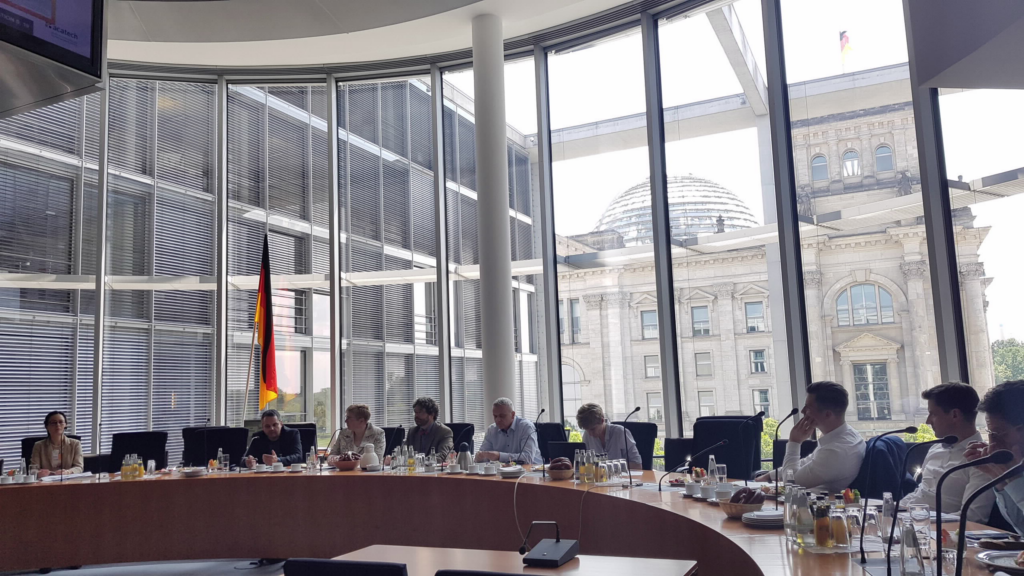
The security situation in the Bundestag has become a pressing concern, as highlighted by Julia Klöckner’s recent security speech. With alarming assertions about significant security gaps in Parliament, Klöckner indicates that certain individuals employed by members of parliament pose a potential threat. The political climate is further complicated by what she describes as an unprecedented “bloc formation” and an increasingly reckless tone within the legislature. This disconcerting environment not only endangers political safety but also diminishes public trust in democracy. Klöckner’s call for Bundestag reforms underscores the necessity for a thorough examination of the current security policy to protect the integrity of parliamentary democracy and safeguard its constituents.
The current state of safety within the German parliamentary system, as articulated by key political figures, has raised serious questions regarding protection protocols in the Bundestag. Concerns have been voiced about critical vulnerabilities and how the employment of certain staff can pose risks to the legislative body itself. The sentiment of disorder among lawmakers contributes to an environment where stable governance seems increasingly precarious. As discussions around political accountability and security enhancements unfold, the need for robust reforms becomes ever more evident. Addressing these issues is essential not only for the protection of democratic institutions but also for restoring the faith of the public in the political process.
Understanding the Current Security Situation in the Bundestag
The current security situation in the Bundestag has become a pressing issue, as highlighted by Julia Klöckner’s recent speech. In her address, she outlined significant security gaps that threaten the integrity of Parliament. The concerns raised are not merely about physical safety but also delve into the psychological safety of politicians, staffers, and, by extension, the citizens they represent. With increasing tensions and heightened political discord, Klöckner emphasizes the urgent need to reassess security measures to safeguard parliamentary functions.
Moreover, Klöckner’s comments shed light on the complex landscape of political safety within the Bundestag. Her warnings regarding the employment of individuals deemed a “threat” bring into sharp focus the need for thorough background checks and regulated hiring practices within the political sphere. As trust in democracy wavers, ensuring a secure working environment is paramount to uphold the principles of a stable and functioning parliamentary system.
Political Safety: A Top Priority in Parliamentary Reforms
Political safety has emerged as a fundamental aspect of ongoing reforms within the Bundestag. Julia Klöckner’s remarks regarding the alarming state of security underscore the necessity for legislative changes to protect the democratic process. Reforming security protocols not only addresses safety concerns but also aims to restore public confidence in elected officials and their ability to govern effectively. The formulation of a more secure and transparent hiring policy is essential for maintaining the integrity of Parliament.
Addressing these issues head-on is vital for the Bundestag’s reputation as a bastion of democracy. By prioritizing political safety, lawmakers can work towards closing existing security gaps and enhancing overall operational effectiveness. This proactive approach will help reinforce citizens’ trust in their representatives, ensuring that parliamentary democracy remains resilient amidst growing challenges. Klöckner’s call for reforms resonates with the public demand for accountability and transparency in governance.
Julia Klöckner’s Call for Reforms in Bundestag Security Policies
In her impactful speech, Julia Klöckner advocated for responsible reforms within the Bundestag’s security policies. Her identification of significant security gaps highlights the urgent need for legislative action to address not just the symptoms, but the root causes of threats facing Parliament. Klöckner’s concern about employing individuals with a potential for causing harm illustrates the critical intersections between political employment practices and the safety of parliamentary operations.
The necessity for reforms is underscored by the complex dynamics of public trust. Citizens expect their elected officials to not only represent their interests but to do so in an environment free from threats. Klöckner’s assertion that taxpayer money should not support those undermining parliamentary safety calls for meticulous review processes that ensure only trustworthy individuals serve in Parliament. These reforms will be pivotal in rebuilding the public’s confidence in the democratic system.
Addressing Security Gaps in the Bundestag
The identification of security gaps in the Bundestag, as presented by Klöckner, emphasizes a critical component of parliamentary reforms. These gaps not only threaten the functionality of political discourse but also endanger the safety of elected officials and their staff. Addressing such issues requires a comprehensive understanding of the current political climate and the various factors contributing to these security vulnerabilities.
Furthermore, the response to security gaps must transcend mere policy changes. It involves fostering a culture of vigilance and accountability within Parliament. By implementing rigorous security checks and transparent processes for staffing, the Bundestag can mitigate risks and foster an environment where politicians feel safe to pursue their duties. Ensuring safety within the Parliament is crucial for upholding the values of democratic governance and trust.
Strengthening Trust in Democracy Through Enhanced Security
Trust in democracy is foundational for a healthy political system, and the current security challenges faced by the Bundestag are a significant threat to that trust. Klöckner’s emphasis on reforming security policies is not just about protecting parliamentarians, but also about reassuring the public that their democratic institutions are secure. A proactive approach to enhancing security measures can help in restoring faith in the electoral process and governance.
By addressing security threats and fortifying safety protocols, the Bundestag can work towards reinstating the public’s confidence in their democratic representatives. Strengthened trust will enable citizens to engage more actively in the political process, fostering a collaborative relationship between the electorate and their leaders. The significance of this relationship cannot be understated as it forms the bedrock of a resilient democracy.
The Political Implications of Security Challenges
The political implications of the security challenges currently facing the Bundestag extend beyond mere safety concerns. As Klöckner pointed out, the presence of individuals classified as a threat can lead to an erosion of parliamentary efficacy, particularly as political tensions rise. This precarious situation not only impedes productive dialogue but also creates a hostile environment that can detract from the essential responsibilities of governing.
The unintended consequences of these security challenges can also jeopardize the overall trust in democratic institutions. If lawmakers and staff do not feel secure, their ability to perform effectively and represent their constituents may be undermined. Thus, addressing these issues is imperative for nurturing a political climate where collaboration and constructive discourse can flourish.
The Role of Reform in Securing Parliamentary Democracy
Reform plays a pivotal role in securing parliamentary democracy as highlighted by Klöckner’s alarming address on security gaps in the Bundestag. The urgency for reformative action reflects the necessity to adapt to evolving threats that challenge not only the physical integrity of Parliament but also the health of democratic processes. Implementing strategic reforms can significantly bolster the security framework governing parliamentary operations.
The overarching goal of such reforms is to cultivate a robust democracy where citizens feel confident that their representatives are safe and free to conduct their duties without fear. Restoring trust in democratic institutions is essential, and Klöckner’s advocacy for secure practices is a step towards ensuring that Parliament functions effectively under secure conditions.
Equipping the Bundestag with Enhanced Security Measures
Equipping the Bundestag with enhanced security measures is a vital component outlined by Julia Klöckner. Modern threats require a reassessment of existing security protocols to ensure that they can effectively respond to new challenges. By integrating advanced security technology alongside comprehensive training for staff on identifying potential threats, the Bundestag can better protect its members and maintain order.
Furthermore, establishing a proactive security culture within the Bundestag will empower all personnel to take part in the safety of the institution. Creating avenues for reporting concerns and establishing swift response protocols can significantly mitigate potential risks. Such collective responsibility not only enhances safety but also fosters an atmosphere of vigilance that is crucial in preserving the sanctity of democratic practices.
The Future of Security Protocols in the Bundestag
The future of security protocols in the Bundestag looks to be shaped by the alarming revelations presented by Klöckner regarding existing security gaps. As the political landscape continues to evolve, so too must the strategies for ensuring safety in Parliament. The need for flexible and adaptive security measures that can evolve with emerging threats cannot be overstated; more robust protocols are necessary to mitigate risks.
Implementing forward-thinking security frameworks will ensure that Parliament is prepared to handle a variety of threats, fostering a safe environment for political discourse. The transformation of security protocols not only aims to protect those within the walls of Parliament but also seeks to reassure the public about the integrity and safety of their democratic institutions. This proactive stance is essential in preserving the trust and function of parliamentary democracy.
Frequently Asked Questions
What are the main security gaps in Parliament highlighted by Julia Klöckner regarding the Bundestag security situation?
In her speech, Julia Klöckner raises concerns about significant security gaps in the Bundestag, particularly emphasizing the risks associated with employing individuals by members of parliament who may pose a threat. This alarming situation underscores the need for immediate reforms to enhance the overall security framework within Parliament.
How does Julia Klöckner’s security speech address political safety in the Bundestag?
Julia Klöckner’s security speech focuses on political safety in the Bundestag by emphasizing the need to address the dangers stemming from certain employment relationships that can undermine trust in democracy. She calls for reforms to ensure that adequate measures are implemented to protect both parliamentarians and the public.
What reforms does Julia Klöckner suggest for improving the Bundestag security situation?
Klöckner proposes comprehensive reforms to the security policy framework within the Bundestag. These reforms aim to close security gaps, enhance screening processes for individuals employed by members of parliament, and ultimately reinforce trust in democracy by ensuring a safer working environment.
How does the current Bundestag security situation affect trust in democracy?
The current security situation in the Bundestag, as highlighted by Klöckner, poses a threat to public trust in democracy. By addressing security gaps and the employment of potentially dangerous individuals, necessary reforms can help restore confidence among citizens that their parliamentary system is secure and trustworthy.
What implications does the ‘bloc formation’ discussed by Klöckner have on the security situation in the Bundestag?
Julia Klöckner points out that the unprecedented ‘bloc formation’ in Parliament contributes to a complicated security situation, as it can lead to an uninhibited political tone. This environment could exacerbate existing security gaps, making it crucial to address these challenges to maintain a safe legislative process.
Why does Julia Klöckner refer to certain individuals as ‘arsonists’ in the context of Bundestag security?
In her speech, Klöckner uses the term ‘arsonists’ to describe individuals who pose a threat to parliamentary security, suggesting that their presence and actions contribute to the destabilization of political safety in the Bundestag. This metaphor underscores her call for reform in the security situation.
| Key Points |
|---|
| Julia Klöckner (CDU) addresses the Bundestag’s security situation, highlighting alarming security gaps. |
| Employment of individuals posing a threat by members of parliament is a significant concern. |
| There is an unprecedented ‘bloc formation’ and an ‘uninhibited’ tone in Parliament complicating operations. |
| Klöckner calls for attention to the dangers posed by existing employment relationships. |
| Funding of those termed ‘arsonists’ with taxpayer money is deemed unacceptable. |
| Reforming security policy in the Bundestag is necessary to strengthen public trust in democracy. |
Summary
The Bundestag security situation is currently under significant scrutiny following concerns raised by Julia Klöckner. She emphasizes the critical security gaps present within Parliament, especially relating to the employment of individuals that could pose threats. Klöckner’s statements reflect a growing urgency for reform in the Bundestag’s security policy framework, aimed at preserving and improving citizens’ trust in their parliamentary democracy.

