
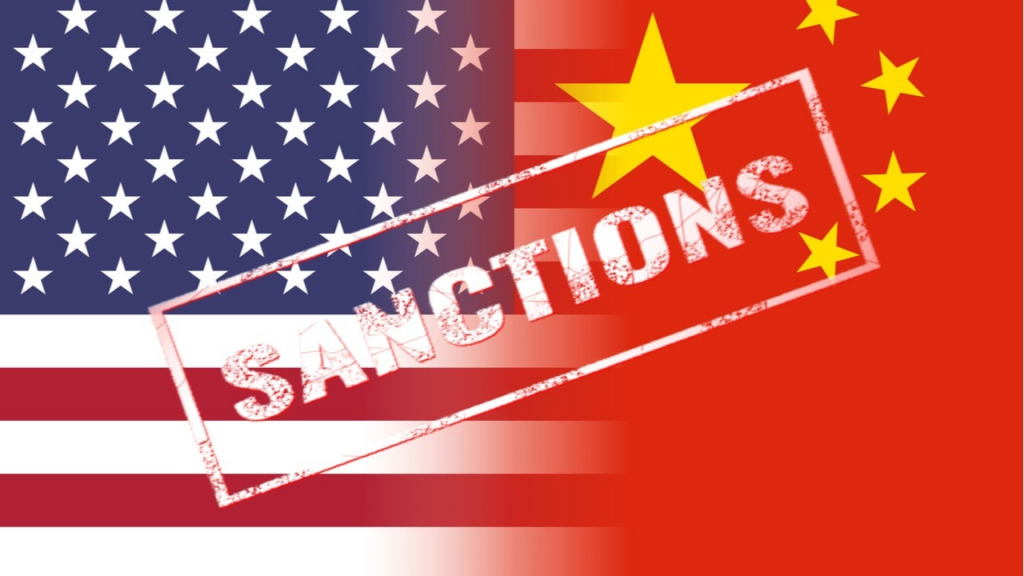
In a significant diplomatic escalation, China has imposed sanctions on U.S. arms companies, marking a notable response to Washington’s announcement of a substantial $10 billion arms sale to Taiwan. This controversial deal threatens to reshape US-China relations, as it includes advanced military hardware like medium-range missiles and drones. Affected firms such as Northrop Grumman and Boeing now face asset freezes and business prohibitions in China, reflecting Beijing’s fierce stance against foreign arms sales to Taiwan. The sanctions target 20 U.S. companies tied to the defense industry, underscoring China’s determination to protect its territorial claims over Taiwan. With tensions escalating, the impact of these sanctions on both the arms sales landscape and international relations remains to be seen, as Beijing makes its position unequivocally clear.
In recent developments, Beijing has taken action against American defense manufacturers, implementing sanctions that aim to deter U.S. involvement in arms deals with Taiwan. This move comes in direct opposition to the planned sale of military equipment, which includes high-tech drones and artillery, highlighting the fragile state of US-China relations. As tensions rise, the focus intensifies on how these sanctions will influence the landscape of global arms sales and regional security in East Asia. With serious implications for bilateral trade and defense partnerships, analysts are closely monitoring this situation as it unfolds. The geopolitical chess game continues, with both sides poised as they navigate through this contentious issue.
China Sanctions US Arms Companies: A Strategic Response
In a significant geopolitical maneuver, China has enacted sanctions against 20 U.S. companies linked to the arms industry in retaliation for the proposed $10 billion arms sale to Taiwan by the United States. This move underscores the sensitive nature of U.S.-China relations, particularly regarding military support for Taiwan, which China considers a breakaway province. Among the affected companies are prominent names like Northrop Grumman, L3Harris Maritime Services, and Boeing, all of which have deep ties to defense contracts and military technology.
The sanctions imposed by Beijing are multifaceted, involving the freezing of the companies’ assets within China and a prohibition on local business interactions with these firms. This new development serves as a stark warning to the U.S. regarding the repercussions of its arms sales to Taiwan. The Chinese government has consistently expressed that any military support for Taiwan crosses a red line, reflecting their determination to assert influence over Taiwan’s sovereignty.
The Implications of Beijing’s Sanctions on US Companies
Beijing’s decision to impose sanctions carries significant implications not only for the affected U.S. companies but also for the broader landscape of international business and diplomacy. Many U.S. defense contractors heavily rely on international markets, and sanctions from one of the world’s largest economies can disrupt existing contracts and future opportunities. This move could strain relationships within the defense sector and could deter companies from engaging in dealings that may provoke further retaliatory actions from China.
Furthermore, the sanctions against ten U.S. executives, including figures like Palmer Luckey from Anduril Industries, exemplify the personal stakes involved in this geopolitical conflict. These individuals now face restrictions that hinder their professional activities in China, illustrating how intertwined business and politics have become in the current global climate. Such measures could result in a chilling effect on U.S. investments in China, particularly within sensitive sectors like technology and defense.
Understanding the Taiwan Arms Deal and Its Global Impact
The controversial arms deal to Taiwan, which includes advanced weaponry such as medium-range missiles and drones, has sparked heightened tensions between the U.S. and China. If approved, this would mark the largest arms sale to Taiwan in history, possibly altering the regional balance of power. From Beijing’s perspective, any move to bolster Taiwan’s defenses is seen as a direct challenge to its claim over the island, triggering a robust military response and ongoing military exercises around the Taiwan Strait.
The arms sales reflect the United States’ commitment to supporting Taiwan’s defense capabilities amidst growing military pressures from China. This dynamic is pivotal in understanding modern U.S.-China relations and highlights America’s strategic interests in ensuring Taiwan’s security in the face of Chinese assertiveness. As such, international observers will closely monitor the implications of this deal on not only U.S.-China ties but also broader security dynamics in the Asia-Pacific region.
The Role of LSI Keywords in Analyzing Sanction Effects
In analyzing the impact of China sanctions on U.S. arms companies, it becomes essential to incorporate relevant terms that enrich our understanding of the situation. Keywords such as ‘China arms sales’, ‘Taiwan arms deal’, and ‘US companies sanctions’ help frame the conversation around the issues of military sales, economic retaliation, and international relations. These terms provide insight into the broader narrative of U.S.-China relations, shaping public discourse and influencing policy decisions.
Using LSI keywords in discussions about sanctions offers a deeper context for the complexities surrounding military exports and geopolitical strategies. For instance, relating ‘Beijing sanctions’ to the ‘Taiwan issue’ elucidates how localized conflicts can have cascading effects on global diplomatic ties. As such, the interplay of these terms not only aids in SEO optimization but also enriches the dialogue surrounding arms deals, sanctions, and their ramifications on international affairs.
Exploring US-China Relations Post-Arm Sale Announcement
The announcement of the U.S. arms sale to Taiwan has prompted many to reevaluate the current state of U.S.-China relations. Historically, these ties have been marked by cooperation in certain areas, such as trade, while simultaneously characterized by friction due to disagreements over Taiwan, human rights, and military expansionism in the South China Sea. The recent sanctions move by China is a stark reminder of how quickly relations can sour, especially in light of security concerns surrounding Taiwan.
As the U.S. seeks to reinforce its commitment to Taiwan amid growing tensions, the trajectory of U.S.-China relations may become increasingly adversarial. Analysts predict that continued arms dealings will provoke further sanctions and retaliatory measures from Beijing, leading to a protracted standoff that could have significant implications for regional security and stability. Understanding these dynamics is crucial for policymakers and stakeholders aiming to navigate the challenging waters of international diplomacy.
Beijing’s Military Posturing Around Taiwan
In response to perceived threats from arms sales to Taiwan, China has ramped up its military activities around the island. The Chinese military regularly conducts exercises designed to showcase its power and preparedness, signaling to both Taiwan and the United States that Beijing remains serious about its claims over Taiwan. This military posturing is not just for domestic consumption; it serves as a message to the international community about China’s resolve to protect its territorial interests.
These actions are part of a broader strategy to intimidate Taiwan and deter U.S. support, highlighting the high stakes involved in the Taiwan arms deal. As tensions rise, the potential for miscalculations increases, requiring vigilant diplomatic engagement from all parties involved. China’s increasing military presence in the Strait raises concerns among regional allies and necessitates a reassessment of defense strategies by countries such as Japan, South Korea, and Australia.
Understanding the Economic Consequences of the Sanctions
The economic ramifications of China’s sanctions on U.S. arms companies extend beyond immediate financial impacts. These bans disrupt the supply chains and operational capacities of defense firms that rely on access to the Chinese market. As a substantial player in the global economy, China represents lucrative opportunities for U.S. firms that may now have to rethink their strategic interests and relationships in the Asia-Pacific region amidst increasing geopolitical risks.
Moreover, this conflict could lead to a decline in U.S. competitiveness in the global arms market as buyers in the Asia-Pacific may look for alternatives to American defense contractors. Sanctions such as these challenge the long-standing monopoly that U.S. firms held in certain sectors, paving the way for Russian, European, and emerging markets to fill the vacuum left by any diminished American presence. The unfolding scenario prompts urgent discussions about resilience in supply chains and the necessity for diversified partnerships.
The International Community’s Response to China Sanctions
The international community is closely monitoring China’s sanctions placed on U.S. arms companies, with many nations keenly aware of the potential ramifications for regional stability and international arms sales. While some countries may quietly support China’s stance, fearing a potential escalation of tensions in their regions, others may openly criticize these sanctions as impediments to fair trading practices. This divergence in responses reflects varying levels of dependence on U.S. military support and the political pressures each country faces.
Additionally, the response from allies of the U.S. could play a crucial role in shaping how this situation evolves. Nations like Japan, Australia, and other Southeast Asian countries might strengthen their military ties to the United States in the wake of these sanctions, reinforcing the sentiment that cooperation among allies is essential in countering China’s assertive posture. The evolving geopolitical landscape and the reactions from the global community will be pivotal in determining how U.S.-China relations and regional security dynamics unfold.
Future Outlook for US-China Relations and Arms Sales
The future of U.S.-China relations amid the ongoing tensions surrounding arms sales to Taiwan is fraught with uncertainty. Both nations are at a critical juncture where diplomatic engagements and confrontations will shape the geopolitical framework in the Asia-Pacific region. As the U.S. contemplates further arms transactions and China continues its military posturing, there is a pressing need for careful navigation to avoid potential conflict that could have far-reaching consequences.
In summary, the situation surrounding the Taiwan arms deals and subsequent sanctions has set a precedent that may dictate future interactions between the U.S. and China. The international community will be watching closely as both superpowers maneuver to safeguard their interests while attempting to manage regional stability. Future dialogues will likely focus on finding a balance that addresses security concerns without exacerbating tensions, a task that will require astute diplomatic strategies and sustained engagement.
Frequently Asked Questions
What are the implications of China’s sanctions on US arms companies?
China’s sanctions on US arms companies, including major firms such as Northrop Grumman and Boeing, serve as a significant warning against US arms sales to Taiwan. These sanctions include freezing the companies’ assets in China and prohibiting individuals from doing business with them, which impacts US-China relations and global arms trade dynamics.
How did the US arms sale to Taiwan lead to China’s sanctions on American companies?
The US announced a substantial $10 billion arms sale to Taiwan, which prompted China to impose sanctions on 20 US companies linked to the arms industry. Beijing perceives these arms sales as a direct threat to its sovereignty over Taiwan, leading to retaliatory measures including extensive sanctions.
Which US companies are affected by China’s recent sanctions related to arms sales?
China’s recent sanctions target 20 US companies involved in arms sales, notably including Northrop Grumman, L3Harris Maritime Services, and Boeing. These sanctions aim to disrupt their operations within China and signal China’s disapproval of US arms deals with Taiwan.
What types of arms are included in the US-Taiwan arms deal that triggered China’s sanctions?
The US arms package to Taiwan includes advanced weaponry like medium-range missiles, howitzers, and drones. This proposed arms deal represents the largest of its kind to Taiwan, straining US-China relations and prompting Beijing to impose sanctions.
How does China justify its sanctions on US companies concerning Taiwan arms sales?
China justifies its sanctions on US companies by claiming that the arms sales to Taiwan threaten its sovereignty and territorial integrity. The Chinese Foreign Ministry emphasized that Taiwan is a core interest and any arms transactions will be met with firm retaliation, including sanctions.
What is the current state of US-China relations amid the Taiwan arms deal?
US-China relations are currently tense following the announcement of a significant arms deal to Taiwan. China’s sanctions on US arms companies reflect ongoing disputes over Taiwan, with each country remaining resolute in its stance, potentially complicating future diplomatic interactions.
What consequences do US executives face due to China’s sanctions linked to arms deals?
Under China’s sanctions related to arms deals, ten US executives, including notable figures like Palmer Luckey of Anduril Industries, are prohibited from entering China and conducting business within the country. This impacts their companies’ international operations and dealings.
Why does China view US arms sales to Taiwan as a critical issue?
China views US arms sales to Taiwan as a critical issue because it sees Taiwan as an integral part of its territory. Beijing’s stance reflects deep-seated national interests, leading it to respond strongly to any perceived threats through sanctions and increased military activities.
What measures are included in China’s sanctions against US arms companies?
China’s sanctions against US arms companies include freezing the companies’ assets located in China and banning business dealings with affected individuals and organizations. These measures are part of China’s broader strategy to counter US military support for Taiwan.
How do China’s sanctions impact the global arms industry?
China’s sanctions on US arms companies could significantly impact the global arms industry by creating uncertainties for firms engaged in international defense contracts, potentially altering supply chains and influencing military partnerships globally.
| Key Point | Details |
|---|---|
| Sanctions Imposed | China sanctioned 20 U.S. companies in reaction to U.S. arms sales to Taiwan. |
| Reason for Sanctions | The sanctions are a response to a proposed $10 billion arms sale by the U.S. to Taiwan. |
| Arms Package Details | The proposed arms package includes missiles, howitzers, and drones. |
| Affected Companies | Major companies affected include Northrop Grumman, L3Harris, and Boeing. |
| Nature of Sanctions | The sanctions freeze assets of the companies in China and ban U.S. individuals from business with them. |
| Executives Sanctioned | Ten U.S. executives, including Palmer Luckey, have been sanctioned. |
| China’s Stance on Taiwan | China sees Taiwan as part of its territory and opposes any arms sales to it. |
| Military Activity | China has increased military exercises around Taiwan in response to U.S. actions. |
Summary
China sanctions U.S. arms companies as a strategic response to the American defense industry’s activities concerning Taiwan, marking a significant escalation in U.S.-China tensions. These sanctions underscore China’s firm stance on Taiwan, highlighting the critical nature of the Taiwan issue in their foreign policy. The arms sale threatens to further strain relations between the nations, as both sides exhibit military posturing amid heightened geopolitical rivalry.

