
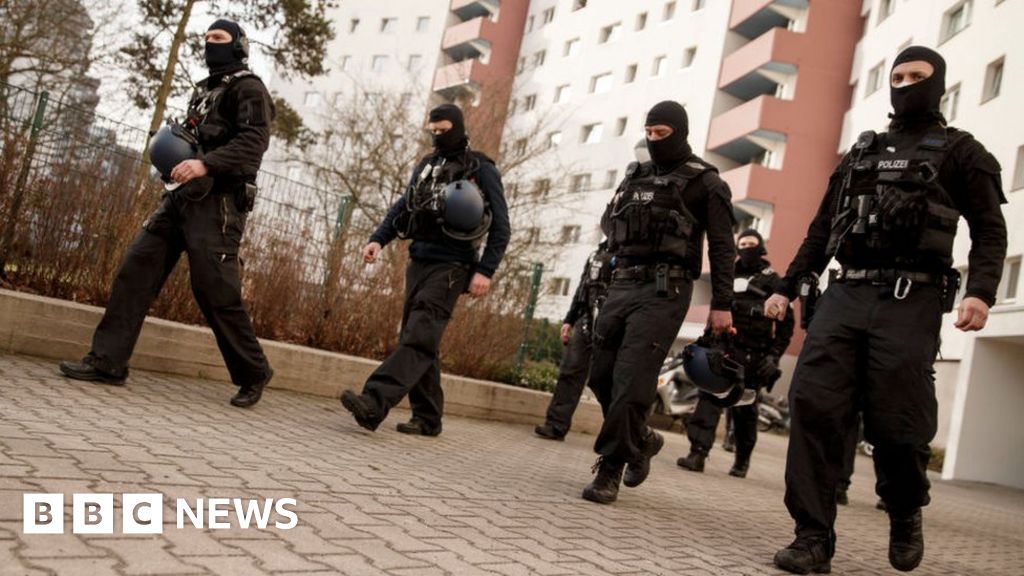
Recent developments in the realm of counter-terrorism have led to significant Hamas financing arrests in Italy, shedding light on a complex network of financial support for the terrorist organization. Italian authorities have apprehended seven individuals across the country, allegedly linked to a Genoa-based club that funneled millions of euros intended for humanitarian purposes directly to Hamas. This investigation reveals not only a frightening aspect of terrorism financing in Italy but also the challenges law enforcement faces as they work to dismantle such operations. The alleged suspects are accused of disguising their contributions as charitable donations, ultimately supporting violence rather than aiding those in need. With these arrests, Italy demonstrates its commitment to combating terrorism financing and ensures the safety and security of its citizens through robust counter-terrorism measures.
In a notable turn of events, Italian law enforcement has made significant strides in tackling the funding channels of Hamas-related activities. Authorities recently executed a series of arrests that dismantled a financial network purportedly designed to channel resources to Hamas, a critical concern given the recent escalations in the region. This action underscores Italy’s proactive approach to controlling terrorism financing and emphasizes the intricate web that supports extremist organizations. Investigations have unveiled attempts to collect donations under the guise of humanitarian aid, revealing a troubling intersection between charitable efforts and terrorist funding. The crackdown in Italy signals an aggressive stance against the troubling reality of how seemingly benign activities can mask deeper issues of terrorism financing.
The Impact of Hamas Financing Arrests in Italy
The recent arrests in Italy related to Hamas financing have sent shockwaves through both national and international communities. These operations highlight not only the active role of Italian authorities in combatting terrorism financing but also underline the global nature of terrorist networks. In Genoa, a local club is reportedly at the center of this controversy, illustrating how grassroots organizations can sometimes be co-opted to funnel significant financial resources into terror operations. This case is particularly pressing, given that around seven million euros were allegedly funneled to Hamas, significantly impacting the group’s operational capabilities.
Beyond the immediate arrests, these developments spark a broader conversation about counter-terrorism measures in Italy. As investigations extend across multiple cities, the implications of these actions may redefine how financial support for terrorist organizations is perceived and managed across Europe. Italian authorities’ proactive measures against Hamas financing aim to dismantle these networks before they can cause further harm, signaling to other nations the vital importance of international cooperation in fighting terrorism.
Details of the Hamas Financing Investigation
At the heart of the investigation into Hamas financing in Italy lies a complex network that spans several regions. The Italian police have identified at least nine suspects connected to this Hamas funding operation, with evidence suggesting that these individuals cultivated direct ties to Hamas leadership abroad. The evidence gathered included intercepted communications that revealed not only financial transactions but also deep ideological sympathies toward terrorist activities. This detailed monitoring and collection of data, involving cooperation with international agencies, exemplify the seriousness with which Italy approaches its counter-terrorism commitments.
Furthermore, the investigation has illuminated a troubling trend of fundraising practices utilized by these networks. Reports have indicated that donations solicited during religious events were misappropriated, with only a fraction actually reaching humanitarian causes in Palestine. This manipulation of charity highlights the need for enhanced scrutiny of fundraising activities, especially in areas heavily involved in religious outreach. Italy’s continued focus on dissecting these fraud schemes is crucial in preventing the flow of funds that could potentially support terrorism.
The Role of Genoa in Terror Financing Networks
Genoa has emerged as a significant player in the ongoing investigation into Hamas financing in Italy. The city, known for its rich history and vibrant maritime culture, also serves as a hub for various charitable and religious organizations. Unfortunately, this aspect has made it susceptible to infiltration by organizations like Hamas, which can manipulate legitimate charity work to support nefarious activities. The alleged involvement of a club from Genoa as a conduit for millions of euros earmarked for Hamas brings to light the challenges Italy faces in monitoring and regulating these fundraising entities.
The allegations surrounding the club’s chairman underscore the need for rigorous oversight and accountability in both local charities and broader fundraising efforts. His purported communications with Hamas leadership indicate a high level of operational sophistication and intent, warranting close examination by Italian law enforcement. This case serves as a warning to other cities and countries about the potential risks associated with fundraising for humanitarian efforts, highlighting the need for comprehensive counter-terrorism measures to detect and disrupt financing routes utilized by extremist organizations.
Counter-Terrorism Measures Implemented by Italy
Italy has been proactive in its efforts to curtail terrorism financing, employing a variety of counter-terrorism measures designed to identify and dismantle financial networks associated with groups like Hamas. Recent raids carried out across multiple cities illustrate this commitment, revealing a robust strategy that intertwines intelligence gathering and law enforcement coordination. By acting on intel from international partners, such as those from Israel, Italy positions itself as a key player in the global fight against terrorism financing.
Alongside arrests, these measures also include enhancing regulations surrounding charity organizations and scrutinizing financial transactions linked to known terrorist networks. Increased collaboration with financial institutions is critical in tracking unusual activities that may indicate money laundering or the financing of terrorism. As Italy strengthens its legal framework in response to these findings, it sends a clear message that any attempts to support terrorism through financial means will not be tolerated.
Monitoring Financial Transactions to Combat Terrorism
The war against terrorism funding hinges on the effective monitoring of financial transactions, which is why Italian authorities are ramping up their capabilities in this area. By utilizing advanced technologies and data analytics, law enforcement agencies can track suspicious patterns and flows of money, particularly those earmarked for humanitarian assistance that may ultimately benefit groups like Hamas. This vigilance has become increasingly crucial in a world where such networks can operate digitally and on a global scale.
Moreover, the ongoing Hamas financing investigation in Italy serves as a crucial case study for financial institutions globally. Banks and other financial entities are being urged to implement stricter compliance measures to ensure that their systems are not exploited for illicit financing. The incorporation of risk assessment frameworks and real-time transaction monitoring can be pivotal in preventing funds from reaching terrorist organizations, thereby safeguarding national and international security.
International Cooperation in Counter-Terrorism Efforts
The recent Hamas financing arrests in Italy underline the critical nature of international cooperation in counter-terrorism efforts. The investigation has reportedly relied on intelligence shared by international agencies, including information from Israeli authorities. This collaborative approach is essential as terrorism financing often transcends national borders, requiring a mutual effort to identify and neutralize these threats. Austria and France are other nations that have also strengthened their ties with Italy in combatting terror financing, showing a unified front against a common enemy.
As the world grapples with the evolving landscape of terrorism, fostering strong partnerships between nations becomes imperative. Effective communication and intelligence-sharing mechanisms can greatly enhance the ability of countries to preemptively act against financing networks before they can facilitate acts of terror. Italy’s strategic position in the Mediterranean also highlights its role as a crucial ally in creating a robust framework for international counter-terrorism efforts.
The Implications of Hamas Financing on Global Security
The activism surrounding Hamas financing and the recent arrests in Italy have significant implications for global security. Each financial transaction that supports organizations like Hamas not only fuels their operations but also heightens the risk of terrorist activities worldwide. Governments must be cognizant of this interconnectedness and act decisively to prevent the flow of funds that could lead to attacks, thus maintaining global safety and stability.
Moreover, the Italian case highlights the need for countries to reevaluate their policies on terrorism financing. As authorities uncover financial networks connecting various organizations, it is crucial to reassess existing frameworks and implement new strategies aimed at tightening oversight on both domestic and international levels. This ongoing vigilance is paramount to effectively combatting the pervasive threat posed by extremist groups globally.
Future Directions in Countering Terror Financing
As investigations continue into Hamas financing, Italy is likely to rethink its counter-terrorism regulations to adapt to emerging threats. The focus may shift towards enhancing legislative measures that aim to track and block financial transactions that could potentially benefit terrorist organizations. By leveraging technology and intelligence, Italy could pave the way for a more comprehensive and integrated counter-terrorism strategy that not only responds to immediate concerns but also anticipates future challenges.
Engaging the public and the charity sector in these efforts is also critical. Raising awareness about the potential misuse of charitable donations for funding terrorism can empower citizens to make informed decisions and report suspicious activities. Italy’s future directions in countering terror financing will likely emphasize building a coalition among various stakeholders, including law enforcement, regulatory agencies, and community organizations, to work collaboratively in safeguarding against the threats posed by extremist financing.
Community Awareness and Charity Regulations
In light of the recent arrests in Italy concerning Hamas financing, fostering community awareness about charitable contributions has become a pressing need. Many individuals contribute to charities out of goodwill and a genuine desire to help, but the risks of contributions being misallocated underline the importance of transparency. Italian authorities are now advocating for stricter regulations and oversight of fundraising activities to ensure that donations intended for humanitarian efforts are not diverted to support terrorist organizations.
By educating the public on how to identify legitimate charities and promote responsible giving, authorities aim to mitigate the financial supports that terrorists can gain from reputable fundraisers. This conversation about community responsibility is crucial, as a more informed public can act as a formidable first line of defense in countering terrorism financing, creating an environment where transparency and accountability are prioritized.
Frequently Asked Questions
What prompted the Hamas financing arrests in Italy?
The Hamas financing arrests in Italy were prompted by an investigation into a financial network allegedly channeling donations intended for humanitarian aid directly to Hamas. Italian police conducted major raids in ten cities, leading to the arrest of seven individuals suspected of funneling approximately seven million euros to the terrorist organization.
How did the Italian authorities uncover the Hamas financing network?
The Italian authorities uncovered the Hamas financing network through ongoing investigations, which included intelligence from Israeli authorities and covert digital operations. This led to the identification of a club in Genoa that was central to the operation and its chairman’s direct contact with Hamas leadership.
What role did the Genoa club play in the Hamas financing investigation?
The Genoa club played a pivotal role in the Hamas financing investigation as it allegedly served as a conduit for fundraising under the guise of charity. The club’s chairman is accused of coordinating financial support for Hamas, including interactions with its leadership and the collection of donations in mosques.
Who were the suspects involved in the Hamas financing arrests in Italy?
The suspects involved in the Hamas financing arrests in Italy include the chairman of a Genoa club and several individuals who allegedly participated in systematically collecting donations during prayers in Toscana. As of now, seven individuals have been arrested, while two remain abroad.
What are the implications of the arrests on Italy’s counter-terrorism measures?
The arrests related to Hamas financing have significant implications for Italy’s counter-terrorism measures. Foreign Minister Antonio Tajani labeled it an ‘important counter-terrorism measure,’ highlighting Italy’s commitment to combat financial networks that support terrorism and ensure national security.
How does the situation in Italy reflect broader concerns about terrorism financing?
The situation in Italy underscores broader concerns about terrorism financing, particularly regarding organizations like Hamas. Investigations like these reveal the complexities of detecting and disrupting funding routes disguised as charitable donations, which can support violent extremism both locally and internationally.
What were the methods used by perpetrators to fund Hamas in Italy?
Perpetrators funded Hamas in Italy primarily through donations that were allegedly collected during mosque prayers, claimed to be for humanitarian aid but redirected to support Hamas and families of attackers. This method highlights the deceptive fundraising tactics employed by such networks.
Why is the Hamas financing investigation significant for Italy’s security landscape?
The Hamas financing investigation is significant for Italy’s security landscape as it indicates the presence and activity of international terrorist financing networks within the country. It emphasizes the need for robust counter-terrorism efforts and proactive measures to address potential threats arising from such operations.
| Key Point | Details |
|---|---|
| Arrests Made | Seven individuals have been arrested across Italy. |
| Suspects | Nine total warrants were issued. |
| Financial Involvement | Approximately seven million euros channelled to Hamas. |
| Investigation Origin | Triggered by information from Israeli authorities. |
| Operational Tactics | Investigations included digital operations and communications interceptions. |
| Charity Misuse | Donations were falsely claimed to be for humanitarian aid. |
| Public Statement | Italy’s Foreign Minister called it an “important counter-terrorism measure.” |
Summary
Hamas Financing Arrests in Italy highlight a significant crackdown on terrorism financing linked to the group. Recent operations by Italian police have uncovered an intricate network involved in channeling millions in donations disguised as humanitarian aid to Hamas. With seven individuals arrested and two still at large, this case reflects ongoing international efforts to combat terrorism financing and uphold national security. This operation not only addresses immediate financial threats but also underscores the importance of international cooperation in counter-terrorism initiatives.

