
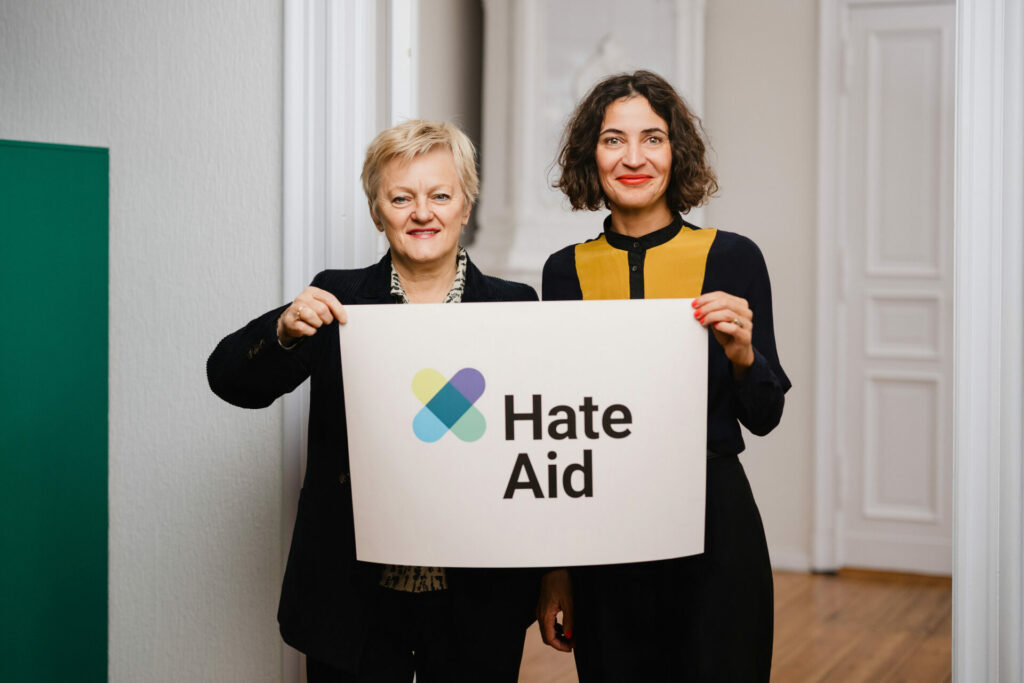
The recent HateAid travel ban has ignited significant controversy, particularly following the abrupt cancellation of Josephine Ballon’s ESTA approval by U.S. authorities. This travel restriction targeting the Berlin-based organization’s female executives has raised eyebrows, as HateAid actively combats online hate advocacy and supports victims of cyber abuse. With the implications of this decision affecting not just Ballon but also co-managing director Anna-Lena von Hodenberg, who lacks a visa to the U.S., concerns grow over potential financial disruptions for the organization. The U.S. government’s rationale centers around alleged censorship on American platforms, positioning HateAid’s mission to uphold digital rights at odds with current U.S. travel policies. Amidst escalating U.S. travel restrictions, opposition voices in Germany have rallied, emphasizing the disdain for actions perceived as silencing dissenters against online hate.
The contentious measures against HateAid, including a pronounced travel ban, reflect broader tensions between digital rights activists and governmental authority. Known for its advocacy against online hate, HateAid’s leaders are facing restrictions that not only inhibit their ability to travel but also potentially affect their operations. This situation illustrates the struggle many organizations encounter when advocating for civil rights within an increasingly complicated global landscape of U.S. travel regulations. As discussions surrounding U.S. restrictions and European digital laws like the EU Digital Services Act gain momentum, the implications for figures such as Josephine Ballon and her team become increasingly pertinent. The intersection of advocacy and censorship continues to spark debate, underscoring the importance of safeguarding freedom of expression in the digital realm.
Understanding the Implications of the HateAid Travel Ban
The recent travel ban imposed by the U.S. government on Josephine Ballon and her colleagues at HateAid highlights significant concerns regarding international relations and freedom of expression. This decision has not only hindered the ability for key figures within the organization to travel but also raises questions about the criteria used for such actions. With the increasing push against online hate advocacy, it’s crucial for organizations like HateAid to navigate these challenges while maintaining their mission to combat discrimination and abuse on digital platforms.
In light of this travel ban, HateAid must now consider alternative strategies for continuing their vital work without direct access to the United States. The refusal of the U.S. administration to recognize the legitimacy of HateAid’s initiatives reflects broader tensions surrounding U.S. travel restrictions, particularly in the wake of advocacy for legislative reforms such as the EU Digital Services Act. Moving forward, it will be essential for HateAid to leverage digital channels and international partnerships to sustain their support for victims of online hate.
Challenges Faced Due to ESTA Approval Cancellation
Josephine Ballon’s ESTA approval cancellation poses several operational challenges for HateAid. Not only does it prevent her from traveling, but it also disrupts the organization’s strategic engagement with U.S. counterparts and financial institutions. The lack of access to American banking systems further complicates financial operations, potentially affecting HateAid’s ability to secure necessary funding and resources. The complexities of U.S. travel restrictions and their impact on foreign organizations demand urgent attention and resolution.
The situation underscores the broader implications of such travel bans on international partnerships. Without access to the U.S. market, HateAid may face obstacles in collaborating with American organizations that share a mutual goal of combating online hate. The cancellation of Ballon’s ESTA approval is indicative of a growing trend where ideological conflict shapes travel policies, which fundamentally undermines the ability of advocacy groups to operate effectively across borders.
The Role of HateAid in Combating Online Hate
HateAid plays a critical role in providing support for individuals facing discrimination and online threats. By offering psychological and legal assistance, HateAid empowers victims in navigating the challenging landscape of digital abuse. The organization’s commitment to fighting online hate is not only crucial for individual well-being but also for the greater societal shift towards accountability on digital platforms. The recent backlash from U.S. authorities doesn’t deter their mission; instead, it accentuates the importance of continued advocacy.
Moreover, the presence of key figures such as Josephine Ballon and Anna-Lena von Hodenberg at the forefront of HateAid’s initiatives showcases the dedication toward creating a safer online environment. Their previous recognition, including von Hodenberg’s Federal Cross of Merit, is a testament to the effectiveness and importance of their work in the realm of online safety. Together, they advocate for comprehensive measures that transcend mere censorship and strive for responsible digital governance.
Political Reactions to Travel Restrictions on HateAid
The political response to the travel bans imposed on HateAid’s leadership has been robust and vocal. German officials, including Foreign Minister Johann Wadephul and Federal Justice Minister Stefanie Hubig, have condemned the actions of the U.S. administration, labeling them as unacceptable. This reaction underscores the diplomatic tensions that arise from such sanctions, reflecting the importance of transatlantic relationships in addressing global challenges like online hate and misinformation.
Furthermore, Marie-Agnes Strack-Zimmermann’s encouragement for HateAid to persevere in their mission despite U.S. sanctions illustrates a united front among European leaders. The ongoing support from the European Parliament emphasizes the significance of combating online hate on a global scale and highlights the need for collaborative efforts that bridge regional divides. This solidarity may eventually contribute to a reevaluation of travel policies that unfairly restrict advocates working towards social change.
The Impact of the EU Digital Services Act on HateAid’s Mission
The EU Digital Services Act represents a significant legislative effort aimed at regulating online platforms and safeguarding user rights. HateAid has positioned itself as a pivotal player in advocating for the enforcement of such laws, emphasizing the need for accountability in combating online hate and misinformation. As the organization navigates its challenges, the EU Digital Services Act provides a framework through which they can advocate for stronger protections against hate speech in the digital realm.
In light of recent sanctions by the U.S. government, HateAid’s expertise and commitment to the enforcement of the EU Digital Services Act are more critical than ever. Their role as a counseling service dedicated to online safety directly aligns with the objectives of the Act, which seeks to create a safer internet experience for all users. The organization’s ongoing advocacy emphasizes the need for international cooperation in addressing online threats and the necessity of robust legislative frameworks to support these efforts.
Exploring the Role of International Advocacy Against Online Hate
International advocacy against online hate is vital as digital platforms continue to grapple with the challenges of misinformation and hate speech across borders. Organizations like HateAid exemplify how localized efforts can resonate on a global scale, fostering discussions that lead to significant policy changes. Their work not only supports victims of online abuse but also paves the way for a more saying global understanding of the need for collective action against digital hate.
Despite facing travel restrictions and political backlash, HateAid remains committed to advocating for user rights and fair digital environments. Their international outreach and partnerships with other organizations underscore the importance of a coordinated response to online threats. By continuing to raise awareness about the negative implications of online hate, especially in light of recent sanctions, HateAid reinforces its stance as a necessary advocate for change on both a national and international level.
Legal Ramifications of Online Hate Advocacy
The legal ramifications surrounding online hate advocacy are complex and ever-evolving. As HateAid navigates U.S. travel restrictions, it is essential to understand the broader legal landscape that governs online interactions. The intersection of law, freedom of speech, and protection against hate speech can create challenging scenarios for advocates working to uphold user rights. HateAid’s role in providing legal support plays a fundamental part in educating victims about their rights and potential legal recourse against injustices.
In conjunction with laws like the EU Digital Services Act, the demand for legal frameworks to address online hate speech continues to grow. HateAid’s advocacy highlights the need for comprehensive legislation that not only curtails harmful speech online but also protects the rights of individuals to express themselves without fear of retribution. The ongoing discussions about legal standards for online platforms are crucial for shaping a future where digital spaces are safe and equitable for all users.
Navigating Financial Challenges Amid Travel Bans
The financial challenges posed by the U.S. travel ban on HateAid’s leadership cannot be overlooked. As the organization evaluates its banking arrangements, the potential for restricted access to accounts and services within the U.S. complicates ongoing projects and funding initiatives. The sudden cancellation of Josephine Ballon’s valid ESTA approval creates uncertainty around the continuity of financial operations, exposing a vulnerability that could impact HateAid’s mission.
Addressing these financial challenges will require innovative solutions and strategic adjustments. HateAid may need to explore alternate methods for funding and resource allocation, ensuring that they remain resilient in the face of adversity. Through partnerships and collaborations, the organization can strengthen its financial standing and continue its advocacy against online hate, reinforcing the urgency of supporting such initiatives in today’s digital landscape.
A Call for Unity in the Fight Against Online Hate
In response to the challenges faced by HateAid, a collective call for unity in the fight against online hate is more crucial than ever. As organizations and governments come together to support advocates like Josephine Ballon and Anna-Lena von Hodenberg, it becomes evident that a united front can lead to substantial change. International collaboration is necessary not only for policy enforcement but also for sharing resources and knowledge in combating the pervasive issue of online hate.
The solidarity demonstrated by various political leaders in Europe showcases the strength of collective action against oppression. By supporting organizations like HateAid, stakeholders can work towards creating a more inclusive digital space that prioritizes the protection of individuals from discrimination and abuse. The call for unity emphasizes the importance of standing together against hate in all its forms, particularly in a global landscape that increasingly reflects tensions related to free expression and online conduct.
Frequently Asked Questions
What is the HateAid travel ban affecting Josephine Ballon and her team?
The HateAid travel ban refers to the recent U.S. restrictions imposed on Josephine Ballon and her co-managing director, Anna-Lena von Hodenberg. U.S. authorities canceled their valid ESTA approvals, preventing them from entering the United States, a measure justified by alleged censorship actions against U.S. online platforms.
How does the HateAid travel ban impact U.S. travel restrictions for other activists?
The HateAid travel ban highlights ongoing U.S. travel restrictions affecting not only its managing directors but also others advocating against online hate. This ban sets a concerning precedent for activists worldwide, especially those involved in enforcing content moderation laws under frameworks like the EU Digital Services Act.
What led to the cancellation of Josephine Ballon’s ESTA approval and the HateAid travel ban?
Josephine Ballon’s ESTA approval was canceled as part of the HateAid travel ban, which U.S. authorities justified by claiming the organization engages in censorship-related activities. Ballon and her colleagues believe this is a repression tactic aimed at discouraging advocacy against online hate and promoting digital rights.
Can the HateAid travel ban affect the organization’s financial transactions in the U.S.?
Yes, the HateAid travel ban could severely impact the organization’s financial transactions in the U.S. Since they do not have bank accounts in the country, there is uncertainty regarding whether credit cards or online accounts managed with U.S. providers will also be restricted.
What has been the reaction in Germany to the HateAid travel ban?
The reaction in Germany to the HateAid travel ban has been one of outrage, with prominent officials like Foreign Minister Johann Wadephul and Federal Justice Minister Stefanie Hubig condemning the actions of the U.S. administration as unacceptable. This highlights the tensions between the U.S. measures and European advocacy for online rights.
How does the EU Digital Services Act relate to the HateAid travel ban?
The EU Digital Services Act aims to regulate online platforms and enhance user safety. Activists like those at HateAid, including Josephine Ballon, believe that their work to support these regulations has contributed to the U.S. decision to impose travel bans, presenting a challenge to the enforcement of digital rights.
What advocacy work does HateAid do that may have led to the travel ban?
HateAid provides psychological and legal support to individuals affected by online hate, discrimination, and threats. Their commitment to defending digital rights and promoting responsible online platforms is seen by some as a challenge to the status quo, potentially leading to actions like the HateAid travel ban.
Are there others affected by the HateAid travel ban alongside Josephine Ballon?
Yes, the HateAid travel ban affects not only Josephine Ballon and Anna-Lena von Hodenberg but also former EU Commissioner Thierry Breton and Clare Melford, managing director of the British Global Disinformation Index, indicating a broader crackdown on those advocating for online freedom and rights.
| Key Point | Details |
|---|---|
| Cancellation of ESTA approval | Josephine Ballon’s ESTA approval was canceled, preventing her from traveling to the U.S. |
| Impact on HateAid operations | HateAid is assessing the effect of the travel ban on their financial transactions and their ability to operate without U.S. banking access. |
| Reason for the ban | U.S. authorities justified the travel ban citing alleged censorship by U.S. online platforms. |
| Recognition of leadership | Anna-Lena von Hodenberg was awarded the Federal Cross of Merit in October for her contributions to HateAid. |
| Response from German officials | German ministers denounced the U.S. travel ban as unacceptable, urging continued advocacy against online hate. |
| HateAid’s commitment | HateAid leaders remain resolute in their advocacy for online rights and reject the notion that their work is censorship. |
| Other affected individuals | The sanctions also impact former EU Commissioner Thierry Breton and Clare Melford from the British Global Disinformation Index. |
Summary
The HateAid travel ban has raised significant concerns regarding the ability of hate crime advocacy organizations to operate globally. The sudden cancellation of Josephine Ballon’s ESTA approval by U.S. authorities not only disrupts HateAid’s operations but also signals a troubling trend of silencing voices that challenge censorship in the digital sphere. As the leaders of HateAid, including Anna-Lena von Hodenberg, continue their crucial work against online hate, they remain undeterred by these sanctions and emphasize the importance of supporting individuals facing online discrimination. This situation highlights the intersection of international law and digital advocacy in today’s socio-political landscape.

