
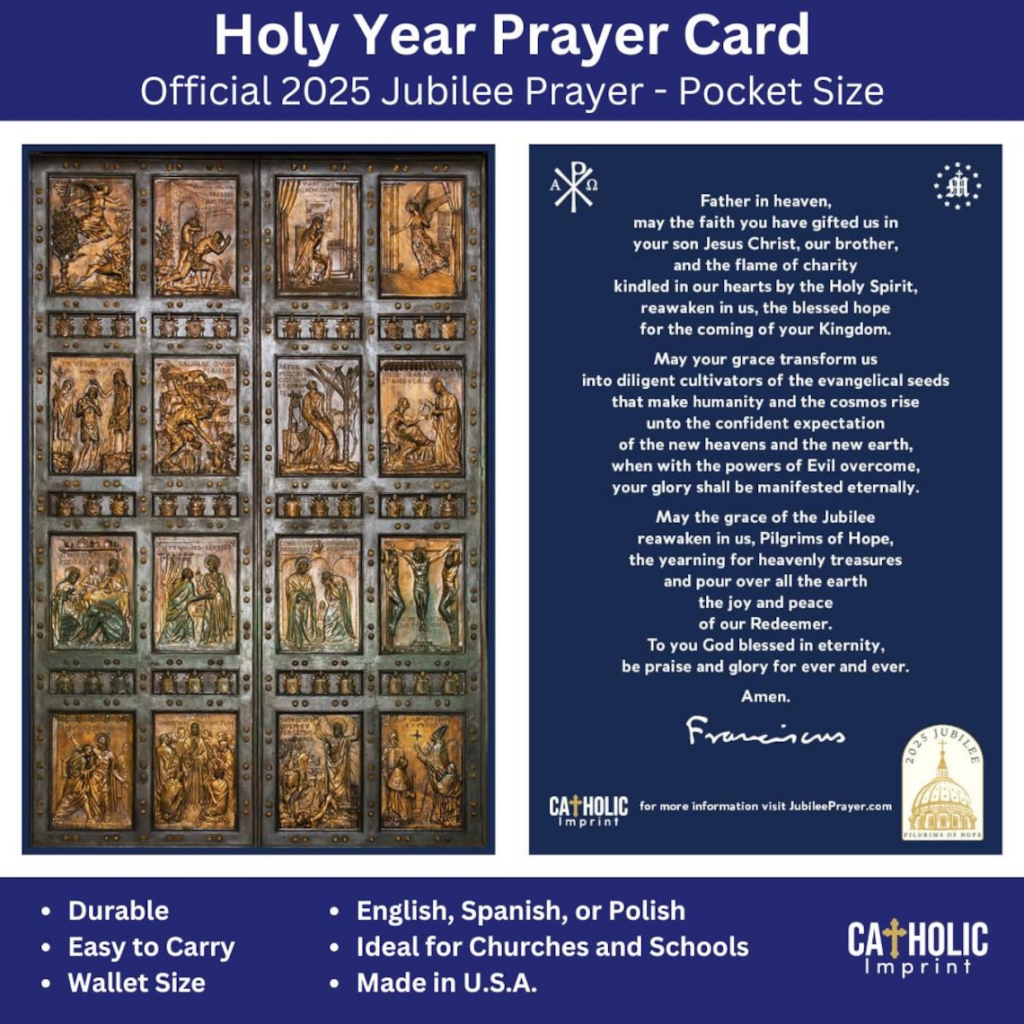
As the Holy Year 2025 draws to a close, the atmosphere in Rome is charged with reverence and reflection. The Holy Doors of the four papal basilicas are ceremoniously closing, marking the end of a significant spiritual journey for millions of pilgrims. With over 20 million visitors having crossed the Holy Doors, many have come to pay their respects at the tomb of Pope Francis, whose legacy continues to inspire faith across the globe. This year, Cardinal Rolandas Makrickas led the quiet yet impactful ceremony at Santa Maria Maggiore, the first basilica to close its Holy Door. As the Catholic Church embraces this sacred moment, the upcoming Holy Year closure ceremony on January 6 promises to be a profound conclusion to a remarkable time of pilgrimage and devotion.
The conclusion of the 2025 Holy Year signifies not just an end, but a continuation of faith and tradition within the Catholic community. Known for its profound cultural and spiritual significance, this year has seen the ceremonial closing of the Holy Doors, revered portals that connect believers to their faith. With each door representing a unique pilgrimage, these sacred entryways at the papal basilicas have welcomed countless worshippers seeking redemption and grace. The deep reverence surrounding Pope Francis’ tomb added another layer of significance to this Holy Year, drawing pilgrims who honored his legacy. As the Church prepares for the Holy Year closure ceremony, reflections on the past year will resonate deeply within the hearts of all attendees.
Significance of the Holy Year 2025
The Holy Year 2025 holds significant importance in the life of the Catholic Church, as it marks a once-in-a-lifetime opportunity for the faithful to receive indulgences and enhance their spiritual journey. This particular Holy Year was designated by the Vatican as a time for reflection, penance, and renewal of faith, inviting millions of pilgrims from around the globe to participate in the special events hosted at the papal basilicas of Rome. The concept of a Holy Year, or Jubilee Year, established by Pope Boniface VIII in the late 13th century, continues to resonate with Catholics, emphasizing moments of grace and the opening of the Holy Doors.
Throughout 2025, the faithful experienced a unique chance to deepen their relationship with God by crossing the Holy Door of the four papal basilicas. These grand entrances serve not just as a physical threshold, but as a spiritual gateway, symbolizing the Church’s call to forgiveness and repentance. The remarkable turnout of over 20 million pilgrims highlights the enduring allure of the Holy Doors during this Holy Year, reaffirming their place in Catholic tradition and demonstrating the profound impact of such spiritual milestones.
Ceremonial Closure of the Holy Doors
As the Holy Year 2025 draws to a close, the ceremonial closure of the Holy Doors ignites a sense of both reflection and reverence within the Catholic community. The initial closing at Santa Maria Maggiore by Cardinal Rolandas Makrickas signifies not only the end of a transformative period for many pilgrims but also a moment of gratitude for the graces received throughout the year. The rituals surrounding the closure underscore the Catholic Church’s emphasis on sacred spaces amidst ongoing global challenges, reminding the faithful of the continuous presence of God in their lives.
In the following days, the Holy Doors at other papal basilicas, namely St. Paul Outside the Walls and Lateran Basilica, will also witness their closures, led by prominent Church officials. Each ceremony will not only mark the end of the Holy Year but also reflect on the powerful testimonies and life-changing experiences of countless pilgrims who sought solace and spiritual enrichment within those sacred walls. The profound meaning behind each closure embodies the Church’s commitment to fostering a sense of community among believers while inviting them to carry the spirit of the Holy Year into their everyday lives.
Pilgrimage to Pope Francis’ Tomb
An essential aspect of the Holy Year 2025 involved the pilgrimage to the tomb of Pope Francis, located within St. Peter’s Basilica. Following his passing on Easter Monday, the tomb became a pilgrimage site for many who wished to honor his legacy and seek intercession. This pilgrimage not only represents a unique moment of mourning but also serves as a reflection of the Pope’s impactful legacy of promoting peace and compassion throughout his papacy. Visitors from various backgrounds flocked to the site, blending different cultures into a shared mission of reverence and hope.
The atmosphere surrounding Pope Francis’ tomb during the Holy Year was filled with an unmistakable sense of pilgrimage. Many arrived with personal intentions, seeking spiritual guidance or healing, while others honored the teachings and love that encapsulated the late Pope’s message. The convergence of faith-filled individuals at this holy site reinforced the Church’s universal bond and the need for compassion in today’s world, driven by the ideals that Pope Francis held so dear throughout his life and ministry.
Upcoming Holy Year Closure Ceremonies
As the final ceremonies for the Holy Year 2025 approach, anticipation builds among the faithful. The upcoming closure of the Holy Doors at the Lateran Basilica and St. Paul Outside the Walls offers yet another reflection point for pilgrims. Led by Cardinal Baldassare Reina and Cardinal James Harvey, respectively, these solemn services will be steeped in tradition, enabling attendees to reminisce about their spiritual journeys over the past year. It serves as an opportunity for the Church to reaffirm its mission of spreading hope and faith.
Attendees at the Holy Year closure ceremonies can expect a deeply moving experience filled with prayers, music, and meditation. The presence of Church leaders, including the Pope’s successor, will lend a precious continuity to the legacy forged by previous papal leaderships, particularly in this crucial year. Communities will come together in gratitude, acknowledging the blessings received and pledging to carry forth the lessons of the Holy Year into the future. Such ceremonies encapsulate the essence of faith, fostering renewed commitments among the faithful as they conclude this chapter and look forward to the next.
Reflections on the Holy Doors of Rome
The Holy Doors of the four papal basilicas in Rome are more than mere architectural features; they are powerful symbols of the grace and forgiveness offered by the Catholic Church. Each time a door is opened or closed, it marks a specific moment in a believer’s spiritual journey. Over the course of Holy Year 2025, these doors welcomed millions, each individual carrying their hopes, prayers, and burdens through the threshold. With the closure of these doors, a reflection on the year’s spiritual significance begins, encouraging the faithful to internalize the lessons learned during their pilgrimage.
As the Holy Doors shut, it prompts believers to consider what it means to live out the teachings rooted in their faith throughout the regular course of life. Each closure serves as a reminder of the ongoing journey of repentance and the continual call to strive for holiness. While the doors remain closed for an extended period, the spiritual renewal experienced during Holy Year 2025 remains with all who visited, encouraging them to remain engaged in their faith community, ready to share their experiences and to help others along their spiritual paths.
The Role of Vatican in Holy Years
The Vatican plays a pivotal role in orchestrating the events surrounding Holy Years, acting as a central hub for spiritual and logistical planning. Through the guidance of the Pope and various Church leaders, the Vatican sets forth a framework that invites participation from around the world. The Holy Year 2025 was marked by significant activities and opportunities to deepen one’s faith, extending beyond mere visits to the Holy Doors. Special services, meditations, and confessions were available throughout the year, allowing millions an opportunity to engage in transformative spiritual practices.
In addition to providing spiritual support, the Vatican ensures that the Holy Year adheres to its traditions while still allowing flexibility for contemporary issues. By addressing the needs of the Church and its followers, the Vatican harmonizes its historical roots with the modern world, fostering a welcoming environment where individuals can experience grace. As we look back at Holy Year 2025, it’s clear that the Vatican’s commitment to spiritual outreach and fervor has contributed significantly to the resurgence of interest in these sacred events.
Legacy of the Past Holy Years
Looking back through the Church’s history, Holy Years have left an indelible mark on Catholic spirituality, shaping the faith of generations. The tradition of Jubilee Years dates back centuries, inviting the faithful into a deeper understanding of their relationship with God. Each previous Holy Year has created unique pathways for pilgrims, intertwining personal faith stories with the greater narrative of the Catholic Church. These legacies inspire contemporary practices and help maintain a strong communal bond among believers.
As Holy Year 2025 concludes, adherents may find themselves reflecting on past experiences during previous Jubilee Years, understanding how their faith and the traditions have evolved. By sharing stories of past Holy Years, believers can continue to inspire future generations, ensuring that the core message of hope and redemption remains vibrant. This rich tapestry of shared experiences enhances the communal aspect of faith, reinforcing the significance of each Holy Year while anticipating the next chance for a spiritual renewal.
The Future of Holy Doors in Catholic Practice
As the Holy Doors are set to remain closed until the next Holy Year, discussions about their future within Catholic practice and tradition are underway. The concept of Holy Doors symbolizes new beginnings and opportunities for reconciliation, so their opening and closing carry profound significance. What will future Holy Years look like? As society changes, so does the Church, ensuring that these ancient traditions resonate with modern disciples and potential pilgrims.
Exploring the future of the Holy Doors, the Church might consider adapting how these sacred spaces engage with the faithful. Utilizing technology, online resources, and community outreach might provide even broader access for those unable to travel to Rome, fostering a global connection to the Church’s teachings. Ultimately, the ongoing dialogue surrounding the Holy Doors embodies the dynamic nature of the Catholic Church and its commitment to meet the needs of the faithful, regardless of when or where they choose to encounter their spiritual journeys.
Frequently Asked Questions
What is the significance of the Holy Year 2025 in the Catholic Church?
The Holy Year 2025 is a special celebration in the Catholic Church, marked by the opening of the Holy Doors at the four papal basilicas in Rome. This event occurs approximately every 25 years and signifies a time of grace and pilgrimage for Catholics, as crossing the Holy Door allows for the remission of certain penalties for sin. It represents an opportunity for spiritual renewal and deeper connection with faith.
When will the Holy Door of St. Peter’s Basilica close during the Holy Year 2025?
The Holy Door of St. Peter’s Basilica will officially close on January 6, 2026, during a major papal service led by Pope Leo XIV. This ceremony will mark the conclusion of the Holy Year 2025 and will take place in celebration of the Feast of the Epiphany.
How many pilgrims visited the Holy Door of Santa Maria Maggiore during the Holy Year 2025?
During the Holy Year 2025, over 20 million pilgrims passed through the Holy Door of Santa Maria Maggiore. This basilica is significant as one of the four papal basilicas in Rome, and its Holy Door is an important site for pilgrims seeking spiritual renewal.
What events are planned for the closure ceremony of the Holy Year 2025?
The closure ceremony for the Holy Year 2025 includes the closing of the Holy Doors of the papal basilicas, with Cardinal Baldassare Reina leading the service at the Lateran Basilica on December 27, 2025, and Cardinal James Harvey closing the Holy Door of St. Paul Outside the Walls on December 28, 2025. The solemn closing ceremony for St. Peter’s Basilica will occur on January 6, 2026, presided over by Pope Leo XIV.
Why are the Holy Doors at the papal basilicas important during the Holy Year 2025?
The Holy Doors at the papal basilicas hold great importance during the Holy Year 2025 because they symbolize a pathway to God’s grace. When pilgrims pass through these doors, they engage in a sacred act that is associated with the forgiveness of sins, provided they also participate in confession. This tradition strengthens the faith of participants and highlights the significance of the Holy Year.
Who led the opening of the Holy Door of St. Peter’s Basilica for the Holy Year 2025?
The late Pope Francis ceremonially opened the Holy Door of St. Peter’s Basilica for the Holy Year 2025 on December 24, 2024. His leadership marked the beginning of a year filled with spiritual opportunities for millions of Catholics.
What is the role of the Pope in the Holy Year 2025 closures?
The Pope plays a central role in the closure of the Holy Year 2025 by leading the ceremonial closing of the Holy Door at St. Peter’s Basilica on January 6, 2026. This occasion, which coincides with the Feast of the Epiphany, signifies the conclusion of a year dedicated to prayer, pilgrimage, and spiritual reflection for Catholics worldwide.
How often does the Catholic Church declare a Holy Year?
The Catholic Church typically declares a Holy Year approximately every 25 years, a tradition that allows for a time of spiritual renewal and pilgrimage. The Holy Year 2025 is particularly significant as it encompasses various rites, including the opening and closing of the Holy Doors at the papal basilicas in Rome.
What happens after the Holy Doors are closed at the end of the Holy Year 2025?
Once the Holy Doors are closed at the end of the Holy Year 2025, they remain shut until the next Holy Year is declared, which is generally scheduled for about 25 years later. The closing ceremony marks the end of a significant period of grace and reflection, where many pilgrims have had the opportunity to engage in spiritual practices such as confession and prayer.
| Key Point | Details |
|---|---|
| Holy Year 2025 End | The Holy Year 2025 concluded with the closure of the Holy Doors at various basilicas. |
| First Holy Door Closed | The first Holy Door closed was at Santa Maria Maggiore, with Cardinal Rolandas Makrickas presiding. |
| Pilgrim Count | Over 20 million pilgrims visited the Holy Door at Santa Maria Maggiore this year. |
| Existing Tradition | Holy Doors are closed during regular years and opened only during Holy Years, which occur every 25 years. |
| Significance of Holy Door | Crossing a Holy Door holds religious significance in Catholicism for the remission of penalties for sin. |
| Upcoming Closures | The Last Holy Doors will close on January 6, 2026, during a major papal ceremony. |
| Pope’s Role | Pope Leo XIV will lead the final closing ceremony for the Holy Year. |
Summary
Holy Year 2025 has marked a significant period of spiritual renewal for many in the Catholic Church. As the Holy Doors close in a grand ceremony, they symbolize the end of a year filled with devotion and pilgrimage. This closing serves not only as a physical act but also as a spiritual conclusion, reminding the faithful of the importance of mercy and redemption in their lives. As we reflect on the past year, the Holy Year 2025 will be remembered for its unprecedented pilgrimage numbers and the deepening of many people’s faith.

