
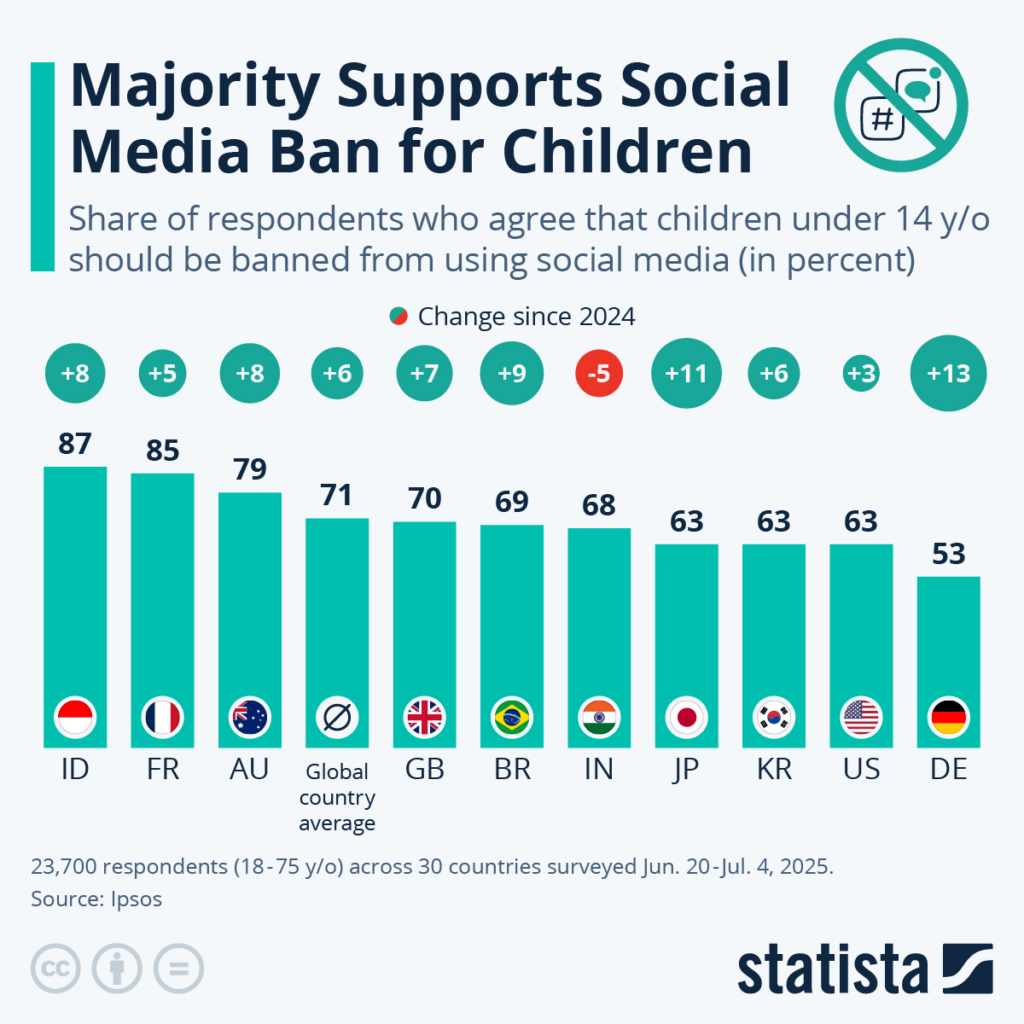
With the increasing concerns surrounding youth online safety, the discussion of a social media ban for children is gaining traction in Germany. Following Australia’s lead in implementing a ban on social media access for users under 16, German Digital Minister Karsten Wildberger has expressed support for similar age restrictions. He acknowledges the potential impact of social media on the development of young people and emphasizes the need for a robust framework that prevents cyberbullying and protects children on these platforms. As parents and educators target child protection in social media, the necessity for stringent regulations is becoming imperative. This debate not only highlights the challenges of modern parenting but also raises critical questions about how society can safeguard its younger generation from the risks posed by the digital age.
As concerns over the digital landscape continue to evolve, discussions surrounding youth engagement with social media platforms have taken center stage. Often referred to as measures for youth online safety, the idea of instituting age restrictions for social media usage is being explored in several countries, including Germany and Australia. With the potential for adverse effects such as cyberbullying, advocates argue for the necessity of stricter regulations to protect the well-being of minors. Digital Minister Karsten Wildberger’s interest in establishing boundaries reflects a growing acknowledgment of the risks associated with children’s extensive online presence. Such deliberations signal an urgent call for developing effective frameworks aimed at enhancing child protection in the realm of social media.
The Growing Concern Over Social Media Age Restrictions
With growing awareness of the negative effects of social media on children, many countries are reconsidering their stance on age restrictions. The alarming rise of cyberbullying incidents, mental health issues, and inappropriate content online has driven governments to ponder a ban on social media for children under specific ages. In Australia, the recent implementation of a ban for those under 16 sets a precedent that countries like Germany are now looking to analyze. The need for youth online safety is not just a moral obligation but an essential step towards protecting the mental well-being of younger generations.
The conversation surrounding social media age restrictions often focuses on creating a safer digital environment. Advocates for strengthening child protection on social media emphasize the importance of such regulations in preventing cyberbullying and content that may negatively affect children’s development. As Digital Minister Karsten Wildberger suggests, thorough discussions about appropriate age limits are necessary to ensure that policies serve the best interests of young individuals as they navigate their formative years.
Cyberbullying Prevention: A Key Argument for Regulation
Cyberbullying remains a pressing issue that many children face today, with a significant correlation between social media usage and incidents of harassment. The need for protective measures has become increasingly evident, urging policymakers to consider bans or stricter regulations on social media access for younger users. By implementing an age restriction similar to Australia’s new policy, Germany aims to create a safer online space where children are less susceptible to cyberbullying. Ensuring that children engage with age-appropriate media can significantly lower the risk of experiencing digital abuse.
Furthermore, prevention strategies related to cyberbullying extend beyond just age restrictions. Digital literacy education and the promotion of kindness and respect online are also critical components of creating a supportive digital landscape. As Digital Minister Wildberger discusses the implications of social media age limits, another essential factor is the need for comprehensive programs aimed at educating both parents and children about the realities of online interactions, which ultimately empowers the youth to navigate social media safely.
Germany’s Digital Minister and Social Media Legislation
As Germany’s first Digital Minister, Karsten Wildberger faces the challenging task of aligning digital policies with the evolving landscape of technology and social media. With fellow officials advocating for stringent measures such as tiered age approvals for apps, Wildberger’s discussions highlight the importance of thoughtful legislation in the context of youth online safety. The expert commission that will delve into formulating proposals represents a proactive approach to ensure that future regulations adequately address the complexities of children’s online interactions.
Wildberger’s background as a management consultant adds a unique perspective to his role, enabling him to analyze the impact of legislation on society effectively. By actively engaging with expert opinions and considering various aspects including mobile phone bans in schools, he demonstrates a commitment to creating a comprehensive framework that prioritizes child protection on social media and combats the negative consequences that arise from unrestricted access.
The Role of Digital Literacy in Youth Online Safety
In the context of proposed age restrictions, the call for enhanced digital literacy among children has gained traction. Experts argue that teaching children how to navigate social media responsibly and ethically can significantly improve their online experiences. Digital literacy encompasses understanding the risks associated with social media, recognizing cyberbullying, and maintaining online privacy. As regulations regarding social media use evolve, incorporating digital literacy education into schools becomes essential to prepare youth for safe online engagement.
Educational initiatives on digital literacy serve as preventive measures against the potential harms of social media. Children who are well-versed in online safety practices are better equipped to handle encounters with cyberbullying and harmful content, thus fostering a safer digital environment. With Germany considering a social media ban for children, integrating digital literacy training alongside any new regulations could significantly enhance youth online safety, helping to shape responsible digital citizens of tomorrow.
Comparative Analysis: Australia’s Approach to Social Media Regulations
Australia’s move to ban social media access for individuals under 16 offers valuable insights as Germany explores similar measures. The effectiveness of Australia’s approach rests on the comprehensive framework surrounding the ban, which not only restricts access but also promotes education on online safety and mental well-being. Understanding the rationale behind this legislation can inform German policymakers looking to create a balanced approach to social media regulations.
The success of such a social media ban relies heavily on public awareness and acceptance. Parents, educators, and stakeholders must be engaged in discussions about the implications of these regulations on children’s development and social interactions. Drawing parallels to Australia’s experience can aid German officials in addressing potential concerns and building consensus around the necessity for age restrictions on social media.
Impacts of Social Media on Child Development
The impact of social media on child development is a crucial consideration in the debate surrounding the proposed ban in Germany. Studies have shown that excessive social media use can negatively affect children’s mental health, self-esteem, and social skills. Children who frequent social media platforms are often subjected to unrealistic standards and harmful comparisons, which can hinder their overall development. By imposing an age restriction, the government aims to mitigate these adverse effects and promote healthier growth patterns among young individuals.
In light of these considerations, Child protection on social media must extend beyond mere regulations. It necessitates a collective effort to redefine how children engage with technology, ensuring that interactions foster positive growth rather than detract from it. As discussions continue around potential bans and age limits, the focus must remain on promoting healthy practices and critical thinking about digital consumption among children.
The Future of Digital Regulations in Germany
As the digital landscape continues to evolve, so too must the regulations governing children’s use of social media. Germany is at a crossroads where policymakers must decide how best to protect youth while still allowing for digital exploration and connection. The potential for a social media ban for children presents an opportunity to educate both youth and their guardians on navigating the digital world safely. By focusing on balanced regulations that include youth online safety and child protection, Germany can set a precedent for digital governance.
Future legislation will likely require ongoing dialogue among stakeholders, including parents, educators, and digital experts. This collaborative effort is crucial to developing an effective framework that adapts to the rapid changes in technology and social interactions. As Digital Minister Wildberger and his team work to create a comprehensive policy, it’s imperative to prioritize the well-being of children in digital spaces while promoting their ability to thrive in the digital age.
Community Involvement in Safeguarding Youth Online
Community involvement plays a pivotal role in safeguarding youth online, particularly as Germany considers stricter regulations surrounding social media access. Encouraging parents, educators, and local organizations to actively participate in discussions about children’s digital experiences can lead to more informed and effective policies. Communities can foster a culture of safety by promoting dialogue around issues such as cyberbullying and responsible social media use, ultimately driving home the importance of child protection in the digital age.
In addition to discussions, community-driven initiatives aimed at educating children about safe online practices can complement regulatory measures. Programs that involve workshops, seminars, and parental guidance can empower families to engage positively with technology. Through collaborative efforts at the community level, the challenge of ensuring youth online safety can become a shared responsibility, leading to the development of resilient children who can navigate the complexities of social media with confidence.
Policy Proposal Recommendations for Digital Safety
As Germany moves forward with discussions on social media reforms, several policy recommendations should be considered to enhance digital safety for children. First and foremost, implementing tiered age approvals for different platforms could ensure that children’s exposure to social media is age-appropriate. Additionally, requiring platforms to provide educational resources on cyberbullying prevention and digital literacy can play a significant role in safeguarding youth. These measures, combined with a potential social media ban for specific age groups, can create a more structured approach to online safety.
Moreover, establishing a framework for ongoing evaluation of these policies is crucial. As digital trends evolve, so too do the challenges associated with children’s online interactions. Creating a feedback system that includes input from young users, parents, and educators will ensure that regulations remain relevant and effective. In this way, Germany can lead the way in child protection on social media while adapting to the ever-changing digital landscape.
Frequently Asked Questions
What is the current status of the social media ban for children in Germany?
As of late December 2025, Germany’s Federal Digital Minister Karsten Wildberger is exploring the possibility of implementing a social media ban for children under 16, similar to Australia. Discussions are ongoing regarding the appropriateness of age restrictions on social media to enhance youth online safety and protect against cyberbullying.
How does a social media age restriction help in cyberbullying prevention?
A social media age restriction, such as banning children under 16 from having accounts, aims to mitigate exposure to harmful content and reduce the risk of cyberbullying among youth. By limiting access, children can be better protected from the adverse psychological effects of social media during formative years.
What are the arguments for a social media ban for children proposed by Digital Minister Wildberger?
Digital Minister Wildberger argues that a social media ban for children is justified, citing the profound impacts of social media on young people’s development. He advocates for protective measures like an age restriction to ensure healthy development, suggesting that children can grow up without the pressures of social media, as previous generations did.
What measures are being discussed alongside the social media ban for children in Germany?
In addition to the social media ban for children, discussions include the possibility of a mobile phone ban in schools. The government’s expert commission is working on recommendations to enhance child protection social media and promote youth online safety, with proposals expected by summer 2026.
How can parents support their children’s health in light of potential social media bans?
Parents can support their children’s health by engaging in open conversations about social media use, setting clear boundaries, and encouraging offline activities. Understanding the implications of social media through discussions about digital literacy can promote youth online safety and prepare them for a potential social media ban in the future.
Will the social media ban for children apply to all platforms?
If implemented, the social media ban for children under 16 in Germany would likely apply to major social media platforms, similar to regulations established in Australia. This would aim to create a safer online environment for young users and reduce their exposure to harmful online interactions.
What is the significance of the expert commission mentioned by Minister Wildberger?
The expert commission is significant in formulating evidence-based proposals regarding social media age restrictions and other regulations to enhance child protection on social media. Their recommendations are expected to shape future policies aimed at improving youth online safety in Germany.
| Key Points | Details |
|---|---|
| Australia’s Social Media Ban | Australia has banned social media accounts for users under 16 since December 10, 2025. |
| Germany’s Discussion | Germany is considering a similar ban, with Digital Minister Wildberger finding the idea appealing. |
| Reasons for the Ban | The aim is to protect young people from cyberbullying and harmful content. |
| Expert Commission | An expert commission will propose recommendations on age restrictions and mobile phone bans in schools by summer. |
| Wildberger’s Background | Karsten Wildberger, Germany’s first Digital Minister, has a background in management consultancy. |
Summary
A social media ban for children is gaining traction as Australia leads with protective measures for those under 16. Digital Minister Karsten Wildberger supports the notion of instituting a similar ban in Germany, recognizing the profound impact of social media on youth development. This initiative aims to safeguard children from cyberbullying and harmful content while promoting healthy growth, much like previous generations before them. The proposal, alongside discussions about mobile phone restrictions in schools, indicates a significant shift towards prioritizing child safety in the digital age.

