
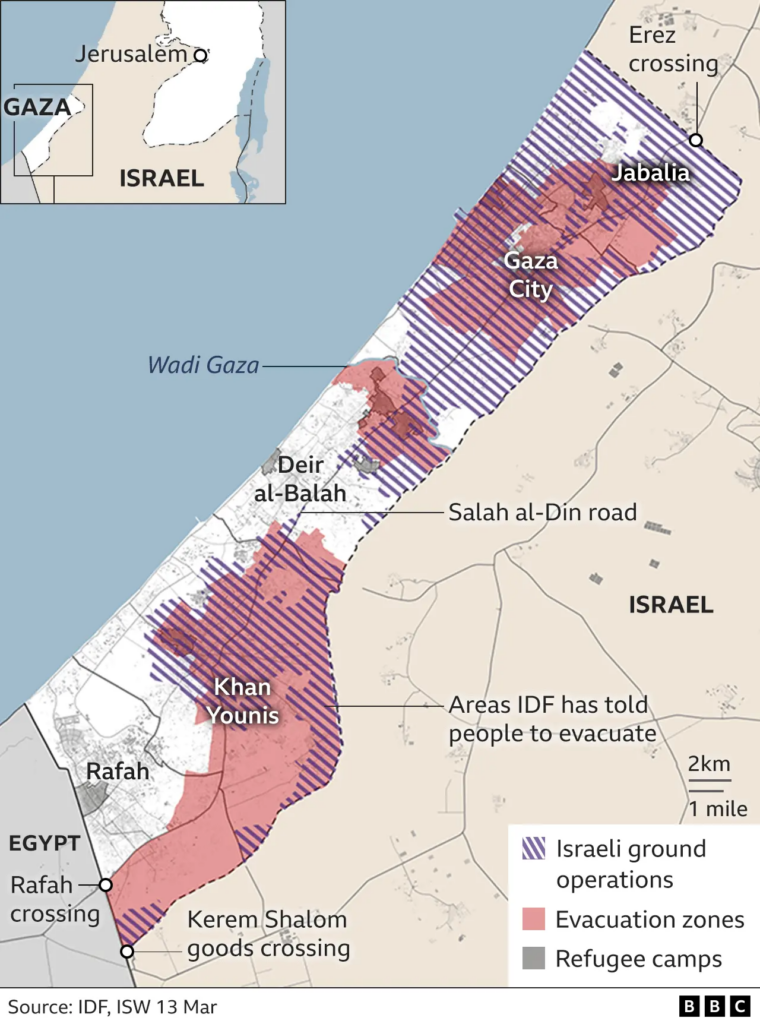
The Germany Gaza stabilization mission reflects the country’s cautious yet significant approach to foreign policy in the region. Recently, German Foreign Minister Johann Wadephul announced that Germany will not initially partake in the international stabilization force tasked with implementing the Gaza peace plan. This decision aligns with Germany’s commitment to ensuring that any involvement must prioritize security, particularly in emergency situations. Although Germany aims to contribute constructively to Gaza’s reconstruction efforts and support humanitarian aid, the participation in military aspects remains out of scope for now. With ongoing tensions and Hamas’s refusal to disarm, the complexities of establishing a stable environment in Gaza demand careful consideration from all international stakeholders.
Germany’s initiative concerning the stabilization of Gaza showcases an evolving commitment to international peacekeeping and reconstruction efforts. As the nation weighs its options within the broader context of European involvement in the Gaza conflict, discussions surrounding the formation of an international stabilization force play a critical role. Germany’s engagement is intricately linked to the ongoing negotiations aimed at a sustainable peace structure, emphasizing the need for security and governance. The country also acknowledges its responsibility in aiding subsequent reconstruction phases, recognizing that lasting peace cannot be achieved without addressing the root causes of instability, particularly the challenge posed by militant groups such as Hamas. Moving forward, Berlin continues to hope for a collaborative effort that includes support from neighboring Gulf states to facilitate adequate financial resources for rebuilding.
Germany’s Stance on Gaza Stabilization Mission
Germany has explicitly stated its position regarding participation in the international stabilization force aimed at reconstructing the Gaza Strip. Foreign Minister Johann Wadephul highlighted that Germany will not be part of this mission in the near future due to concerns about the nature and scope of the task. He emphasized that such a force would require a robust security capability, potentially involving military enforcement in emergencies, which raises significant apprehensions about German troops’ deployment in the region. This decision reflects Germany’s cautious approach to foreign involvement in conflict-prone areas, particularly due to its historical responsibilities regarding peace and security.
The German government’s reluctance to engage militarily in Gaza underscores a broader context of Germany’s foreign policy, which prioritizes diplomacy and constructive collaboration over military action. Wadephul mentioned that while Germany does not foresee participation in the stabilization forces, Berlin is open to contributing to the structures outlined in international discussions and resolutions. The emphasis on mediation rather than direct military involvement aligns with Germany’s commitment to supporting peaceful resolutions in conflict zones, ensuring that any action taken respects both international norms and humanitarian considerations.
Challenges in Gaza Reconstruction Efforts
Reconstructing Gaza poses significant challenges, particularly as regional tensions persist and the influence of Hamas remains strong. A key issue highlighted by Wadephul is the necessity of a trustworthy disarmament process for Hamas if any stabilization efforts are to succeed. The international community’s focus on disarming Hamas is vital for not only the safety of Israeli citizens but also for the broader goal of sustainable peace in the region. The lack of a cooperative approach from Hamas complicates any potential reconstruction efforts, as ongoing hostilities hinder international engagement and investment necessary for rebuilding infrastructure and society.
Moreover, humanitarian conditions in Gaza have yet to meet urgent needs, with insufficient aid and limited access exacerbating the situation for civilians. While efforts are being made to open more border crossings and improve humanitarian access from neighboring Jordan, significant gaps remain in delivering sufficient support to those affected. Germany’s commitment to offering humanitarian aid and fostering recovery is commendable; however, without a comprehensive peace plan that includes cooperation from all factions involved, achieving long-term stability and reconstruction will likely prove challenging. Wadephul’s acknowledgment of the lengthy process ahead also highlights the complexities involved in navigating political and security landscapes in Gaza.
The Role of Germany in Middle East Peace Initiatives
Germany plays a pivotal role in Middle East peace initiatives, acting as a mediator rather than a military participant. This approach is consistent with Germany’s foreign policy principles, which prioritize dialogue and diplomacy to resolve conflicts. Wadephul emphasized Germany’s special relationship with Israel, shaped by historical responsibilities stemming from the Holocaust, which compels Germany to advocate for Israel’s security and stability in the region. By supporting peace initiatives, Germany aims to foster a collaborative environment conducive to dialogue and the eventual resolution of the Israeli-Palestinian conflict.
Additionally, Germany’s engagement in multilateral peace efforts signifies its commitment to working with various international partners, including the United States and regional stakeholders. The foreign minister highlighted the importance of aligning with neighboring states, particularly those in the Gulf region, to secure financial resources for reconstruction projects. Germany’s strategic collaborations underscore its aim to create a robust international framework that supports both humanitarian assistance and sustainable development in Gaza, thus reinforcing its diplomatic role as a facilitator in the peace process.
Future of International Stabilization Forces in Gaza
The concept of an international stabilization force in Gaza has gained traction, particularly in light of ongoing conflicts and humanitarian crises. However, Germany’s stance, as articulated by Wadephul, indicates a cautious approach to such military deployments, recognizing the complexities involved. The future of this proposed force depends on several factors, including the political willingness of various nations to contribute troops and resources, as well as the establishment of a credible political framework that assures security and cooperation among Palestinian factions.
In light of the challenges posed by groups like Hamas, effective disarmament and cooperation are fundamental to the success of any stabilization mission. Without a unified approach from the international community and practical measures that engage local authorities, the mission risks failing to achieve its objectives. Wadephul’s comments reflect an understanding that while the need for security in Gaza is urgent, the solution must be grounded in diplomacy and respect for the local populace’s rights and aspirations.
German Humanitarian Aid Strategies in Gaza
Germany is leveraging its commitment to humanitarian aid as a cornerstone of its foreign policy in Gaza. Foreign Minister Wadephul highlighted the ongoing efforts to deliver assistance amidst challenging conditions, emphasizing the need for more efficient access and support for affected populations. Germany has been active in coordinating aid through recognized international organizations, which are equipped to navigate the complexities of operating in conflict zones and delivering essential services to those in dire need.
The focus on humanitarian aid also intertwines with Germany’s long-term vision of contributing to Gaza’s recovery. As reconstruction efforts loom on the horizon, timely humanitarian support lays the groundwork for future developmental initiatives. Wadephul stressed the importance of collaboration with neighboring countries, particularly those with substantial financial means, to create a sustainable model for rebuilding efforts. This approach aligns with the broader goal of not only addressing immediate needs but also fostering long-term stability and resilience within the region.
The Complex Dynamics of Gaza Peace Plans
The intricacies of peace plans regarding Gaza involve multiple stakeholders and shifting dynamics. Wadephul mentioned the importance of Trump’s 20-point peace plan, which outlines a framework for addressing key issues like disarming Hamas and establishing a stabilizing international force. However, the refusal of Hamas to agree to disarmament poses a significant roadblock. The complexities involved in negotiating a workable peace proposal necessitate careful consideration of the interests of various parties, including Israel, Palestine, and international allies.
Furthermore, the success of peace plans hinges on fostering local buy-in and understanding the socio-political landscape of Gaza. The division of control between the Israeli army and Hamas poses ongoing questions about governance and future political arrangements. Effective peace negotiations must include strategies that empower local leaders and build consensus among various groups to ensure that any agreements made are implementable and respected by the communities involved. Wadephul’s call for patience highlights the reality that achieving lasting peace will likely take time and collaborative effort.
The Importance of International Collaboration in Gaza
International collaboration is vital for addressing the multifaceted challenges in Gaza, particularly regarding reconstruction and stabilization efforts. Wadephul expressed the necessity for a broad coalition of support, involving not just Germany but also other nations that have a vested interest in peace and security in the region. Building a unified front can amplify efforts to provide humanitarian aid, develop reconstruction plans, and ensure stability in the long term.
Moreover, engaging neighboring states and leveraging their resources will be crucial for successful outcomes. Cooperation among countries can facilitate financial contributions and logistical support needed for effective humanitarian interventions and reconstructive projects. Germany’s willingness to act as a mediator and support collective efforts underscores the importance of diplomacy in achieving a sustainable peace in Gaza, ensuring that the needs of all parties are taken into account.
Security Concerns in the Gaza Reconstruction Process
Amidst discussions of reconstruction and humanitarian assistance, security concerns loom large over the Gaza Strip. Wadephul highlighted the precarious balance of power between Israeli forces and Hamas, which complicates efforts to implement a comprehensive reconstruction plan. The commitment to disarming Hamas is not only a matter of political interest but also crucial for ensuring the safety of civilians and international personnel involved in the reconstruction process.
Addressing these security concerns requires a robust framework that incorporates both local security forces and international stabilization efforts. There needs to be a clear delineation of responsibilities to prevent any resurgence of violence that could derail reconstruction initiatives. Enhancing security in Gaza is a prerequisite for fostering an environment conducive to peace and rebuilding, making it imperative for all stakeholders to engage constructively in the process.
Long-term Vision for Gaza’s Stability and Development
Establishing a long-term vision for stability and development in Gaza is essential for breaking the cycle of violence and humanitarian crises. Wadephul expressed the need for thoughtful planning and sustained commitment to aid and reconstruction, recognizing that progress will take time. A long-term strategy that encompasses economic, social, and political dimensions is required to create lasting change and uplift communities in Gaza.
Creating partnerships with various stakeholders, including international organizations and local government entities, will be key to implementing effective development projects. Emphasizing the importance of education, infrastructure, and economic opportunity can provide the groundwork for a more stable and prosperous Gaza. Germany’s role in supporting these initiatives reflects its dedication to fostering peace and stability in the region, ensuring that projects align with the broader goals of reconciliation and community resilience.
Frequently Asked Questions
What is Germany’s position on the international stabilization force in Gaza?
Germany has announced that it will not participate in an international stabilization force (ISF) in the Gaza Strip in the foreseeable future. According to Foreign Minister Johann Wadephul, the mission requires a military capacity to enforce security during emergencies, a role that Germany is currently not prepared to take on.
How does Germany plan to contribute to Gaza reconstruction efforts?
Germany is committed to playing a central role in the reconstruction of Gaza, providing extensive humanitarian aid. Although the official invitation to collaborate in rebuilding efforts has not yet been received, Germany is ready to support the international reconstruction conference planned for next year.
Will Germany be involved in disarming Hamas as part of the Gaza peace plan?
Germany supports the peace plan proposed by the United States, which includes disarming Hamas. However, as of now, Hamas has refused to lay down its arms, which complicates the implementation of the Gaza peace plan.
What role does Germany see for itself in the Gaza stabilization mission?
Germany aims to adopt a mediating role in the Gaza stabilization mission, particularly focusing on addressing Israel’s security needs. The country recognizes its special relationship and historical responsibility towards Israel while also striving for peace in the region.
What are the main challenges facing the Gaza stabilization mission from Germany’s perspective?
Key challenges include the need for a secure political framework and coordination among potential troop contributors, as well as the ongoing military activity of Hamas, which complicates the restoration of stability. Germany highlights the urgency of not allowing the division of Gaza to solidify permanently.
What humanitarian efforts is Germany undertaking in the Gaza Strip?
Germany is significantly involved in humanitarian efforts in Gaza, with a focus on delivering aid through internationally recognized organizations. Despite improvements in border access and aid distribution, the current level of humanitarian support is still insufficient according to Foreign Minister Wadephul.
How does the current political situation affect Germany’s foreign policy decisions regarding Gaza?
The complex political landscape, particularly the ongoing conflict and the activities of Hamas, heavily influences Germany’s foreign policy decisions regarding Gaza. The government emphasizes a careful and patient approach to participating in peace processes and stabilization efforts.
Is there an expectation for Germany to change its stance on military involvement in Gaza?
At this time, there is no expectation for Germany to shift its stance on military involvement in the Gaza stabilization mission. The government maintains that participation in such operations is not feasible in the immediate future.
What is the significance of UN Security Council resolutions in the Gaza stabilization mission?
UN Security Council resolutions provide the framework within which Germany is willing to constructively engage regarding the peace council and stabilization efforts in Gaza. Germany emphasizes the importance of adhering to these resolutions while supporting rebuilding initiatives.
What future steps can Germany take in relation to Gaza’s peace and stabilization?
Germany can play a crucial role by facilitating international discussions, providing humanitarian aid, and contributing to the reconstruction of Gaza. Additionally, supporting diplomatic efforts and encouraging Gulf states to engage financially are critical next steps.
| Key Points |
|---|
| Germany will not join the international stabilization force in Gaza in the near future. |
| The stabilization force is expected to enforce security and not just mediate. |
| Foreign Minister Wadephul emphasized the challenges of deploying German soldiers in the region. |
| Germany is open to constructive involvement in UN resolution frameworks for peace. |
| There are no present plans for German participation in troop training or organization. |
| An international stabilization force is part of the US peace plan that aims to disarm Hamas. |
| Germany supports a mediating role in addressing Israel’s security issues. |
| Humanitarian aid from Germany is significant but still inadequate. |
| The German government calls for patience regarding the lengthy peace process. |
Summary
The Germany Gaza stabilization mission has been a topic of significant discussion and will not see German participation in the immediate future, according to Foreign Minister Wadephul. The gravity of establishing a secure environment in Gaza requires a multifaceted approach—that goes beyond mediation to military enforcement in crises. Germany’s commitment to aiding humanitarian efforts and providing support for reconstructive initiatives remains strong, despite the complexities posed by groups like Hamas. As the conversation around peace continues, the focus will be on structural collaboration within the framework outlined by the UN Security Council, aimed at fostering long-term stability and security in the region.

