
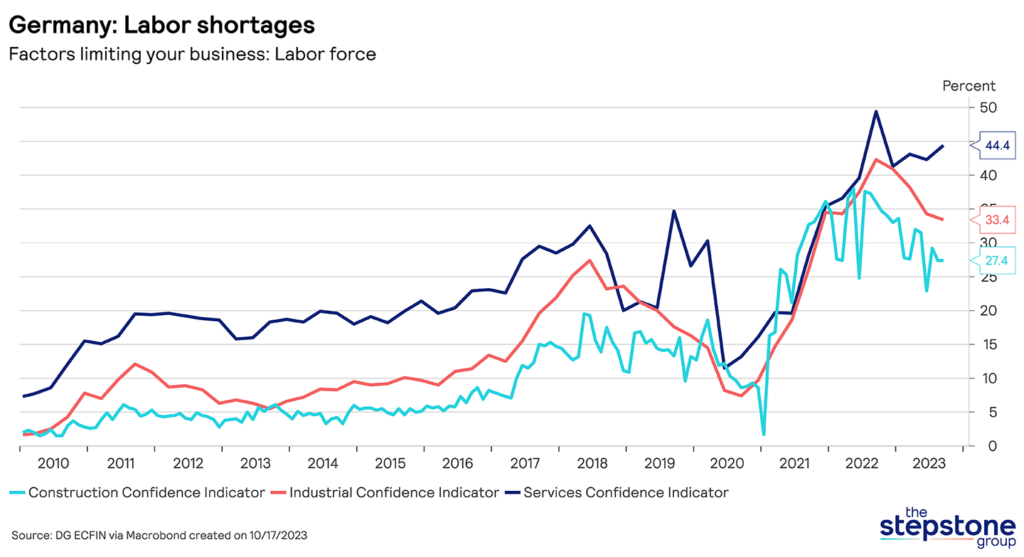
The labor market in Germany is currently facing significant challenges, as highlighted by Federal Employment Agency chief Andrea Nahles. According to her assessment, job prospects in Germany have reached a concerning low point, with stagnation affecting various sectors. With unemployment rates hovering precariously, Nahles points out that no group of employees is immune to job loss, making employment opportunities seem increasingly scarce. This situation is particularly alarming for newcomers to the job market, as the placement of young individuals into training programs has dropped to historic lows. Moreover, Nahles warns that proposals for citizen’s income reform must take into account the realities of the labor market to avoid exacerbating these issues further.
The current employment landscape in Germany, marked by a lack of dynamism, has led to a pessimistic outlook among job seekers. As Andrea Nahles describes, the situation has culminated in diminishing chances for individuals re-entering the workforce, with critical implications for various employee demographics. The emphasis on continually adapting to the evolving job market is vital, particularly as educational pathways and training opportunities for young professionals diminish. In light of proposed reforms, it is essential to align regulatory measures with the existing qualifications of unemployed persons, ensuring that the focus remains on matching skills with available opportunities. As the debate over citizen’s income continues, it remains imperative to address the job market’s needs and facilitate meaningful job creation.
Overview of the Current Labor Market in Germany
The labor market in Germany is currently experiencing a challenging period, with indications of stagnation affecting various sectors. Andrea Nahles, the head of the Federal Employment Agency (BA), emphasized that the situation is dire, noting that the overall job prospects for unemployed individuals have dipped to unprecedented lows. Recent data reveal that the likelihood of finding a job for the unemployed has plummeted to 5.7, down from an average of seven, pointing to a significant shift in the employment landscape.
This stagnation has not spared any sector or group of workers. Nahles highlighted that no segment of the workforce is immune to the risks of job loss, a stark reality for many should they seek new employment opportunities. The current employment climate reflects a wider trend that includes rising unemployment rates and fewer job openings, especially for young individuals entering the job market for the first time.
Frequently Asked Questions
What are the current job prospects in Germany according to Andrea Nahles?
According to Andrea Nahles, head of the Federal Employment Agency, job prospects in Germany are currently at a low point. The likelihood of unemployed individuals finding a job is at 5.7, which is the lowest recorded value, indicating that the labor market lacks momentum.
How is the unemployment rate affecting employment opportunities in Germany?
The unemployment rate in Germany is impacting employment opportunities significantly. Nahles points out that there is no group of employees immune to job loss, which highlights the challenges facing the labor market and suggests that job seekers may find it increasingly difficult to secure positions.
What does ‘citizen’s income reform’ mean for the labor market in Germany?
Citizen’s income reform aims to prioritize the placement of unemployed individuals into jobs; however, Andrea Nahles warns that this could be problematic if the qualifications of unemployed individuals are not adequately considered. This reform could potentially exacerbate mismatches between available jobs and the skills of job seekers.
Who has the best job opportunities in the current labor market in Germany?
Despite the current challenges, Andrea Nahles states that well-educated individuals still have the best job prospects in Germany. This suggests that higher qualifications and advanced skills are critical for finding employment in today’s stagnant labor market.
What concerns does Andrea Nahles have regarding job starters in Germany?
Andrea Nahles expresses concern that the current situation is particularly poor for job starters, noting that the placement of young people in training programs is at its lowest in 25 years. This indicates a challenging environment for new entrants to the labor market.
How does the qualification of unemployed individuals affect job placement in Germany?
The qualification levels of unemployed individuals are crucial for effective job placement. Andrea Nahles emphasizes that without considering the qualifications of job seekers in placement policies, many may find themselves returning to job centers shortly after being placed.
| Key Points |
|---|
| The labor market in Germany is currently stagnant with no clear momentum. |
| Job loss is affecting all groups; no specific group is immune. |
| Current job finding indicator for unemployed is at 5.7, the lowest ever recorded. |
| Well-educated individuals have better job prospects compared to others. |
| Poor outlook for job starters; few young people are entering training programs. |
| Criticism of proposed citizen’s income reform regarding placement priorities. |
| Unemployment skills often mismatch available jobs, complicating placement efforts. |
| Importance of matching qualifications for successful job placements. |
Summary
The labor market in Germany is facing significant challenges, with stagnant conditions and a concerning outlook for job seekers. As highlighted by Andrea Nahles, the head of the Federal Employment Agency, the current job market lacks momentum, impacting all demographics. The alarming decline in the job finding indicator underscores the urgent need for effective initiatives to reverse these trends. Special emphasis is placed on the necessity for well-educated individuals to lead the recovery, while young job starters are particularly vulnerable. Addressing mismatches between skills and job opportunities remains critical, especially in light of forthcoming policies like the proposed citizen’s income reform, which could further complicate placement efforts. Overall, strategic interventions are essential to revitalize the labor market in Germany and improve employment prospects for all.

