
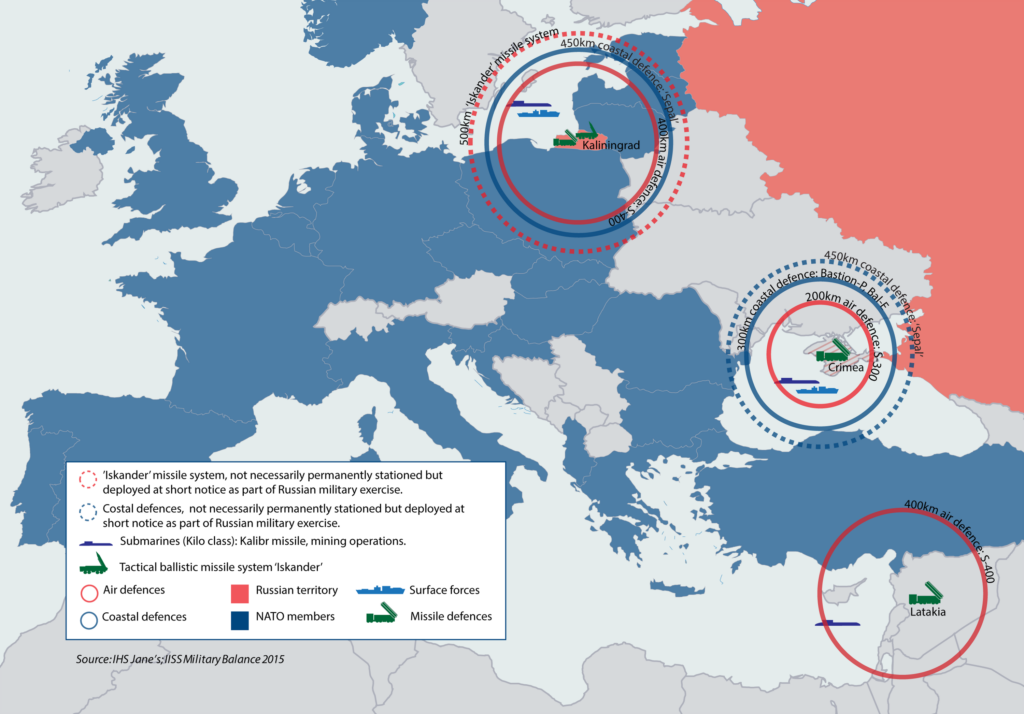
The Russia threat to Europe has emerged as a critical issue in security discussions, raising alarms among policymakers and citizens alike. With leaders like Thomas Röwekamp, head of the Bundestag Defense Committee, warning that Russia poses the “only real threat” to European stability, the urgency for a robust defense policy has never been more pronounced. As Germany navigates its defense strategy, debates surrounding the role of the Bundeswehr and the prospect of reinstating conscription have intensified, reflecting a deep concern for national and European security. Moreover, the political landscape is complicated by the stance of parties like the Alternative for Germany (AfD), which some claim downplay these risks while aligning themselves with Russian interests. As Europe faces unprecedented security challenges, addressing the implications of the Russia threat becomes essential for ensuring a united and resilient response to potential aggression.
In light of the geopolitical landscape, the threat posed by Russia to European nations is at the forefront of strategic discussions. Assertions from political figures highlight the necessity of reevaluating defense strategies in response to Moscow’s assertive posture in the region. This includes considering elements such as conscription in Germany and strengthening the Bundeswehr’s operational capabilities to counter escalating tensions. Furthermore, as European security challenges evolve, it is vital for policymakers to foster dialogue about collective defense measures and the implications of national security policies. Ultimately, acknowledging the realities of the situation will be crucial for maintaining stability and protecting the interests of European countries.
The Growing Threat of Russia in Europe
The re-emergence of Russia as a significant military force has generated considerable concern across Europe. With increasing military activities in Eastern Europe and aggressive posturing towards NATO, the perception of Russia as the primary threat has escalated. Thomas Röwekamp, Chairman of the Defense Committee, articulates that this undeniable reality must be at the forefront of European defense discussions. As member states deliberate their approaches to security, acknowledging Russian activity is crucial for developing robust strategies that safeguard democracy and freedom in Europe.
Röwekamp’s assertion highlights the urgent need for a unified European stance against potential aggression from Russia. This consolidation of military might and policy takes on critical importance as European nations navigate complex security challenges. The reintroduction of conscription in Germany, as proposed by Röwekamp, reflects a proactive approach toward enhancing the Bundeswehr’s capabilities and fostering a sense of collective responsibility towards national and European security.
The Role of the Bundeswehr in Ensuring Security
The Bundeswehr, Germany’s armed forces, plays a vital role in addressing European security challenges. With the growing uncertainty regarding external threats, there is a pressing need to reassess its strategic position within NATO and among EU allies. Röwekamp’s call for discussions around the Bundeswehr’s societal role aims to engage the public and policymakers in a constructive dialogue. This can foster broader acceptance of military initiatives and reinforce Germany’s commitment to protecting its citizens and allies.
In modern warfare, military readiness is paramount. The Bundeswehr must not only focus on territorial defense but also prepare for unconventional threats such as cyber-attacks and hybrid warfare tactics employed by state and non-state actors. Emphasizing the importance of a well-trained military force reinforces the idea that the Bundeswehr is not just a tool of national defense but a crucial component of a successful European security architecture.
Furthermore, enhancing the Bundeswehr’s role necessitates adequate funding and resources, alongside a culturally ingrained acceptance of military service among citizens. Röwekamp’s advocacy for a well-structured conscription system could provide the necessary manpower while cultivating a sense of civic duty and responsibility towards national safety, essential in an age of pressing geopolitical uncertainty.
Political Responsibility and Security Policy Challenges
In the current climate of political divisiveness, Röwekamp stresses that security policy should transcend party lines. The AfD’s stance, which seemingly ignores the gravity of the Russian threat, is seen as a detrimental approach that could undermine national security. It is essential for political leaders to recognize that true security derives from cooperation, solidarity, and a shared understanding of the challenges posed by actors like Russia.
Engaging in critical discussions within German society about the implications of these threats is vital for forming a coherent national defense strategy. Political actors must prioritize security issues and work collaboratively to address the shortcomings of current policies, focusing on unity rather than division. Only by approaching security matters with seriousness and foresight can Germany effectively safeguard itself and contribute meaningfully to European stability.
The Future of Conscription in Germany
The prospect of reinstating conscription in Germany has sparked considerable debate. Röwekamp advocates that this measure could significantly bolster the Bundeswehr’s capabilities while instilling a sense of duty in the younger generations. It aims to bridge the gap between military readiness and the perception of armed forces in society, especially as Europe grapples with rising geopolitical tensions, particularly from Russia.
However, reinstating conscription will require a multifaceted approach. Beyond merely meeting numerical targets, the focus must be on enhancing the quality of training and ensuring that young conscripts are well-prepared for the challenges they may face. Involving citizens in defense discussions and raising awareness about the importance of a solid military footing provides a foundation for a robust defense policy that addresses both current and future threats.
Germany’s Defense Policy: Beyond Party Politics
Röwekamp’s criticism of the AfD spotlights the critical need for a defense policy that transcends partisan biases. By portraying Russia as an imminent threat, a more unified defense approach emerges, positioning Germany as a leader in European security affairs. Supporting a defense policy that remains apolitical and grounded in the realities of international relations enhances Germany’s credibility across the continent.
Furthermore, fostering collaboration between political factions can lead to sustainable security measures that prioritize national interests over electoral gains. Achieving a consensus on defense objectives is instrumental in crafting a forward-looking policy that responds effectively to evolving security dynamics, protecting Germany’s interests while contributing decisively to collective European defense efforts.
Engaging Society in National Security Discussions
An informed citizenry plays a pivotal role in shaping national defense policy. Röwekamp calls for enhanced societal engagement in security discussions, reflecting a broader recognition of the interconnected nature of security challenges in Europe. As voters express their concerns and aspirations regarding military service and readiness, policymakers can craft a defense strategy that resonates with the public’s ideals and priorities.
Elevating the discourse surrounding Germany’s security obligations is essential. By facilitating open dialogues about the consequences of neglecting defense issues, citizens will better grasp the importance of a robust military in safeguarding democratic values and stability in Europe. Encouraging discussions on military contributions also strengthens societal cohesion and commitment to national security.
Germany’s Strategic Partnerships and Defense Alliances
As a cornerstone of European security, Germany’s defense strategies must be closely aligned with its partners, particularly within NATO. Röwekamp emphasizes that collective security diminishes the impact of individual threats, particularly from Russia, who presents a challenge to solidarity among European nations. Strengthening relationships with allies through training exercises, joint operations, and intelligence sharing is fundamental to achieving an effective collective response.
Moreover, fostering partnerships with other European nations not only enhances military preparedness but also addresses the complexities of modern threats. Collaborative efforts such as multinational force initiatives can serve as a deterrent against aggression, bolstering member states’ confidence in mutual defense commitments. A fortified alliance with shared goals is crucial in facing the evolving landscape of security concerns across the continent.
Reforming Germany’s Defense Infrastructure
To effectively respond to contemporary threats, Germany must review and reform its defense infrastructure. Röwekamp’s advocacy for a proactive defense strategy entails a deep analysis of existing military capabilities and necessary upgrades. This includes modernizing equipment and ensuring that forces are well-prepared for diverse combat scenarios, particularly with the potential resurgence of conventional threats from Russia.
Investing in research and development for advanced military technologies is equally crucial. By enhancing capabilities in cyber warfare, surveillance, and reconnaissance, Germany can maintain a significant deterrent posture against potential aggressors while safeguarding its infrastructure. This reformative approach not only enhances readiness but also instills confidence among allies regarding Germany’s commitment to collective defense.
Balancing National Defense with Civil Liberties
The discussion surrounding conscription and military readiness inevitably leads to concerns over civil liberties and individual rights. Röwekamp’s proposals must consider the balance between ensuring national security and respecting citizens’ freedoms. Engaging with the populace on these topics is vital for maintaining public support and ensuring that defense policies align with democratic values.
Public perception plays a key role in shaping defense policies, particularly in a democratic society like Germany. Transparent discussions about the implications of conscription, combined with strong community engagement initiatives, can foster a sense of shared responsibility for national defense, while also reinforcing civil liberties. Striking this equilibrium is essential for a sustainable and acceptable defense policy that enjoys the confidence of the public.
The Role of Political Unity in Defense Strategy
Röwekamp’s insights point towards the necessity of political unity in formulating effective defense strategies. In the face of rising threats, particularly from Russia, a fragmented political landscape could jeopardize Germany’s security posture. Political consensus is vital for enacting comprehensive defense policies that reflect collective interests rather than individual party agendas.
Encouraging collaboration among all political entities enables the development of a cohesive response to security threats. Through unity, Germany can present a formidable front not only to potential aggressors but also to its partners in Europe. This collaborative spirit enhances Germany’s role in fostering stability and security across the region, ultimately leading to a more resilient defense framework.
Frequently Asked Questions
What is the nature of the Russia threat to Europe according to recent defense discussions?
Recent discussions highlight that the Russia threat to Europe is perceived as a significant military and geopolitical challenge. Experts, including Thomas Röwekamp, Chairman of the Bundestag Defense Committee, emphasize the need for a united response to counter Russia’s military ambitions and assert its implications for European security.
How does the Alternative for Germany (AfD) influence perceptions of the Russia threat to Europe?
The AfD’s stance on security policy has been criticized for downplaying the Russia threat to Europe. Critics argue that by courting Russia while positioning itself as the party of the Bundeswehr, the AfD distorts the reality of Germany’s security challenges and undermines the need for a robust defense policy.
What role does conscription play in addressing the Russia threat to Europe?
In light of the ongoing Russia threat to Europe, Thomas Röwekamp advocates for the reintroduction of conscription in Germany. He believes that mandatory military service could bolster the Bundeswehr and improve Germany’s preparedness to face potential security challenges posed by Russia.
How is the Bundeswehr’s role perceived in the context of the Russia threat to Europe?
The Bundeswehr is seen as a crucial element in Germany’s response to the Russia threat to Europe. Its role must be actively discussed to ensure that Germany fulfills its security responsibilities effectively, especially in the face of growing geopolitical tensions with Russia.
What suggestions are being made for improving European security in light of the Russia threat?
Experts suggest a broader societal discussion about European security challenges, particularly the Russia threat to Europe. This includes developing a clear and strong defense strategy and fostering political solidarity to effectively address the dangers posed by Russia’s ambitions.
What implications does the Russia threat to Europe have for Germany’s defense policy?
The Russia threat to Europe necessitates a reassessment of Germany’s defense policy, particularly regarding military readiness and the Bundeswehr’s capacity. Lawmakers argue for heightened national defense efforts and increased investment in military capabilities to safeguard Europe.
| Key Point | Details |
|---|---|
| Chairman’s Position | Thomas Röwekamp emphasizes the need for a strong defense against Russia as a key threat to Europe. |
| Assessment of AfD | Röwekamp accuses the AfD of misrepresenting security issues and ignoring the real threats posed by Russia. |
| Conscription Reintroduction | He anticipates that conscription may be reinstated to strengthen national defense. |
| Call to Action | A strong and clear defense strategy against Russia is essential for Germany and Europe’s security. |
| Societal Dialogue | Röwekamp advocates for a broader societal discussion on security policy challenges. |
| Unity in Security | He urges political actors to collaborate on security solutions rather than politicizing the issues. |
Summary
The Russia threat to Europe remains a significant focus for security policy discussions. As emphasized by Thomas Röwekamp, it is crucial for Germany and its allies to adopt a united and robust defense strategy in response to potential military ambitions from Russia. By addressing the real threats and fostering dialogue among political actors, Europe can better prepare itself for future challenges. Röwekamp’s call for the reinstatement of conscription highlights the need to take proactive measures in safeguarding the continent’s security.

