
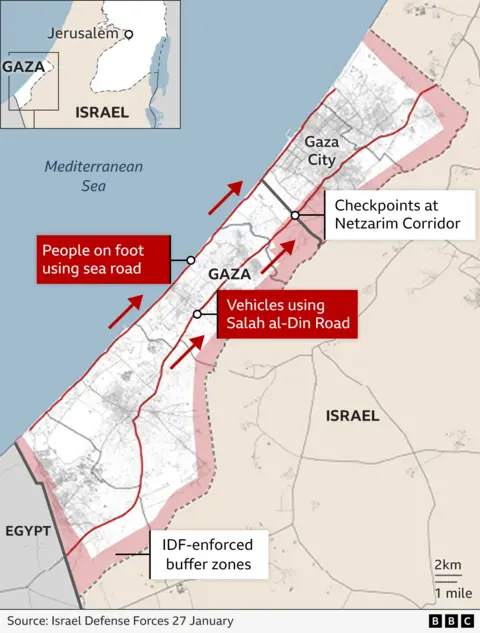
The topic of Israel Gaza withdrawal remains a pivotal and contentious issue in Middle Eastern politics. Israeli Defense Minister Katz has made a bold statement, asserting that Israel will never fully withdraw its military presence from Gaza, highlighting the establishment of a new “significant security zone” in the region. This announcement stands in stark contrast to the Trump peace plan for Israel, which proposes a gradual pullback of Israeli troops, positioning Katz’s comments as a direct challenge to this diplomatic effort. Furthermore, the Defense Minister emphasized the necessity of ensuring security through the presence of Israeli forces, regardless of discussions about Hamas disarmament. As tensions rise, the implications of this stance could dramatically influence both regional stability and international perceptions of security in the Gaza Strip.
The discourse surrounding the withdrawal of Israeli forces from Gaza brings to light various interpretations of regional security and governance. Discussions often revolve around concepts such as the establishment of a protective buffer zone within Gaza, aimed at countering threats from militant groups. Notably, the debate reflects broader themes in Israeli politics and the ongoing negotiations related to peace initiatives, like the proposed strategy from the Trump administration. As conflicting narratives emerge, including the Israeli government’s refusal to relinquish its military foothold, the dynamics surrounding peace talks and security arrangements in this sensitive area continue to evolve. Analyzing these alternative perspectives is crucial in understanding the complex web of influences and realities that shape Israeli-Palestinian relations.
Israel’s Stance on Gaza Military Presence
In a recent statement, Israel’s Defense Minister Katz firmly declared that Israel will not withdraw its military presence from Gaza, asserting instead that a significant security zone will be established in the region. Katz’s remarks, made during a conference, reflect the long-standing position of the Israeli government regarding security measures in Gaza. The proposed security zone aims to fortify Israel’s defenses against any potential threats originating from Hamas, the militant organization operating within the region. This decision is viewed as a critical step to ensure the safety and security of Israeli citizens, particularly in light of past conflicts.
Katz’s assertion directly challenges the framework laid out in Donald Trump’s peace plan for Israel and Palestine, which called for a gradual withdrawal of Israeli forces from Gaza. While the peace plan intends to move towards stability and peace in the region, Katz has emphasized that a robust military presence will remain in place as long as there are threats posed by Hamas. This duality illustrates the complexity of the situation in Gaza, where military, political, and humanitarian considerations often intersect, leaving little room for compromise.
Implications of the Security Zone in Gaza
The establishment of a security zone within Gaza carries significant implications for both Israeli and Palestinian communities. By maintaining a military presence, the Israeli government aims to create a buffer that can help prevent attacks and provide stability in a region that has seen repeated cycles of violence. However, this strategy has drawn criticism from various international observers, who argue that it could exacerbate tensions and hinder the prospects for peace. Establishing such a zone could potentially limit the autonomy of the Palestinian population in Gaza and create an environment of distrust, making diplomatic dialogue even more difficult.
Moreover, the security zone could impact the reconstruction efforts post-conflict, particularly in alignment with the second phase of the Trump peace plan, which includes commitments to rebuild Gaza. As long as Israeli forces remain actively engaged in the area, contributions from international bodies for reconstruction may face challenges, as security concerns take precedence. Furthermore, without a clear timeline for the disarmament of Hamas, the dynamics of peace-building remain uncertain, complicating the prospects of achieving lasting stability in the region.
Contradictions with Trump’s Peace Plan
Israel Katz’s declaration about the security zone underscores a stark contradiction with U.S. President Donald Trump’s peace plan, which promotes a phased withdrawal of Israeli military forces from the Gaza Strip. The plan also suggests the eventual establishment of international oversight to ensure stability and security. Katz’s statements suggest a fundamental disagreement within Israeli leadership about how to proceed with negotiations and implementation of the plan, showcasing the friction between military commitments and diplomatic efforts.
This divergence raises critical questions about the future of U.S.-Israel relations and their collaborative approaches to Middle East peace. On one hand, there is a desire to promote peace and stability through diplomatic means, while on the other hand, there is a pressing insistence on maintaining military control to prevent threats from Hamas. The road ahead appears complicated as both sides navigate peace initiatives that may conflict with existing security strategies, creating a challenging environment for fostering dialogue and mutual understanding.
The Role of Hamas in Gaza’s Security Dynamics
Hamas plays a pivotal role in shaping the security dynamics of Gaza and thus influences Israel’s military strategies in the region. As a governing authority, Hamas’s actions directly impact the likelihood of conflict and the security measures that need to be taken by Israel. Defense Minister Katz’s comments about establishing a security zone can be viewed as a direct response to Hamas’s persistent threats against Israel, which further complicates the disarmament discourse within the framework of peace negotiations.
The Israeli government’s insistence on not withdrawing from Gaza until Hamas is fully disarmed highlights the persistent tensions and the fundamental obstacles to achieving a lasting peace. Any constructive dialogue aimed at disarmament must address the core grievances of both sides. However, as long as Hamas retains its military capabilities, Israel’s military presence in Gaza will likely continue, creating a perpetual cycle of distrust and security dilemmas that make the prospect of peace increasingly elusive.
Future of Israeli Settlements in Gaza
The potential for new Israeli settlement cores in the northern part of Gaza, as suggested by Katz, reflects ongoing debates about the future of Israeli settlements within contested territories. While Katz frames these settlements as necessary for establishing a security zone, opponents argue that they only serve to further entrench divisions and complicate any peace negotiations. The prospect of settlements raises concerns about the rights of Palestinians living in Gaza, who face displacement as a result of Israeli expansionism.
This dual approach of establishing a security zone while promoting settlement growth poses significant challenges to achieving peace. Settlements have historically been a contentious issue in the Israeli-Palestinian conflict, and the international community remains divided on their legitimacy. If Israel pursues settlement policies in Gaza, it may undermine efforts to create a viable Palestinian state, as proposed in diplomatic frameworks, including Trump’s peace plan. Therefore, the direction of settlement policies will play a critical role in shaping the landscape of future negotiations and the broader outlook for peace in the region.
The Consequences of a Prolonged Military Presence
The continuation of a military presence in Gaza by Israel can have profound consequences on both security and humanitarian levels. While the Israeli government justifies its military operations and anticipated security zones as protective measures, these strategies have significant implications for civilian life in Gaza. The prolonged presence of military forces can lead to increased unrest and resentment among the Palestinian population, potentially fueling cycles of violence that undermine efforts toward peaceful resolution.
Moreover, prolonged military operations inevitably lead to humanitarian crises, as essential services and aid may become disrupted due to security restrictions. Access to healthcare, education, and economic opportunities for the civilians in Gaza may diminish, creating a challenging environment for national recovery and resilience. The international community must therefore grapple with the ethical implications of sustained military presence, balancing security needs with humanitarian obligations toward the civilian population affected by the conflict.
Engagement with International Bodies on Gaza Security
The role of international organizations is crucial in navigating the complexities of Gaza’s security landscape. With U.S. President Trump’s peace plan featuring international forces aimed at stabilizing the region post-withdrawal, collaboration with global entities may offer alternative pathways towards conflict resolution. This engagement can facilitate dialogue among involved parties and bolster efforts toward disarmament and humanitarian assistance, essential for fostering a durable peace.
However, Israel’s stance against complete withdrawal and the establishment of a security zone presents a challenge to these international efforts. Ensuring that security measures align with humanitarian needs and rights will require coordinated engagement from multiple stakeholders, including the U.S., European nations, and regional actors. The dynamics of Gaza’s security zone amidst international deliberations will have crucial ramifications for both Israeli and Palestinian futures, underscoring the need for a balanced approach towards both peace and security.
The Complexity of Middle Eastern Peace Efforts
The intricacies of Middle Eastern politics significantly influence both local and international peace efforts, often complicating even the most well-intentioned initiatives. The divergent policies of the Israeli government, as articulated by Defense Minister Katz, juxtaposed with the expectations outlined in Trump’s peace plan, highlight the deep-rooted complexities at play. As various stakeholders push for peace, underlying issues such as territorial disputes, security concerns, and differing narratives must be reconciled.
Ultimately, achieving a sustainable peace in the region requires a multi-faceted approach that addresses security, humanitarian impacts, and the aspirations of both Israelis and Palestinians. The road to peace may be fraught with challenges, but through continued dialogue, engagement, and a commitment to understanding each party’s needs, a pathway forward may emerge. As negotiations evolve, so too must the strategies employed by all involved, emphasizing the importance of flexibility, empathy, and willingness to embrace difficult compromises.
Frequently Asked Questions
What is the significance of Israel’s Gaza withdrawal in relation to the security zone?
The significance of the Israel Gaza withdrawal relates to the establishment of a ‘significant security zone’ as stated by Defense Minister Katz. He asserts that Israel will not fully withdraw from Gaza, but will maintain a military presence to ensure security and counter threats from groups like Hamas. This contradicts previous plans, such as Trump’s peace plan, which proposed a gradual troop withdrawal.
How does Israeli Defense Minister Katz envision the Gaza security zone?
Israeli Defense Minister Katz envisions a substantial security zone within the Gaza Strip that will prevent terrorist threats from Hamas. He emphasized that this security zone is crucial for Israel’s defense strategy and would allow for the potential development of Israeli settlement cores in northern Gaza as a means of protecting this zone.
What are the implications of Trump’s peace plan for Israel’s military presence in Gaza?
Trump’s peace plan implies a gradual withdrawal of Israeli troops from Gaza, suggesting a future where an international force would stabilize the area. However, Israeli Defense Minister Katz refutes this by stating that Israel will maintain a military presence to ensure ongoing security against threats from Hamas, contradicting the plan’s approach.
What stance does Katz take on Hamas disarmament in relation to Israel’s Gaza withdrawal?
Katz firmly believes that even with the disarmament of Hamas, Israel will not fully withdraw from Gaza. This indicates a long-term military strategy focused on national security, with Israel retaining control over a security zone despite international peace efforts outlined in Trump’s plan.
How does the establishment of a Gaza security zone affect the peace process?
The establishment of a Gaza security zone complicates the peace process as outlined in Trump’s plan. Katz’s insistence on maintaining an Israeli military presence suggests a potential barrier to achieving the plan’s goal of a phased withdrawal and stabilization of the region, which depends on disarming Hamas.
Will Israel’s military presence in Gaza change with the implementation of Trump’s peace plan?
According to Defense Minister Katz, Israel’s military presence in Gaza will not change with the implementation of Trump’s peace plan. Instead, Katz asserts that Israel will continue to operate within a security zone to safeguard its borders and counteract threats from Hamas, opposing the notion of a total withdrawal.
| Key Points |
|---|
| Israel’s Defense Minister Katz stated that Israel will never withdraw completely from Gaza, promoting the establishment of a significant security zone within the region. |
| The security zone will be located in Gaza, with the potential for Israeli settlements in the northern coastal area, conflicting with Trump’s peace plan. |
| Trump’s peace plan envisions a gradual withdrawal of Israeli troops from Gaza, which Katz explicitly contradicts, emphasizing perpetual Israeli presence. |
| Katz reasserts his position at a Makor Rishon conference despite earlier criticism and insists on ensuring Israel’s security in the region. |
| Trump’s plan also suggests an international force for stabilization and outlines conditions under which Israeli troops could withdraw. |
Summary
The topic of Israel Gaza withdrawal has been thoroughly discussed in recent statements from Israeli officials, particularly Defense Minister Katz, who has made it clear that Israel will not fully withdraw from the Gaza Strip. Instead, he advocates for the establishment of a significant security zone, directly opposing the framework proposed in Trump’s peace plan. Despite the planned gradual withdrawal and international stabilization efforts included in Trump’s proposal, Katz’s firm stance highlights the ongoing complexities of the region’s security dynamics and Israel’s strategic interests.

