
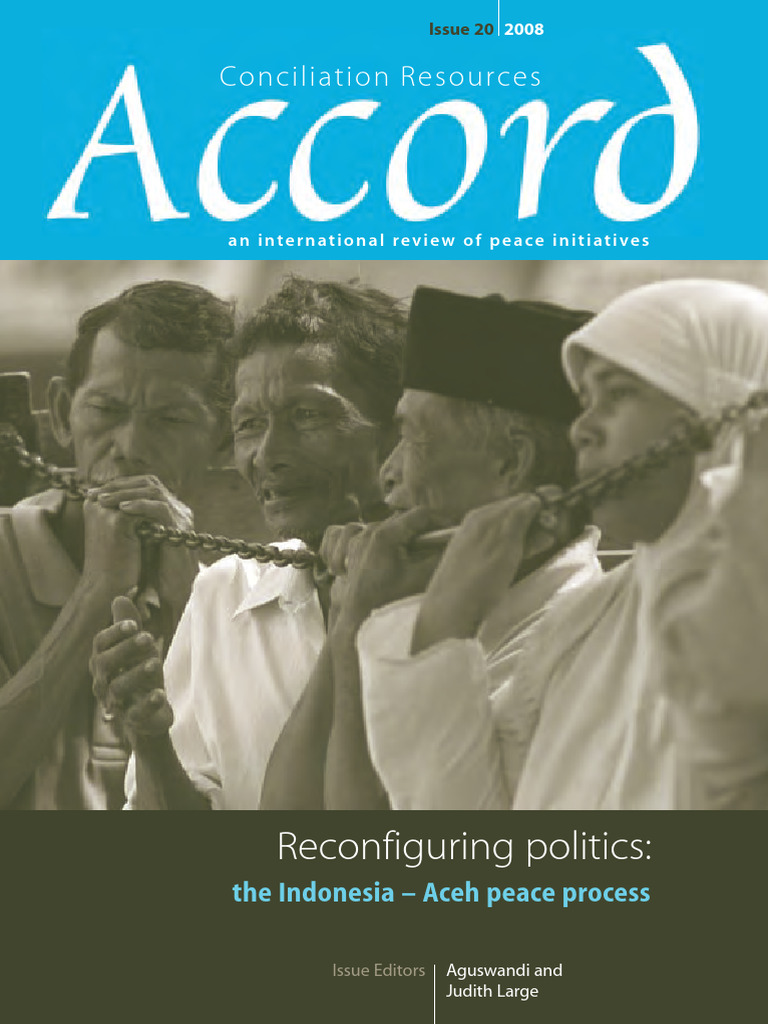
The Aceh peace process stands as a remarkable testament to resilience and recovery in Indonesia’s northern province, emerging as a beacon of hope following the catastrophic Aceh tsunami disaster in 2004. This devastating event, which claimed over 170,000 lives, not only obliterated homes and infrastructure but also shattered longstanding conflicts within the region. Following such profound loss, the Helsinki Peace Agreement was negotiated in 2005, which contributed significantly to conflict resolution in Aceh and paved the way for a new chapter in its history. The impact of the tsunami on peace efforts catalyzed a unique opportunity for dialogue, leading to disarmament and autonomy agreements that transformed the lives of many residents. As the province continues to rebuild after the tsunami, the lessons learned from the peace process remain crucial for sustaining harmony and fostering a unified future.
The reconciliation efforts in Aceh have shown the power of diplomacy and understanding in overcoming adversity. Often referred to as a model for conflict resolution, the negotiations that took place after the tragic tsunami underscored the vital role that international cooperation can play in resolving deep-rooted issues. The aftermath of this natural disaster highlighted the urgency for peace talks, enabling both the paramilitary and government to seek a harmonious existence through shared goals. Today, the legacy of the Helsinki Peace Agreement can be seen in the slowly revitalizing communities of Aceh, where the spirit of collaboration continues to inspire efforts toward unity. Ultimately, the Aceh experience teaches us vital lessons about the interplay between crisis management and peacebuilding.
The Aftermath of the Aceh Tsunami Disaster
The Aceh tsunami disaster of December 2004 was not just a natural calamity; it was a pivotal moment in the history of Indonesia’s Aceh province. With a death toll exceeding 170,000, the tsunami’s impact was devastating, destroying entire communities and causing unparalleled human suffering. However, amidst the wreckage emerged a crucial opportunity for peace in a region long plagued by conflict. The cataclysm served as a wake-up call for both the Indonesian government and the insurgent Free Aceh Movement (GAM), prompting a reevaluation of their priorities in light of the shared grief and loss experienced following such a catastrophic event.
In the immediate aftermath, international organizations and countries poured in humanitarian aid, not only to assist with recovery but also to facilitate peace talks. The urgency for rebuilding after the tsunami transcended military differences, as both sides recognized that a peaceful resolution could pave the way for reconstruction. The tsunami had shown the futility of war against the backdrop of a collective tragedy, creating a conducive environment for dialogue that would ultimately lead to the historic Helsinki Peace Agreement.
Frequently Asked Questions
What was the role of the Aceh tsunami disaster in the Aceh peace process?
The Aceh tsunami disaster in December 2004 acted as a crucial catalyst for the Aceh peace process. It devastated the region, resulting in immense loss of life and infrastructure, which shifted public sentiment towards seeking peace. As grief overcame the will to continue fighting, both the Indonesian government and the Free Aceh Movement (GAM) returned to negotiations, ultimately leading to the Helsinki Peace Agreement in 2005.
How did the Helsinki Peace Agreement contribute to conflict resolution in Aceh?
The Helsinki Peace Agreement, signed in August 2005, was instrumental in resolving the Aceh conflict. It established a framework for peace by offering special autonomy to Aceh, laying down disarmament protocols for GAM, and involving international observers to ensure compliance. This agreement created a path for rebuilding Aceh, allowing for a peaceful coexistence that has lasted for 20 years.
What impact did the tsunami have on the peace efforts in Aceh?
The tsunami significantly impacted peace efforts in Aceh by highlighting the urgent need for stability and reconstruction. The devastation it caused made it clear that ongoing conflict could no longer continue, as both sides faced overwhelming humanitarian challenges. Consequently, the disaster facilitated international intervention and mediation, paving the way for renewed talks that culminated in the Helsinki Peace Agreement.
How did rebuilding after the tsunami influence the Aceh peace process?
Rebuilding after the tsunami had a profound influence on the Aceh peace process by fostering a sense of unity and purpose among the affected communities. As the international community supported reconstruction efforts, it helped to create an environment conducive to negotiations. The commitment to rebuild was seen as a collective goal that transcended ethnic and political divides, ultimately underpinning the success of the peace agreement.
Why is the Aceh peace process considered a model for conflict resolution?
The Aceh peace process is regarded as a model for conflict resolution due to its successful transition from prolonged conflict to sustained peace through dialogue and compromise. The Helsinki Peace Agreement not only addressed the immediate grievances of the Acehnese people but also set a precedent for integrating humanitarian considerations into peace negotiations, as seen after the tsunami disaster.
What lessons can be learned from the Aceh peace process regarding post-disaster conflict resolution?
The lessons learned from the Aceh peace process emphasize the importance of addressing humanitarian needs in post-disaster scenarios. The tsunami brought about an urgency to find peaceful solutions, illustrating how natural disasters can create unique opportunities for dialogue. It also highlights the role of international mediation and local willingness to embrace peace, serving as a guide for other conflicts seeking resolution.
| Key Points | Details |
|---|---|
| Tsunami Impact | The tsunami in December 2004 catalyzed the end of the Aceh conflict, killing over 170,000 people and devastating the region. |
| Negotiation Process | The Helsinki Peace Agreement was signed in August 2005, led by Martti Ahtisaari, who received a Nobel Peace Prize in 2008 for his efforts. |
| Outcomes of Peace | Special autonomy granted to Aceh, amnesty for rebels, and disarmament of the Free Aceh Movement. |
| Long-lasting Peace | The peace process has been successful for 20 years, serving as a model for resolving conflicts through dialogue. |
Summary
The Aceh peace process is a remarkable example of how a devastating natural disaster can lead to lasting peace. The catastrophic tsunami of 2004 not only reshaped communities; it also served as a turning point that encouraged negotiations between conflicting parties in Aceh, Indonesia. The successful implementation of the Helsinki Peace Agreement in 2005 showcases the importance of dialogue and compromise in achieving reconciliation and stability. Today, the people of Aceh enjoy the fruits of peace, with improved living conditions and a sense of security, embodying hope and resilience.

