
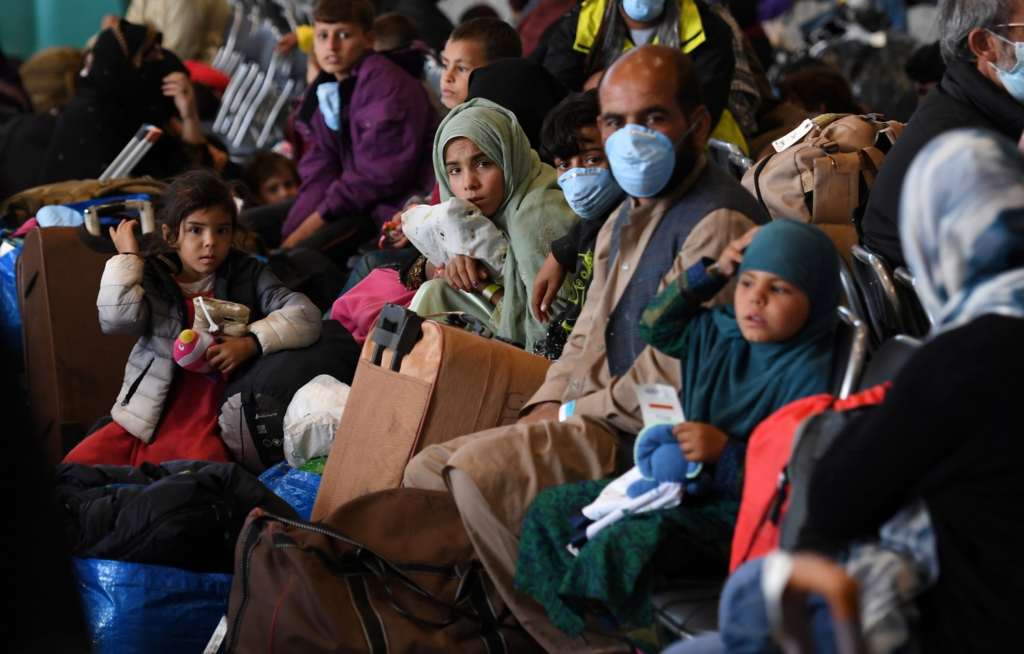
The Afghan evacuation Germany has become a pressing humanitarian issue, as countless Afghans desperately seek refuge from the Taliban’s reprisals. In recent weeks, the arrival of 141 Afghan refugees in Hannover highlights the ongoing efforts of Germany’s Federal Admission Program, which aims to resettle Afghan individuals and families at risk of deportation. As human rights violations against Afghan asylum seekers escalate, the urgency for safe passage into Germany is clearer than ever. With many still stranded in neighboring Pakistan, the risk of deportation looms large for those awaiting their chance for a new beginning in Germany. This critical situation calls for immediate action to uphold Germany’s commitment to Afghan refugees, ensuring their safety and providing a haven from persecution.
The recent evacuation of Afghan individuals to Germany serves as a stark reminder of the precarious plight faced by many who have fled their homeland. This resettlement initiative is crucial for Afghans, who may find themselves in severe danger due to the Taliban’s oppressive regime. Many individuals, including those working for the German government, have been caught in a bureaucratic limbo, leaving them vulnerable to deportation or worse. The ongoing debates about their human rights and immigration status reflect a broader commitment to humanitarian assistance and international responsibility. As nations grapple with their obligations to protect displaced populations, the outcry for Afghan asylum seekers continues to resonate throughout Germany and beyond.
Current Situation of Afghan Evacuation in Germany
The current state of Afghan evacuations shows a pressing urgency as many Afghans remain stranded in precarious situations after having fled their homeland. Approximately 260 individuals with confirmed entry commitments are waiting in Pakistan, facing the imminent threat of deportation. The latest evacuation flight saw 141 Afghans enter Germany, highlighting both the ongoing efforts and the challenges within the evacuations tied to the Federal Admission Program. This situation exemplifies the complexity and the bureaucracy involved in resettling Afghan refugees in Germany, where the Federal Ministry of the Interior has made significant progress, yet gaps remain in assisting those left behind.
The recent complexities regarding legal rights and visa approvals for Afghan refugees illustrate a profound urgency and humanitarian need. Some Afghan evacuees, including those who were local staff and judges, have struggled to secure their entries despite prior commitments. With the Pakistani government’s threats of deportation looming, the urgency for a streamlined process from the German government is clear. This scenario not only affects individuals but also perceived German commitments toward human rights and asylum for vulnerable populations.
Challenges and Legal Struggles for Afghan Refugees
Numerous Afghan refugees are facing significant challenges as they navigate the complex legal framework surrounding their status in Germany. While the Federal Admission Program has created pathways for many, those reliant on prior agreements, such as the Human Rights List and the bridging program, find themselves caught in a web of bureaucratic hurdles. Legal actions have emerged as a response, with some individuals successfully arguing in court for their rights to safe passage into Germany. Nevertheless, many have faced rejections and uncertainties, amplifying the risk of deportation as the Pakistani government prepares to act.
The stark reality is that, despite the judicial victories for some, many Afghans are still met with disappointment as their applications are considered non-binding and dismissed. Activism from organizations like Pro Asyl highlights the urgent need for Germany to fulfill its promises to Afghan asylum seekers. The ongoing legal battles underscore the critical link between effective refugee policy and the country’s moral responsibility to uphold human rights, raising questions about how effectively Germany can manage its commitments to Afghan refugees.
The Role of Humanitarian Organizations
Humanitarian organizations play a vital role in aiding Afghan refugees seeking resettlement in Germany. Groups like Kabul Air Bridge have been instrumental in monitoring the situation on the ground, advocating for the release and entry of those at risk. Their efforts not only assist individuals managing the logistics of escape and entry but also bring awareness to the international community regarding the plight of Afghan asylum seekers. These organizations amplify voices that might otherwise remain unheard, pushing for more robust action from the German government and holding it accountable for its promises.
Moreover, advocacy groups have forged partnerships with prominent figures who lend their voices to the cause, reflecting collective societal support for Afghan refugees. These initiatives are crucial in ensuring that the plight of Afghan people remains a priority in the political landscape. International pressure can often lead to significant changes in policy; thus, the synergy between humanitarian organizations and leading public figures is essential in preserving the integrity of Germany’s asylum system.
Impact of the Federal Admission Program on Afghan Resettlement
The Federal Admission Program has been central to the resettlement efforts of Afghan refugees in Germany since the Taliban’s resurgence. This program not only aims to facilitate safe passage for those at risk but also represents a shifting policy response to the urgent humanitarian crisis. Although the program has successfully admitted a number of individuals, it continues to face backlash regarding its reach and effectiveness. Many individuals are still waiting for their entry, and a critical evaluation of the program’s structure is necessary to address the gaps that leave many vulnerable to deportation.
The qualified success of the Federal Admission Program also raises questions about the broader implications for Germany’s refugee policy. As more Afghans arrive in Germany under this program, the government must reconcile its capacity for integration and settlement with ongoing commitments to those still seeking refuge. This scenario could set precedents for future responses to asylum cases and the treatment of deportation risks facing minority groups, including other refugee populations fleeing persecution worldwide.
Legal Framework Surrounding Afghan Asylum Seekers
The legal framework regarding Afghan asylum seekers reflects a complex intersection of international obligations and domestic policies. As Germany navigates its obligations under international law to protect those who fled persecution, the application of domestic policies has introduced complications that have thwarted many Afghan evacuees from securing asylum. Commitment shifts and legal reclassifications often leave individuals unsure of their status and legally vulnerable to deportation.
The current legal landscape shows a dichotomy between those individuals gaining asylum through successful appeals and those left without recourse. As the federal government adjusts its priority, it is crucial for legal avenues to remain accessible for Afghan asylum seekers struggling against a backdrop of evolving legal standards. Legal aid organizations continue to be essential in advocating for the rights of those awaiting determinations, ensuring that all voices are represented in this critical legal battleground.
Community and Public Sentiment Towards Afghan Refugees
The reception of Afghan refugees in Germany is shaped significantly by community and public sentiment, which has seen various responses since the Taliban takeover. Many Germans have expressed warmth and support for Afghans fleeing violence, advocating for their rights to seek asylum and integrate into society. This sentiment has been bolstered by activism, public campaigns, and initiatives that address the moral imperative to assist those in dire need.
However, mixed feelings persist within segments of the population, particularly regarding concerns about resource allocation and national security. As more Afghans settle into German society, fostering community understanding and integration becomes ever-important, necessitating proactive outreach and support systems to ensure refugees feel welcomed and valued. Positive community engagement can also effectively counter negative narratives that may emerge regarding Afghan refugees.
Appeals for Action from Prominent Figures
In light of the ongoing struggles faced by Afghan asylum seekers, prominent figures in Germany have begun to leverage their influence to push for a more compassionate and expedited response from the government. Open letters and public appeals penned by notable personalities underscore a broad consensus on the urgency to act on commitments made to these vulnerable individuals. The emotional weight of these letters appeals not just to the current moral obligation to help, but also to Germany’s reputation as a leader in human rights and refugee assistance.
Such appeals hold significant potential to sway public opinion and instigate governmental change, particularly when supported by widespread advocacy from organizations and the public. The convergence of celebrity influence and grassroots activism can create a robust force, mobilizing necessary changes to the policies that dictate the admission of Afghan refugees into Germany. By emphasizing the impact of these admissions on lives, alongside Germany’s international credibility, advocates can provoke a necessary reevaluation of the current approach.
Concerns Over Deportation Risks for Afghan Refugees
The looming threat of deportation for Afghan refugees in Germany is one of the most pressing concerns arising from the recent shifts in policy and legal proceedings. As the Pakistani government signals an intention to deport individuals who have not yet secured asylum in Germany, the human rights implications are troubling, especially for individuals who have fled persecution. Without immediate action, many Afghans may face a return to an environment of danger, compounding the urgency of their resettlement.
Furthermore, the risk of deportation is not merely a bureaucratic issue; it represents a significant humanitarian crisis that demands attention. The experiences of Afghan refugees highlight the importance of comprehensive legal frameworks that protect against such risks. Advocacy for more humane policies is essential not just for those currently at risk but also serves as a precedent for future asylum cases, underlining Germany’s commitment to upholding human rights standards.
The Future of Afghan Resettlement in Germany
Looking ahead, the future of Afghan resettlement in Germany requires strategic foresight and dedicated resources. Political will, alongside public support, will play crucial roles in determining the extent to which those at risk can find lasting safety and stability. As the current situation evolves, it becomes paramount for the government to reaffirm its commitments to Afghan refugees by facilitating smoother entry and support mechanisms.
Moreover, integrating Afghan refugees into German society relies on a multifaceted approach that includes education, language acquisition, and employment opportunities. A sustainable model of resettlement not only helps individuals build new lives but also enriches the entire community, fostering a diverse and inclusive society. In recognizing the complexities inherent in this system, Germany has a unique opportunity to lead by example in humanitarian assistance and resettlement programs that could inspire other nations facing similar challenges.
Frequently Asked Questions
What is the current status of Afghan evacuation to Germany?
As of now, several Afghan refugees are successfully entering Germany, specifically through the Federal Admission Program. Recently, 141 Afghans arrived at Hannover Airport, including individuals from this program and those associated with local staff procedures. However, approximately 260 Afghans are still waiting in Pakistan, facing a notable risk of deportation.
How does the Federal Admission Program facilitate Afghan resettlement in Germany?
The Federal Admission Program is designed to allow Afghans who have faced persecution, particularly due to their work with the German government, to resettle in Germany. This program provides binding commitments for entry, allowing eligible individuals to gain asylum and protection against deportation risks.
What challenges are Afghan refugees facing in Germany regarding their resettlement?
Afghan refugees in Germany are encountering significant challenges, such as delays in their admission process and potential deportation risks if they remain in Pakistan. Recent decisions by German courts have impacted the status of earlier commitments, ultimately complicating the asylum process for many Afghans.
Are Afghan women at a higher risk of deportation from Germany?
While Afghan women are part of the vulnerable groups benefiting from the Federal Admission Program, the risk of deportation applies broadly to all Afghans waiting for entry to Germany. The situation is critical, with advocacy groups urging for protections that address the specific risks faced by Afghan women, especially in light of human rights concerns.
How can Afghan refugees in Pakistan ensure their admission to Germany?
Afghan refugees in Pakistan should stay informed about their application status through the Federal Admission Program, potentially seeking legal assistance if their entry is delayed. It’s crucial for those with binding commitments to maintain communication with relevant agencies in Germany to secure their admission and mitigate deportation risks.
What has been the response of German organizations regarding the Afghan evacuation process?
Numerous German organizations, including Pro Asyl and Reporters Without Borders, have actively called on the German government to honor its commitments to Afghan refugees. Public figures and advocates are emphasizing the urgent need for clarity and support for all individuals, particularly those who faced threats due to their association with the German government.
What happens to Afghan evacuees upon arriving in Germany?
Upon arrival in Germany, Afghan evacuees are typically taken to an accommodation facility in Friedland, Lower Saxony, where they can begin the integration process. From there, they are relocated to their respective permanent residences as part of the resettlement program.
What legal actions are Afghans taking regarding their admission to Germany?
Some Afghan individuals have taken legal action to compel the German government to fulfill its admission promises, particularly under the Federal Admission Program. Successful court cases have highlighted the obligation of the federal government to address entry applications promptly, despite previous halts in admissions.
Why is there urgency surrounding the Afghan evacuation process to Germany?
The urgency stems from the imminent deportation risks facing Afghan refugees in Pakistan, as the government there has indicated this could begin in the new year. Advocacy groups are urging for timely admissions to safeguard lives and Germany’s credibility in honoring its commitments to Afghan allies.
| Key Points |
|---|
| Around 260 Afghans are still waiting in Pakistan for entry to Germany and face deportation risks. |
| 141 Afghans entered Germany through Hannover Airport, including those from the Federal Admission Program and local staff procedures. |
| A former Afghan judge’s family, initially rejected, received visas after legal action, highlighting inconsistencies in the process. |
| 264 Afghans from the Federal Admission Program and 45 from local staff procedures still await flights to Germany. |
| The Pakistani government threatens deportation for waiting Afghans, increasing urgency for their admission. |
| Some Afghans successfully contested in court for admission, but many older commitments have been classified as non-binding. |
| Prominent figures urge the German government to honor admission promises, emphasizing the stakes involved. |
Summary
The Afghan evacuation Germany has reached a critical juncture as many Afghans remain in peril due to lack of timely support and ongoing threats of deportation. Despite some successful entries into Germany, hundreds are still stranded in Pakistan under precarious circumstances, reflecting the urgent need for Germany to act on its commitments to these vulnerable individuals. With calls from public figures and organizations intensifying, the focus remains on ensuring a safe passage for all approved applicants before further delays worsen their plight.

