
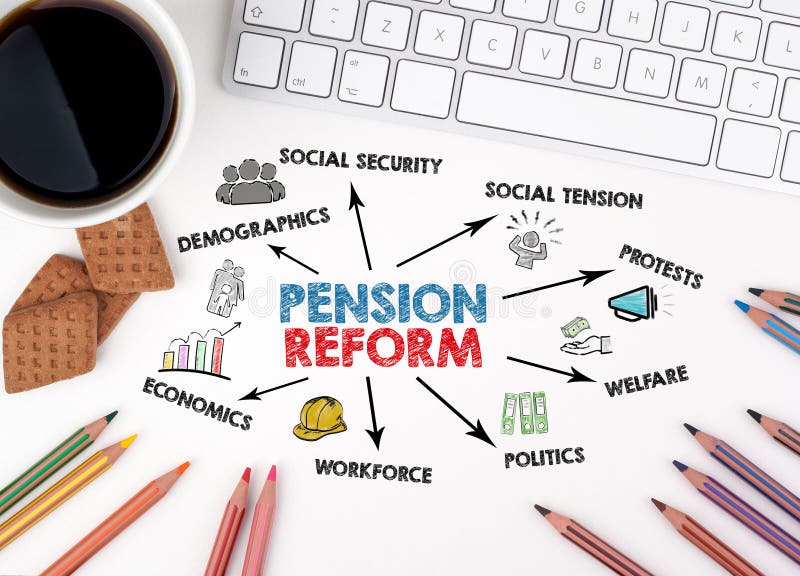
Pension reform remains a crucial issue as the need for sustainable retirement solutions intensifies in our aging society. With discussions led by figures like Verdi Union Chairman Frank Werneke, the focus has turned to wealth tax and its potential impact on retirement income levels. Werneke emphasizes the importance of a robust redistribution policy to ensure that wealthier individuals shoulder a fairer tax burden, allowing for greater support of retirees. Balancing these reforms is critical, especially as proposals for raising the retirement age loom, which could jeopardize the financial security of millions. As the dialogue evolves, maintaining an equitable distribution of resources will be essential to secure a dignified retirement for future generations.
Reforming the pension system is a pressing endeavor aimed at ensuring long-term financial stability for retirees. This initiative involves examining current retirement funding and assessing alternatives that could enhance security for the elderly population. Key stakeholders, including labor leaders and economic analysts, are advocating for a more equitable tax structure to alleviate the strain on public resources and support an aging demographic. The discussion touches on pertinent topics such as wealthier citizens stepping up through higher taxation and the implications of raising the age of retirement. A thoughtful approach to these critical issues will pave the way for a sustainable and fair retirement system in the future.
Understanding the Need for Pension Reform
Pension reform is an urgent topic that needs to be addressed within the modern workforce, as highlighted by Verdi Chief Frank Werneke. The current pension system faces numerous pressures, particularly with suggestions to raise the retirement age, which could disproportionately affect seniors. This reform initiative aims to ensure that pensions are sustainable and equitable, but it raises critical concerns about the level of benefits that future retirees can expect. The call for wealthier individuals to contribute more through a wealth tax underscores the necessity of a fairer redistribution policy that prioritizes the financial well-being of lower-income retirees.
The dialogue surrounding pension reform isn’t just focused on what needs to change but also on who should shoulder the burden of these changes. Frank Werneke has made it clear that the potential for pensions to be aligned only with inflation—rather than wages—could lead to severe declines in benefits for millions of retirees. It is imperative that reform discussions include all stakeholders to ensure that the needs of the most vulnerable populations are acknowledged. The underlying principle should be clear: securing a dignified retirement for all, which can fundamentally reshape the landscape of retirement provision.
Frequently Asked Questions
What is the main goal of the current pension reform initiatives?
The main goal of the current pension reform initiatives is to ensure sustainable retirement provision for future retirees. Verdi Chairman Frank Werneke emphasizes that pension reform must focus on increasing the pension level to prevent declines in benefits, especially for those receiving low pensions. This can be achieved through effective redistribution policies that require wealthier individuals to contribute a higher share.
How does Frank Werneke propose to fund the pension reforms?
Frank Werneke proposes that funding for pension reforms should come through wealth tax and changes in tax policy that ensure wealthy individuals and rich heirs bear a more significant share of the tax burden. By redistributing wealth, pensions can be better supported without shifting the burden onto lower-income retirees.
Why is the retirement age a contentious issue in pension reform discussions?
The retirement age has become a contentious issue because proposals to raise it could negatively impact seniors who rely on pensions. Frank Werneke from the Verdi Union warns that increasing the retirement age could jeopardize the financial security of older workers and suggests that instead of raising the retirement age, there should be a focus on ensuring adequate pension levels for all.
What are the potential risks associated with the current pension commission’s proposals?
The potential risks associated with the current pension commission’s proposals include a decline in pension levels if adjustments move from being tied to wages to being tied only to inflation. Frank Werneke warns that this change would significantly impact millions of retirees by decreasing their purchasing power and financial security.
How does the Verdi Union view the relationship between pension levels and income?
The Verdi Union, led by Frank Werneke, views the relationship between pension levels and income as critical. They argue that the pension system should reflect an equitable distribution of wealth, ensuring that pensions are increased proportionately to average income. This approach would help safeguard the financial well-being of retirees, particularly those on lower pensions.
What is the significance of the 48 percent safety line in the pension reform?
The 48 percent safety line is significant in pension reform as it establishes a minimum standard for pension levels relative to average income for the next six years. This safety line aims to protect federal funds from falling below a specific threshold, ensuring that retirees receive adequate financial support.
What role do wealth taxes play in pension reform according to Frank Werneke?
According to Frank Werneke, wealth taxes play a crucial role in pension reform by providing a means to increase funding for pensions through equitable redistribution. By imposing higher taxes on wealthier individuals, Werneke believes it can help alleviate the financial strain on the pension system and support those receiving lower pensions.
How might changes in pension adjustments affect retirees?
Changes in pension adjustments, particularly if they shift from being aligned with wage growth to inflation-only adjustments, could negatively impact retirees by diminishing their purchasing power over time. Frank Werneke warns that such changes would lead to a decline in the overall standard of living for many retirees, underscoring the importance of maintaining wage-based adjustments.
What is Verdi’s position on the proposed pension package changes?
Verdi’s position on the proposed pension package changes is critical, as they believe that aspects of the reforms, such as potentially increasing the retirement age and altering how pensions are adjusted, would adversely affect the most vulnerable retirees. Verdi advocates for reforms that prioritize adequate pensions and oppose measures that could lead to decreased benefits.
| Key Points | Details |
|---|---|
| Pension Reform Commission | A commission has been set up to propose pension reform measures. |
| Concerns About Pensions | Frank Werneke warns that pensions may decline and not keep up with wages if only adjusted for inflation. |
| Retirement Age Discussions | The commission may discuss increasing the retirement age, which Werneke opposes. |
| Safety Line Established | A legally fixed minimum pension level is set at 48% of average income for the next six years. |
| Need for Redistribution | Werneke advocates for wealthier individuals and heirs to contribute more through taxes to improve pension levels. |
Summary
Pension reform is a pressing issue that requires urgent attention to ensure that future retirees are not left at a disadvantage. The Verdi Chief, Frank Werneke, emphasizes that without proper measures, pensions could decline significantly, impacting millions. He calls for the wealthier segments of society to bear a more substantial portion of the tax burden to facilitate necessary redistributions, ensuring that pensions are not only safeguarded but also improved. This approach aims to provide greater financial security for all retirees, addressing the disparities in pension levels.

