
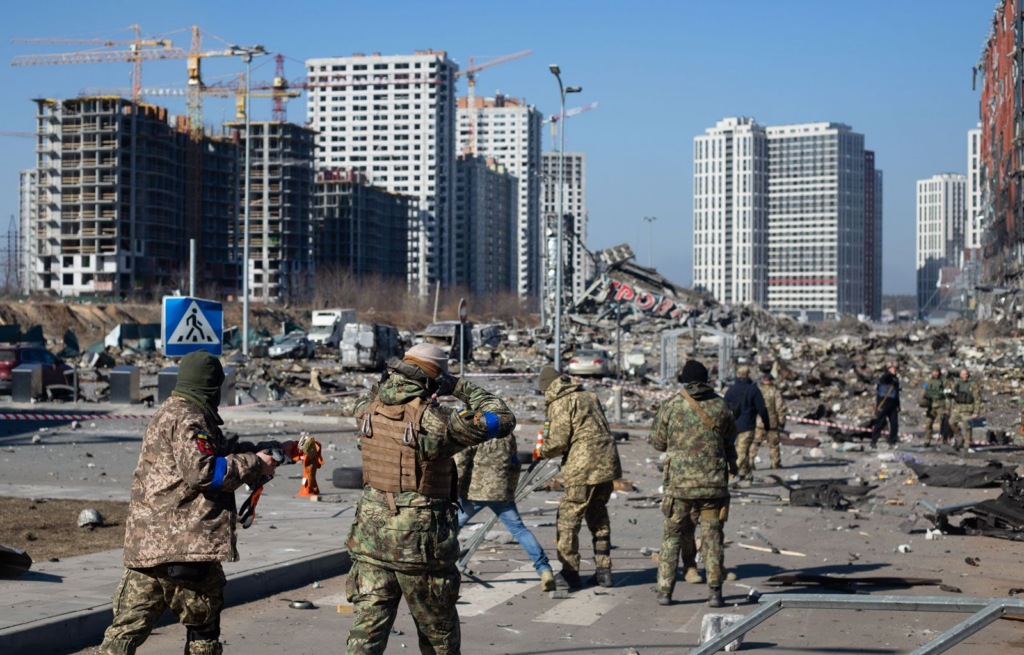
The War in Ukraine has captured global attention as a complex geopolitical crisis continues to escalate. With the USA advocating for diplomacy, both Russian President Putin and Ukrainian President Zelenskyy appear to be at pivotal junctures in their respective strategies. While Zelenskyy has expressed a willingness to negotiate, he also emphasizes the need for specific conditions that must be met before any dialogue can commence. On the other hand, Putin has shown openness to discussions, particularly through potential negotiations with French President Macron. The ongoing dynamics of the Russia Ukraine talks are crucial to understanding the current trajectory of the Ukraine conflict, making it imperative to stay updated with the latest developments.
The ongoing conflict in Eastern Europe, commonly referred to as the Ukraine war, has sparked extensive international discourse around peace negotiations. Diplomatic efforts are being pushed by various nations, with key players including Russian leader Vladimir Putin and Ukrainian counterpart Volodymyr Zelenskyy, both of whom are navigating a landscape tense with historical animosities and potential resolutions. Zelenskyy’s conditions for dialogue underline the complexities faced by Ukraine, while Putin’s willingness to engage—especially in light of discussions with Macron—adds another layer to this intricate web of international relations. As updates regarding the Ukraine conflict unfold, the global community remains vigilant, analyzing the implications of every negotiation round and statement from these influential leaders.
Understanding the Dynamics of the War in Ukraine
The ongoing war in Ukraine has not only transformed the political landscape of Eastern Europe but has also reshaped global dynamics. The conflict, which erupted following Russia’s annexation of Crimea in 2014 and escalated into full-scale hostilities in 2022, has drawn international attention. Various geopolitical players, including the USA and European leaders, are actively seeking a resolution to the crisis. The complexities of the war are underscored by the various negotiations that have occurred between the involved parties, each with its own terms and conditions.
While President Zelenskyy of Ukraine has expressed a willingness to engage in talks, he has clearly laid out specific conditions that must be met before any negotiations can proceed. These conditions primarily revolve around Ukraine’s territorial integrity and the status of Russian forces within Ukrainian borders. Meanwhile, President Putin has also indicated a readiness to negotiate, potentially under the auspices of international leaders such as French President Emmanuel Macron, hinting at a multi-faceted approach to diplomacy in this volatile situation.
The Role of Negotiations in the Ukraine Conflict
Negotiations play a crucial role in resolving conflicts, and the War in Ukraine is no exception. The United States is currently striving to facilitate negotiations between Russia and Ukraine, reflecting a broader commitment to diplomacy over military solutions. This push for dialogue has been met with varying degrees of openness from both parties. Zelenskyy’s conditions for talks often center around issues of sovereignty and security, emphasizing that any agreement must prioritize Ukraine’s rights and safety.
On the other hand, Putin’s willingness to engage in dialogue, particularly highlighted through his interactions with leaders like Macron, showcases Russia’s interest in reintegrating into the international community and possibly easing sanctions. However, the backdrop of arrest warrants and accusations against Russian leaders complicates these discussions, as emphasized by WELT chief reporter Tatjana Ohm. The future of these negotiations remains uncertain, highly contingent on both sides’ ability to navigate these sensitive issues.
Current Updates on the Ukraine Conflict
As the war in Ukraine continues to evolve, staying updated on the latest developments is crucial for understanding the ongoing dynamics at play. Various media sources regularly report on military advancements, humanitarian crises, and diplomatic efforts aimed at conflict resolution. Recent updates highlight increased military aid to Ukraine from Western nations, coupled with persistent calls for negotiations from international leaders who recognize the importance of a peaceful resolution.
In these updates, crucial figures like President Zelenskyy are often highlighted for their efforts in rallying international support. His statements indicate a strategic balancing act—remaining open to negotiations while also calling for necessary security guarantees. Chinese involvement, regional impacts, and the implications of international sanctions on Russia are also pivotal points that create a complex web of considerations in these ongoing discussions.
The Implications of Putin’s Negotiation Strategies
Putin’s approach to negotiations concerning the war in Ukraine reveals a strategic mindset that prioritizes Russia’s position on the global stage. His willingness to engage in dialogue with leaders such as Macron showcases a nuanced strategy designed not only to seek a resolution to the conflict but also to reshape perceptions of Russia’s role in world affairs. However, this strategy is multi-layered; by engaging in dialogue, Putin aims to project a sense of normalcy and legitimacy restored to Russia’s international engagements.
Moreover, Putin’s negotiation tactics often include leveraging his military capabilities as a form of bargaining chip. The conditions set by Zelenskyy, which focus on securing guarantees for Ukraine’s sovereignty, pose a significant challenge to Putin’s objectives. This diplomatic stalemate affects regional allies and influences larger geopolitical strategies, illustrating the interconnected nature of these negotiations that extend far beyond the immediate conflict.
Zelenskyy’s Conditions for Peace: A Closer Look
President Zelenskyy’s conditions for peace negotiations are critical in shaping any potential agreements with Russia. His firm stance on maintaining Ukraine’s territorial integrity is central to his approach, and he insists that a ceasefire must be coupled with a withdrawal of Russian troops from Ukrainian territory. These conditions underscore the importance of sovereignty and security in any dialogue, reflecting a broader commitment to not only end hostilities but also to prevent future aggression.
Furthermore, Zelenskyy’s openness to negotiations is tempered by the necessity for international guarantees that Ukraine would not face similar threats in the future. His approach indicates a strategy designed not only to resolve the current situation but also to strengthen Ukraine’s long-term security and stability. As negotiations unfold, the balancing act between seeking peace and safeguarding national interests remains paramount for the Zelenskyy administration.
Macron’s Role in Facilitating Dialogue
French President Emmanuel Macron has emerged as a key intermediary in the ongoing discussions surrounding the War in Ukraine. His frequent communications with President Putin and support for Ukraine’s sovereignty illustrate his commitment to finding a diplomatic solution. By engaging in dialogues with both parties, Macron aims to bridge the gap and foster an atmosphere conducive to negotiations, even amid conflicting demands and conditions.
Macron’s role is particularly significant given the geopolitical implications of the conflict. His ability to balance dialogue with Putin while simultaneously supporting Zelenskyy is crucial in attempting to create a pathway to peace. As discussions continue, the effectiveness of Macron’s diplomatic efforts will be closely scrutinized by the international community, eager for signs of progress toward resolving this protracted conflict.
The International Response to the Ukraine Crisis
The international response to the crisis in Ukraine highlights the collective effort to address the humanitarian and geopolitical consequences of the war. Countries around the globe have mobilized support for Ukraine through sanctions against Russia, military aid, and humanitarian assistance. These initiatives underscore a widespread commitment to uphold international norms and rules against aggression, signaling solidarity with Ukraine during this challenging period.
In addition to direct support, the international community has emphasized the importance of diplomatic efforts aimed at resolving the conflict. Organizations such as the United Nations and the European Union are actively exploring frameworks for peace talks, reflecting the recognition that a long-term solution requires participation from both Russia and Ukraine. The ongoing global discussions serve to illuminate the intricate web of international relations impacted by the war in Ukraine.
The Humanitarian Impact of the Ukraine Conflict
The war in Ukraine has led to a significant humanitarian crisis, with millions of people displaced and in urgent need of assistance. The impact of the conflict extends beyond the battlefield, affecting civilians who are facing dire conditions due to military actions. In response, various humanitarian organizations are working tirelessly to provide relief, including food, shelter, and medical care for those affected by the ongoing violence.
Moreover, the humanitarian situation calls attention to the broader implications of the war on regional stability and security. The influx of refugees into neighboring countries, as well as the internal displacement of Ukrainians, presents challenges for both Ukraine and its allies. Efforts to mitigate these humanitarian impacts are crucial for not only alleviating immediate suffering but also for fostering a sustainable peace in the long term.
Future Perspectives on the War in Ukraine
As the war in Ukraine marches forward, various perspectives and potential outcomes emerge. Analysts speculate on whether diplomatic efforts will prevail or if military confrontation will continue to dominate the landscape. The interplay between ongoing negotiations led by key figures like Zelenskyy and Putin, and the pressing conditions they lay out, suggests that the future of this conflict is still very much in flux. Observers are particularly keen on monitoring how international dynamics will influence the unfolding situation.
Furthermore, future perspectives on the conflict involve considering the societal changes within Ukraine as a result of the war. The resilience and determination of the Ukrainian people have garnered global admiration, reinforcing the notion of collective identity and national pride. As negotiations progress, understanding the societal impact of the war will become increasingly important in shaping Ukraine’s future, whether through integration into European frameworks or rebuilding post-conflict.
Frequently Asked Questions
What are the latest updates on the War in Ukraine regarding Putin negotiations?
The latest updates indicate that President Putin has expressed a willingness to engage in negotiations regarding the War in Ukraine, as highlighted by ongoing talks with various leaders, including French President Macron. This showcases a potential shift towards dialogue, despite the complexities surrounding the situation.
What conditions has Zelenskyy set for negotiations in the Ukraine conflict?
President Zelenskyy has been open to the idea of negotiating peace in the Ukraine conflict. However, he has set specific conditions that must be met before any talks commence, ensuring Ukraine’s interests and sovereignty are prioritized in the peace process.
How are Russia Ukraine talks evolving amidst the current tensions?
The Russia Ukraine talks are evolving with renewed interest from international parties, including the USA, aiming to mediate discussions between the two nations. While both sides have shown tentative openness, significant hurdles remain, particularly concerning war accountability and territory.
What role is Macron playing in the dialogue with Putin regarding the War in Ukraine?
French President Macron is playing a crucial role in the dialogue with Putin regarding the War in Ukraine. His attempts to facilitate communication signal broader European engagement aimed at de-escalating tensions and finding a diplomatic solution.
What is the significance of the arrest warrant in the context of Putin negotiations?
The arrest warrant issued against Putin significantly complicates negotiations surrounding the War in Ukraine. It serves as a critical point in discussions, as it raises concerns about potential legal ramifications for Putin while seeking a peaceful resolution.
| Key Points |
|---|
| The USA’s role in the conflict |
| Attempts to initiate negotiations between Russia and Ukraine |
| Zelenskyy’s openness to talks with conditions |
| Putin’s willingness to communicate with Macron |
| The significance of the arrest warrant mentioned by Tatjana Ohm |
Summary
The War in Ukraine continues with ongoing diplomatic efforts to initiate peace talks. The USA has stepped in, encouraging both Russia and Ukraine to engage in negotiations, demonstrating a proactive approach to resolving the conflict. Ukrainian President Zelenskyy remains open to discussions but insists on specific preconditions, reflecting his country’s position amidst the turmoil. Meanwhile, Russian President Putin has shown some willingness to talk with French President Macron, indicating potential shifts in diplomatic relations. However, the looming arrest warrant complicates these engagements, as highlighted by WELT chief reporter Tatjana Ohm. Overall, the complexities of the War in Ukraine highlight both the challenges and opportunities for achieving lasting peace.

