
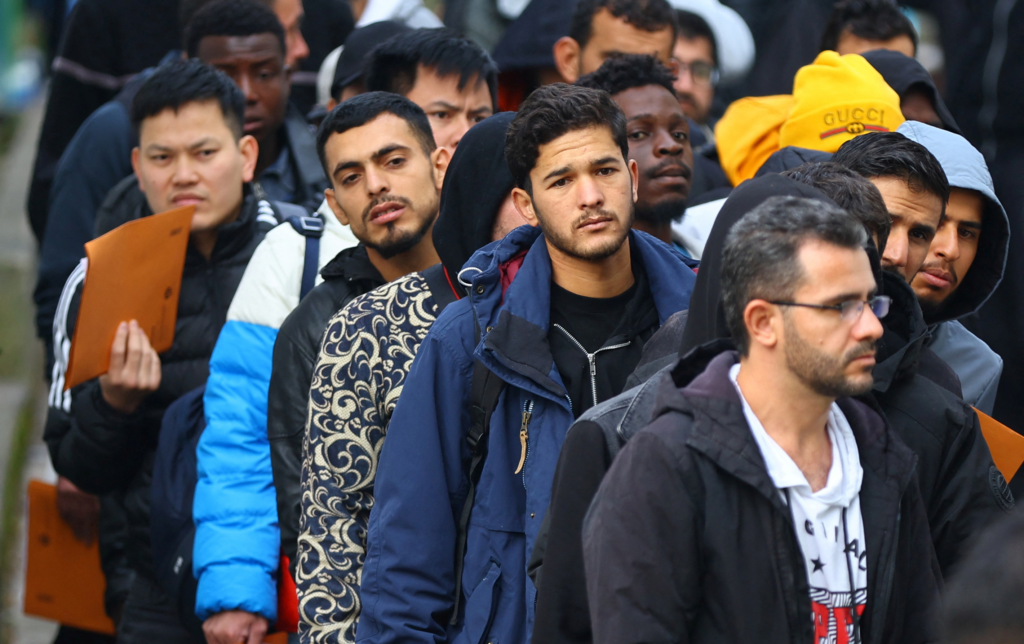
Migrants in Germany have become a pivotal part of the nation’s evolving identity, contributing to its diverse cultural fabric and economy. Recent changes in immigration laws and policies, particularly around family reunification in Germany, have sparked significant discussions about their implications for those seeking a new life in the country. Cities like Eisenhüttenstadt are emerging as key reception centers for migrants, shaping the landscape of integration and community support. As the government revises visa statistics in Germany, debates continue over the effectiveness of these reforms and their impact on families wanting to unite. Understanding the Brandenburg migration policy is critical to navigating this complex environment, as it reflects broader trends affecting newcomers’ experiences across the nation.
Individuals relocating to Germany for various reasons, whether to escape hardship or pursue better opportunities, are often referred to as new arrivals or expatriates. These individuals play an essential role in shaping Germany’s labor market and cultural dynamics, with recent legislation impacting processes like family reunification, vital for maintaining familial ties. The city of Eisenhüttenstadt serves as a frontline for many of these newcomers, providing necessary reception and integration services. As the nation tracks visa statistics and adjusts its Brandenburg migration policy, it reveals the complexities of managing an increasingly diverse population. The discussion around these topics highlights the ongoing journey of immigrants as they seek to establish themselves in German society.
Understanding Family Reunification Policies in Germany
Family reunification plays a crucial role in the settlement process of migrants in Germany. Recent reforms by the black-red coalition have stirred significant debate about the adequacy and accessibility of family reunification for migrants. As new restrictions come into play, many migrants find themselves navigating an increasingly complex visa application process to bring their family members to Germany. The changing dynamics of policies aim to balance integration efforts while addressing public concerns regarding immigration.
In Germany, family reunification serves as a bridge for migrants, helping them establish a stable presence and fully participate in their new society. However, the restrictions imposed by the government raise questions about the future of many families separated by borders. Visa statistics from recent months reveal a decline in approved family reunion visas, prompting organizations to advocate for more accessible paths for families in need. Understanding the implications of these policies is key to fostering stronger communities and supporting migrant integration.
Eisenhüttenstadt: A Glimpse into Migrant Reception
Eisenhüttenstadt, located in Brandenburg, serves as an initial reception facility for migrants. This small city has become a focal point for many seeking refuge and a new life in Germany. The facility not only provides basic essentials but also information about various migration policies, including family reunification. Being in a designated reception area, migrants receive guidance on how to navigate legalities, including visa applications and the options available to them and their families.
The unique dynamics of the Eisenhüttenstadt facility illustrate the broader trends affecting migrants in Germany. Here, individuals from diverse backgrounds come together, sharing their experiences and cultures while adapting to a new environment. The support from local authorities and non-profits in the region enhances the reception experience, creating a community that fosters integration. Moreover, the facility serves as a case study for analyzing the effectiveness of Brandenburg’s migration policy in addressing the needs of newcomers.
Visa Statistics: A Reflection of Migratory Patterns in Germany
Visa statistics in Germany provide insightful reflections on the migratory patterns and challenges faced by various nationalities seeking residence. Recent trends indicate that certain nationalities dominate the visa issuance landscape, reflecting geopolitics and socio-economic factors in their home countries. This statistical analysis serves as a guide for policymakers to evaluate existing regulations surrounding family reunification and overall immigration.
For migrants, understanding these statistics is vital as they signify the opportunities and challenges in obtaining a visa to Germany. These trends can shape individual decisions regarding migration, influencing where they seek to settle and whether they apply for family reunification visas. Monitoring visa statistics not only informs those currently navigating the system but can also help predict areas where resources and support may be needed in the future.
Brandenburg Migration Policy: Challenges and Opportunities
Brandenburg’s migration policy has been the subject of significant scrutiny, especially in light of recent reforms affecting migrants and their families. The state has made efforts to establish clear guidelines to streamline the settled process for newcomers while addressing societal concerns about migration. However, the balance between welcoming new residents and enforcing stricter regulations has created challenges for many, especially regarding family reunification.
Migrants in Brandenburg must navigate a complex landscape where policies can change swiftly based on political narratives. The effectiveness of these policies is often evaluated by looking at how well they serve the interests of both the local communities and the migrants themselves. As family reunification processes become more restrictive, advocacy groups continue to press the government to consider the human element of migration, emphasizing the importance of family connections in successful integration.
Frequently Asked Questions
What are the requirements for family reunification in Germany for migrants?
Family reunification in Germany allows migrants to bring close family members to join them in the country. Requirements typically include proof of residence in Germany, sufficient income, health insurance, and adequate housing. Understanding these criteria is crucial for migrants seeking to reunite with their families under the current immigration regulations.
What is the current situation for migrants in Eisenhüttenstadt?
Eisenhüttenstadt serves as an initial reception facility for many migrants in Germany, particularly in Brandenburg. It provides essential services and processing for newcomers. Migrants there often face challenges such as language barriers and integration into German society but also have access to local community support.
How do the latest visa statistics in Germany impact migrants?
The latest visa statistics in Germany show a significant number of issued visas to migrants from specific nationalities. These statistics aid in understanding migration trends and assist policymakers in shaping effective migration policies that address the needs of these communities.
What are Brandenburg’s migration policies for new migrants?
Brandenburg’s migration policy focuses on facilitating integration and supporting refugees and migrants. Initiatives include language courses, employment programs, and community engagement to help migrants settle and thrive in the region.
How have recent reforms affected family reunification for migrants in Germany?
Recent reforms in Germany have introduced stricter regulations on family reunification, aiming to control the flow of migrants. Critics argue that these measures may hinder genuine reunification efforts for many families hoping to unite in Germany.
| Key Point | Description |
|---|---|
| Significance of Reform | The recent reform by the black-red coalition aims to modify the policies around family reunification for migrants. |
| Family Reunification Restrictions | The coalition has implemented restrictions on family reunification which may affect many migrants. |
| Visa Statistics | According to WELT AM SONNTAG, certain nationalities are leading in the number of visas issued. |
| Location of Migrants | Migrants are currently staying in reception facilities like the one in Eisenhüttenstadt, Brandenburg. |
Summary
Migrants in Germany face new challenges due to recent reforms restricting family reunification. These changes by the government significantly impact the ability of migrants to bring family members to join them. The table above highlights key points surrounding these changes, indicating a focus on visa distribution among specific nationalities. It is crucial for migrants in Germany to stay informed about these policies as they navigate their integration process.

