
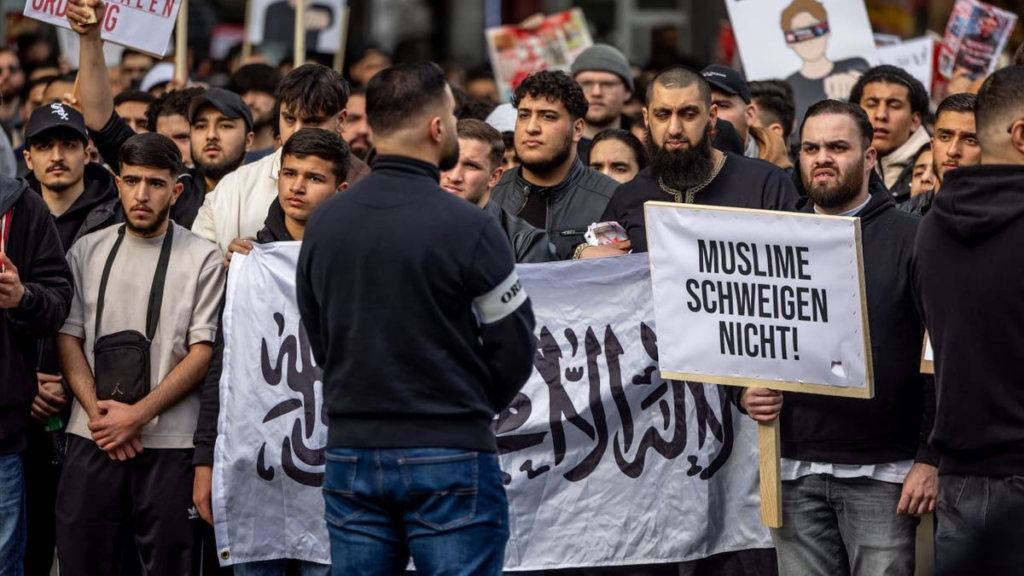
Islamist terrorism in Germany poses a significant and escalating threat to national security. As highlighted by terrorism expert Rolf Tophoven, there exists a persistent and abstract level of menace from militant Islamist groups targeting the country. Over recent years, radicalization in Germany has become increasingly prevalent among young individuals, often fueled by the pervasive influence of social media platforms. This worrying trend raises urgent concerns about the safety of citizens and the effectiveness of counter-terrorism measures. Addressing the Germany terrorism threat requires not only governmental action but also a focused approach to counteract the online radicalization that is transforming vulnerable youth into potential perpetrators.
The issue of extremist violence linked to Islamist ideologies has taken root in Germany, with authorities acknowledging an uptick in associated risks. The radicalization of individuals, particularly through digital networks, underscores a chilling development that authorities must actively combat. Experts like Rolf Tophoven have noted that the recruitment and indoctrination of potential operatives often occur in informal online environments, making it a complex challenge. This evolving landscape demands a nuanced response from security agencies and community stakeholders to prevent another crisis. As the nation grapples with the repercussions of these threats, understanding the role of social media in promoting extremist narratives is crucial.
Understanding the Threat of Islamist Terrorism in Germany
Germany has become a focal point in the discourse surrounding Islamist terrorism, with security experts like Rolf Tophoven emphasizing the persistent high level of threat posed by militant Islamist groups. These groups have demonstrated a significant capacity for recruitment and radicalization, targeting predominantly young individuals within the country. The daunting challenge of mitigating such a threat lies not only in the physical security measures but also in understanding and addressing the socio-political dynamics that enable radicalization.
The radicalization process in Germany is particularly concerning due to the rise of digital platforms that facilitate ideological indoctrination. Social media serves as a powerful tool for militants, allowing them to disseminate propaganda and connect with vulnerable youth—a phenomenon that has been observed increasingly in Germany. Authorities must now contend with the dual task of enhancing surveillance and counter-radicalization efforts to combat the online presence of extremist groups.
Frequently Asked Questions
What is the current terrorism threat level in Germany related to Islamist terrorism?
The current terrorism threat level in Germany regarding Islamist terrorism remains high, as warned by terrorism expert Rolf Tophoven. Authorities continue to monitor and address the potential danger posed by militant Islamist groups operating both domestically and internationally.
How are militant Islamist groups influencing radicalization in Germany?
Militant Islamist groups influence radicalization in Germany through targeted recruitment efforts and propaganda, particularly on social media platforms. These groups exploit vulnerabilities among young individuals, leading to increased cases of homegrown terrorism.
What role does social media play in radicalization concerning Islamist terrorism in Germany?
Social media serves as a crucial tool for radicalization in Germany, allowing militant Islamist groups to spread their ideology and recruit followers effectively. Young people are often drawn into extremist narratives via these platforms, making it essential for security measures to address online risks.
Who is Rolf Tophoven, and what insights does he provide about Islamist terrorism in Germany?
Rolf Tophoven is a prominent terrorism expert who has extensively studied the security situation in Germany. His insights highlight the ongoing threat from Islamist terror groups and the methods used for radicalization, particularly through online channels among youth.
What measures are being taken to combat Islamist terrorism threats in Germany?
Germany is implementing various measures to combat Islamist terrorism, including increased surveillance of social media, community engagement programs to counter radicalization, and collaboration between domestic intelligence agencies and international partners to disrupt militant Islamist activities.
How does radicalization in Germany compare to other countries facing Islamist terrorism?
Radicalization in Germany demonstrates unique characteristics influenced by the country’s socio-political landscape and multicultural demographics. While many countries face Islamist terrorism challenges, Germany’s focus on social media engagement among youth sets it apart, as emphasized by terrorism analysts like Rolf Tophoven.
| Key Points | Details |
|---|---|
| High Threat Level | Germany faces a sustained high level of threat from Islamist militant groups. |
| Radicalization of Youth | Young individuals are increasingly radicalizing through social media platforms. |
| Expert Warning | Terrorism expert Rolf Tophoven provides insights on the security situation. |
Summary
Islamist Terrorism in Germany remains a critical concern for national security as the country is increasingly seen as a target for militant Islamist groups. With young individuals becoming radicalized through social media, the landscape of terrorism in Germany is evolving, posing a unique challenge for law enforcement and security agencies. Continuous monitoring and strategic interventions are essential to mitigate this threat.

