
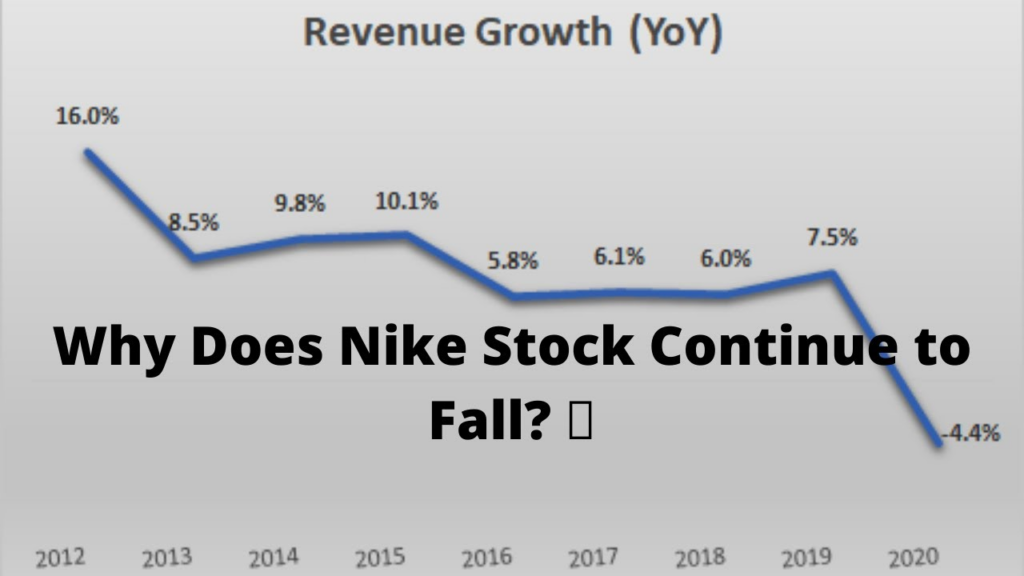
The recent decline in Nike stock comes sharply into focus following a weak quarterly report that has rattled investors. Despite surpassing revenue expectations with $12.4 billion in sales, concerns over profitability and a costly restructuring plan have overshadowed the company’s performance. With increased pressure from competitors like Adidas and Puma in the sportswear market, Nike’s future revenue expectations are clouded with uncertainty. Negative impacts from tariffs and a struggling Chinese market further complicate the situation, leading to significant stock sell-offs. As investors react to the news, the implications for Nike and its market rivals are becoming increasingly pronounced, prompting a thorough sportswear market analysis.
In the wake of Nike’s recent stock downturn, the implications for the broader sportswear sector are becoming increasingly concerning. The brand’s latest earnings report painted a troubling picture of declining margins and mounting competition, particularly from German rivals Adidas and Puma. As industry dynamics shift, investors are keenly aware of the challenges Nike faces while navigating market pressures and underwhelming sales in key territories. This situation highlights the importance of evaluating the performance of sports apparel companies not only in isolation but also in relation to their competitors amid a fluctuating market. The stakes are high as Nike aims to revitalize its brand and regain investor confidence.
Impact of Nike’s Quarterly Report on Stock Performance
The latest quarterly report from Nike has highlighted several challenges the company is facing, resulting in a substantial decline in its stock value. Though Nike reported a revenue of 12.4 billion dollars, surpassing expectations, the overall outlook remains bleak. Investors’ dissatisfaction has intensified due to the falling profit margins amid significant restructuring efforts. This has prompted a sell-off in Nike shares, leading to substantial losses during after-hours trading, raising serious concerns about the company’s future profitability in an increasingly competitive sportswear market.
Furthermore, the decline in Nike’s stock is symptomatic of broader market dynamics. Competitors like Adidas and Puma are also grappling with the repercussions of Nike’s uninspiring performance, creating a ripple effect throughout the sportswear industry. The disappointing revenue from key markets such as China, coupled with market pressures from emerging brands, has left investors feeling uneasy about Nike’s capacity to sustain its market dominance. With the ongoing restructuring process, investors are urged to approach Nike with caution as the path to recovery appears fraught with difficulties.
Adidas and Puma: Reactions to Nike’s Struggles
The ripple effects of Nike’s weak quarterly report have significantly influenced the stock prices of its German competitors, Adidas and Puma. Initially, Adidas stocks faced steeper losses during pre-market trading, highlighting the sensitivity of the sportswear market to Nike’s fortunes. Despite Adidas finding some stability in its stock prices post-reaction, the overall sentiment remains cautious as the entire sector grapples with challenges in revenue growth and market positioning. Puma, on the other hand, continues to experience heightened pressure on the MDAX index as the competition intensifies.
These market movements accentuate the interconnected nature of the sportswear industry, where one brand’s decline can precipitate challenges for others. As Nike navigates its restructuring and marketing investments, Adidas and Puma must strategically assess their operations to mitigate potential stock declines. The analysis of their performance against Nike’s listing is crucial, and these brands might find opportunities to capitalize on Nike’s struggles by capturing market share among the increasingly discerning consumer base.
Nike’s Revenue Expectations and Market Challenges
Despite maintaining an impressive revenue figure of 12.4 billion dollars, Nike faces significant challenges that may hinder its ability to meet future market expectations. The decline in revenue from key regions, particularly in the Chinese market, poses a substantial threat to the company’s growth trajectory. Coupled with fierce competition from emerging brands such as Hoka and On, Nike must innovate continuously to retain its market advantage. Investors are closely monitoring how effectively Nike executes its strategies, particularly in terms of product launches and marketing campaigns aimed at reviving consumer interest.
The company’s plans to invest over five billion dollars in marketing by 2026 are ambitious and may help to refocus brand engagement. However, such investments come at the cost of declining profit margins, raising critical questions about sustainability and long-term profitability. As Nike embarks on this substantial overhaul, the expectations from market analysts will be pivotal in determining the stock’s recovery potential, thereby emphasizing the need for robust execution and strategic market positioning.
The Sportswear Market Analysis Amidst Competition
The landscape of the sportswear market is currently characterized by intense competition and evolving consumer preferences. Nike, as the world’s largest sportswear manufacturer, faces mounting pressure not only from established rivals like Adidas and Puma but also from innovative startups that are capturing consumer interest. As influential figures such as Kim Kardashian partner with companies to launch new products, traditional brands like Nike must adapt swiftly to maintain relevance in a dynamic market. Analysts are closely observing how these factors interplay with Nike’s strategies moving forward.
Market analysis indicates that the current phase for Nike requires a delicate balance between aggressive expansion and careful financial management. The company’s restructuring efforts seem to hint at a recognition of this complex environment and the necessity to pivot towards sustainable growth. The challenges posed by fluctuating tariffs and consumer trends add to the pressures faced by Nike. As the sportswear industry evolves, Nike’s ability to navigate this competitive landscape will be crucial in retaining its iconic status and capitalizing on emerging market opportunities.
Investor Sentiment and Future Outlook for Nike Stocks
Investor sentiment surrounding Nike stocks has shifted dramatically following the latest quarterly report. The combination of unexpected revenue declines in critical markets and increased operational costs due to restructuring has left many skeptical about the company’s near-term prospects. This pessimism is reflected in the market’s immediate reaction, where stocks demonstrated steep declines. Experts suggest that unless Nike can demonstrate tangible improvements in profitability and execution of its marketing strategies, further stock market volatility may be expected.
The future outlook for Nike stocks hinges on the company’s strategic responses to these challenges. Investors are keenly aware that success in the coming quarters will demand not only adherence to revenue targets but also a clear vision of sustainability amidst evolving market conditions. As highlighted by market analysts, the critical need for patience will dictate investment strategies, and continued observation of Nike’s performance in light of its competitors’ maneuvers will likely be paramount.
Understanding Nike’s Strategy for Market Regaining
In light of recent challenges, Nike is intensifying its strategic focus on regaining market share through various innovative approaches. The company’s decision to invest heavily in marketing and product development is aimed at revitalizing consumer interest and establishing a stronger foothold in crucial markets. The development of new product lines, including collaborations with influential figures, is designed to attract a broader demographic and reignite the brand’s appeal to trend-conscious consumers. As Nike maneuvers through this transitional phase, the effectiveness of such strategies will be critical in shaping its financial recovery.
However, this ambitious strategy is not without its risks. The aggressive expansion of wholesale sales could further strain profit margins, posing a challenge to the company’s long-term financial health. Nike’s response to external market pressures, including tariffs and new competition, will play a significant role in determining the overall success of its initiatives. As stakeholders analyze these developments, a clear picture of Nike’s ability to effectively implement its strategy will emerge, influencing investor confidence and stock performance in the months to come.
Navigating Tariff Challenges and Global Market Fluctuations
Nike’s operational landscape is significantly impacted by global tariff challenges, which have become a focal point of concern for investors and analysts alike. The evolving trade environment has added strain to the company’s cost structure, leading to increased operational expenses. Given that Nike has a considerable exposure to international markets, managing these tariff challenges will be crucial to sustaining profitability in an increasingly globalized marketplace. Market analysts are closely watching how Nike adapts its supply chain and pricing strategies to mitigate these adverse impacts.
In tandem with tariff concerns, fluctuations in global markets continue to pose notable risks to Nike and its competitors. Economic uncertainties in key markets are influencing consumer spending patterns, making it essential for Nike to adapt its marketing and product strategies effectively. The ability to navigate these market fluctuations, while maintaining a strong brand presence, will be vital for Nike’s resilience. As the company seeks to adapt to these challenges, its strategies will be critical in preserving investor confidence and supporting stock stability.
The Role of New Competitors in Market Dynamics
As Nike faces declining stock performance and challenges from profit margins, the emergence of new competitors is reshaping the dynamics of the sportswear market. Brands like Hoka and On are gaining traction with innovative products that cater to niche markets, highlighting the necessity for Nike to broaden its horizons and engage creatively with consumers. This shift in consumer allegiance towards these newer entrants underscores the urgency for Nike to reassess its current offerings and capitalize on changes in consumer preferences.
The growing presence of these competitors adds pressure on established brands to innovate and differentiate themselves in a crowded marketplace. Nike’s response to this competitive pressure will be critical in dictating its long-term market positioning and stock performance. As consumer sentiments evolve, the ability to adapt and harness new trends will dictate the success of Nike’s strategies. Investors are keenly observing how Nike will incorporate these competitive dynamics into its roadmap towards recovery and sustainable growth.
Future Investor Strategies for Navigating Nike’s Market Position
Investors analyzing Nike’s market position are prompted to explore strategic adjustments that account for the challenges posed by the company’s ongoing restructuring. Given the volatility surrounding Nike’s stock performance, a cautious approach may be warranted. Investors could consider diversifying their portfolios to mitigate risks associated with Nike’s uncertain recovery trajectory. By focusing on broader sector performance and analyzing direct competitors like Adidas and Puma, investors can better position themselves for potential market shifts.
Moreover, as Nike continues to invest significantly in marketing and new product lines, astute investors will want to evaluate the potential returns on these investments over time. Keeping an eye on quarterly reports, market reactions, and overall economic conditions will be integral in forming a comprehensive investment strategy. Balancing the potential for recovery against current market realities will require vigilance and adaptability, ensuring that investor strategies align with the evolving narrative of Nike’s market landscape.
Frequently Asked Questions
What caused the recent Nike stock decline?
The recent Nike stock decline is largely attributed to a weak quarterly report that disappointed investors despite exceeding some sales expectations. Factors include a costly restructuring effort, significant investments in marketing, and expanding wholesale operations that are impacting profit margins. Additionally, negative tariff effects and increased competition from brands like Hoka and On have further pressured the stock.
How did the Nike quarterly report impact its stock performance?
The Nike quarterly report revealed mixed results, with revenue of $12.4 billion exceeding expectations but highlighting profitability issues. The disappointing market conditions, particularly in China, and a restructuring effort to enhance wholesale sales have resulted in investor skepticism, leading to a decline in Nike’s stock.
What effect does the Nike stock decline have on Adidas and Puma?
The Nike stock decline is negatively affecting its German competitors, Adidas and Puma, as investor sentiment in the sportswear market turns cautious. While Puma is under significant pressure and Adidas initially faced steeper losses, both companies are experiencing a ripple effect from Nike’s restructuring challenges and overall market uncertainty.
What are the main factors influencing Nike’s revenue expectations?
Nike’s revenue expectations are influenced by several factors, including increased sales of running shoes, competition from new brands, and fluctuating performance in key markets like China. Additionally, the company’s strategic decisions to invest heavily in marketing and restructure its operations are impacting profit margins, posing challenges for future revenue growth.
How is the sportswear market analysis affected by Nike’s performance?
The sportswear market analysis is currently scrutinizing Nike’s performance due to its recent stock decline and mixed quarterly results. Analysts are paying close attention to Nike’s strategies for regaining market share, as its competition with Adidas and Puma intensifies, particularly in the wake of shifting consumer preferences and market dynamics.
What should investors expect from Nike stock moving forward?
Investors should prepare for a potentially slow recovery for Nike stock as the company navigates its ongoing restructuring phase. Caution is warranted due to the sizable investments required and competitive pressures from brands like Hoka and On. Analysts suggest patience as Nike aims to stabilize margins and improve profitability by 2026.
| Key Points |
|---|
| Nike’s stock has dropped significantly following a disappointing quarterly report. The company’s restructuring and heavy investment in marketing are influencing profitability. |
| Despite exceeding sales expectations with $12.4 billion in revenue, Nike’s profit margins are declining due to restructuring costs and competition from new brands. |
| Adidas and Puma are also affected by Nike’s struggles, experiencing declines in their own stocks but not as severely as Nike. |
| Nike is investing over $5 billion in marketing by 2026 to recapture market share lost to competitors, while new product lines are also being developed. |
| Analysts express caution, predicting a slower recovery for Nike as it navigates through restructuring and market challenges. |
| The overall stock market remains unstable, with the DAX index showing slight fluctuations ahead of the weekend, further impacting investor sentiment. |
Summary
The recent Nike stock decline reflects significant struggles for the company despite surpassing revenue expectations. Market reactions indicate investor disappointment due to declining profit margins and challenges in the competitive landscape. As Nike focuses on restructuring and considerable marketing investments, it finds itself in a transitional phase that might lead to a prolonged recovery period. Investors are advised to monitor these developments closely.

