
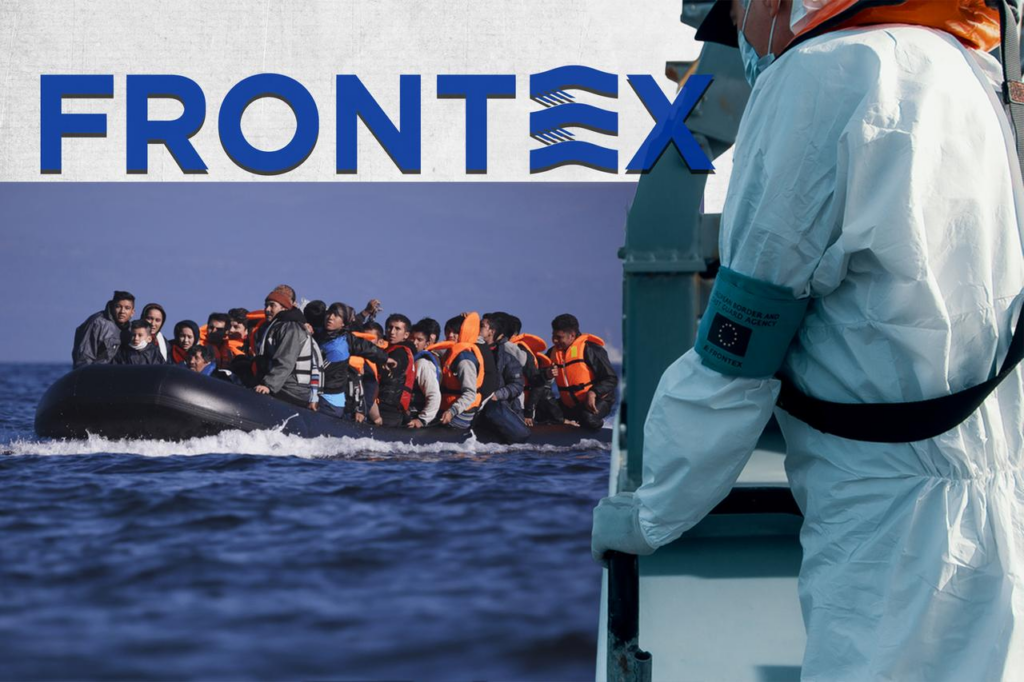
Frontex responsibility lies at the heart of recent legal discussions surrounding asylum seekers’ rights and the controversial practices employed at EU borders. The European Court of Justice (ECJ) has underscored this accountability by ruling that Frontex must actively protect the fundamental rights of individuals seeking refuge in the EU. This includes taking a firm stance against unlawful deportations and the practice of pushbacks, where migrants are denied their due legal process. Unfortunately, reports indicate that over 10,000 such pushbacks occurred in 2020 alone, a stark reminder of the challenges facing refugee protection. As the ECJ holds Frontex liable for these actions, it signals a transformative step towards enforcing asylum seekers’ rights and addressing the systemic issues in EU border policies.
The accountability of the European Border and Coast Guard Agency, commonly known as Frontex, is gaining significant attention as it relates to the rights of refugees and migrants. Recent legal judgments from the European Court of Justice highlight the agency’s obligation to uphold the human rights of asylum seekers and address accusations of wrongful deportations and unlawful pushback tactics employed at EU borders. Such enforcement measures, aimed at controlling migration, have drawn criticism and legal challenges, particularly concerning their implications for refugee protection. The increasing scrutiny on Frontex’s operations reflects broader concerns about humanitarian standards and compliance with European law in managing migration. Ensuring transparency and accountability in these border processes is crucial for safeguarding the rights of those seeking asylum in the EU.
Frontex Responsibility in Asylum Seekers’ Rights
The recent ruling by the European Court of Justice (ECJ) underscores the critical responsibility of the European Border and Coast Guard Agency, known as Frontex, in upholding the rights of asylum seekers. This decision has significant implications for how Frontex interacts with migrants at the EU’s external borders. Under the new legal framework established by the ECJ, Frontex is now held accountable not just for facilitating border security but also for ensuring that the fundamental rights of individuals seeking asylum are respected. This includes preventing unlawful deportations and investigating instances of pushbacks where people are denied their right to seek asylum.
Moreover, the ECJ’s ruling clarifies that Frontex cannot evade accountability by pointing to member states during joint operations. This legal perspective is crucial, as it establishes a dual avenue for refugees to claim their rights; both the EU member states and Frontex can be held liable. This means that Frontex must take active measures to safeguard asylum seekers, ensuring that their rights are protected throughout the asylum application process. By understanding this expanded responsibility, advocacy groups can better support refugees in claiming their rights when confronted with unlawful deportations or pushbacks.
Impact of Unlawful Deportations on Refugee Protection
Unlawful deportations have a profound impact on the protection of refugees, undermining their fundamental rights and safety. Instances of pushbacks, where refugees are forced to return to dangerous situations without their asylum claims being assessed, pose serious threats to their lives. The European Court of Justice ruling emphasizes that these actions are illegal and must be addressed to preserve the integrity of the EU’s commitment to human rights and refugee protection. By categorically stating that return operations involving Frontex must adhere to legal standards, the ECJ reaffirmed the principle that every individual’s asylum claim deserves thorough examination.
The involvement of Frontex in unlawful deportations has spurred a wave of lawsuits by refugees, seeking justice and accountability for the violations they suffered. This judicial scrutiny highlights the urgent need for Frontex to uphold standards that respect the rights of asylum seekers. As highlighted by the ECJ, regulations prohibiting pushbacks not only protect individual refugees but also reinforce the collective responsibility of the EU to adhere to international human rights norms. Such legal frameworks aim to prevent further humanitarian crises and foster a more compassionate and lawful approach to immigration.
Challenges Faced by Refugees Amid Pushbacks
Refugees encounter numerous challenges when faced with pushbacks at EU borders. The ECJ’s ruling has opened possibilities for legal recourse, yet many refugees find themselves without adequate means to prove their experiences during pushbacks. Often, the forcible removal or destruction of personal belongings, such as smartphones, leaves them with little evidence to support their claims. Therefore, the court’s acknowledgment of a presumption of evidence in cases of unlawful pushbacks marks a pivotal shift, allowing refugees to present their testimonies without needing to document every detail of their ordeal.
Furthermore, the lack of transparent procedures and coordination among EU member states complicates matters for many asylum seekers. Frontex’s involvement in these operations often leads to confusion regarding responsibility, undermining refugees’ rights. The rulings compel Frontex to be more proactive in clarifying its role and the measures it takes to prevent unlawful deportations. By mandating cooperation and information sharing from Frontex, the ECJ seeks to enhance accountability and to streamline the legal process for those seeking asylum, paving the way for improved protections and rights for refugees.
The Role of the European Court of Justice in Refugee Advocacy
The European Court of Justice plays a crucial role in the advocacy for refugee rights across Europe. By ruling against Frontex regarding unlawful deportations and pushbacks, the ECJ is setting legal precedents that advance the protection of asylum seekers. The court’s decisions not only provide a foundation for holding Frontex accountable but also inspire hope and action amongst advocacy organizations working towards the protection of individual rights. These legal rulings serve as important tools for NGOs in their efforts to combat pushbacks and to advocate for humane treatment of all individuals seeking refuge in Europe.
In addition, the ECJ’s engagement highlights the need for comprehensive reforms within Frontex and the broader EU asylum system. It emphasizes that the protection of asylum seekers is a shared responsibility that cannot rest solely on the shoulders of individual member states. The court’s rulings galvanize support for improved legal frameworks and training for border officials to ensure compliance with human rights standards. As such, the advocacy power of the ECJ extends beyond its rulings, influencing policy discussions and leading to significant changes in how EU interventions at borders are structured.
Legal Protections for Asylum Seekers and Frontex Compliance
Legal protections for asylum seekers are increasingly under scrutiny, particularly in light of Frontex’s operations at EU borders. The ECJ’s ruling emphasizes that Frontex has a duty to ensure compliance with EU law regarding the treatment of asylum seekers. This includes providing adequate procedures for those claiming asylum and ensuring that their rights are safeguarded against unlawful actions. Such measures are essential in maintaining the integrity of the European asylum system and ensuring that refugees are treated with dignity and respect.
Furthermore, the ECJ’s directives compel Frontex to establish clear guidelines that delineate its responsibilities in preventing pushbacks and unlawful deportations. The agency must now actively monitor its operations and work collaboratively with member states to ensure compliance with human rights standards. Legal frameworks must be reinforced to protect asylum seekers from potential abuses, and ongoing training must be provided to Frontline agents responsible for border enforcement. These efforts are vital in creating a just and humane approach to asylum in Europe, aligning with the central tenets of refugee protection.
Consequences of Human Rights Violations in Asylum Processes
The violations of human rights in asylum processes, particularly through pushbacks and unlawful deportations, have profound consequences not just for the individuals involved but also for the legitimacy of the EU’s asylum policies. The ECJ’s recent ruling addresses these issues head-on, placing responsibility on Frontex to act in accordance with both EU law and international standards for refugee protection. When human rights are systematically neglected, it not only harms the affected migrants but also erodes the foundational principles of the European Union.
Consequently, human rights violations in asylum processes can lead to a cycle of distrust towards governmental institutions and undermine public confidence in the efficacy of EU asylum policies. The ECJ’s increased scrutiny and insistence on accountability for agencies like Frontex reflect a necessary shift towards a more rights-centered approach within EU immigration policies. By taking these violations seriously, the EU can work towards rebuilding trust and ensuring that the rights of all migrants are respected and upheld.
Encouraging Accountability within Frontex
Encouraging accountability within Frontex represents a significant step toward improving the EU’s treatment of asylum seekers. The recent ECJ ruling emphasizes the need for Frontex to not only abide by EU regulations but also actively engage in practices that protect the rights of refugees. This includes maintaining transparency in their operations and being responsive to findings of misconduct, including unlawful pushbacks. By fostering an environment of accountability, Frontex can become a more reliable entity in securing safe channels for asylum seekers.
Moreover, cultivating a culture of accountability within Frontex can potentially lead to more substantive changes at the policy level. With increased scrutiny, the agency must develop protocols that prioritize humanitarian considerations alongside border security. This evolution in operational practices not only adheres to international human rights laws but also illustrates a commitment to upholding the rights of individuals seeking refuge. As Frontex steps up to meet these expectations, it sends a powerful message that compliance with human rights standards is imperative to the integrity of the EU’s asylum system.
Next Steps for Legal Frameworks on Refugee Protection
The ruling from the ECJ represents a watershed moment for the legal frameworks governing refugee protection within the EU. Moving forward, it will be crucial for member states and Frontex to develop comprehensive legal procedures that ensure compliance with human rights laws. This involves re-evaluating existing policies to eliminate any mechanisms that facilitate pushbacks or unlawful deportations. The establishment of robust reporting systems for asylum seeker treatment and a clear accountability framework will be essential for monitoring Frontex’s compliance with the ruling.
Additionally, the EU must engage in dialogue with various stakeholders, including refugee advocates, human rights organizations, and legal experts, to develop new regulations that reflect the concerns raised by the ECJ. These steps will be foundational in reinforcing a legal environment that not only recognizes but actively protects the rights of asylum seekers in Europe. Strengthening these legal frameworks will ultimately contribute to creating a more humane and effective asylum process, aligning with the values and obligations that the European Union has committed to uphold.
Frequently Asked Questions
What is Frontex’s responsibility regarding asylum seekers’ rights?
Frontex, the European Border and Coast Guard Agency, has the responsibility to protect the fundamental rights of asylum seekers. This includes ensuring that asylum applications are individually examined and preventing unlawful deportations and pushbacks at EU borders.
How does the European Court of Justice impact Frontex’s responsibility?
The European Court of Justice (ECJ) has ruled that Frontex can be held liable for unlawful deportations and pushbacks, reinforcing its obligation to uphold the rights of asylum seekers and protect them from illegal return operations.
What are unlawful deportations, and how do they relate to Frontex?
Unlawful deportations refer to the forced removal of individuals, especially asylum seekers, without due legal process. Frontex is implicated in such activities when it collaborates in operations that do not respect the legal rights of individuals seeking refuge.
What are pushbacks, and what role does Frontex play in these situations?
Pushbacks are practices where migrants and asylum seekers are rejected at borders without a legal process. Frontex has been reported to be involved in these illegal pushbacks, which violate the rights of individuals and contravene EU laws.
How does the ruling from the European Court of Justice affect pushbacks carried out by Frontex?
The ECJ ruling mandates that Frontex must provide evidence and cooperate in cases of alleged pushbacks, showcasing a shift towards greater accountability and legal protection for refugees.
What evidence is required to prove a pushback by Frontex?
According to the ECJ, a presumption of evidence is sufficient for refugees to claim unlawful pushbacks, meaning that they do not need to prove every detail if they can indicate that a pushback occurred.
Why is accountability for Frontex important for asylum seekers?
Accountability for Frontex is crucial for asylum seekers as it ensures that their rights are protected and provides a means for legal recourse if they experience unlawful deportations or pushbacks.
How many pushbacks were reported at EU borders in 2020, and how does this relate to Frontex’s responsibility?
In 2020, over 10,000 pushbacks were reported at EU borders, highlighting the urgent need for Frontex to address its responsibility to prevent such illegal practices and protect asylum seekers’ rights.
What steps have been taken to enhance Frontex’s commitment to refugee protection?
Following the ECJ ruling, Frontex is now required to actively participate in investigations of pushbacks and provide necessary documentation, which enhances its commitment to upholding refugee protection.
What implications does the ECJ ruling have for future Frontex operations?
The ECJ ruling implies that future Frontex operations must comply with legal standards regarding asylum seekers’ rights, reducing the likelihood of involvement in unlawful deportations and promoting transparency in its actions.
| Key Points |
|---|
| The ECJ ruled Frontex must protect asylum seekers’ rights and can be held liable for unlawful deportations including pushbacks. |
| Pushbacks are illegal as each asylum application must be reviewed individually. |
| In 2020, over 10,000 pushbacks were reported at EU borders, with many incidents involving forced returns at sea. |
| Frontex has faced lawsuits from refugees, particularly Syrian refugees, for human rights violations. |
| The ECJ ruling emphasizes that both EU states and Frontex can be held liable, enhancing refugee rights. |
| The ECJ has made it easier for refugees to prove pushbacks and has reduced the burden of evidence required. |
| Frontex is now required to cooperate in investigations and provide information to clarify pushback incidents. |
| A new legal procedure is opened for Frontex to present evidence regarding pushbacks, promoting accountability. |
Summary
Frontex’s responsibility has been reinforced by the European Court of Justice, which mandates that the agency must ensure the protection of asylum seekers’ fundamental rights. This landmark ruling highlights that Frontex can be held accountable for unlawful deportations and illegal pushback operations, shedding light on the agency’s role in Europe’s border management. The court’s decision will facilitate a clearer process for refugees to assert their rights and demands, paving the way for greater legal protections moving forward.

