
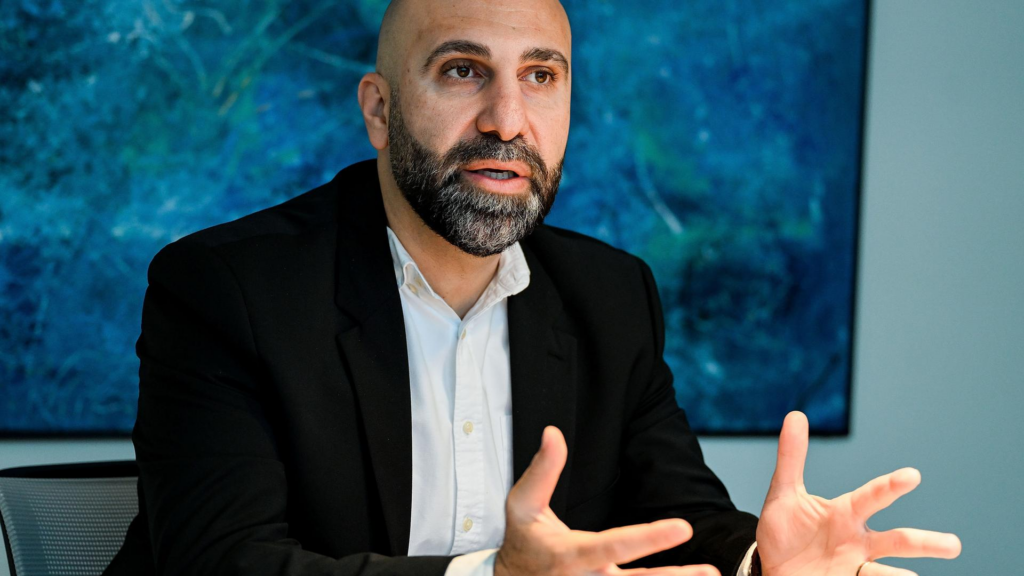
Ahmad Mansour, a prominent journalist and commentator, brings significant attention to a pressing issue facing society today: Islamophobia. As the Berlin Senate declares March 15 as the “International Day Against Islamophobia,” he critically analyzes the implications of such commemorative days, especially in light of the narrative that often pits Jews against Islamists amidst rising tensions. Mansour’s insightful perspectives challenge the conventional discourse surrounding Islamist attacks, offering a platform that advocates for understanding rather than division. His work emphasizes the need for nuanced discussions that transcend simplistic representations, shedding light on how all communities can be affected by extremism. By tackling the complex relationships between various groups, including Jews and Muslims, he highlights the importance of addressing Islamophobia with empathy and awareness.
In recent years, discussions surrounding the perception of Muslims in society have intensified, especially in the wake of significant events framed within the context of faith and violence. The establishment of a memorial day to combat negative narratives against Muslims reflects a growing recognition of the need to address discrimination and foster unity. This initiative aims to confront existing biases while acknowledging that acts of violence, such as Islamist attacks, impact not only the victims but also the broader societal fabric. Consequently, recognizing the struggles faced by various communities can bridge gaps and promote interfaith dialogue, which is crucial in today’s multicultural landscape. As society deliberates on these issues, the influence of public figures like Ahmad Mansour becomes increasingly vital to cultivate a more inclusive environment.
Ahmad Mansour’s Insight on Islamophobia
In his critique of the newly established International Day Against Islamophobia, Ahmad Mansour highlights the troubling context in which this decision has been made. He argues that while it is crucial to address Islamophobia, the timing of this day coincides with increasing tensions around Islamist violence that has left communities deeply affected. Mansour emphasizes the need for a balanced discourse, noting that while recognizing hate against Muslims is important, it should not overshadow the very real fears that have emerged in light of Islamist attacks that have targeted Jews and other minorities.
Mansour points out that focusing exclusively on Islamophobia can lead to divisions rather than unity. He asserts that discussions surrounding hate crimes must encompass all forms of discrimination, ensuring respect and acknowledgment for those who have suffered from Islamist attacks. By fostering an inclusive dialogue, society can work towards mitigating the fears experienced by both Jewish communities and Muslims alike.
Moreover, Mansour stresses the significance of understanding the broader implications of establishing such commemorative days. He believes that while it aims to highlight Islamophobia, it also runs the risk of inadvertently trivializing or overshadowing the historical struggles faced by Jews, particularly in the context of recent anti-Semitic attacks exacerbated by Islamist narratives. The challenge, according to Mansour, lies in creating a remembrance framework that allows for the coexistence of these different yet equally important perspectives on hate.
This complexity of managing public remembrance is pivotal in Berlin, where the Senate’s decisions reflect a diverse population with varying historical grievances. Ahmad Mansour calls for an inclusive remembrance that honors the history of all communities impacted by hate, fostering a spirit of empathy rather than competition. By doing so, the International Day Against Islamophobia could evolve into a meaningful moment for solidarity rather than division.
The Berlin Senate’s Initiative: A Double-Edged Sword
The Berlin Senate’s decision to officially recognize March 15 as the International Day Against Islamophobia has sparked widespread debate. On one hand, this initiative is seen as a necessary step to combat the growing prejudice faced by Muslims in society. However, critics like Ahmad Mansour argue that the timing of this observance is questionable, especially considering the ongoing discussions surrounding violence perpetrated by Islamist extremists. This duality raises concerns over whether the new day of remembrance will truly achieve its intended purpose or merely serve as a symbolic gesture that does little to address the root issues of hate and violence.
The political climate surrounding this initiative is also complex, with varying opinions from both the CDU and SPD parties in the Berlin Senate. While some members support the focus on Islamophobia, others view it as a potential avoidance of other pressing issues, such as the rising anti-Semitism linked to Islamist violence. As discussions unfold, the challenge remains to keep these painful narratives in balance and find a common ground that does not alienate any community.
Moreover, the International Day Against Islamophobia has the potential to open a Pandora’s box of debates about memory and identity politics. Advocates for this observance argue that it provides a necessary platform to combat misinformation and prejudice against Muslims, fostering a more understanding society. Yet, Mansour warns that if left unchecked, such initiatives may inadvertently fuel further polarization among different communities. The delicate dance of remembrance thus becomes essential to ensuring that we address not only the past grievances of Muslims but also the contemporary fears and realities faced by Jewish communities in the context of Islamist attacks.
Navigating these sensitive conversations requires careful thought and an inclusive approach that prioritizes dialogue over dissent. If the Berlin Senate can harness this initiative to foster understanding amongst various groups, it may pave the way for a more united front against all forms of hate.
Understanding the Role of Commemorative Days
Commemorative days, such as the newly declared International Day Against Islamophobia, serve a vital role in shaping public consciousness and fostering awareness around critical social issues. These observances often aim to surface and work against systemic discrimination and violence targeting specific communities. However, as Ahmad Mansour critiques the importance of timing, it becomes essential to explore how such initiatives can sometimes elicit unintended consequences if not approached holistically. In the case of Islamophobia, it is paramount that societies do not overlook or marginalize the historical context of violence faced by other communities, especially Jews, in light of Islamist attacks that have occurred across Europe.
These commemorative events can also function as platforms for education, encouraging dialogue about identities and grievances that have long been ignored or misrepresented. By fostering understanding rather than exclusion, the International Day Against Islamophobia could potentially catalyze conversations around shared experiences of suffering and resilience. However, this requires that the discussions are framed inclusively, promoting solidarity against hatred in all its forms.
Nevertheless, there is a thin line between remembrance as a tool for education and remembrance that can devolve into competition for victimhood. This concern has been articulated by Mansour, who warns against the danger of creating an environment where communities feel they must compete for recognition of their struggles against hate. The challenge for the Berlin Senate, as they implement this initiative, will be in ensuring that the International Day Against Islamophobia does not exist in a vacuum, but rather, is contextualized within a greater narrative of combating all forms of extremism and prejudice.
At its best, such commemorative days hold the potential to inspire collective action and foster a sense of responsibility to learn from history. Should the Berlin Senate navigate this delicate terrain thoughtfully, the International Day Against Islamophobia could become a pivotal movement towards comprehensive anti-hate efforts, ultimately sparking a wider momentum in creating peaceful coexistence in a diverse society.
The Impact of Islamist Violence on Communities
Islamist violence has undeniably left an indelible mark on communities across Europe, radically reshaping dialogues around security, identity, and inter-religious relations. In light of this trend, Ahmad Mansour underscores the importance of recognizing the complexities that arise when discussing the ramifications of such violence. The narrative often simplifies the discussion to depict Muslim communities solely as victims of Islamophobia, neglecting the reality that many within these communities have also experienced profound pain and loss due to extremist actions. The challenge lies in balancing the portrayal of Muslims as both victims of hate and as members of an affected community, one that must also engage seriously with the issues surrounding extremism and violence.
The impact of violence cannot be understated; it catalyzes fear and resentment, often leading to stigmatization and marginalization of innocent individuals based solely on their religious identity. Thus, as Mansour suggests, it is essential for public discourse to carefully navigate these narratives, acknowledging the victims of Islamist attacks while simultaneously addressing Islamophobia to promote a holistic understanding of the climate of fear that affects all communities.
Moreover, the repercussions of Islamist violence extend beyond individual acts of terror, infiltrating social fabrics and instilling a sense of distrust among communities. It is critical to consider how these violent acts can manifest in everyday forms of discrimination and hate speech against Muslims, thereby increasing Islamophobia. Mansour maintains that while it is necessary to combat Islamophobia, overlooking the interconnectedness of these issues means failing to address the root causes of societal tensions. By fostering honest and inclusive discussions, societies can work to prevent the cycle of violence and discrimination that affects both Muslims and Jews alike, creating a path towards healing and solidarity.
In conclusion, understanding the impact of Islamist violence is not merely a matter of assigning blame or victimhood; it is about building bridges between communities and cultivating a sense of shared responsibility in confronting hate. By centering the experiences of all affected populations, there lies an opportunity for collective healing and a more profound societal change.
Facing the Challenges of Discrimination
Discrimination, whether based on race, religion, or identity, poses a significant challenge in today’s world, particularly in diverse urban centers like Berlin. The establishment of the International Day Against Islamophobia is an important step to confront this pressing issue; however, it also brings to light the broader context of discrimination that many marginalized groups face. Ahmad Mansour, in his critique, brings forward the narrative that while Islamophobia must be addressed, it cannot exist in isolation from other forms of hate, such as anti-Semitism rooted in Islamist extremism. Understanding these intersections is key to fostering a more empathetic and inclusive society.
The challenge arises when attempts to highlight one form of discrimination may inadvertently obscure or minimize another. Mansour argues for a comprehensive approach that acknowledges the unique experiences of all communities while simultaneously promoting an understanding of common struggles against hate. This requires educators, policymakers, and community leaders to engage in dialogue that emphasizes shared humanity and mutual respect.
Moreover, overcoming discrimination necessitates active participation from all sectors of society. The International Day Against Islamophobia should serve not only as a day of remembrance but as a call to action for solidarity among communities. Ahmad Mansour advocates for initiatives that foster cross-community engagement and create platforms for dialogue. By intertwining the narratives of different communities, it becomes possible to build alliances that address the shared grievances and fears faced by both Muslim and Jewish populations. These collaborative efforts can ultimately help to dismantle systemic discrimination and inequality.
To achieve this, genuine partnership efforts must be rooted in the acknowledgment of historical trauma, moving beyond superficial gestures of remembrance. By doing so, it is possible to cultivate an environment of healing and reconciliation, paving the way for a more just and equitable society. The fight against discrimination must be a collective endeavor, one where communities stand together against all forms of hate.
The Importance of Dialogue in Combatting Islamophobia
Dialogue serves as a crucial tool in combating Islamophobia and fostering understanding among different communities. Ahmad Mansour emphasizes that open conversations provide an opportunity to unpack misunderstandings and stereotypes that often fuel discrimination. In the context of the newly established International Day Against Islamophobia, there exists a unique opportunity to harness dialogue as a means of building connections between Muslim and Jewish communities, who have both endured hostility in various forms. This openness can aid in dismantling the barriers created by misinformation and fear, leading to a society where diversity is celebrated rather than feared.
By engaging in dialogue, individuals from various backgrounds can share their experiences, fostering empathy and understanding. It is through personal narratives that community members can confront biases and develop more nuanced views of each other. Mansour insists that such exchanges are not only beneficial but necessary for moving beyond the rigid narratives that often dominate discussions around Islamophobia and anti-Semitism.
Furthermore, dialogue must extend beyond mere discussions; it should inspire action. The International Day Against Islamophobia could serve as a catalyst for initiatives that encourage interfaith dialogue and cooperation between different communities. By providing platforms for these interactions, both Muslims and Jews can work together to address the shared challenges they face in combating discrimination. Ahmad Mansour’s insights stress the significance of these collaborative efforts, particularly in light of increasing polarization in society, urging communities to stand united against all forms of hate and misunderstanding.
Ultimately, fostering a culture of dialogue can lead to meaningful alliances that reshape narratives around Islamophobia and anti-Semitism. As we acknowledge the importance of commemorative days like March 15, it is vital to translate this recognition into sustained efforts for education, empathy, and communal healing. In doing so, we can begin to forge a path toward a more inclusive and harmonious future.
Policy Implications of Remembrance Days
The establishment of remembrance days highlights the political and social implications surrounding issues of discrimination and violence. The Berlin Senate’s initiative to declare March 15 as the International Day Against Islamophobia raises important questions about the role of government in addressing societal issues. Ahmad Mansour articulates that while such policies can reflect a willingness to combat discrimination, they can also carry the risk of imposing a top-down approach that may not resonate with all affected communities. The successful implementation of this day demands inclusivity in policy-making, where diverse voices from different backgrounds are invited to contribute towards shaping the narrative.
Additionally, the establishment of such observance days can also serve as a signal for advocacy groups to engage in activism, creating awareness around pertinent issues such as Islamophobia and anti-Semitism. Mansour suggests that it is essential for government bodies to not only recognize these days but to actively support initiatives that encourage grassroots movements advocating for justice, equality, and respect for all communities.
Moreover, the challenge remains to ensure that the observance of these days does not become merely a performative act. Ahmad Mansour warns that without genuine engagement and follow-up actions, initiatives like the International Day Against Islamophobia might risk being seen as superficial gestures that do little to change the underlying dynamics of prejudice and hate. Properly embedded within societal structures, policy acknowledgment of remembrance days can lead to practical measures that address systemic issues, fostering a comprehensive strategy in the fight against hate.
For the Berlin Senate, this means facilitating ongoing dialogues and partnerships with community organizations, ensuring that the observance translates into tangible outcomes. The potential of remembrance days lies not just in their symbolic importance but in their ability to drive systemic change and community cohesion, paving the way for a more equitable society.
Frequently Asked Questions
Who is Ahmad Mansour and what is his stance on Islamophobia?
Ahmad Mansour is a prominent commentator and political activist known for his views on Islamophobia. He has critiqued initiatives like the International Day Against Islamophobia, emphasizing that while such days of remembrance are important, the broader context of Islamist attacks against Jews should not be overlooked.
What criticisms did Ahmad Mansour voice regarding the Day of Remembrance Against Islamophobia?
Ahmad Mansour criticized the Day of Remembrance Against Islamophobia established by the Berlin Senate, arguing that the focus should also include discussions about the impact of Islamist attacks on the Jewish community, thereby raising awareness about the complexities of religious intolerance.
How did the Berlin Senate’s establishment of a Day of Remembrance relate to Ahmad Mansour’s views?
The Berlin Senate’s establishment of the International Day Against Islamophobia aligns with Ahmad Mansour’s advocacy for recognizing and addressing discrimination. However, Mansour insists that remembrance efforts must also acknowledge the realities of Islamist violence against Jews, fostering a more comprehensive dialogue.
What are the implications of Ahmad Mansour’s arguments on the perception of Jews and Islamists?
Ahmad Mansour argues that acknowledging the threat of Islamist attacks is crucial for an honest discourse around Islamophobia. His views suggest that the narrative should include both the victims of these attacks and the need to combat hate against Muslims, thus promoting a balanced understanding of inter-religious relations.
What does Ahmad Mansour mean by ‘Timing is everything’ in the context of Islamophobia?
In his critique, Ahmad Mansour implies that the timing of remembrance days, such as the International Day Against Islamophobia, is crucial for social awareness. He believes that these observances should be informed by current events, including Islamist attacks, to prevent them from being used as tools that overshadow the complexities of community relations.
| Key Points | ||
|---|---|---|
| Ahmad Mansour critiques the Day of Remembrance Against Islamophobia established by the Berlin Senate. | The day is set for March 15, recognized as the ‘International Day Against Islamophobia’. | Mansour emphasizes the importance of timing concerning this remembrance day. |
Summary
Ahmad Mansour critiques the recently established ‘International Day Against Islamophobia’ by the Berlin Senate. This initiative, set for March 15, brings to light critical discussions surrounding religious discrimination and the timing of such observances. Understanding the complexities of these issues is vital as society navigates the balance between memory and respect for all faiths.

