
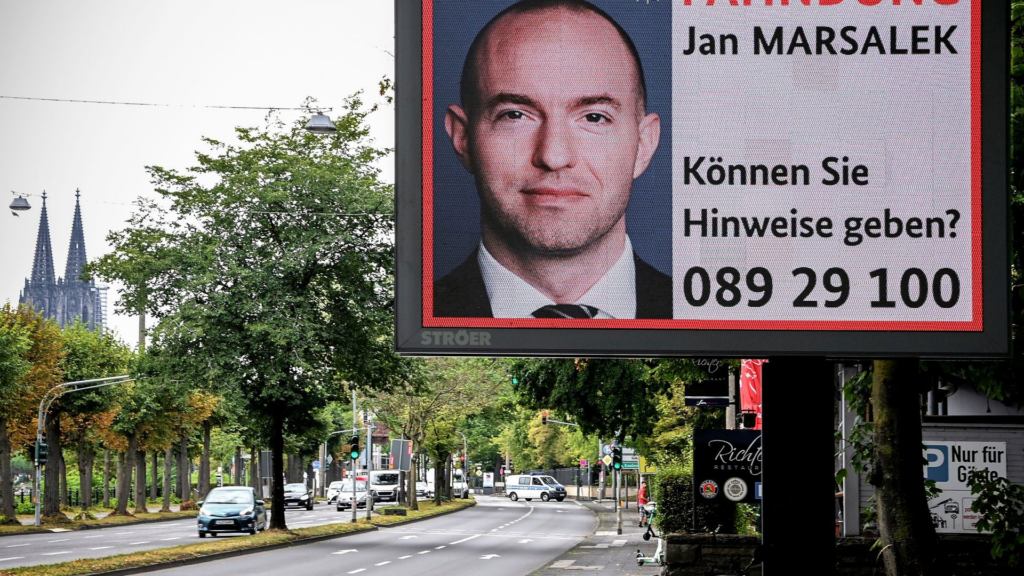
The Jan Marsalek Disinformation Campaign is a stark example of modern-day tactics aimed at influencing public opinion through deceptive narratives. Following Russia’s aggressive actions in Ukraine, the former Wirecard executive allegedly orchestrated a strategic disinformation campaign designed to undermine support for Ukraine, particularly in Berlin. Utilizing graffiti and stickers, Marsalek sought to create a misleading impression that right-wing extremists were active in the city, a move reminiscent of past operations tied to Russian espionage. Investigative reporting has revealed that this campaign, code-named “Operation Berlin,” was not just a spur-of-the-moment idea but a calculated effort to exploit socio-political tensions. As the world watches the unfolding consequences of the Ukraine conflict, the ramifications of such disinformation activities on public perception and international relations cannot be understated.
The controversial actions of Jan Marsalek, a fugitive linked to the Wirecard scandal, reveal the chilling reality of misinformation strategies in contemporary geopolitics. In what has been termed an operation of deceit, Marsalek devised a plan to create chaos and confusion in Berlin through disinformation methods designed to erode support for Ukraine amidst a critical period of conflict. These tactics, often associated with Russian intelligence operations, showcase how easily narratives can be manipulated to serve ulterior motives. By exploiting symbols and imagery tied to extremist groups, Marsalek aimed to misrepresent the political landscape, further complicating the ongoing issues fueled by the Ukraine crisis. The broader implications of such campaigns raise important questions about the integrity of information and the potential for public opinion to be swayed by orchestrated lies.
Jan Marsalek’s Disinformation Campaign: The Shadows of Operation Berlin
Jan Marsalek, a controversial figure formerly associated with the Wirecard scandal, has surfaced in unsettling revelations regarding a disinformation campaign dubbed ‘Operation Berlin’. This initiative, which reportedly aims to undermine Ukrainian support in the wake of Russia’s military aggression, underscores the intersection of corporate scandal and geopolitical manipulation. The campaign’s strategy, as outlined through recovered communications, involved the deployment of stickers and graffiti in Berlin, aimed at insinuating extremist factions within Ukraine, thereby polarizing public sentiment in a vulnerable political landscape.
The disinformation campaign orchestrated by Marsalek highlights the persistent tactics of Russian espionage in the context of the ongoing Ukraine conflict. By attempting to plant discord within Germany—one of Ukraine’s key supporters in Europe—Marsalek’s actions reflect the age-old strategy of sowing confusion among potential allies. Such tactics harken back to the notorious ‘active measures’ employed during the Soviet era, where misinformation served to debilitate political foes and manipulate public discourse.
The Intricate Web of the Wirecard Scandal and Disinformation Efforts
The Wirecard scandal, which has shocked financial circles worldwide, casts a long shadow over Jan Marsalek’s credibility. Following the collapse of Wirecard, and accusations of fraud amounting to billions, Marsalek’s evasion of authorities propelled him into the intrigue of espionage and covert operations. As reports emerge about his involvement in coordination with Russian elements, the notion that a corporate player could engage in a high-stakes disinformation campaign further complicates the narrative. This blending of corporate collapse with espionage reveals the extent to which financial crimes can intertwine with national interests.
In particular, the subterfuge illustrated by the Telegram chats illustrates a startling converging of corporate misconduct and state-sponsored disinformation. By leveraging his financial acumen, Marsalek transitioned from a corporate executive to a potential agent provocateur, showcasing how individuals entangled in corporate fraud might employ their skills in a very different arena—where disinformation becomes a tool for geopolitical power plays.
Operation Berlin: Tactics and Growing Concerns
Operation Berlin’s methodology involved creating the misleading impression that supporters of Ukrainian far-right factions were proliferating within Berlin. This tactic was designed to tarnish Ukraine’s international reputation, suggesting that extremists were part of the movement supporting its sovereignty against Russian aggression. Jan Marsalek’s choice of symbols—runic imagery and references to notorious military units—aimed to evoke fears of neo-Nazi resurgence, catalyzing a backlash against Ukraine and potentially rallying anti-immigrant sentiments within Germany.
The significance of Operation Berlin extends beyond mere graffiti; it reflects a sophisticated understanding of media manipulation. The decision to integrate historically charged symbols into the campaign signifies an intent to provoke strong public reaction, ultimately leading to division among Germany’s populace. These tactics echo broader strategies seen in the Ukraine conflict, where information warfare has been employed to sway perceptions and incite hostilities between rival groups.
The Role of Russian Espionage in Marsalek’s Operations
Marsalek’s association with Russian espionage highlights a concerning trend in the exploitation of individuals previously involved in high-profile scandals. With evidence suggesting that he is operating as a liaison for Moscow, his actions and directives regarding the disinformation campaign signify a calculated move by Russian intelligence to harness disillusioned figures for their narrative warfare. This orchestration resonates within a framework where espionage is intricately connected to misinformation, creating hybrid threats that challenge traditional defenses.
The engagement of former business executives in disinformation efforts illustrates a tactical adaptation among intelligence operations, whereby individuals equipped with business acumen can execute political strategies. Marsalek’s insight into Western corporate culture, paired with his newfound role in espionage, shows how foreign state interests can deftly navigate and exploit environments of uncertainty, ultimately undermining democratic processes and international support for nations under threat.
Consequences and Implications of the Operation Berlin
The implications of Marsalek’s Operation Berlin extend far beyond the immediate context of sticker campaigns in Germany. They underscore the vulnerability of European nations amidst sophisticated disinformation strategies employed by foreign actors. The potential for public opinion to be swayed by orchestrated campaigns, particularly in an eventful political climate such as Europe’s, can lead to significant geopolitical shifts. Analyzing such tactics serves as a cautionary tale about the ease with which perceptions can be manipulated in today’s interconnected world.
Moreover, the operational success, underscored by the recovered chat messages, suggests a more profound issue regarding the readiness of state mechanisms to counter disinformation. The frequency and impact of these disinformation efforts may lead to heightened scrutiny and necessitate the implementation of robust counter-narratives and strategies aimed at educating the public about the perils of misinformation, especially in periods of conflict such as the ongoing Ukraine crisis.
The Arrest of Roussev: A Chilling Reminder of Disinformation Campaigns
The arrest of Orlin Roussev presents an intriguing twist in the narrative surrounding Marsalek’s disinformation campaign. As an operative who played a crucial role in carrying out Marsalek’s instructions, Roussev’s involvement emphasizes the collaborative nature of disinformation initiatives—where each player, knowingly or otherwise, feeds into a larger plot against targeted nations. His guilty plea for espionage illustrates the serious legal and ethical ramifications faced by those who engage in these insidious activities.
Roussev’s acknowledgments highlight a growing network of individuals involved in espionage on behalf of foreign powers, fuelling deep concerns among Western analysts about the infiltration of European cities by operatives seeking to disrupt democratic processes. His case serves as a critical reminder of the necessity for vigilance among authorities and citizens alike against the creeping threats of hybrid warfare tactics, particularly the weaponization of information that targets societal trust and national integrity.
Historical Context of Misinformation Tactics
Understanding Jan Marsalek’s actions necessitates a historical perspective that aligns his disinformation campaigns with similar tactics employed throughout the Cold War and beyond. The past utilization of misinformation as a strategic tool by state actors serves as a profound reminder of the lengths that foreign intelligence agencies will go to influence the political climates of rival nations. This historical context reflects the persistent nature of information warfare, rooted in techniques developed to distort truth and create doubt.
In today’s digital age, where misinformation travels at unprecedented speed via social media, the relevance of historical tactics becomes ever clearer. Each disruption echoes the strategies of yesteryear, but is now compounded by the digital landscape’s capacity for rapid dissemination and broader reach. By studying past operations, such as those orchestrated during the Soviet Union’s peak, analysts can better equip themselves against modern-day analogs of these strategies, ensuring that the lessons of history are not lost.
The Media’s Role in Countering Disinformation
In the wake of Marsalek’s disinformation exploits, the role of the media takes on heightened importance. Accurate and timely reporting can serve as a bulwark against the spread of misinformation, illuminating the manipulative tactics employed by figures seeking to sow discord. Well-resourced media coverage is critical to debunking false narratives before they can take root in public consciousness, particularly in a climate where trust in media is increasingly under siege.
The proactive stance of news agencies in investigating and fact-checking narratives aligns with the need for an informed public that can critically assess information. Media outlets must also ensure that their reporting does not inadvertently amplify disinformation campaigns, necessitating ethical considerations and rigorous editorial standards that prioritize factual accuracy to counteract the potent force of propaganda.
Looking Forward: Combating the Legacy of Disinformation
As the echoes of Jan Marsalek’s Operation Berlin reverberate across Europe, the call to foster resilience against disinformation becomes louder. Governments and institutions must prioritize strategic frameworks designed to educate citizens about identifying and rebutting misinformation. In an era where disinformation can shape public perception and sway electoral outcomes, it is imperative to safeguard democratic institutions from the corrosive effects of false narratives.
The collaborative effort among media, government, and civil society holds the potential to not only thwart present threats but also to build a robust resistance against future attempts at manipulation. By developing comprehensive strategies that involve fact-checking, media literacy campaigns, and transparent communication, society can effectively mitigate the impacts and legacies of disinformation campaigns, cultivating a more informed populace resilient to the tactics of agents like Jan Marsalek.
Frequently Asked Questions
What was Jan Marsalek’s role in the Wirecard scandal?
Jan Marsalek was a key figure in the Wirecard scandal, serving as a senior executive before the company’s financial fraud came to light. He is currently a fugitive, believed to be hiding in Russia, and is suspected of having links to espionage activities.
How did Jan Marsalek’s disinformation campaign relate to the Ukraine conflict?
Jan Marsalek allegedly initiated a disinformation campaign aimed at undermining support for Ukraine following Russia’s invasion. This campaign involved producing stickers and graffiti in Berlin to create the false narrative that pro-Ukrainian extremists were active in the city.
What was the objective of Marsalek’s Operation Berlin?
The primary objective of Marsalek’s Operation Berlin was to sow discord against Ukraine by producing misleading stickers and graffiti that falsely implicated Ukrainian supporters as extremist operatives. This was part of a broader disinformation campaign attributed to Russian interests.
Who was involved in the Operation Berlin disinformation campaign?
Jan Marsalek was the mastermind behind Operation Berlin, coordinating with his Bulgarian contact, Orlin Roussev, who was later arrested for espionage. Together, they sought to execute a disinformation strategy in Berlin during the Ukraine conflict.
What specific actions were taken during the disinformation campaign in Berlin?
The disinformation campaign involved placing stickers and graffiti in various prominent locations throughout Berlin, such as the Brandenburg Gate and the Jewish Museum, aimed at creating a misleading association with Ukrainian right-wing extremism.
What evidence is there of Jan Marsalek’s involvement in espionage activities?
Evidence of Marsalek’s involvement in espionage includes leaked chat messages that detail his coordination of disinformation efforts from Moscow, as well as the arrest of his associates who carried out the actions in Berlin.
How did the authorities respond to the Operation Berlin activities?
Authorities in Berlin noted limited evidence of the Operation Berlin activities, confirming only a minor incident related to graffiti at a Russian kindergarten. Despite the disinformation campaign’s scale, they did not substantiate many claims made by Marsalek’s associates.
What are the implications of Jan Marsalek’s disinformation campaign on geopolitical tensions?
Marsalek’s disinformation campaign highlights the use of subversive tactics in modern geopolitical conflicts, particularly by Russia to manipulate public perception and influence narratives around key issues, such as the Ukraine conflict.
How did the media react to Jan Marsalek’s disinformation campaign?
Jan Marsalek expressed surprise that his disinformation activities did not garner media attention, suggesting that the lack of coverage may indicate the effectiveness of his operational secrecy and the challenges of countering such campaigns.
What lessons can be learned from the Jan Marsalek disinformation campaign?
The Jan Marsalek disinformation campaign serves as a cautionary tale on the importance of remaining vigilant against misinformation tactics that can exploit conflicts, and highlights the necessity of media responsibility in reporting the truth amidst propaganda.
| Key Points | Details |
|---|---|
| Jan Marsalek’s Role | Commissioned a disinformation campaign in Berlin to undermine Ukrainian support. |
| Nature of the Campaign | Focused on producing stickers and graffiti that falsely linked Ukrainian supporters to extremism. |
| Execution Method | Communication through mobile chats with his Bulgarian contact Orlin Roussev, who was arrested for espionage. |
| Locations of Actions | Prominent sites in Berlin including the Brandenburg Gate, Jewish Museum, and Memorial to the Murdered Jews of Europe. |
| Outcomes | Stickers were placed, but police reported minimal evidence and many individuals involved were arrested. |
Summary
The Jan Marsalek Disinformation Campaign showcases the use of deceptive tactics aimed at jeopardizing support for Ukraine post-Russia’s invasion. Through a coordinated effort, Marsalek and his collaborators manufactured false narratives with the intent to manipulate public perception in Berlin. By utilizing stickers and graffiti, they sought to create an impression of extremist activities among Ukrainian supporters, demonstrating how disinformation can be leveraged as a geopolitical weapon. The repercussions of such actions underscore the importance of monitoring and addressing the spread of false information that can incite division and conflict.

