
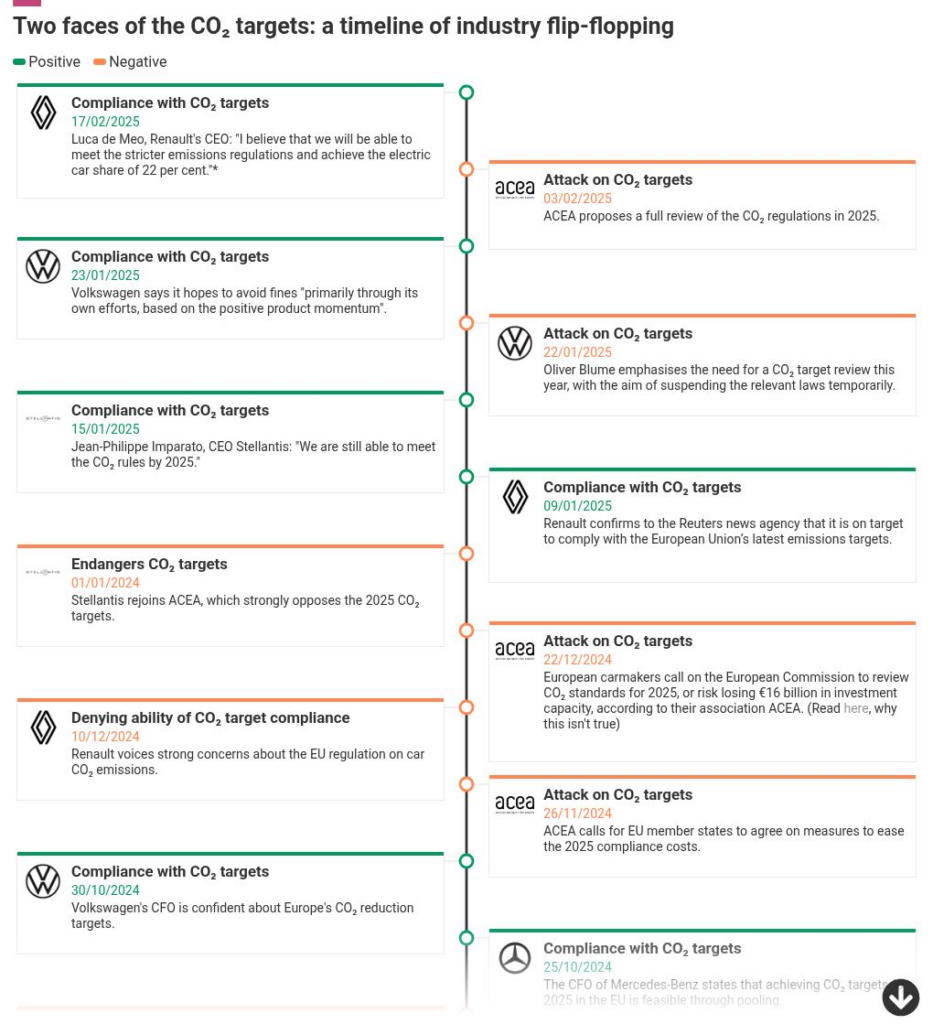
CO₂ targets in the automotive industry are becoming a focal point amidst rising environmental concerns and stringent EU automotive policies. Hildegard Müller, President of the German Automobile Industry Association (VDA), has voiced strong criticisms of the Brussels proposals on this crucial issue, suggesting that the current technological openness is merely superficial. She argues that such “lip service” creates uncertainties detrimental to the electric vehicle strategy in Europe, affecting the industry’s potential to innovate. Additionally, the debate highlights the necessity for clear, coherent strategies that encompass various propulsion technologies, including hybrid technology support as a transitional solution. Without a well-designed framework from policymakers, the anticipated success of electric vehicles may falter, presenting significant implications for both consumers and the automotive sector at large.
The current discourse surrounding carbon dioxide emission targets in the automotive sector underscores the urgency of adopting innovative transportation solutions. As highlighted by industry leaders, including Hildegard Müller, there is a pressing need for comprehensive EU policies that accommodate diverse propulsion methods, especially as we transition towards a more sustainable future. The conversation emphasizes the importance of supporting hybrid technology as a bridge during this shift towards electric mobility. By fostering a technology-neutral approach, stakeholders can better navigate the complex landscape of vehicular emissions and contribute to a greener environment. As such, policymakers must provide a robust and cohesive strategy that empowers the automotive industry to thrive while meeting ambitious environmental goals.
The Critique of CO₂ Targets in the Automotive Industry
Hildegard Müller, President of the German Automobile Industry Association (VDA), has voiced her strong opposition to the new CO₂ targets proposed by Brussels. She argues that the framework for these targets, which ostensibly promotes technology openness, is deceptive and ultimately serves as ‘lip service’ rather than a practical guideline. Müller believes that these vague policies create uncertainties that negatively impact the transition to electric vehicles (EVs) within the European market. The absence of a clear strategy not only jeopardizes current EV developments but also undermines consumer confidence in adopting these technologies.
Furthermore, Müller emphasizes that the automotive industry urgently needs well-structured policies that support a variety of propulsion technologies, including hybrids. As she points out, a coherent approach would enhance collaboration between manufacturers and policymakers, fostering innovation and better alignment with consumer needs. Without addressing these critical aspects of technology openness in future CO₂ regulations, the industry’s shift toward greener alternatives risks stagnation.
Frequently Asked Questions
What are the main concerns about CO₂ targets in the automotive industry as expressed by Hildegard Müller?
Hildegard Müller, President of the VDA, has raised significant concerns regarding the Brussels plans for new CO₂ targets in the automotive industry. She criticizes the proposed technology openness as merely ‘lip service,’ suggesting that the accompanying uncertainties could impede the successful adoption of electric vehicles in Europe.
How does Hildegard Müller view hybrid technology in relation to CO₂ targets in the automotive industry?
Hildegard Müller advocates for the inclusion of hybrid technologies as transitional solutions within the framework of CO₂ targets in the automotive industry. She emphasizes that supporting these technologies is crucial for ensuring a smooth transition to fully electric vehicles while addressing current market demands.
What role do transitional propulsion solutions play in EU automotive policies according to Müller?
In her criticism of the EU automotive policies, Hildegard Müller highlights the essential role of transitional propulsion solutions, such as hybrid technology, to bridge the gap towards full electrification. She argues that neglecting these solutions could hinder progress towards achieving the CO₂ targets set for the automotive industry.
Why is a clear strategy important for CO₂ targets in the automotive industry?
A clear and coherent strategy for CO₂ targets in the automotive industry is vital to create an optimal framework that supports the success of electric vehicles. Hildegard Müller stresses that without such a strategy, the uncertainty regarding regulations and technological advancements could stifle innovation and market acceptance.
What impact do the latest EU automotive policies have on electric vehicle adoption as per Hildegard Müller?
According to Hildegard Müller, the latest EU automotive policies could significantly impact the adoption of electric vehicles. She points out that if the policies do not effectively support the necessary technology and market conditions, including hybrid solutions, the goal of reducing CO₂ emissions within the industry may not be achievable.
How does Müller propose to improve conditions for electric vehicles in the context of CO₂ targets?
Hildegard Müller suggests that improving the conditions for electric vehicles involves not only supporting advancements in fully electric technologies but also recognizing and integrating transitional solutions like hybrid technology. Her view is that a balanced approach can help in achieving the CO₂ targets more effectively.
| Key Points | Details |
|---|---|
| Hildegard Müller Criticism | Müller criticizes Brussels’ CO₂ plans as lacking sincerity, expressing concerns over the technology openness offered. |
| Impact on Electric Cars | Müller believes that uncertainties in regulations negatively affect the success of electric vehicles in Europe. |
| Support for Hybrid Technologies | She calls for more support for hybrid technologies as transitional solutions amidst the push for electric vehicles. |
| Importance of Clear Strategy | The debate indicates the necessity for a coherent automotive industry strategy within the EU framework. |
| Challenges for Policymakers | Müller emphasizes that policymakers need to address the challenges posed by the current regulatory environment. |
| Duration of Discussion | The video provides insights into CO₂ targets and automotive industry positions in 5 minutes. |
Summary
CO₂ targets in the automotive industry are under intense scrutiny, particularly from leaders like Hildegard Müller, who highlight the need for a robust strategy amidst evolving regulations. The criticism of the current Brussels plans shows a clear divide over technological openness and support for hybrid technologies, which many view as essential for the transition towards predominantly electric vehicles. Without coherent and supportive policies, the potential success of electric vehicles remains uncertain, alerting both consumers and industry stakeholders to the critical nature of this regulatory landscape.

