
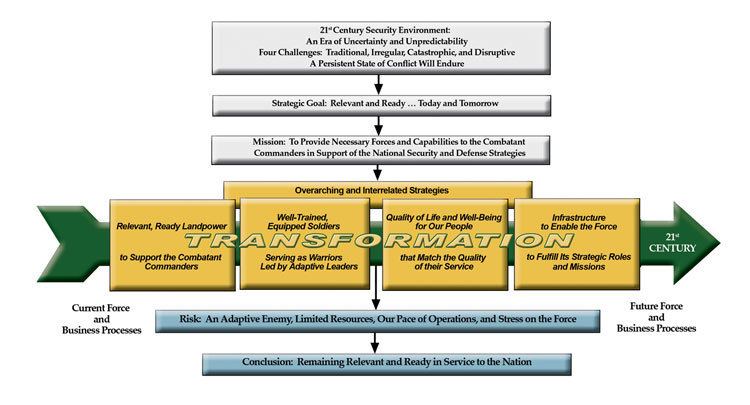
The United States is undergoing a vital military reorganization that promises to redefine its defense structure for years to come. Central to this initiative is the planned downgrade of the European Command, alongside a significant reduction in the number of four-star generals within the military. This overhaul, deemed the largest military structure reform in decades, aims to streamline operations and enhance efficiency in a changing global landscape. As U.S. defense policy changes unfold, they signal a shift in how the country engages with NATO troop levels and allies worldwide. Led by Defense Secretary Pete Hegseth, these adjustments reflect a commitment to adapt in the face of evolving geopolitical challenges.
In recent weeks, the United States has initiated sweeping reforms within its defense apparatus, marking a strategic pivot in military operations. This extensive reshaping includes key alterations to the command structure, particularly with the impending downgrade of the long-standing European Command and a notable cut in high-ranking military officials. These revisions come at a crucial time as policymakers reassess roles and responsibilities within NATO and international alliances. With implications for troop deployment levels in Europe and across the globe, these changes represent a fundamental shift in military engagement that resonates with the latest defense strategies. As such, the potential impact of these updates is being closely monitored by both military analysts and allied nations.
Understanding the US Military Reorganization
The ongoing reorganization of the US military aims to enhance operational effectiveness and adapt to contemporary security challenges. This significant restructuring encompasses a comprehensive overhaul of the existing military structure, most notably the downgrading of the European Command (Eucom). This shift is part of a broader strategy to establish an ‘International Command’ that will integrate various regional commands, enhancing coordination amongst US forces globally.
Moreover, the directive to reduce the number of four-star generals is indicative of a transformative approach in US defense policy. By streamlining leadership, the military intends to create a more agile command structure capable of responding swiftly to threats. This reduction in military bureaucracy is anticipated to promote a more efficient allocation of resources while also addressing the necessity for military structure reform in light of evolving global dynamics.
Impact of European Command Downgrade
The downgrading of the European Command (Eucom) has raised significant questions about the future of US military engagement in Europe. With NATO troop levels under scrutiny, the reinterpretation of US commitments in Europe reflects a strategic pivot towards the Indo-Pacific region. Observers have noted that such changes may signal a decreased American presence on the European frontline, which could alter the security landscape for European allies, sparking concerns over collective defense capabilities.
As the European security environment evolves, NATO countries are wary of potential shifts in US defense policy that may undermine deterrence against adversarial nations. The transition of Eucom into an International Command poses challenges not only for operational readiness but also for the commitment to NATO alliances. It remains critical for US policymakers to communicate effectively with NATO allies to mitigate apprehensions about US troop reductions and reinforce collective security assurances.
Four-Star Generals Reduction: A Strategic Move
The proposed reduction of four-star generals is a bold affirmative step by the Pentagon that aims to address the high-ranking leadership structure’s effectiveness within the military. By cutting the number of top-level officials, the US defense apparatus seeks to create a streamlined decision-making process. Such reforms reflect a critical examination of military hierarchy, aiming for a leaner command model that enhances responsiveness to complex geopolitical landscapes.
This shift may also symbolize a broader trend towards a military culture that values operational capability over hierarchical tradition. As the defense landscape rapidly evolves due to emerging threats, such leadership restructuring could align better with the Pentagon’s ambition for integration and modernization. Efforts to reduce excessive command layers will ostensibly facilitate quicker tactical decisions necessary for contemporary operations.
Shifts in US Defense Policy
The prospective broad changes in US defense policy underline a seismic shift in how the nation envisions its role on the global stage. By reallocating focus and resources toward the Indo-Pacific, the US is strategically prioritizing its response to the challenges posed by China, all while reassessing commitments within Europe. This new approach reflects a recalibration of threat assessments and the necessity for adaptive military strategies.
These shifts in defense policy are not merely about troop numbers or command structure; they signify a larger geopolitical strategy that aligns American military presence with national interests. As the US pivots its focus, the implications for international alliances and regional balances of power must be assessed carefully, ensuring that traditional partners are not left vulnerable or uncertain about the US’s ongoing role in global security frameworks.
NATO Troop Levels and Their Implications
As the US contemplates a recalibration of its troop levels in Europe, NATO countries face the task of reassessing their security postures. The potential for reduced US military presence necessitates a unified NATO response to ensure the alliance remains robust in the face of external threats, especially from adversaries like Russia. The commitment to maintaining a troop threshold, such as the proposed limitation of 76,000 troops, underscores the US’s intention to reassure European allies while pursuing strategic reforms.
Moreover, NATO’s future stability hinges on the cooperation of all member nations in adapting to the changing military landscape. This requires enhanced collaborative efforts among European nations to bolster their individual and collective defense capabilities in a climate of uncertainty about US commitment levels. The relationship dynamics within NATO must evolve to maintain a common understanding of security imperatives amidst shifting US policies.
The Role of the US Senate in Defense Reforms
The upcoming actions of the US Senate regarding defense legislation play a crucial role in shaping the future of military restructuring. The draft defense bill that limits troop withdrawals in Europe illustrates a legislative commitment to maintaining significant US military resources on the continent. This reinforces the strategic necessity of ensuring European allies feel supported and secure amid broader reforms.
Senate discussions surrounding the National Defense Authorization Act (NDAA) reflect the balancing act between promoting military efficiency and managing political expectations. As the Senate engages in shaping defense priorities, this dialogue will ultimately influence the operational readiness of US forces, ensuring that necessary reforms align with national security objectives without compromising NATO commitments.
Public Perception of Military Reorganization
The public reaction to military reorganization efforts is an integral component of the dialogue surrounding defense structure reforms. As discussions about troop reductions and command changes circulate, it becomes imperative for military leadership to effectively communicate the rationale behind these adjustments. Transparency about the strategic intent behind these moves can foster public trust and understanding, alleviating concerns that may arise from perceived vulnerabilities.
Public engagement is valuable in ensuring that citizens are informed about national defense changes and their implications for security. Addressing concerns about US commitments to NATO and other allied nations will be crucial in maintaining public support for these strategic reorientations. As the military adapts to evolving threats, cultivating understanding and support among the populace becomes more important than ever.
Germany’s Response to the Military Changes
Germany, as a significant NATO ally, closely observes the proposed military changes from the US, particularly with the downgrading of European Command. The implications of US troop reductions have direct consequences for Germany’s security strategy, prompting discussions among defense leaders in Berlin about enhancing military readiness. This adjustment necessitates a joint effort to ensure that European defense frameworks remain intact despite the potential for diminished US presence.
In light of these impending changes, Germany may also increase its own defense commitments to compensate for any perceived gaps left by a withdrawing US strategy. This proactive approach signifies an understanding of the interconnectedness of security in the transatlantic relationship, where European nations must collectively adapt to ensure stability amidst evolving geopolitical realities.
Future of NATO Amid US Strategy Shifts
The future of NATO faces considerable challenges as US defense strategy evolves towards reduced troop commitments in Europe. These shifts may prompt member nations to evaluate their own defense postures and enhance collective military capabilities to maintain deterrence against potential threats. Strengthening NATO’s internal dynamics becomes essential as the alliance navigates the complexities that come with changes in the US military approach.
Furthermore, discussions among NATO allies will be paramount to determine how best to address the implications of US reorganization. Reinforcing capabilities among European members can help sustain an effective collective defense posture, ensuring that NATO remains a formidable alliance. As member states engage in dialogue to bolster their defense strategies, the resilience of NATO hinges on cohesive partnerships and a shared commitment to mutual security.
Frequently Asked Questions
What does the upcoming US military reorganization entail?
The upcoming US military reorganization involves a significant restructuring of defense policy, aiming to streamline military leadership. Key changes include the downgrading of the European Command (Eucom) and the establishment of a new ‘International Command’ to oversee Eucom, Africa Command (Africom), and Central Command (Centcom). This reform marks the largest shift in US military structure in decades.
How will the European Command downgrade affect NATO troop levels?
The downgrade of the European Command is anticipated to impact NATO troop levels by potentially reducing the number of US forces stationed in Europe. As the US pivots to focus on the Indo-Pacific region under the ‘America First’ strategy, NATO may see a strategic reallocation of troops, although a defense bill currently limits permanent reductions below 76,000 troops.
What is the reason behind the reduction of four-star generals in the US military?
The reduction of four-star generals in the US military is part of a broader military structure reform aimed at enhancing efficiency and clarity within military leadership. Defense Secretary Pete Hegseth has directed a significant cut of at least 20% in the number of generals and admirals, which is expected to foster a more direct command structure.
How does the US defense policy changes reflect on military structure reform?
US defense policy changes are closely linked to military structure reform as they aim to create a more unified command system. The reorganization, which includes the establishment of the new International Command, emphasizes streamlining operations across various theaters and a reevaluation of troop presence in Europe and other regions.
What challenges does the US military reorganization present for Germany?
The US military reorganization presents challenges for Germany as it may lead to uncertainties regarding troop levels and operational command in Europe. The downgrading of European Command and shifts in US military focus could impact Germany’s role within NATO and its security partnerships, necessitating adjustments to defense strategies.
| Key Point | Details |
|---|---|
| Reorganization of Military Structure | The U.S. is undergoing a profound military reorganization, the largest in decades. |
| Downgrade of European Command | The European Command (Eucom) will be downgraded and placed under a new “International Command,” according to reports. |
| Reduction of Four-Star Generals | There will be a significant reduction in the number of four-star generals and admirals who report directly to Defense Secretary Pete Hegseth. |
| Focus on Indo-Pacific | U.S. military strategy is shifting from Europe to the Indo-Pacific region, amid rising tensions with China. |
| Legislative Action | The U.S. Senate plans to pass a defense bill limiting troop withdrawals in Europe. |
Summary
US military reorganization is becoming evident as the country prepares for a comprehensive restructuring of its defense policies. This significant transformation will see a downgrade of the European Command and a reduction in high-ranking military officials, fundamentally changing America’s strategic posture globally. As the Pentagon aims to streamline operations and prioritize challenges in the Indo-Pacific, the implications of these reforms on NATO and European security remain uncertain.

