
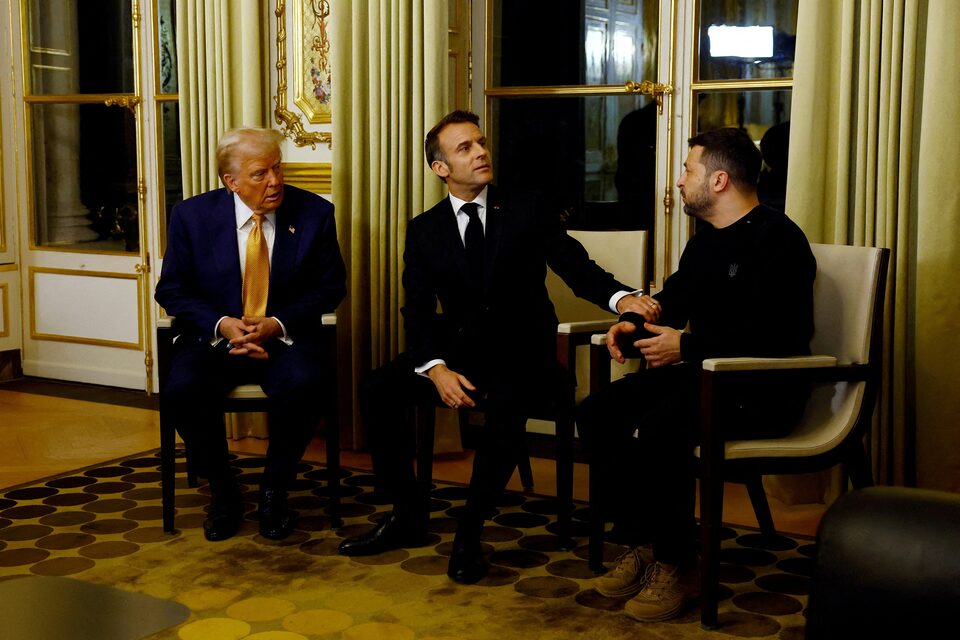
American security guarantees have become a focal point of debate, especially in the context of Ukraine’s defense and transatlantic relations. Former NATO chief strategist Stefanie Babst raises significant concerns over the evolving reliability of these assurances under the recent Trump security policy, sparking serious NATO trust issues. In her insightful analysis, Babst articulates how the uncertainties surrounding the “nuclear umbrella” may undermine stability in Europe. This development raises critical questions about the security implications for Ukraine and its relationship with Western alliances. As geopolitical dynamics shift, understanding the implications of American security guarantees is essential for fostering lasting stability and trust in international relations.
The concept of American defense assurances has increasingly entered the discourse surrounding global security, particularly in light of its role in safeguarding Ukraine. Analysis by former NATO strategist Stefanie Babst sheds light on these protective commitments, questioning their strength amidst shifting political landscapes, including the Trump administration’s approach. The erosion of trust between the U.S. and its NATO allies presents pressing challenges, affecting the security framework that binds transatlantic relations. Babst’s insights stress that the future of security policies will hinge on rebuilding confidence and addressing the nuances of mutual defense agreements. Given the geopolitical backdrop, it is crucial to explore the effects of these defense promises on regional stability and allied solidarity.
Assessing American Security Guarantees in the Context of NATO
The reliability of American security guarantees has come under scrutiny, especially in the context of NATO and the growing tension in Eastern Europe. Stefanie Babst, a former NATO chief strategist, has voiced concerns that the recent direction of U.S. security policies under President Trump could undermine the traditional NATO framework. With uncertainty surrounding America’s willingness to fulfill its obligations to allies, many nations are questioning the strength of these guarantees, fearing that they may not offer the protection they once assured.
This situation has broader implications for transatlantic relations, as trust between the United States and its European allies is being tested. The notion of a ‘nuclear umbrella’ that once brought a semblance of security is now being called into question. As geopolitical landscapes shift and threats evolve, Babst’s analysis serves as a crucial reminder that the assurance of safety through mutual defense may be eroding, leaving NATO allies to reevaluate their strategic positions.
Trump’s Security Policy and Its Impact on NATO Trust
Former President Trump’s security policy has significantly affected NATO’s operational dynamics, particularly in Europe. His unpredictable approach raised alarms among allied nations regarding America’s commitment to collective defense. Babst’s analysis emphasizes how this trust deficit can lead to a geopolitical vacuum where adversarial forces may exploit the hesitations of traditional U.S. alliances, especially concerning the security of Ukraine.
The implications of this shift are profound, as they suggest that European nations might need to reconsider their security strategies independently of the U.S. This rethinking could involve increasing military readiness or forming new alliances to ensure their sovereignty and stability. Without reliable American leadership and support, the cohesiveness of NATO may be challenged, pushing member states to question their commitment to collective defense, further complicating transatlantic relations.
Geopolitical Implications of the Ukraine Crisis
The ongoing Ukraine crisis has stark implications for European security and NATO’s collective response. Babst’s insights highlight how the current security dilemmas surrounding Ukraine are a litmus test for NATO’s unity and resolve. With American security guarantees appearing less certain, European countries must grapple with their own defense initiatives and potentially increase their military capabilities to counteract Russian aggression.
Moreover, the Ukraine situation exemplifies the growing complexity of transatlantic relations in the face of evolving international threats. Should trust in U.S. security promises continue to diminish, European nations could find themselves in precarious positions, compelled to act unilaterally in safeguarding their interests. This shift may provoke a reevaluation of NATO’s foundational principles, further complicating the dynamics of faith, cooperation, and collective action among member states.
Erosion of Trust in Transatlantic Relations
The erosion of trust within transatlantic relations poses significant challenges for NATO’s future. Babst argues that as America’s reliability is put into question, European allies may feel the pressure to redefine their own defense frameworks. The consequences of deteriorating trust could lead to a fragmented security environment, where nations are compelled to forge new partnerships outside of the NATO framework, deviating from the established cooperative norms that have governed security policy for decades.
Understanding the underlying factors contributing to this trust deficit is essential for reinvigorating transatlantic cooperation. Key issues such as military spending, diverse security threats, and the evolution of NATO’s mission all play a role in shaping the alliance’s future. In an environment where uncertainty prevails, consistent dialogue and commitment among allies are crucial to restoring faith in American security guarantees and ensuring a united front against emerging global challenges.
Navigating the Complex Security Challenges Ahead
As the geopolitical landscape continues to shift, the importance of navigating complex security challenges becomes paramount. Babst suggests that a multidimensional security strategy is crucial for adapting to new threats while maintaining a cohesive stance within NATO. This entails an understanding of the interconnectedness of various geopolitical factors, including the implications of American policy decisions and their impact on international trust.
Moreover, the future of NATO will likely depend on its ability to respond proactively to these challenges. By fostering stronger ties among member nations and bolstering cooperative security measures, NATO can enhance its credibility and ensure that all allies feel secure under the collective defense umbrella. The ongoing dialogues around security policy must reflect a commitment to mutual support and the reinforcement of trust, especially in the light of recent global developments.
Evaluating the Security Landscape Post-Trump
In the wake of Trump’s presidency, a thorough reevaluation of the security landscape is essential. The shifts in American foreign policy have left NATO allies reflecting on their own strategies and defense commitments. Babst’s analysis highlights the need for a renewed focus on creating a balanced security environment that prioritizes clear communication, mutual trust, and collaborative responses to threats.
Moving forward, NATO must navigate the challenges posed by internal and external pressures while maintaining its foundational principles. An open dialogue about security responsibilities and a commitment to shared goals will be vital in reinforcing alliances. By addressing concerns related to trust and reliability, NATO can solidify its role as a key player in global security, ensuring that every member feels confident in their alliance commitments.
Future Directions for NATO and Europe
Looking ahead, the future direction of NATO and Europe’s security environment will hinge on how member states adapt to the evolving geopolitical challenges. Babst emphasizes that the alliance must engage in systemic reforms to respond adequately to the security needs of its members, particularly in light of the ongoing threats from Russia and uncertainty regarding American security guarantees. The coherence of NATO’s strategic vision will determine its effectiveness in sustaining collective defense.
In addition, strengthening collaborative measures among European nations may play a significant role in establishing a more robust security framework. By pooling resources, sharing intelligence, and maintaining joint military exercises, European allies can work cumulatively to enhance their defensive capabilities and ensure peace and security on the continent. A forward-looking NATO will be a dynamic entity, ready to confront emerging threats while fostering a sense of security and stability across transatlantic relations.
The Role of NATO in Current Geopolitical Conflicts
NATO’s role in current geopolitical conflicts underscores its importance in ensuring collective security among its members. The alliance’s response to crises such as the situation in Ukraine reflects its commitment to collective defense principles. Babst’s assessment indicates that the effectiveness of NATO in addressing these conflicts hinges on the trust in American leadership and security guarantees, which must be reaffirmed to maintain cohesion within the alliance.
As NATO navigates ongoing tensions in Eastern Europe, it is vital for member states to showcase solidarity and a readiness to defend against potential aggressors. By engaging in joint military initiatives and diplomatic efforts, NATO can foster a unified front that not only reassures member states of their safety but also sends a clear message to adversaries regarding the alliance’s resolve. Maintaining strong transatlantic ties will be essential to confront the multifaceted nature of today’s global security challenges.
Understanding the Security Dilemmas Facing NATO Allies
The security dilemmas facing NATO allies are increasingly intricate, as Babst notes in her analysis. Factors such as varying national interests, different perceptions of threat levels, and the influence of political changes in member countries today contribute to a more complex security environment. Allies must grapple with balancing their own security needs against the commitments made to NATO, necessitating a delicate approach in policy-making.
Strengthening cooperative security measures among allies becomes central to resolving these dilemmas. By fostering enhanced communication, conducting regular security assessments, and developing joint strategic initiatives, NATO can address common concerns while accommodating the diverse security interests of its members. In doing so, the alliance can work towards rebuilding trust, reaffirming American security guarantees, and ensuring a cohesive approach to regional and global security challenges.
Frequently Asked Questions
What are American security guarantees and how do they relate to NATO trust issues?
American security guarantees refer to the commitments made by the United States to protect its allies, particularly under NATO. These guarantees are essential for maintaining trust within the alliance. However, as highlighted by Stefanie Babst, recent developments, including the Trump security policy, have raised concerns about the reliability of these guarantees, potentially straining NATO trust.
How does Stefanie Babst’s analysis reflect concerns about American security guarantees for Ukraine?
Stefanie Babst’s analysis emphasizes the fragility of American security guarantees for Ukraine, particularly in light of uncertain geopolitical dynamics. She suggests that the reliability of these guarantees is at risk, which could have significant implications for Ukraine’s security and its relationship with NATO.
What implications does the Trump security policy have on American security guarantees?
The Trump security policy has cast doubt on American security guarantees by prioritizing ‘America First’ strategies. This approach may undermine the traditional role of the U.S. as a reliable security partner, raising questions about the effectiveness of these guarantees among NATO allies and partners like Ukraine.
In what way does the erosion of transatlantic trust relate to American security guarantees?
The erosion of transatlantic trust is closely linked to the perception of American security guarantees. As noted by Stefanie Babst, if allies perceive these guarantees as unreliable, it can damage the foundational trust necessary for collective security, particularly within NATO frameworks.
What are the security implications for Ukraine regarding American security guarantees?
The security implications for Ukraine due to American security guarantees are profound. If these guarantees are perceived as weakened or unreliable, Ukraine may face increased vulnerabilities. Babst warns that this not only affects Ukraine but also has broader repercussions for transatlantic relations and NATO’s strategic posture.
How can American security guarantees impact NATO’s cohesion in light of current geopolitical challenges?
American security guarantees play a crucial role in NATO’s cohesion. If allies doubt these guarantees, as Stefanie Babst suggests, it can lead to division and decreased collective defense readiness, complicating NATO’s ability to respond effectively to modern geopolitical challenges.
Why is trust in American security guarantees essential for transatlantic relations?
Trust in American security guarantees is essential for maintaining strong transatlantic relations, as it fosters cooperation and mutual defense among NATO allies. The uncertainty surrounding these guarantees, as highlighted by Babst, threatens to destabilize these critical partnerships.
What does Stefanie Babst suggest about the future of American security guarantees in a changing world?
Stefanie Babst suggests that in a rapidly changing geopolitical landscape, the future of American security guarantees is uncertain. She emphasizes the need for a reassessment of these guarantees to restore trust and ensure that NATO remains a reliable framework for collective defense.
| Key Points |
|---|
| Stefanie Babst doubts the reliability of American security guarantees for Ukraine. |
| Trump’s policies make the ‘nuclear umbrella’ less likely. |
| There are geopolitical implications due to the erosion of transatlantic trust. |
| Trust in American security guarantees is seen as jeopardized. |
| Babst’s video analyzes current security policy challenges. |
Summary
American security guarantees are increasingly viewed with skepticism, particularly in the context of Ukraine’s defense. Stefanie Babst’s insights highlight growing doubts about the effectiveness of these guarantees under the influence of recent U.S. leadership changes. As geopolitical tensions rise and trust declines, the implications for transatlantic relationships and global security policy are profound. Babst’s analysis serves as a critical reflection on the need for greater reliability and clarity in international security commitments.

