
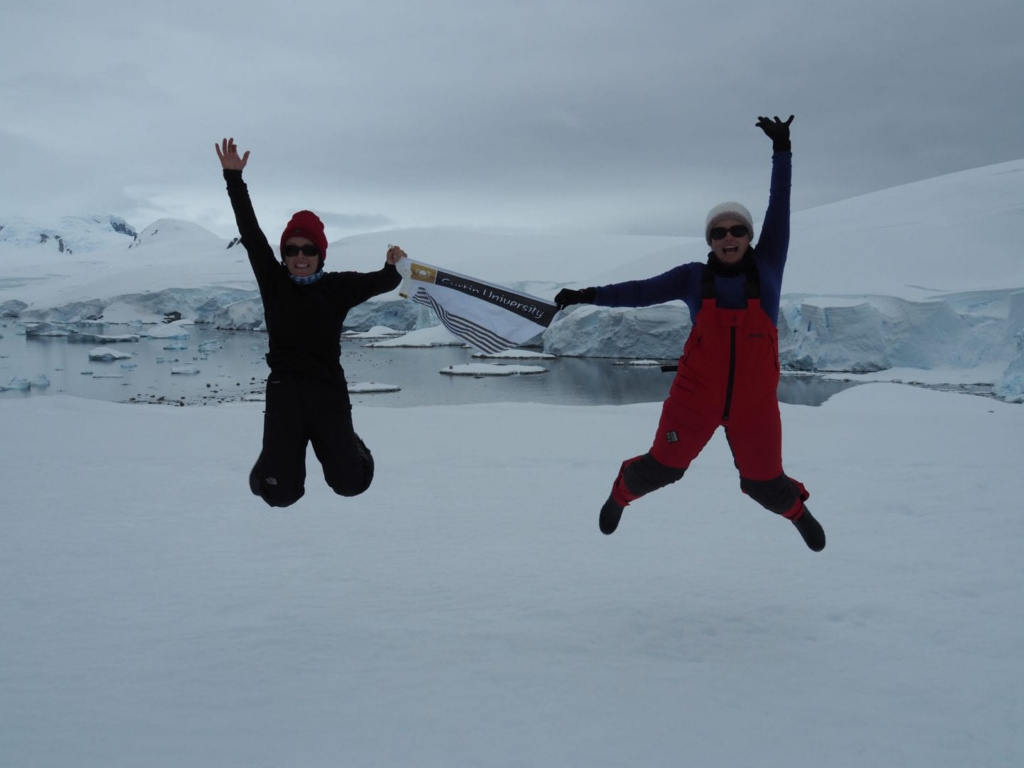
The Antarctica climate change expedition has officially embarked on its mission, with the research vessel Polarstern setting sail from Namibia today. This pivotal journey, led by an international research team under German command, will delve into the urgent effects of climate change on Antarctic ecosystems. A key focus will be on the biodiversity of the Weddell Sea, an area noted for its rich marine life and potential for establishing a marine protected area. Scientists aim to uncover how declining sea ice impacts these delicate ecosystems and the broader climate impact on ecosystems, leveraging advanced techniques and tools throughout their exploration. With 45 experts from eight nations onboard, this expedition is not just a scientific endeavor; it’s a critical step towards ensuring the conservation of our planet’s last great wilderness.
The expedition to Antarctica, dedicated to exploring the effects of climate change, sets the stage for groundbreaking research into polar ecosystems. The scientists aboard the Polarstern are determined to assess the rich marine biodiversity of the Weddell Sea, aiming to facilitate the creation of a marine protected area in this vital region. Emphasizing the nexus between melting ice and ecological health, this international research team strives to gather comprehensive data that highlights the climate’s impact on these fragile environments. With a keen focus on underwater habitats, including their crucial role in the food web, the expedition promises insights that will inform future conservation efforts. As the researchers navigate through the severe challenges of the Antarctic landscape, their findings could prove instrumental in preserving the unique life forms that inhabit these icy waters.
The Role of the Polarstern Research Vessel in Antarctic Climate Studies
The Polarstern research vessel is embarking on an essential expedition to Antarctica, aiming to uncover the profound impacts of climate change on the region’s fragile ecosystems. This cutting-edge vessel, equipped with advanced scientific tools, will facilitate in-depth research on Weddell Sea biodiversity. As the expedition progresses, 45 scientists from eight nations will work tirelessly to collect data that could pivotally influence future conservation efforts. This collaboration reflects a global commitment to understanding and mitigating climate impacts on ecosystems once thought to be stable.
During its journey, the Polarstern will navigate the diverse waters of the Weddell Sea, one of the last unspoiled marine areas of the planet. The research team aims to utilize various methodologies, including water sampling and sonar mapping, to illuminate the rich biodiversity residing beneath the sea ice. By capturing these details, they seek to provide a clearer image of how declining sea ice due to climate change is not only altering the landscape but also affecting the various marine species that inhabit this critical habitat.
Assessing Climate Change Effects on Antarctic Ecosystems
The current expedition led by Heike Link and her dedicated Antarctic research team aims to systematically assess how climate change compromises Antarctic ecosystems. With climate predictions suggesting accelerated warming trends, the decline of sea ice raises alarms about shifting biodiversity patterns. Researchers are particularly concerned about the role of microalgae, which form the basis for the marine food chain and are vital for sustaining various species in the ecosystem.
Using a comprehensive approach that includes the gathering of water and sediment samples, the research team hopes to spot early signs of ecological distress. The expedition’s objective is to establish a long-term monitoring system that will continuously track changes in biodiversity in collaboration with satellite technologies. This forward-thinking approach represents a significant step toward understanding the long-term impacts of climate change, aiming to reveal how Antarctic ecosystems adapt—or fail to adapt—over time.
Weddell Sea Biodiversity and Conservation Initiatives
The Weddell Sea, with its astonishing range of marine life, serves as a focal point for conservation efforts in Antarctica. As the scientists aboard the Polarstern collect data on marine ecosystems, their findings are intended to contribute to the establishment of a marine protected area (MPA) in this critical region. Covering an expansive 2.8 million square kilometers, the proposed MPA would play a pivotal role in safeguarding the rich biodiversity found within its depths, which extend up to 5,000 meters.
Currently, various commercial interests threaten the ecological integrity of the Weddell Sea, including potential oil extraction and overfishing of crucial krill populations. The research team’s work is vital, as the data they collect will provide the necessary evidence to advocate for stronger protections. By shining a light on the area’s ecological significance, they hope to influence international policy discussions and inspire collective action toward conservation.
Long-term Monitoring Strategies for Biodiversity
The expedition’s commitment to establishing a long-term monitoring system for Antarctic biodiversity is a critical element of their research strategy. As climate change continues to evolve, tracking alterations in marine habitats will be essential for effective conservation. This system involves the integration of innovative technologies, such as satellite imaging and automatic measuring devices, to continuously collect data on ecological changes. The long-term goal is to create a comprehensive database that not only highlights present conditions but also predicts future trends.
Efforts will include utilizing sonar devices to create detailed profiles of underwater life, enabling researchers to assess population dynamics and habitat changes over time. Establishing such a monitoring framework will assist policymakers in making informed decisions that protect Weddell Sea biodiversity from the growing threats posed by climate change, ultimately underlining the importance of preserving these unique ecosystems.
Collaborative Efforts Among International Research Teams
The Antarctic climate change expedition is marked by a remarkable collaboration among an international research team, showcasing the global commitment to understanding climate impacts. Scientists from various countries bring a wealth of diverse expertise to the project, enriching the research process and enhancing data collection efforts. This multinational endeavor underscores the urgency of addressing climate change as a collective challenge that transcends borders.
With 45 scientists onboard, the expedition fosters an environment of shared knowledge and innovation, as each researcher contributes unique methods and insights. Collaboration not only enhances the scientific output but also strengthens diplomatic ties among nations in the pursuit of a common goal: safeguarding the health of Antarctic ecosystems for future generations. The experience gained through this expedition will also provide valuable lessons for similar future initiatives across the globe.
Antarctic Research Team: Challenges and Triumphs
This expedition offers both challenges and triumphs for the Antarctic research team, which is composed of scientists from various backgrounds and disciplines. Operating in some of the most extreme conditions on earth, the team faces logistical hurdles while navigating the treacherous waters of the Weddell Sea. However, these challenges are often accompanied by stunning moments that showcase the breathtaking beauty and resilience of Antarctica’s landscape.
Despite the hurdles, the team’s relentless spirit drives them to achieve their objectives. The data collected during this adventure promises not only to reveal critical insights into biodiversity but also to serve as a catalyst in international conversations about environmental protection. Such impactful outcomes are expected to resonate far beyond the icy shores of Antarctica, influencing global discussions around climate change and conservation efforts.
The Impact of Declining Sea Ice on Marine Food Chains
The decline of sea ice serves as a critical focal point for understanding the ecosystem dynamics in Antarctica. As sea ice diminishes, it disrupts the intricate balance of the marine food chain, beginning with vital microalgae that thrive in these icy conditions. These organisms serve as the foundational element of the Antarctic marine food web, supporting numerous species from krill to larger predatory fish.
As the Antarctic research team conducts their studies aboard the Polarstern, they aim to document these changes and unravel the complex interdependencies within the ecosystem. With sea ice loss contributing to shifts in species distributions, the team’s findings will be fundamental in deciphering how climate change alters not just marine life in the Weddell Sea but affects the entire Antarctic ecosystem’s health.
Gathering Data for Future Environmental Policy
The implications of the research conducted by the Antarctic team extend beyond academic interests, as the collected data will play a crucial role in shaping future environmental policies. By providing robust evidence of how climate change is impacting the Weddell Sea biodiversity, the team aims to influence international negotiations regarding the establishment of a marine protected area. This protection is essential to mitigate the ongoing threats posed by industrial activities and climate change.
In a world where environmental issues are increasingly contested, data-driven arguments are vital to sway policymakers. The findings from this expedition will help stakeholders in articulating the need for immediate and concrete actions to protect fragile ecosystems. By laying a scientific foundation for policy discussions, the researchers hope their work will contribute significantly to ensuring the longevity and health of the Antarctic marine environment.
Future Directions for Antarctic Research and Conservation
As the expedition aboard the Polarstern nears its conclusion, reflections on future directions for Antarctic research are crucial. The critical findings regarding Weddell Sea biodiversity and the profound impacts of climate change will pave the way for new studies and conservation initiatives. Continuous research is necessary not only to monitor changing ecosystems but also to anticipate potential threats posed by evolving climate patterns.
Looking ahead, it’s imperative that discussions surrounding the establishment of marine protected areas continue to gain momentum. The insights gathered during this expedition could be essential for galvanizing international support to enact protective measures aimed at preserving the unique biodiversity of Antarctica. The researchers remain optimistic that the collaboration fostered during this expedition will lead to greater efforts in marine conservation efforts and awareness on a global scale.
Frequently Asked Questions
What is the purpose of the Antarctica climate change expedition led by the Polarstern research vessel?
The Antarctica climate change expedition led by the Polarstern research vessel aims to investigate the effects of climate change on the ecosystem in Antarctica. The international research team, consisting of 45 scientists from eight nations, will analyze biodiversity, focusing on the Weddell Sea, to support the creation of a marine protected area.
How does the decline of sea ice impact ecosystems during the Antarctica climate change expedition?
During the Antarctica climate change expedition, researchers will study how the decline of sea ice affects ecosystems. Sea ice is crucial, as it supports microalgae, which form the foundation of the marine food web. Changes in ice coverage could dramatically alter biodiversity and marine life in the region.
What methods will the Antarctic research team use to study biodiversity?
The Antarctic research team will employ various methods, including probes, fishnets, and water and sediment sampling, to analyze biodiversity throughout the water column. These techniques will help gather crucial data on the impact of climate change on ecosystems during the expedition.
Why is the Weddell Sea important for biodiversity in the context of the Antarctica climate change expedition?
The Weddell Sea is considered a biodiversity hotspot, encompassing an area of 2.8 million square kilometers. The Antarctica climate change expedition aims to collect data that supports the establishment of a marine protected area, acknowledging the unique species and ecosystems that could be affected by climate change.
What challenges does the international team face during the Antarctica climate change expedition?
The international team faces numerous challenges during the Antarctica climate change expedition, including harsh weather conditions and the logistical difficulties of conducting research in a remote environment. However, they remain committed to overcoming these obstacles to collect vital data on climate impacts on ecosystems.
What long-term strategies will be implemented following the Antarctica climate change expedition?
Following the Antarctica climate change expedition, researchers plan to implement long-term monitoring strategies, including satellite tracking and automatic measuring devices, to continuously assess biodiversity in the Weddell Sea. This long-term data will be critical for future conservation efforts.
What potential threats to marine protected areas in the Weddell Sea are highlighted during this expedition?
The expedition highlights potential threats to marine protected areas in the Weddell Sea, such as suspected oil reserves and commercial interests related to krill populations that are vital for fish producers. The data obtained during the Antarctica climate change expedition will be crucial for navigating these political and ecological challenges.
How can the findings from the Antarctica climate change expedition influence future negotiations for marine protection?
Findings from the Antarctica climate change expedition could significantly influence future negotiations for marine protection by providing essential ecological data and insights into the impacts of climate change. This information can help bolster arguments for the establishment of a marine protected area in the Weddell Sea.
| Aspect | Details |
|---|---|
| Research Vessel | Polarstern, departing from Namibia. |
| Expedition Duration | Expected to last until early February. |
| Research Team | International team under German leadership, including 45 scientists from 8 nations. |
| Focus of Research | Impact of climate change on Antarctic ecosystem. |
| Main Goal | Establish a marine protected area in the Weddell Sea (2.8 million sq km, 5,000 m depth). |
| Importance of Sea Ice | Critical for marine food chains; decline affects biodiversity. |
| Data Collection Methods | Probes, fishnets, water and sediment samples; long-term monitoring via satellites and sonar. |
| Challenges | Difficult conditions, commercial interests threaten protection, e.g., oil reserves. |
| Future Implications | Critical insights for future political and ecological negotiations. |
Summary
The Antarctica climate change expedition is a pivotal undertaking that seeks to uncover the profound effects of climate change on the Antarctic ecosystem. Led by a dedicated international team aboard the Polarstern, this research aims not only to document current biodiversity but also to establish vital protective measures in the Weddell Sea, an area rich in unique marine life. As the team gathers crucial data, they will face significant challenges, yet their efforts promise to yield insights that could influence future conservation efforts and climate policies. The expedition underscores the urgent need for action as Antarctic ecosystems face unprecedented threats from climate change.

