
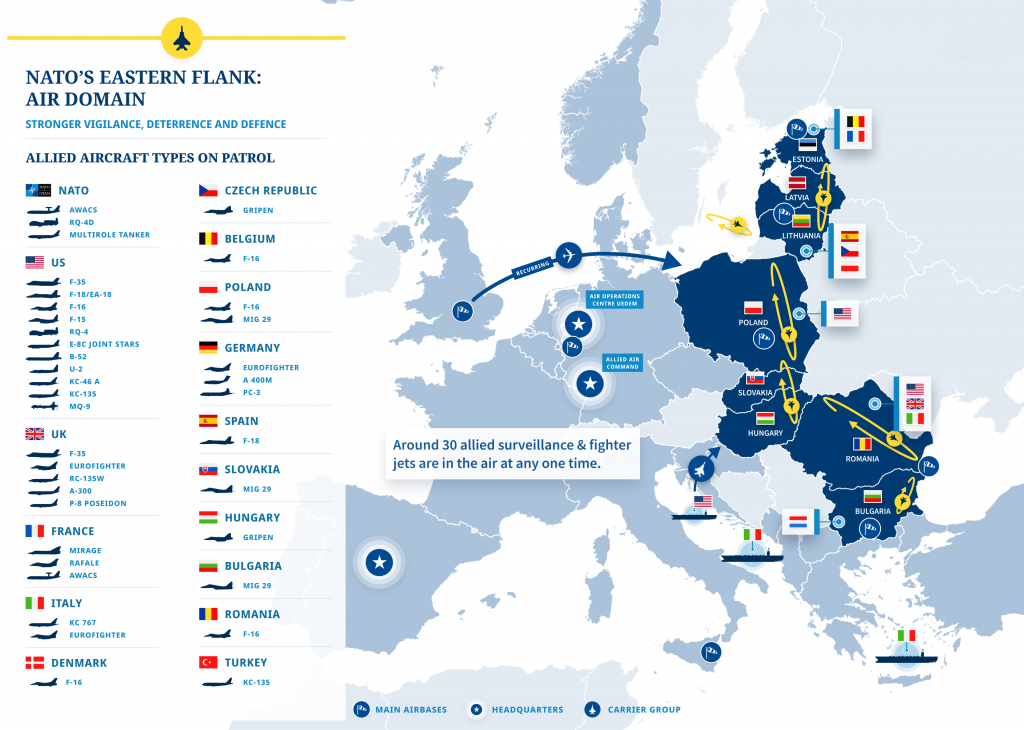
Poland, a pivotal player on NATO’s eastern flank, is at the forefront of ensuring security in Eastern Europe amid rising geopolitical tensions. As a staunch supporter of Ukraine, Poland’s role has become paramount in the collective defense strategy of NATO, reinforcing its commitment to regional stability. The vigilance of Poland’s intelligence services is critical as they confront growing sabotage threats that could undermine national and allied security. With increasing military cooperation and strategic partnerships, Poland stands as a bulwark against potential aggressions in the region. These developments reflect not only Poland’s national security priorities but also its broader mission to support allies and counter risks affecting NATO’s eastern border.
Situated as a key ally within the North Atlantic Treaty Organization, Poland serves as a frontline defense against potential aggressions in Eastern Europe. Its robust intelligence services are tasked with monitoring and neutralizing various security challenges, including espionage and sabotage threats. Poland’s unwavering commitment to supporting Ukraine exemplifies its strategic importance in the region, ensuring a collaborative approach to defense and stability. As geopolitical landscapes shift, the vigilance of Poland’s national security apparatus becomes even more vital in safeguarding both national interests and those of neighboring allies. This proactive stance not only enhances Poland’s security profile but also contributes significantly to the overall strength of NATO’s eastern flank.
Poland’s Strategic Role in NATO’s Eastern Flank
Poland’s position as the frontline state on NATO’s eastern flank highlights its strategic importance to the alliance. In recent years, the security dynamics in Eastern Europe have shifted significantly with rising tensions in the region. Poland has become a key player in NATO’s defense strategy, contributing to joint military exercises and enhancing its defense capabilities. This role is crucial as NATO seeks to deter any potential aggression from neighboring countries, ensuring stability in the region.
Moreover, Poland’s active involvement in NATO initiatives directly impacts the security of Eastern Europe. By hosting NATO troops and military resources, Poland enhances collective defense measures against threats. The country’s commitment to NATO operations underscores its willingness to bolster not only its security but also that of its allies. This proactive approach signifies Poland’s pivotal role in maintaining a united front against any incursions, thereby solidifying its influence within the alliance.
The Increasing Threat of Sabotage in Poland
As the geopolitical landscape becomes more complex, Poland faces an elevated risk of sabotage threats. Intelligence reports indicate that agents and saboteurs are increasingly targeting Poland due to its robust stance on security issues, particularly its unwavering support for Ukraine. The presence of foreign agents attempting to undermine Polish stability has heightened the need for vigilance among government and military officials.
In response to these emerging threats, Poland’s intelligence services have ramped up their efforts to identify and neutralize potential risks. This includes enhanced monitoring of suspicious activities and collaboration with NATO partners to share intelligence. The proactive measures being put in place are essential not only for protecting national interests but also for safeguarding the entire NATO eastern flank from destabilizing influences.
Furthermore, Poland’s commitment to strengthening its intelligence capabilities is evident in the adoption of new technologies and improved operational strategies. By investing in cyber defenses and enhancing counterintelligence operations, Poland aims to thwart any attempts of sabotage before they manifest. The recognition of these threats illustrates a comprehensive understanding of the security challenges that Poland, and by extension NATO, faces in this volatile region.
Support for Ukraine: A Cornerstone of Poland’s Defense Strategy
Poland’s unwavering support for Ukraine has emerged as a cornerstone of its defense strategy, especially in the context of NATO’s collective security. As tensions escalate in the region, Poland has positioned itself as a critical ally of Ukraine, providing military aid and humanitarian support. This strategic partnership not only strengthens Ukraine’s defense but also enhances Poland’s own security by creating a buffer against potential aggression.
Furthermore, Poland’s involvement in supporting Ukraine has significant implications for NATO’s posture in Eastern Europe. By aligning closely with Ukraine, Poland reinforces a united front among NATO countries, emphasizing the importance of regional stability. The collaboration in defense initiatives signals to adversaries that NATO stands firm in its commitment to collective security in the face of provocations, thereby deterring threats from across the border.
The Role of Poland’s Intelligence Services in National Security
Poland’s intelligence services play a crucial role in safeguarding the nation against various threats, particularly in the evolving landscape of Eastern European security. As regional tensions rise, the capability of these services to gather, analyze, and disseminate information has never been more critical. This involves monitoring potential security threats from foreign adversaries, including espionage and sabotage attempts that aim to destabilize the country.
The proactive measures taken by Poland’s intelligence agencies demonstrate a commitment to national security that extends beyond mere reactionary strategies. By actively engaging in intelligence-sharing with NATO allies, Poland enhances its defensive posture and contributes to a broader understanding of threats facing the alliance. This collaborative effort helps to ensure that Poland remains resilient in the face of increased risks and challenges.
Polish Military Enhancements: Strengthening Eastern Europe’s Defense
In light of changing security dynamics, Poland has initiated a series of military enhancements aimed at fortifying its defense capabilities. The ongoing modernization of the Polish Armed Forces includes upgrading equipment, improving training programs, and expanding troop deployments along NATO’s eastern flank. These improvements reflect Poland’s commitment to not only its national security but also to the broader security framework of NATO.
Moreover, Poland’s military enhancements serve as a deterrent to potential aggressors in the region. By investing in advanced weaponry and increasing defense spending, Poland signals its readiness to confront any challenges that may arise. This proactive stance not only strengthens Poland but also reassures NATO allies of the country’s dedication to ensuring stability in Eastern Europe.
Latent Security Threats: The Need for Preparedness in Poland
The contemporary security environment in Poland has necessitated heightened preparedness against latent threats that may surface unexpectedly. As a frontline NATO state, the potential for sabotage, cyber-attacks, and espionage looms larger than ever. Poland’s intelligence services are on high alert, employing an array of countermeasures to identify and neutralize risks before they can affect national security.
Preparedness also includes public awareness and engagement strategies that empower citizens to recognize and report suspicious activities. Poland’s leadership has recognized that a well-informed populace is an essential component of national security, enabling faster responses to potential threats. This comprehensive approach serves to bolster not only Poland’s security framework but also contributes to NATO’s collective response to emerging threats in Eastern Europe.
NATO’s Collective Response: Poland at the Forefront
Poland’s pivotal role in NATO’s collective response strategy is increasingly evident as the alliance adapts to new security challenges. Situated on the eastern flank, Poland acts as a critical hub for NATO operations, facilitating coordination and logistics essential for rapid response endeavours. This centrality emphasizes Poland’s importance in NATO’s deterrence strategy against regional threats.
Moreover, Poland’s commitment to NATO extends beyond geographic positioning; it encompasses active participation in joint exercises and collaborative defense initiatives. By working closely with other member states, Poland strengthens the alliance’s overall readiness and capability to respond to crises. This spirit of cooperation is vital for maintaining peace and security in an unpredictable geopolitical landscape.
Intelligence Sharing: Collaborative Security in Eastern Europe
Intelligence sharing among NATO allies is a crucial aspect of ensuring comprehensive security in Eastern Europe. Poland actively participates in these efforts, contributing valuable insights and data that enhance the collective understanding of potential threats. This collaborative approach not only boosts Poland’s defensive capabilities but also reinforces trust among NATO members.
The significance of intelligence sharing cannot be overstated, especially in the face of growing uncertainties in the region. By pooling resources and information, NATO allies, including Poland, create a stronger, more unified defense posture. This collective effort is essential for preempting malicious actions and ensuring the safety of all member states against hybrid threats.
Future Directions for Poland’s Security Strategy
Looking forward, Poland’s security strategy will need to consider both conventional and unconventional threats as part of NATO’s broader mission. The increasing complexity of security challenges—from cyber warfare to disinformation campaigns—necessitates a holistic approach to defense planning. Poland will likely continue investing in innovative security measures to adapt to this dynamic environment.
Additionally, strengthening diplomatic ties within NATO and seeking closer cooperation with Ukrainian defense forces remain vital for Poland. By fostering these relationships, Poland not only secures its borders but also contributes to a stable security architecture in Eastern Europe. This forward-thinking approach will be essential in navigating the uncertainties that lie ahead.
Frequently Asked Questions
What role does Poland play on NATO’s eastern flank?
Poland serves as a frontline state on NATO’s eastern flank, strategically positioned to bolster the alliance’s security in Eastern Europe. It plays a crucial role in deterrence against potential threats from the east and supports NATO operations in the region.
How is Poland responding to security challenges on its eastern flank?
In response to increasing security challenges on its eastern flank, Poland is enhancing its military capabilities and collaborating closely with NATO allies. This includes intelligence sharing and joint exercises to counter any potential threats.
Why is Poland significant for NATO in Eastern Europe?
Poland is significant for NATO’s strategy in Eastern Europe due to its geographical location, military strength, and active involvement in regional defense initiatives. Its support for Ukraine further solidifies its importance in maintaining regional stability.
What measures are Poland’s intelligence services taking against sabotage threats?
Poland’s intelligence services are actively monitoring and countering sabotage threats, particularly from agents targeting NATO’s eastern flank. They are implementing comprehensive strategies to safeguard national security and protect critical infrastructure.
How does Poland support Ukraine in the context of NATO’s eastern flank?
Poland supports Ukraine by providing military aid, intelligence sharing, and logistical support, reinforcing its position as a key ally within NATO. This collaboration is vital for addressing shared security concerns along NATO’s eastern flank.
What are the current security concerns for Poland on NATO’s eastern flank?
Current security concerns for Poland on NATO’s eastern flank include the threat of military aggression from neighboring countries, espionage activities, and sabotage attempts by hostile agents. These factors necessitate robust defense measures and collaboration with NATO.
How does Poland’s position influence NATO’s eastern European strategy?
Poland’s strategic position influences NATO’s eastern European strategy by serving as a frontline defense against potential aggressors. Its military readiness and support for allied initiatives are central to NATO’s deterrence posture in the region.
What are the implications of Poland’s support for Ukraine for NATO’s eastern flank?
Poland’s strong support for Ukraine positively impacts NATO’s eastern flank by fostering regional cooperation and a unified stance against threats. This support enhances collective security and strengthens NATO’s deterrent capabilities against potential aggressors.
| Key Point | Details |
|---|---|
| Poland’s Position | Poland is a frontline state on NATO’s eastern flank. |
| Support for Ukraine | Poland is a staunch supporter of Ukraine amidst ongoing conflicts. |
| Increased Threat | Poland is experiencing increased activities from agents and saboteurs. |
| Intelligence Actions | Intelligence services are taking decisive action in response to these threats. |
| Broader Security Concerns | These actions are not just about national security but also about regional stability. |
Summary
Poland NATO eastern flank plays a crucial role in the security dynamics of Eastern Europe. As a frontline state, Poland’s commitment to supporting Ukraine and combating espionage is vital for NATO’s collective defense strategy. The increasing threats from foreign agents reflect the geopolitical tensions in the region, and the decisive actions taken by Poland’s intelligence services underscore the importance of protecting national and regional security. Poland’s proactive measures contribute to a stronger NATO presence on its eastern flank.

