
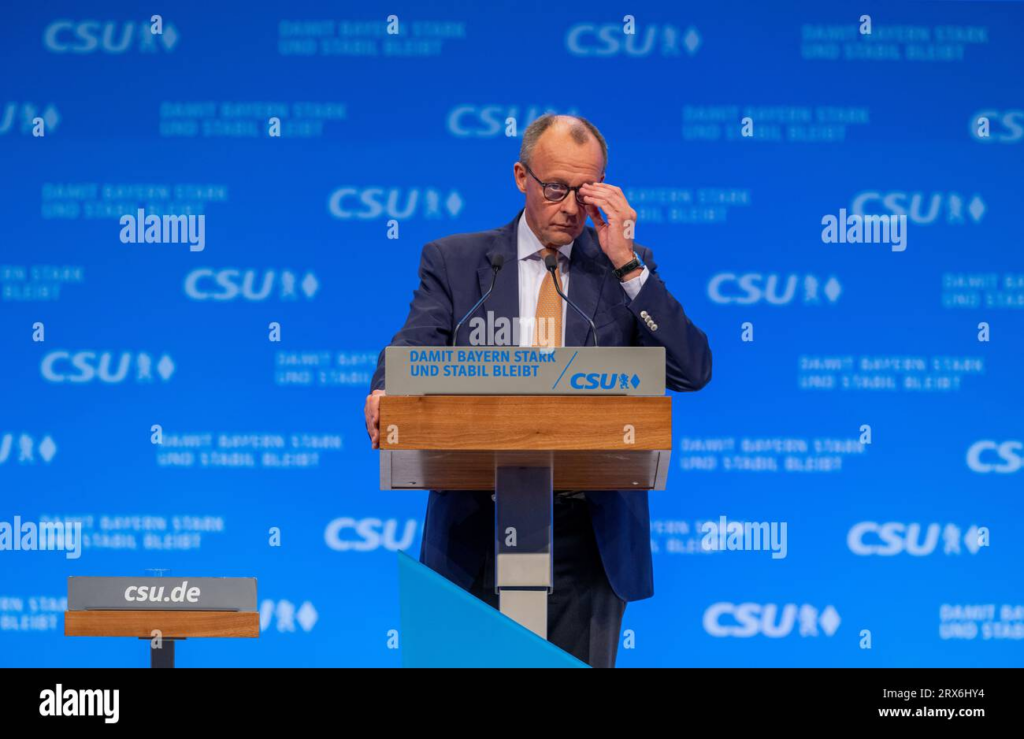
The CSU Party Conference in Munich recently served as a pivotal moment for the party, showcasing a blend of reflection and ambition. Markus Söder, facing challenges in his reelection bid, garnered only 83.6% of the votes, marking his weakest performance yet as party leader. Amidst this backdrop, Friedrich Merz delivered a compelling speech touching on crucial topics such as Germany’s competitiveness and the need for unity within the European Union. He emphasized the importance of foreign policy and the potential threats posed by leaders like Vladimir Putin, urging concerted efforts to support Ukraine. Additionally, the conference stirred discussions around national pride, including proposals to play the Germany national anthem at public events, reflecting a desire for increased patriotism within society.
In the heart of Bavaria, the latest congregation of the CSU, commonly referred to as the CSU Party Conference in Munich, highlighted myriad concerns and aspirations of the party. Throughout the discussions, attendees grappled with the implications of Germany’s current geopolitical landscape, articulated expertly by speakers like Friedrich Merz, who elaborated on the pressing need for modern policy reforms. A key focus revolved around enhancing the nation’s standing within the greater European framework while also addressing the encroachment of unnecessary regulations. Amidst the calls for unity and identity reformation, the topic of playing the Germany national anthem more frequently emerged as a symbol of national pride. Ultimately, these deliberations not only underscored internal party dynamics but also reflected a broader desire for a competitive and cohesive German presence on the world stage.
Markus Söder’s Reelection and Its Implications
At the CSU party conference in Munich, the reelection of Markus Söder as party leader raised considerable eyebrows as he garnered only 83.6 percent of the votes, marking his weakest result thus far. This decline is significant, considering the increasing competition within the party and the heightened expectations from party members and constituents alike. Such a setback can indicate underlying issues within the party’s strategy and its resonance with voters’ needs, especially as Germany navigates a complex political landscape burdened by economic concerns and international pressures.
The implications of Söder’s reelection result could be far-reaching. It signals potential unrest among the party base and a need for introspection regarding current policies and performances. With Friedrich Merz now asserting influence and providing a different vision for Germany, the CSU may face internal challenges as it seeks to align itself behind a unified agenda. This also calls into consideration the broader dynamics within the European Union regulations and how they affect national competitiveness, which Söder must address to regain support and invigorate the party’s leadership.
Friedrich Merz’s Vision for Germany’s Future
At the same conference, Friedrich Merz delivered a compelling speech focusing on the need for a ‘renovation’ of Germany, stressing the urgency of addressing not only domestic but also foreign policy challenges. Merz’s emphasis on strengthening Germany’s defense capabilities and solidarity with Ukraine reflects a broader concern for European stability amidst rising tensions with Russia. His warning against underestimating the motives of President Putin underscores the necessity for proactive measures and robust strategies within NATO and the EU.
Merz also highlighted the importance of modernizing the ‘House Federal Republic of Germany.’ His call for reform touches upon multiple facets — from tax regulations to labor costs that hinder Germany’s competitiveness globally. The need for digital advancement and reducing costs stems from a recognition that Germany must evolve to meet contemporary challenges. This approach aligns with the aspirations of many Germans who seek not only security but also a thriving economy amidst changing European Union regulations.
The Role of the National Anthem in Society
A pivotal topic discussed at the CSU party conference was the integration of the national anthem into various public and societal events. Advocates, including members of the Young Union, believe that playing the German national anthem, alongside other anthems, will strengthen national identity and societal cohesion. They argue it is crucial in fostering a sense of belonging among younger generations, which may play a significant role in instilling democratic values and patriotism in a rapidly changing society.
This call for national pride can also be seen as a reaction to the growing concerns over social cohesion within Germany. As violent crime rates worry many citizens, emphasizing patriotic symbols might contribute positively to nurturing a sense of responsibility and community among youth. By embedding the national anthem into daily life, CSU aims not just for a superficial gesture of pride but as a strategic move to reinforce the fabric of society and encourage more robust participation in civic duties, including military service.
Reforming EU Regulations: The CSU’s Stance
Another significant resolution from the CSU party conference was the call to abolish the EU requirement for secured bottle caps. Delegates argued that this mandate represents unnecessary overregulation that burdens consumers without considerable public benefit. Critics have pointed out that Germany already operates highly efficient deposit systems for bottles, which efficiently ensure returns without needing additional controls mandated by European directives.
The move reflects a broader discontent with some EU regulations perceived to stifle competitiveness and consumer convenience in Germany. By voicing their opposition and proposing reforms, the CSU aims to position itself as a party that prioritizes practical solutions over bureaucratic red tape. This will resonate well with many Germans who are wary of excessive regulations impacting their daily lives, showcasing the CSU’s commitment to simplifying consumer experiences and improving the nation’s overall functionality within the EU framework.
The Importance of Unity in European Affairs
In his address, Friedrich Merz underscored the critical importance of unity among European nations in facing external threats. This message was particularly resonant given the current geopolitical climate, where Russia’s ambitions pose direct challenges to European security. By emphasizing solidarity with nations such as Ukraine and Baltic states within NATO and the EU, the CSU seeks to reinforce its stance on collective security and mutual defense, which is essential for maintaining stability in the region.
Merz’s call for collaboration reinforces the notion that, without a unified front, Europe risks falling prey to significant political and military threats. His speeches illuminated the urgency of a cohesive strategy not only for defense but also for economic recovery and long-term growth in a rapidly evolving global environment. This message could foster greater support for policies aimed at enhancing Germany’s role within the EU and strengthening the collective capacity of European nations to address contemporary challenges.
Addressing Domestic Political Challenges
Amidst the rising challenges in international relations, Friedrich Merz also highlighted the necessity of avoiding distractions from domestic political challenges. He articulated a perspective that prioritizes national interests over political squabbles, encouraging the party to focus instead on substantial reforms that would enable Germany to thrive. This approach serves as a reminder that internal divisions could weaken the nation’s ability to respond to external threats effectively, ultimately affecting Germany’s standing within the European Union.
By advocating for a focus on critical issues—such as pensions, competitiveness, and modernization—Merz seeks to align the party’s agenda with the pressing needs of the populace. It is crucial that the CSU not only repositions itself internally but also presents a unified front externally. Issues such as the pension system require attention, and the critiques of inaction resonate with many constituents who expect actionable results. This strategic alignment is fundamental for regaining public trust and reinforcing the party’s leadership amidst turbulent times.
Digital Transformation as a Competitive Edge
A cornerstone of Friedrich Merz’s vision for the future involves advancing digital transformation within Germany. By addressing the need to digitize various sectors, the CSU acknowledges the importance of technology and innovation in enhancing Germany’s economic position in both the European landscape and beyond. As businesses increasingly rely on digital solutions, ensuring that the country keeps pace with this evolution is imperative for maintaining competitiveness.
Moreover, the digital economy is intertwined with broader themes such as labor costs and operational efficiency. Merz’s proactive stance on ramping up digital initiatives aligns with his goal of reducing overheads that burden businesses and drive up prices for consumers. This perspective is crucial, especially when viewed against the backdrop of European Union regulations that can often stifle innovation. Emphasizing digitization as a vehicle for economic resilience and competitiveness may help reestablish Germany as a leader in technological advancement and industry innovation.
Strengthening the CSU’s Position within German Politics
The CSU’s recent party conference highlighted the necessity for internal reflection and unity in the face of external challenges. The concerning reelection result for Markus Söder may serve as a catalyst for the party to reassess its strategies and policies. By addressing key issues like the EU regulations on bottle caps and fostering national pride through the national anthem, the CSU aims to reinforce its position within German politics while navigating the shifting landscape of public sentiment.
This critical examination is not just about Söder’s leadership but also about the future of the party amid growing competition from both political rivals and changing voter priorities. The CSU’s ability to adapt its agenda to reflect the needs and aspirations of the electorate, while championing both national identity and practical reforms, will be essential as it seeks to strengthen its relevance in German governance. Engaging with constituents around these themes will be instrumental for the CSU to reclaim and enhance its political capital, especially as it confronts national and international challenges ahead.
The Future of Germany in the European Context
As discussions unfolded at the CSU party conference, it became evident that the future of Germany is deeply intertwined with the broader European context. The challenges posed by external actors, such as Russia, necessitate a strong, united stance from Germany and its EU partners. Merz’s emphasis on the urgency of responding to threats reflects a recognition that Germany plays a pivotal role in shaping not just its destiny but also that of Europe as a whole.
In this vein, the CSU’s proposals and strategic focus will need to align with the evolving dynamics within the European Union and its member states. Ensuring that Germany remains competitive while advocating for change in EU regulations, fostering innovation, and promoting national pride is key. As the political landscape continues to evolve, the CSU must remain agile, identifying opportunities for collaboration and reform that bolster Germany’s presence and leadership within Europe.
Frequently Asked Questions
What were the key outcomes of the CSU Party Conference Munich in relation to Markus Söder’s reelection?
At the CSU Party Conference Munich, Markus Söder faced a significant setback, achieving only 83.6% in his reelection as party leader, marking his weakest performance yet. This reflects a growing concern about leadership within the party and has raised questions about the future direction of the CSU.
What did Friedrich Merz emphasize in his speech at the CSU Party Conference Munich?
Friedrich Merz, in his speech at the CSU Party Conference Munich, underscored the importance of foreign policy, particularly highlighting support for Ukraine against Russian aggression. He called for a renovation of Germany’s political framework to enhance the country’s competitiveness and urged the coalition to prioritize national defense.
How does the CSU Party Conference Munich propose to increase national pride through anthems?
The CSU Party Conference Munich proposed that the national anthem, along with the European anthem and the Bavarian anthem, should be played at social events to strengthen national identity and societal cohesion among youth. This initiative aims to foster a sense of belonging and potentially reduce societal violence.
What revisions did the CSU seek regarding European Union regulations at their party conference?
During the CSU Party Conference Munich, delegates called for the abolition of the EU requirement for secured bottle caps, arguing that such regulations represent overregulation. The CSU believes these changes would alleviate unnecessary burdens on consumers while still maintaining the effectiveness of bottle return systems already in place in Germany.
What are the implications of Markus Söder’s performance for the CSU after the Munich conference?
Markus Söder’s poor performance during his reelection at the CSU Party Conference Munich suggests a potential shift in leadership dynamics and voter confidence within the party. The CSU may need to reassess its strategies, focusing on issues that resonate more positively with the electorate to improve its standing in future elections.
What shifts in defense policy were discussed at the CSU Party Conference Munich related to external threats?
At the CSU Party Conference Munich, Friedrich Merz warned of increasing threats from Russian President Vladimir Putin and emphasized the need for unity within Europe. Merz’s advocacy for enhanced defense capabilities signals a shift towards a more proactive stance in safeguarding both Germany and its neighboring countries against foreign aggression.
| Key Point | Details |
|---|---|
| Markus Söder’s Reelection Result | Söder received only 83.6% of votes, marking his weakest result in reelection as CSU leader. |
| Friedrich Merz’s Speech | Merz discussed foreign policy and warned of threats from Putin, emphasizing aid for Ukraine and European unity. |
| Call for National Anthem | The CSU proposed more frequent playing of the national anthem, linking it to national identity and social cohesion. |
| Abolition of Secured Bottle Caps | CSU advocates against EU caps on bottles, citing them as an overregulation that burdens consumers. |
| Future Directions | Emphasizing modernization of Germany’s Federal Republic rather than rebuilding, focusing on competitiveness and tax reduction. |
Summary
The CSU Party Conference in Munich highlighted significant developments within the party, notably Markus Söder’s challenging reelection result and Friedrich Merz’s vital address on foreign policy and domestic reforms. The discussions underscored the party’s commitment to enhancing national pride through measures like the increased playing of the national anthem and the push against EU bottle cap regulations. These topics not only reflect the CSU’s strategic priorities but also resonate with current societal sentiments, aiming for a more unified and competitive Germany.

