
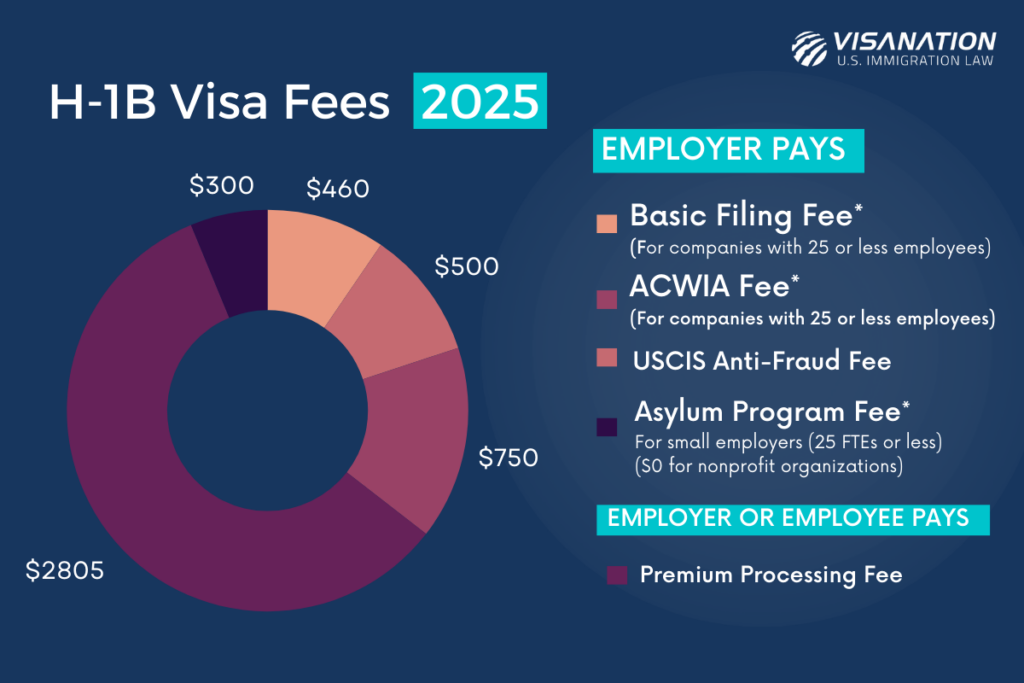
The H-1B visa fee has become a focal point of controversy in skilled worker immigration, as it has skyrocketed from a few thousand dollars to an astonishing $100,000. This drastic increase is at the heart of a lawsuit involving California and 19 other states against the Trump administration, which they argue exceeds the limits set by Congress. Not only does this unprecedented fee create financial obstacles for employers seeking to hire qualified professionals—like doctors, engineers, and tech specialists—but it also directly impacts U.S. immigration policy and the nation’s ability to attract global talent. With the rise in costs, many fear this will lead to a labor shortage in essential sectors, such as education and healthcare. The debate surrounding the H-1B visa fee encapsulates the broader Challenges of balancing immigration with the need for qualified personnel in the American workforce.
The fee required for H-1B visas has triggered a significant backlash among those advocating for skilled worker immigration, particularly in states like California. Rising to a staggering $100,000, this charge has led to a legal challenge, with multiple states accusing the federal government of overstepping its authority. Many employers are concerned that such exorbitant financial requirements will deter highly skilled professionals from coming to the U.S., thereby impacting industries reliant on foreign talent. This situation highlights the complexities entwined with U.S. immigration policies, summoning discussions around the necessity for reforms to ensure accessibility for deserving skilled workers. As the debate over immigration strategies continues, the implications of these fees will undoubtedly shape the future landscape of the American workforce.
Impact of the $100,000 Visa Fee on Skilled Worker Immigration
The recent increase in the H-1B visa fee to an alarming $100,000 is poised to have significant consequences on skilled worker immigration in the United States. This surge in cost not only puts a financial strain on employers but also discourages many highly qualified professionals from seeking opportunities in the U.S. Historically, the H-1B visa has been a crucial pathway for industries that rely on specialized talent to drive innovation and growth. The inflated charge will likely reduce the influx of skilled workers, hampering sectors like technology, healthcare, and education that are already facing workforce shortages.
Moreover, this drastic fee hike has garnered backlash from numerous states, with California leading the charge in a lawsuit against the federal government. Attorney General Rob Bonta argues that this fee is demonstrably disproportionate to the value these skilled workers bring to the economy and directly contravenes the provisions established by Congress. As more states join this legal fight, the implications of the fee’s impact on immigration policy could demand a reevaluation of not only the regulations surrounding H-1B visas but also broader immigration practices in the United States.
H-1B Visa Lawsuit: States Unite Against Increased Fees
California, along with 19 other states, has taken a stand against the exorbitant $100,000 fee for H-1B visas, filing a lawsuit against the Trump administration. The coalition of primarily Democratic-led states argues that such a fee is not only unjust but also legally questionable, as it violates established laws governing immigration fees. The suit emphasizes the importance of maintaining accessibility for skilled workers who contribute significantly to various industries, especially during times of economic uncertainty and labor shortages.
The resolution of this lawsuit could have wide-reaching repercussions for U.S. immigration policy. Should the states prevail, it may lead to a rollback of the fee increase, allowing for a more diverse pool of skilled workers to enter the country. Additionally, it highlights the importance of balancing the need for regulation with the need for a robust immigration framework that recognizes the vital role that skilled workers play in sustaining the U.S. economy. With the lawsuit underway, the outcome could redefine the future landscape of immigration and labor in the nation.
California’s Role in the H-1B Visa Debate
California has long been at the forefront of the H-1B visa debate, serving as a critical hub for skilled workers from around the globe. With its flourishing technology, healthcare, and education sectors, the state’s economy depends heavily on the expertise of foreign professionals. The recent $100,000 visa fee imposed by the federal government threatens to stifle this influx of talent, as potential applicants may find the financial burden overwhelming. California’s proactive legal stance exemplifies its commitment to fostering an inclusive environment for skilled labor.
Moreover, California’s diverse economy and innovation-driven culture underscore the importance of accessible immigration policies. As evidenced by Attorney General Bonta’s comments, the state recognizes that skilled professionals are pivotal in meeting workforce demands, particularly in urgent fields like education, where there is a significant teacher shortage. By challenging the legality of the fee, California aims to protect its economic interests while also advocating for fair immigration practices that align with the nation’s principles of inclusivity and opportunity.
Nationwide Teacher Shortage: Effects of the Visa Fee
The current teacher shortage in the United States is a pressing crisis that has been exacerbated by the surging costs associated with H-1B visas. With the new $100,000 fee, schools and educational institutions may struggle to attract qualified foreign educators who could help fill crucial gaps in science and foreign language disciplines. This situation is further compounded by existing shortages, leading to increased class sizes and diminished educational quality for students.
As states like California fight against the inflated visa fee, they aim to ensure that foreign talent can contribute to the American education system. The lawsuit serves as a reminder of the essential role that skilled workers, including teachers, play in shaping a knowledgeable and capable workforce. Advocating to reverse this fee increase is vital not only for addressing immediate teacher shortages but also for enhancing the overall educational landscape that benefits students across the nation.
US Immigration Policy: A Critical Crossroads
The imposition of the $100,000 H-1B visa fee represents a significant shift in U.S. immigration policy, pushing the boundaries of what constitutes a fair and accessible process for skilled workers. This change reflects the current administration’s broader attitude towards immigration, which some critics argue is creating unnecessary barriers to entry for highly qualified professionals. At a time when many sectors are experiencing acute labor shortages, particularly in STEM fields, making it more difficult for skilled individuals to work in the U.S. can have long-lasting negative effects on economic growth.
As states challenge this policy through legal avenues, the discourse surrounding immigration is gaining momentum, prompting calls for reform that emphasizes fairness and inclusivity. The outcome of these lawsuits may ultimately guide future policy decisions and reshape the landscape of skilled worker immigration, ensuring that the United States remains a destination for global talent. This pivotal moment in immigration reform could lead to a more sustainable approach toward addressing labor market needs while upholding the values of justice and opportunity.
Exploring Alternatives to the H-1B Visa
In light of the soaring H-1B visa fee and the subsequent legal challenges it has provoked, employers and skilled workers alike are being encouraged to explore alternative visa options. Various employment-based visas exist for professionals seeking to work in the U.S., including the O-1 visa for individuals with extraordinary ability and the L-1 visa for intra-company transferees. Understanding these alternatives can provide effective pathways for skilled workers to contribute to the U.S. economy without the inflated costs of an H-1B visa.
Employers must also adapt their recruitment strategies, considering how these changes in immigration policy can affect their workforce planning. By diversifying visa sponsorship options, companies can not only mitigate the risks posed by high fees but also tap into a broader talent pool. Ultimately, both skilled professionals and employers must remain agile and informed about the evolving U.S. immigration landscape to navigate the complexities posed by the current administration’s policies.
Potential Revisions to Visa Fee Structures
The ongoing dispute over the $100,000 visa fee has prompted discussions about the necessity for revisions to the existing fee structures for skilled worker visas. Advocates argue that fair fee schedules are crucial for ensuring that the U.S. continues to attract top talent from around the world. Modifications to these fees could reflect a sliding scale based on the skill level and industry demands, thus promoting a more equitable immigration process that aligns with labor market needs.
Revision of visa fees could also enhance the competitive edge of American companies by enabling them to secure talent that would otherwise be deterred by exorbitant application costs. As the current legal battles unfold, the future of H-1B visas and related immigration fees hang in the balance. Stakeholders across various sectors are watching closely, hoping for outcomes that promote sustainability, inclusivity, and the overall health of the U.S. economy.
The Future of Skilled Worker Programs in the US
The future of skilled worker programs in the U.S. is currently at a pivotal juncture, influenced by the contentious $100,000 H-1B visa fee. As states like California challenge this new fee structure in court, the outcome will be instrumental in shaping the policies governing the entry of skilled professionals into the country. Recognizing the value that international talent brings, there is a growing call for comprehensive immigration reform that focuses on accessibility, fairness, and the fulfillment of labor market needs.
Moving forward, it is essential for policymakers to consider a framework that balances the interests of businesses and the economic contributions of skilled workers. This may involve reevaluating not just visa fees but also the overall structure of immigration policies. As the U.S. navigates through these discussions, adapting skilled worker programs will be crucial to maintaining the country’s competitive advantage in a globalized economy and ensuring that it remains a welcoming destination for ambitious professionals.
Frequently Asked Questions
What is the current H-1B visa fee and how has it changed recently?
The current H-1B visa fee has drastically increased to $100,000, a significant jump from the previous cost of a few thousand dollars. This steep rise has prompted legal action from California and 19 other states, claiming it exceeds what Congress has approved and creates undue burdens for employers seeking skilled workers.
Why are states suing over the H-1B visa fee increase?
States, led by California, are suing the federal government over the H-1B visa fee increase because they argue it imposes an illegal financial barrier that harms public employers and heightens labor shortages in essential sectors like education and healthcare.
How does the H-1B visa fee affect skilled worker immigration?
The H-1B visa fee’s explosion to $100,000 poses a significant barrier to skilled worker immigration, making it more difficult for companies to hire qualified professionals from abroad, thereby aggravating existing labor shortages in critical fields.
What are the implications of the $100,000 H-1B visa fee for California’s economy?
The $100,000 H-1B visa fee may impede California’s economy by hindering the recruitment of skilled workers, which is essential for innovation and progress, particularly in sectors facing a shortage of qualified professionals, such as education and healthcare.
Are there any ongoing lawsuits regarding the H-1B visa fee in the US?
Yes, California and 19 other states have filed lawsuits against the Trump administration regarding the H-1B visa fee, arguing that the new fee structure is unlawful and detrimental to the recruitment of skilled workers across the nation.
What impact does the H-1B visa fee increase have on employers seeking to hire overseas talent?
The increase in the H-1B visa fee to $100,000 creates a financial strain on employers looking to hire overseas talent, leading to potential delays in hiring and difficulties in filling critical positions, which ultimately affects business operations and economic growth.
| Key Point | Details |
|---|---|
| Visa Fee Increase | The H-1B visa fee has increased from a few thousand dollars to $100,000. |
| States’ Lawsuit | California and 19 other states are suing the Trump administration over the increased fee, claiming it violates the law. |
| Impacts on Employers | The new fee poses a financial barrier for employers trying to hire skilled foreign workers. |
| Labor Shortages | The fee exacerbates labor shortages in critical sectors, including education, healthcare, and technology. |
| Political Opposition | Criticism from predominantly Democratic states highlights the need for skilled workers to drive economic progress. |
Summary
The H-1B visa fee has become a controversial topic, with many states opposing the staggering $100,000 fee imposed by the Trump administration. This exorbitant cost not only threatens the ability of U.S. employers to recruit qualified professionals from abroad but also intensifies the existing workforce shortages in various essential sectors. The ongoing legal challenges reflect the growing concern over the impact such fees have on innovation and economic growth.

