
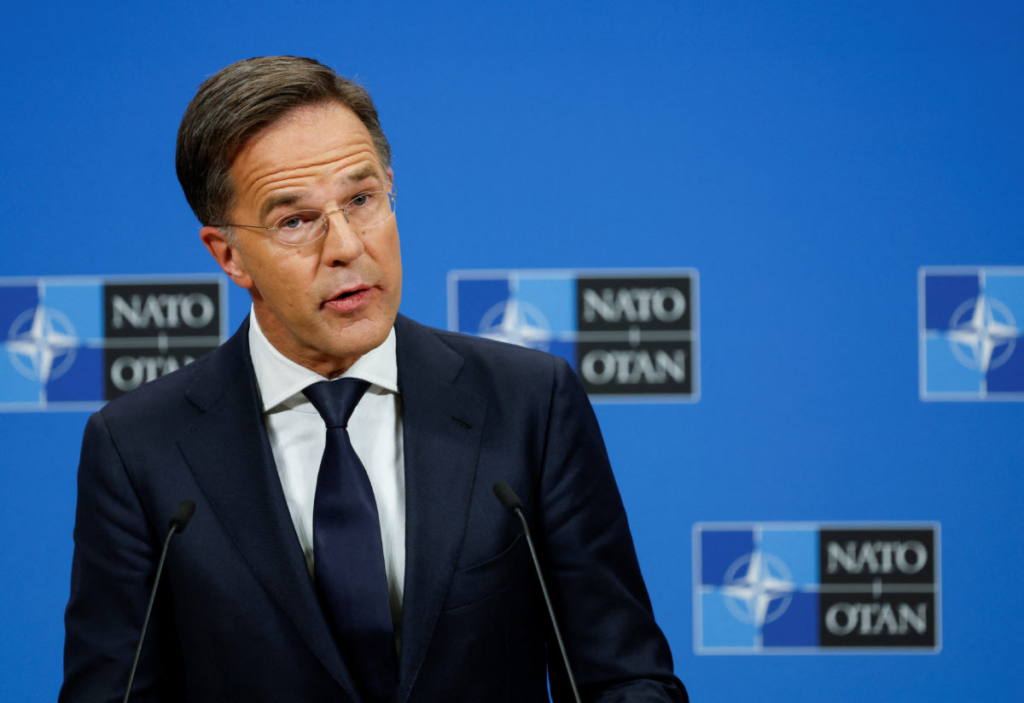
The recent Russia NATO warning issued by Secretary General Mark Rutte during the Munich Security Conference highlights an urgent plea for collective security in the face of escalating Russian aggression. Rutte’s stark reminder emphasizes that many nations remain unaware of the looming threat, as Russia continues its campaign against Ukraine, aiming to extend its hostilities. He called upon NATO allies to bolster military support for Ukraine, underscoring that the consequences of inaction could plunge Europe into devastating conflict reminiscent of past wars. The looming specter of this renewed aggression demands a comprehensive response, not just in terms of immediate defense spending but also in a unified approach to deterrence. As tensions rise, Rutte’s message resonates across Europe: failing to grasp the severity of these challenges could come at a great cost to security and stability.
As discussions around global security intensify, the concerns surrounding NATO and Russia’s aggressive maneuvers cannot be overstated. Mark Rutte’s recent statements during the NATO security conference shed light on the pressing need for a cohesive strategy among allied nations to counteract the threats posed by Russian military actions. With an emphasis on Ukraine’s defense support, it becomes clear that the stakes extend beyond regional conflicts and into the collective safety of Europe. The call for heightened military support echoes a broader commitment to safeguarding democratic values and stability in light of past experiences with warfare. Thus, understanding the nuances of military preparedness and international cooperation remains crucial as nations assess the trajectory of their defense policies.
The Implications of Russian Aggression on NATO Security
The recent remarks by NATO Secretary General Mark Rutte highlight escalating tensions in Europe due to Russian aggression. His speech at the Munich Security Conference emphasized the very real threat posed by Russia, not merely to Ukraine, but to the entire European continent. Rutte’s warning is a clarion call for NATO countries to recognize that complacency is dangerous. The reality is that if NATO does not unify in its deterrence efforts against Russia, the security landscape in Europe could deteriorate, leading to potential conflicts reminiscent of past world wars.
Rutte pointed out that many nations remain in denial regarding the scale of Russian military operations and their implications. This denial could stem from a mix of ignorance and a hope that diplomatic solutions will suffice. However, the truth is stark: Russia’s persistent use of drones and missiles against Ukraine is indicative of a broader strategy to destabilize Europe. By framing this as a collective threat, Rutte emphasizes that NATO’s very existence and mission are on the line, expressing the urgency for cohesive security strategies to counter any potential Russian advancements.
Urgent Call for Increased Military Support for Ukraine
Mark Rutte’s call for enhanced military support for Ukraine signifies a pivotal moment in NATO’s defensive posture against Russian incursions. He underlined that the West must ramp up its military aid to Ukraine to counteract Russian tactics effectively. This isn’t merely about supplying arms; it’s about configuring a robust defense strategy that can withstand ongoing aggressions. As Rutte articulated, the potential for a new European conflict looms large, and historical precedents remind us of how quickly situations can spiral into warfare when threats are not adequately addressed.
In addition to hardware and technology, Rutte emphasized the importance of strategic collaboration between NATO members and Ukraine. This military support is not just an act of charity; it serves to fortify democracy and stability across the Euro-Atlantic region. With Ukraine under constant military pressure, contributing resources towards its defense becomes essential for global security. As NATO members reevaluate their military commitments, the urgency of Rutte’s message becomes increasingly clear: investing in Ukraine’s defense is tantamount to protecting Europe’s security.
How Russia NATO Warnings Shape European Defense Strategies
As the geopolitical landscape continues to shift, warnings from NATO officials like Mark Rutte are crucial in shaping how European nations strategize their defense policies. His rhetoric at the MSC underscores a pressing need for unity and readiness among NATO allies. It sparks discussions on resource allocation and military preparedness, pushing countries to reassess their defense budgets and capabilities in light of potential threats from Russia. The quote, ‘We are Russia’s next target,’ encapsulates a feeling of urgency that echoes through many NATO corridors, urging nations to mobilize and strengthen their defensive measures.
Moreover, these warnings are not just rhetoric; they influence defense spending and military collaborations across various nations. The emphasis on a collective front against Russian aggression resonates with countries that may have previously been hesitant to increase their military expenditures. The NATO summit’s conversations often revolve around the urgency of enhancing capabilities, whether in cyber defenses or conventional armed forces, guided by the reiterated need for a robust response to any acts of aggression. In doing so, NATO aims to project strength and unity in the face of threats, ensuring that Europe remains safe from the shadow of war.
The Historical Context of European Stability and War
The reference made by Rutte to ‘war like in the times of our grandparents’ serves as a poignant reminder of the destructive capacity of warfare in Europe’s history. This invocation of the past speaks to the collective memory of European nations that lived through the upheaval of the 20th century—two world wars that reshaped national borders and ideologies. Rutte’s warnings resonate deeply, underscoring the notion that the stakes of inaction today could lead generations down a path of conflict once more.
By looking back at historical conflicts, NATO members are urged to move beyond theoretical strategies and engage in real actions that reflect the lessons learned from history. The catastrophic results of previous wars should galvanize member nations not only to pledge support for Ukraine but also to ensure integral defensive policies and mutual commitments are in place. Rutte stresses that peace is not simply the absence of war; it requires proactive measures that strengthen alliances and deter conflict.
European Economic and Social Stability at Risk
Rutte’s speech articulates another critical dimension of the current crisis: the potential economic and social instability resulting from a resurgence of conflict in Europe. He warns that failing to take decisive actions against Russian aggression could lead to profound economic downturns, affecting trade relations, energy supplies, and overall economic security across member states. The interconnectedness of today’s global economies means that a conflict could have cascading effects far beyond the battlefield, impacting everyday lives.
Moreover, the fear of a renewed war can also exacerbate social tensions within European countries. Citizens may experience increased anxiety, greater polarization in political discourse, and pressure on public resources, as governments respond to heightened defense needs. By addressing these vulnerabilities, NATO emphasizes that their commitment to military support for Ukraine goes hand in hand with maintaining social cohesion within member countries. Expanding military readiness ensures not only external security but also safeguards internal stability, reaffirming the importance of a strong, united front.
The Role of NATO in Ensuring Peace and Security
The speech given by Mark Rutte at the Munich Security Conference puts the spotlight on NATO’s fundamental role in ensuring peace and security in Europe in light of modern threats. As Russia’s aggressive maneuvers towards Ukraine escalate, it becomes increasingly evident that NATO’s mission extends beyond mere defense; it encompasses the preservation of democratic values and international order. Rutte’s insistence on unity among member states exemplifies NATO’s strategic objective to deter any potential aggressor from undermining the stability that has been painstakingly built in recent decades.
In this context, NATO’s approach to collective defense is pivotal. The alliance’s principles of Article 5, which emphasizes mutual defense, are more relevant than ever as nations rally to support Ukraine. By highlighting the importance of collective security, Rutte calls for nations to not only invest in military capabilities but also to strengthen diplomatic ties within the alliance, ensuring that unity translates into action against potential threats. This cooperative spirit is essential in fostering resilience against challenges posed by hostile states.
The Need for Urgent Defense Investments
Rutte’s assertion that ‘we need to act quickly and invest in defense’ highlights an urgent call to action for all NATO member states. As the threat from Russia looms, revisiting defense budgets and prioritizing military readiness is no longer optional but a necessity. With the increasing frequency of military aggression, nations must ensure that their forces are equipped and prepared to respond effectively if situations escalate. The call for investment in defense also encompasses innovation in military technology, enabling NATO to stay ahead of adversarial tactics.
Additionally, Rutte’s emphasis on timely action highlights the need to transform intentions into tangible outcomes. Members must prioritize the strategic enhancement of their military capabilities, whether through direct funding or by supporting defense manufacturing initiatives. With every moment of delay, the risk of unforeseen consequences’ increase—making a proactive approach not only wise but critical for ensuring the security of both NATO allies and the broader European landscape.
Strengthening International Alliances Against Common Threats
In the face of Russian aggression, Rutte’s address underlines the importance of not only NATO’s internal coherence but also the broader network of international alliances. By fortifying ties with other democracies worldwide, NATO can create a united front against threats—not just from Russia but emerging challenges from other actors who undermine international peace. Collaborative defense initiatives, shared intelligence, and joint exercises can significantly enhance overall security resilience.
Moreover, fostering international partnerships increases the viability of a multi-faceted approach to security that encompasses diplomacy, economic strength, and military readiness. As Rutte urges action, the emphasis is on collaboration that extends beyond NATO’s geographical confines, encouraging allies such as Japan, Australia, and partners in the Global South to engage in co-defensive measures. This unity of purpose is vital in deterring aggressors while promoting peace and stability in the international arena.
Future Implications for NATO and European Security
The long-term implications of Rutte’s warnings extend well beyond immediate military concerns—they challenge NATO and European nations to rethink their entire approach to security. The potentiality of renewed conflict necessitates not just a reactionary stance but a proactive framework that equips nations with the tools necessary to preempt crises. This involves redefining security strategies that encompass cyber warfare readiness and unconventional military tactics that might be employed by state and non-state actors alike.
Furthermore, Rutte’s emphasis on preparing for challenges ahead offers insight into the evolving nature of warfare, where conventional military presence is supplemented by intelligence operations, economic sanctions, and information warfare. For NATO to maintain its strategic advantage, discussions that center around future threats and the means to address them are imperative. In recognizing the need for adaptability, member nations can prepare themselves to navigate a complex geopolitical landscape, ensuring that they remain vigilant and resilient against any adversarial moves from Russia and beyond.
Frequently Asked Questions
What warning did Mark Rutte give about Russia at the NATO security conference?
At the NATO security conference, Mark Rutte warned that Russia poses a serious threat not only to Ukraine but to Europe as well. He emphasized that if NATO nations do not take the situation seriously, they remain under an illusion regarding the escalation of Russian aggression.
How does Mark Rutte’s speech relate to NATO’s position on Russian aggression?
Mark Rutte’s speech highlights NATO’s commitment to preventing war and addressing Russian aggression proactively. He called for increased military support for Ukraine, stressing that the security of Europe is directly tied to Ukraine’s defense against Russian attacks.
What are the implications of Russia’s military actions for NATO member states according to Rutte?
According to Rutte, the implications of Russia’s military actions are dire for NATO member states. He warned that inaction could lead to significant economic and social instability in Europe, urging a united response from all NATO countries against Russian aggression.
What statistics did Rutte provide about Russia’s military capabilities at the Munich Security Conference?
Rutte revealed that Russia has used over 46,000 drones and missiles against Ukraine this year and continues to produce thousands of new drones monthly, underscoring the urgency for NATO to strengthen military support for Ukraine.
Why is increased military support for Ukraine crucial according to NATO Secretary General Rutte?
Increased military support for Ukraine is deemed crucial by NATO Secretary General Mark Rutte because it is essential for countering Russian aggression. He believes that Ukraine’s defense is vital for European security and that timely action can prevent wider conflict.
What did Rutte mean by referring to a potential war in Europe as reminiscent of ‘the times of our grandparents’?
By referring to a potential war in Europe as reminiscent of ‘the times of our grandparents’, Rutte highlighted the severe historical consequences of war, warning that failure to address Russian aggression could lead to similar devastation that previous generations experienced.
How does Rutte’s warning about Russian aggression affect NATO’s defense strategy?
Rutte’s warning about Russian aggression suggests a shift in NATO’s defense strategy towards more proactive measures. He stresses the need for increased defense spending and military readiness among member states to effectively respond to the threats posed by Russia.
What actions did Rutte call for NATO member states to take in response to Russian threats?
Rutte called for NATO member states to act decisively by increasing military spending, enhancing defense capabilities, and continuing robust support for Ukraine to deter further Russian aggression and ensure the stability of Europe.
| Key Points |
|---|
| NATO Secretary General Mark Rutte warned of dangers posed by Russia in Berlin. |
| Russia’s war against Ukraine is seen as part of a broader agenda to expand aggressions. |
| Rutte emphasized the importance of preventing war before it begins through clear acknowledgment of the threat. |
| There is a dangerous illusion among states that the situation will resolve itself without action. |
| Increased military support for Ukraine is crucial to prevent catastrophic consequences in Europe. |
| Russia has used over 46,000 drones and missiles against Ukraine this year, with production ongoing. |
| Ukraine’s security directly impacts the security of Europe, necessitating urgent defense measures. |
| Rutte warned that inaction could lead to long-term economic and social instability. |
| He concluded with a call for unity among NATO members to face upcoming challenges decisively. |
Summary
The recent warnings from NATO concerning Russia’s aggressive maneuvers highlight the urgent necessity for collective action among member states. The Russia NATO warning emphasizes not only the immediate threat posed by Russia’s continued military activities in Ukraine but also the broader implications for European security. As NATO Secretary General Mark Rutte stated, it is imperative that nations recognize the gravity of the situation to prevent war and protect peace in Europe. In the face of these threats, a unified and decisive response is required to safeguard the continent’s future.

