
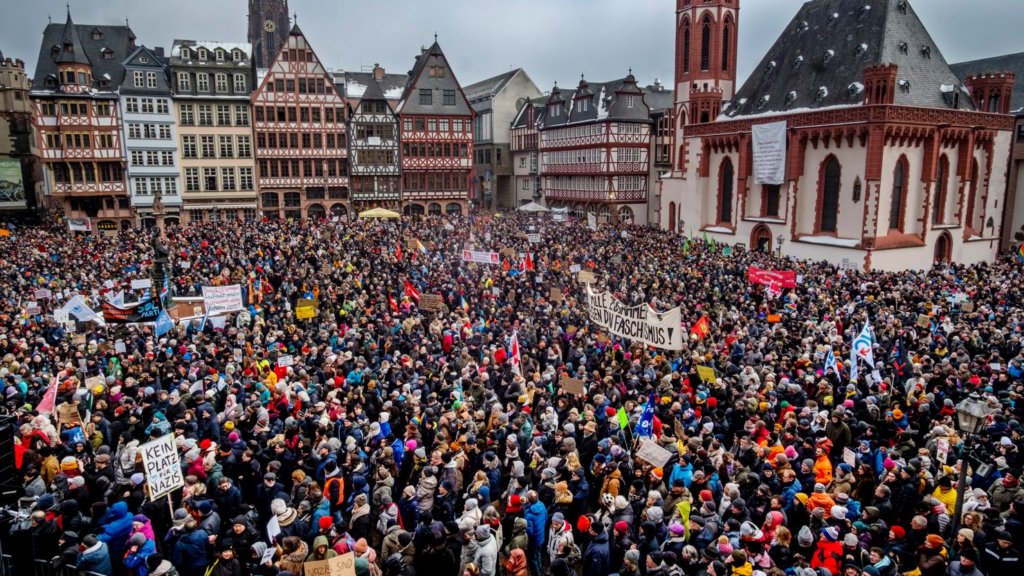
Right-wing extremism in Germany has emerged as a pressing issue that evokes profound concern across various demographics, particularly among individuals without a migration background. A recent study conducted by the Konrad Adenauer Foundation highlights that nearly 74% of this group express fear regarding the rise of extremist ideologies, overshadowing their concerns about immigration. This unsettling trend is further compounded by rising anti-Semitism in Germany and stark differences in attitudes shaped by the ongoing Ukraine war. Notably, perspectives on issues such as homosexuality also reveal a divide in acceptance levels among Germans, depending on their immigration backgrounds. In this context, understanding how these challenges intertwine is essential for fostering a more inclusive German society amidst growing unrest.
The landscape of extremism in Germany is undergoing a significant transformation, marked predominantly by the rise of nationalist sentiments and a growing unease about the socio-political climate. As nationalism takes root, many Germans, particularly those with roots in the native population, express increasing unease about the implications of right-leaning extremism on societal cohesion. The profound impacts of anti-Semitic attitudes and the complex sentiments surrounding the Ukraine conflict further complicate this scenario, revealing a spectrum of views on essential topics such as immigration and acceptance of diverse sexual orientations. Amidst these dynamics, the promise of a united German identity is challenged by contrasting opinions shaped by historical and cultural contexts. Thus, it is vital to engage in discussions that address these multifaceted issues, paving the way for greater understanding and coexistence.
The Growing Concern of Right-Wing Extremism in Germany
Recent analysis reveals that right-wing extremism in Germany is increasingly viewed as a serious national issue, particularly among citizens without an immigration background. The Konrad Adenauer Foundation’s study demonstrated that 74 percent of Germans without familial ties to migration express fear over right-wing extremism. With nearly half of participants strongly agreeing with the sentiment, these figures highlight a growing apprehension among a significant demographic, suggesting elevated community tensions in the face of radical ideologies.
Interestingly, the concern is not evenly spread across different community backgrounds. While individuals with a migration history also express fear—66 percent in this group reported similar anxieties—Germans without immigration ties feel particularly threatened. This disparity suggests that ongoing narratives surrounding national identity and social cohesion are influenced by the perception of extremism, underscoring the need for effective dialogue and intervention strategies.
Ukraine War Impact on Public Opinion
The conflict between Russia and Ukraine has significantly shaped public discourse in Germany, as evidenced by the same study indicating that only 38 percent of foreigners hold Russia solely responsible for the war. This reflects a divergence in perceptions about international accountability influenced by personal backgrounds and exposure to media narratives. Contrastingly, 58 percent of Germans without migration backgrounds place the blame entirely on Russia, demonstrating a stark difference in regional perspectives and potential ramifications for domestic attitudes towards foreign nationals.
This distinction could arise from varying levels of historical connection or familiarity with geopolitical contexts among different communities. The study highlights a crucial gap that exists between the views of those with and without migration backgrounds, which might have implications for broader societal cohesion or the manifestation of xenophobic sentiments, especially relating to the crisis in Ukraine.
Shifting Attitudes Toward Anti-Semitism in Germany
The findings of the survey unveil troubling trends regarding anti-Semitism in Germany, particularly among specific ethnic groups. The data indicated that 10 percent of surveyed foreigners and 9 percent of those with a migration background agreed with the statement “You cannot trust Jews.” This sentiment appears to be notably higher amongst individuals of Turkish descent, revealing an increase from 18 to 26 percent since 2015, suggesting that recent geopolitical events may exacerbate existing prejudices.
These statistics underline the necessity for targeted educational initiatives to combat stereotypes and discrimination in society. The worsening outlook on anti-Semitism calls for government and community efforts to foster dialogue and understanding among diverse cultural groups, particularly in the midst of rising tensions linked to global conflicts.
Homosexuality Acceptance in a Multicultural Society
The study also explored evolving attitudes towards homosexuality in Germany, demonstrating a noticeable shift compared to a decade ago. Among Germans without a migration history, rejection of homosexuals has significantly decreased, now standing at about 7 percent. In contrast, those with a migration background show a persistent rejection rate of 18 percent. This disparity points to the varied integration experiences of these communities, revealing challenges that still exist in reconciling diverse value systems.
Furthermore, the marginally higher negative attitudes among specific religious groups like Muslims and Orthodox Christians highlight ongoing cultural tensions surrounding LGBTQ+ acceptance in Germany. Combating these biases requires a nuanced understanding of cultural heritage and ongoing engagement with diverse communities to promote inclusivity.
Attitudes Towards Immigration Background in Germany
Public sentiment regarding the immigration background of Germans reveals significant complexities. The overall comfort level of living in Germany remains high across all demographics, with over 90 percent voicing a positive experience. However, within this data is an underlying tension reflected by how individuals perceive their treatment based on their migration status. For instance, only 37 percent of Germans without a migration history feel consistently respected, suggesting a potential need for enhanced dialogue regarding societal respect and inclusion.
Moreover, the findings hint at the historical context shaping these perceptions; immigrants may compare their experiences in Germany favorably against those in their countries of origin, contributing to higher satisfaction levels among foreigners. Understanding these diverse viewpoints is essential for future integration efforts and can provide insights for policymakers looking to foster greater harmony in a diversifying society.
The Role of Cultural Identity in Germany’s Future
As Germany grapples with its evolving identity in a multicultural landscape, the perceptions of citizens with and without immigration backgrounds underscore the importance of cultural dialogue. The stark differences in opinions about right-wing extremism, anti-Semitism, and other societal issues emphasize a growing need for unity and understanding across various communities. Given how deeply national identity is tied to these attitudes, fostering a harmonious coexistence can help mitigate fears and promote societal stability.
Additionally, with movements around global migration and cultural integration on the rise, it is imperative to address these disparities through inclusive policies and community building. Encouraging cross-cultural exchanges and discussions may prove instrumental in bridging gaps and erasing prejudices, ultimately paving the way for a more cohesive national identity.
Challenges Facing Immigrants in a Diversified Germany
Immigrants in Germany face unique challenges that shape their integration experiences. While a large majority report enjoying life in Germany, with 52 percent of foreigners feeling respected, there remains a significant faction that faces discrimination and bias. The decline in perceived respect since 2015 reflects an urgent need to address racial and cultural tensions that may arise within a multicultural society.
Cultural acknowledgements and targeted support systems are essential for immigrants to feel fully integrated into German society. As traditional norms are challenged by shifts in demographics and globalization, understanding the needs and experiences of diverse groups will be key to navigating these complexities.
Overcoming Prejudices in an Evolving Society
The ongoing survey results indicate a need for addressing prejudices related to rights and privileges in Germany. Growing fears about right-wing extremism and increasing anti-Semitic sentiments highlight the importance of fostering empathy and understanding among differing community backgrounds. Challenging these biases requires consistent community engagement and educational initiatives aimed at dismantling stereotypes.
In light of exterior conflicts, such as the war in Ukraine, it becomes imperative for societies to reassess their attitudes towards various groups. By building stronger ties across ethnic and cultural lines, Germany can pave the way for a more inclusive future that embraces diversity while mitigating discrimination.
Future Directions for Integration Policies
As Germany navigates the complexities of its multicultural landscape, the need for effective integration policies is paramount. Policymakers and community leaders must leverage studies like those from the Konrad Adenauer Foundation to craft strategic initiatives aimed at fostering understanding and mutual respect. Emphasizing cultural education and awareness can help dismantle existing prejudices and encourage cohesion across social lines.
Moreover, addressing key areas such as right-wing extremism and anti-Semitism through policy reforms can lead to a more harmonious society. Integrative approaches that consider the diverse backgrounds of citizens will be essential to forging a collective identity that celebrates diversity while promoting social stability.
Frequently Asked Questions
What is the current state of right-wing extremism in Germany?
Right-wing extremism in Germany has become a significant concern, with a study by the Konrad Adenauer Foundation revealing that 74% of Germans without a migration background feel scared by these extremist views, highlighting a growing fear among the German population regarding this issue.
How has immigration background affected attitudes towards right-wing extremism in Germany?
The recent study indicates that Germans without a migration background are more concerned about right-wing extremism in Germany than those with an immigration background. This suggests a divergence in perceptions and experiences between these two groups regarding extremist ideologies.
What impact did the Ukraine war have on views about right-wing extremism in Germany?
The war in Ukraine appears to influence perceptions of right-wing extremism in Germany. Only 38% of foreigners attribute blame for the conflict solely to Russia, compared to 58% of Germans without foreign roots. This disparity shows differing narratives that may contribute to varying concerns about extremism.
How prevalent is anti-Semitism in Germany, particularly in relation to right-wing extremism?
The study found that anti-Semitic attitudes persist, particularly among certain demographics. While 4% of Germans without a migration history expressed distrust towards Jews, this figure was significantly higher among Turkish descent individuals, revealing a link between these attitudes and right-wing extremism in Germany.
What are the attitudes towards homosexuality among different groups in Germany?
The acceptance of homosexuality varies among groups in Germany. While 7% of Germans without a migration background reject homosexuals, the figure stands at 18% for those with a migration background. This demonstrates ongoing challenges in combatting prejudices associated with right-wing extremism in Germany.
What can be inferred about life satisfaction among different ethnic groups in Germany?
Despite concerns about right-wing extremism, over 90% of respondents from various ethnic backgrounds express a general liking for life in Germany. However, the feeling of being treated with respect has declined from previous years, indicating social challenges that may intertwine with rising extremism.
How does right-wing extremism in Germany compare to other forms of extremism, such as anti-immigrant sentiments?
Right-wing extremism in Germany has been shown to overshadow concerns about immigration, as highlighted in the study where Germans without a migration background prioritize the threat of extremist ideologies over immigration issues. This reflects a shifting focus in public concern.
| Key Point | Details |
|---|---|
| Concerns over Right-Wing Extremism | The study indicates that 74% of Germans without a migration background are scared of right-wing extremism in Germany. |
| Attitudes Towards the Ukraine War | 58% of Germans without foreign roots blame Russia solely for the war, in contrast to only 39% of those with a migration background. |
| Anti-Semitic Attitudes | Only 4% of Germans without an immigration history agree that ‘You cannot trust Jews,’ but this rises to 26% among those of Turkish descent. |
| Rejection of Homosexuality | 7% of Germans without a migration background do not want homosexual friends; this is higher among Muslims and Orthodox Christians. |
| Overall Living Conditions in Germany | Over 90% of respondents from all groups generally like living in Germany, but feelings of respect have slightly decreased. |
Summary
Right-wing extremism in Germany has emerged as a significant concern among the population, particularly among those without a migration background. A recent study by the Konrad Adenauer Foundation indicates that nearly three-quarters of these Germans express fear regarding right-wing extremism, highlighting a growing anxiety about social cohesion in a multicultural society. This sentiment extends beyond general fears, as varying attitudes are observed towards issues such as the Ukraine conflict, anti-Semitism, and LGBTQ+ acceptance. The findings indicate a complex interplay of perspectives that could shape Germany’s social landscape in the years to come.

