
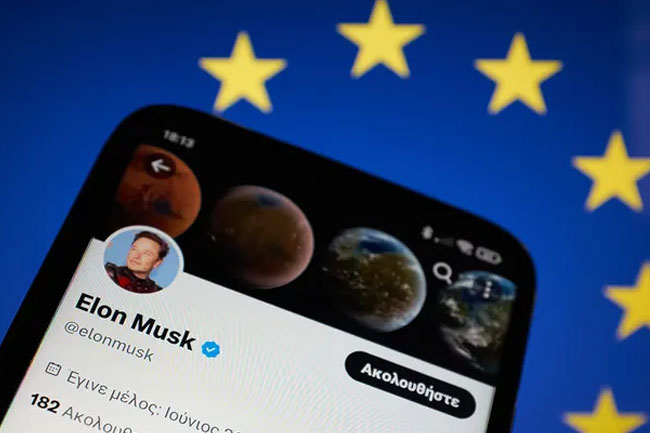
Elon Musk’s recent comments regarding the European Union have sparked significant debate, particularly after Poland’s Foreign Minister, Radosław Sikorski, issued a sharp rebuke. Musk’s call for the abolition of the EU, shared on his platform X, led Sikorski to respond humorously yet pointedly, suggesting Musk might find more freedom on Mars where, he claims, there are no consequences for extreme statements. The controversy ignited after the EU imposed a staggering fine of 120 million euros on Musk’s platform for lacking transparency, further intensifying criticisms surrounding the tech billionaire’s stance. In a world increasingly reliant on digital governance, Musk’s criticisms of the EU Digital Services Act resonate with those advocating for national sovereignty over overarching regulations. As stakeholders discuss platform accountability, the clash exemplifies the tension between technological innovation and regulatory frameworks in Europe.
In light of recent events, the discourse surrounding Elon Musk’s remarks presents an intriguing examination of the relationship between digital giants and regulatory bodies. The Polish government, represented by its Foreign Minister Radosław Sikorski, has vehemently opposed Musk’s statements, which challenge the authority of the European Union. Such confrontations highlight the broader implications of the EU Digital Services Act, as governments grapple with enforcing rules on social platforms that wield significant influence over public opinion. Critics of Musk argue that his views reflect a dangerous trend in which tech billionaires, like Musk, frame national interests against the backdrop of their business objectives. This ongoing debate not only underscores the complexities of tech governance but also invites further scrutiny on how such figures engage with international policymaking.
Elon Musk’s Controversial EU Comments Fuel International Debate
Elon Musk, the prominent tech billionaire and CEO of SpaceX and Tesla, recently sparked controversy with his comments regarding the European Union, suggesting its abolition in his online platform X. His statements have drawn sharp criticism from various quarters, particularly from Poland’s Foreign Minister, Radosław Sikorski. The situation escalated after the EU levied a significant fine of 120 million euros against Musk’s platform for failing to comply with regulations set forth in the EU Digital Services Act. This act aims to create a safer digital space by tackling issues of transparency and accountability among tech companies.
The backlash against Musk’s remarks reflects broader concerns about the implications of his views on national sovereignty and regulation in the tech industry. Critics argue that such rhetoric not only undermines the EU’s collective efforts to enforce fairness and accountability but also risks emboldening populist sentiments across Europe. Sikorski’s statement, urging Musk to seek a Mars colony free from his criticisms of the EU, highlights the absurdity perceived in Musk’s dismissal of regulatory frameworks intended to protect users and maintain order in digital marketplaces.
Radosław Sikorski’s Response to Musk’s Criticism
In response to Elon Musk’s disparaging remarks about the European Union, Radosław Sikorski articulated a clear stance that underscores the importance of regional governance in the digital age. Sikorski’s comments reflect a growing sentiment among EU officials who view Musk’s criticisms as not just personal attacks but as part of a larger trend of anti-EU rhetoric emerging from figures who profit from chaos and misinformation. The Polish Minister highlighted the essential role the EU plays in safeguarding democratic values and promoting open, responsible discourse in the digital landscape.
By framing Musk’s comments as dangerous and rooted in self-interest, Sikorski aims to rally support for the EU’s regulatory initiatives, such as the Digital Services Act. This legislation is pivotal in addressing the challenges posed by tech giants that often prioritize profit over ethical obligations. Sikorski’s stance represents a call to action for European policymakers to remain steadfast against external influences that undermine the EU’s authority and mission, emphasizing the need for accountability among all digital platforms, including those owned by billionaires like Musk.
The EU Digital Services Act and Its Implications
The EU Digital Services Act represents a landmark effort by European regulators to establish a cohesive framework for overseeing tech companies and safeguarding user interests. This regulatory measure seeks to address issues like misinformation, data privacy, and harmful content, which became increasingly prevalent with the rise of social media platforms. The imposition of a 120 million euro fine on Musk’s platform serves as a clear signal that the EU is committed to enforcing these regulations and holding tech entities accountable for their role in shaping digital discourse.
As the first penalty issued under the Digital Services Act, this fine marks a critical moment in the EU’s approach to digital governance. It underscores the gravity of ensuring transparency and responsibility in the tech sector, particularly as more users become aware of and concerned about data privacy and manipulation. The ramifications of this act extend beyond mere financial penalties; they reflect a shift towards greater regulatory scrutiny that aims to protect users and uphold democratic values across the EU.
The Role of Sovereignty in Tech Regulation
Elon Musk’s call for a return to sovereignty as a means to improve governmental representation highlights a key debate in the realm of tech regulation. Proponents of greater sovereignty argue that local governance can lead to more tailored and responsive policies that reflect the needs and values of the populace. However, this perspective risks overlooking the benefits of structured regulatory frameworks like those provided by the EU, which serve to standardize protections across borders and offer a united front against the more exploitative practices of larger tech monopolies.
Musk’s assertions suggest a retraction from collaborative regulatory efforts that seek to hold platforms accountable for their content and influence. This divergence in the understanding of sovereignty presents a challenging conundrum for policymakers. How to balance the need for individual national interests while maintaining a unified and robust regulatory landscape that ensures fairness, transparency, and accountability among tech entities operating on a global scale?
Critiques of Anti-EU Sentiments in Tech Leadership
Sikorski’s critique of Musk’s anti-EU comments is part of a broader backlash against the growing prevalence of anti-EU sentiments expressed by influential tech leaders. This trend raises questions about the motivations behind such statements, especially when they come from individuals whose businesses profit from existing international frameworks. Critics argue that these sentiments can stoke division and undermine the hard-won progress that Europe has achieved in terms of cooperation and shared values.
As influential figures like Elon Musk wield considerable power through their platforms, their statements can significantly impact public perception and sentiment. It is crucial, therefore, for policymakers and EU leaders to counteract these narratives with firm, fact-based responses that reinforce the importance of the EU in promoting democracy, protecting user rights, and ensuring fair competitive practices in the digital arena.
The Future of EU Digital Policies
Looking forward, the ongoing debate surrounding the EU Digital Services Act and related policies will likely shape how digital interactions evolve in Europe. With calls for stricter regulations against the backdrop of critical comments from figures like Elon Musk, the EU faces a complex landscape as it navigates the interplay between innovation and regulation. As technology continues to advance at a rapid pace, EU policymakers must remain vigilant in adapting their strategies to address emerging challenges while still fostering an environment conducive to tech innovation.
The future of digital policies in the EU hinges on finding a balance between regulation and entrepreneurship. Only through collaborative dialogue between tech leaders and regulatory bodies can a framework be established that both safeguards user interests and enhances the potential for exponential growth in the digital marketplace. This balance will be crucial to ensuring that Europe remains a competitive player in the global tech landscape while adhering to core democratic values.
Musk’s Impact on Future EU Tech Relations
Musk’s recent comments and the resulting controversy with EU officials may have lasting implications for the relationship between tech leaders and regulatory authorities in Europe. As the EU continues to develop robust frameworks aimed at holding tech companies accountable, high-profile figures like Musk play a pivotal role in shaping public and political discourse around these issues. His statements can influence perceptions of regulatory measures, potentially leading to increased scrutiny and resistance to policies designed to foster transparency and fairness.
The challenge moving forward will be for European leaders to engage with influential tech figures constructively while also asserting the necessity of regulations like the Digital Services Act. Establishing dialogue rather than confrontation could pave the way for more innovative solutions that respect the foundational goals of both tech advancement and user protection, ultimately reflecting a win-win scenario for both sides.
The Influence of Powerful Business Leaders in Politics
The comments from Elon Musk and the response from figures like Radosław Sikorski underscore the significant role powerful business leaders play in shaping political discourse and policy-making. As tech billionaires exert increasing influence over global conversations regarding privacy, regulation, and governance, their statements and actions come under heightened scrutiny. This dynamic raises questions about the responsibility that technology leaders have in ensuring that their voice contributes to constructive public dialogue rather than fostering divisive sentiments.
Poland’s Foreign Minister’s fierce rebuttal to Musk’s anti-EU rhetoric exemplifies the potential backlash powerful individuals can face when crossing the delicate line between personal opinion and political influence. The importance of responsible communication in leadership cannot be overstated; statements made in high-profile contexts carry weight and can resonate widely, thus impacting public sentiment and shaping policy discussions in ways that may not always align with democratic principles.
Ensuring Accountability Among Tech Giants
The EU’s efforts to enforce regulations through measures like the Digital Services Act aim to ensure accountability among tech giants that dominate the digital ecosystem. By introducing significant fines and establishing compliance standards, the EU seeks to create a landscape where tech companies prioritize user protection and transparency. As evidenced by Musk’s recent controversy, the need for accountability has never been more pressing, especially given the powerful reach these entities have over information, commerce, and societal norms.
Advocating for robust accountability measures will likely be critical in the coming years as the digital landscape evolves. With public trust in technology increasingly eroded by scandals and data breaches, a transparent and regulated environment can help restore confidence among users, fostering a healthier relationship between consumers and tech entities. As Musk’s critique of the EU highlights, the dialogue between powerful tech leaders and regulatory bodies must focus on constructive solutions that bridge the gap between innovation and responsibility.
Frequently Asked Questions
What did Elon Musk say about the EU that sparked criticism from Poland’s Foreign Minister Radosław Sikorski?
Elon Musk sparked controversy by suggesting the abolition of the EU in a post on his platform X. His remarks followed the EU’s imposition of a 120 million euro fine related to compliance issues under the EU Digital Services Act. This led Poland’s Foreign Minister Radosław Sikorski to criticize Musk, indirectly referencing the consequences of such anti-EU sentiments.
How did Radosław Sikorski respond to Elon Musk’s comments on the EU?
Radosław Sikorski responded to Elon Musk’s comments by mocking him, suggesting that if Musk dislikes the EU, he should ‘fly to Mars’ where he claimed there is no censorship of extremist content. This was a direct critique of Musk’s anti-EU rhetoric and highlighted concerns about the implications of such statements.
What is the significance of the EU Digital Services Act in relation to Elon Musk’s comments?
The EU Digital Services Act is significant as it sets regulations for online platforms to ensure transparency and accountability, especially regarding user content and advertising. Elon Musk’s comments came after the EU began enforcement actions, such as imposing a hefty fine on his platform, which Musk criticized as an infringement on national sovereignty.
Why did Elon Musk criticize the EU’s actions against his platform?
Elon Musk criticized the EU’s actions, particularly the fine levied against his platform, arguing that it undermines national sovereignty and does not truly represent the interests of the people. He believes that such regulations can stifle individual freedoms and that governments should prioritize direct representation for their citizens.
What broader reactions have there been to Elon Musk’s EU comments from international figures?
Elon Musk’s remarks on the EU drew criticism from various international figures, including Radosław Sikorski and representatives from the Kremlin. Critics argue that Musk’s anti-EU language aligns with those who benefit from promoting divisive narratives and works against the unity and stability of Europe.
What was the context of the fine imposed on Musk’s platform by the EU?
The EU imposed a 120 million euro fine on Musk’s platform as part of an investigation into its lack of transparency regarding advertising and user accounts. This action was one of the first penalties enforced under the EU Digital Services Act, highlighting the EU’s commitment to regulating tech giants to enhance digital safety.
How has the controversy between Elon Musk and the EU highlighted issues of online platform governance?
The controversy underscores significant issues surrounding the governance of online platforms, particularly regarding freedom of speech versus accountability. Musk’s comments and the EU’s enforcement action reveal the ongoing tension between tech billionaires advocating for less regulation and governments aiming to protect users from harmful content.
In what ways do Musk’s comments reflect larger concerns about nationalism and international regulation?
Musk’s comments about returning sovereignty to nation-states reflect a larger debate about nationalism versus international cooperation in governance. His stance resonates with those who believe in prioritizing national over international regulations, raising questions about the balance between global standards and local governance.
| Key Points | Details |
|---|---|
| Elon Musk’s Comments | Called for the abolition of the EU on his platform X. |
| Response from Poland’s Foreign Minister | Radosław Sikorski criticized Musk’s remarks, suggesting he should go live on Mars. |
| Background of the Dispute | The EU fined Musk’s platform 120 million euros due to lack of transparency. |
| Sikorski’s Concerns | He stated that Musk’s rhetoric benefits those spreading hate. |
| Broader Context | The comments came after a fine under the Digital Services Act. |
Summary
Elon Musk’s EU comments have sparked significant backlash, particularly from public figures like Poland’s Foreign Minister Radosław Sikorski. The controversy highlights the ongoing tension between tech giants and regulatory frameworks within the European Union. Musk’s remarks advocating for the dissolution of the EU and returning sovereignty to nation-states were met with sharp criticism, revealing a broader debate about censorship, hate speech, and the responsibilities of social media platforms. This discourse underscores the delicate balance that must be maintained between free speech and the societal impacts of harmful content.

