
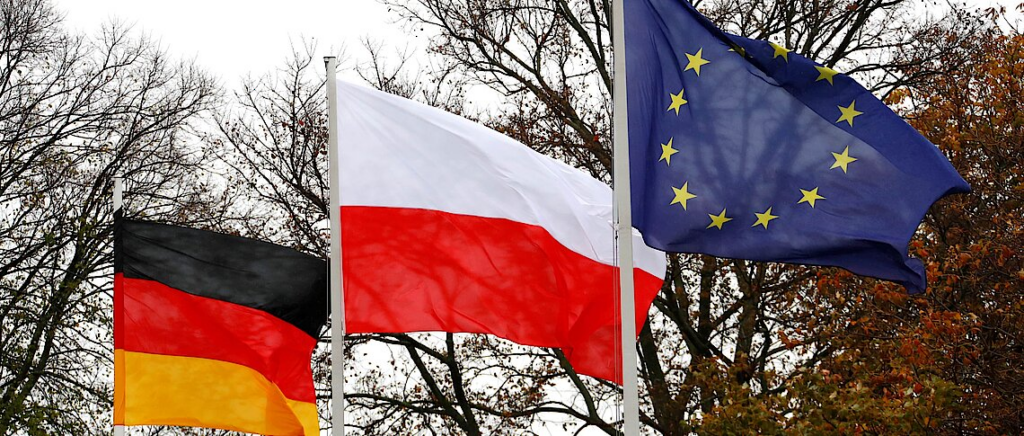
Germany Poland relations have evolved significantly over the years, shaped by both cooperation and conflict. As Germany emerges as a leading economic and political player in Europe, its partnership with Poland becomes increasingly vital, especially in the current geopolitical landscape dominated by Russian threats. However, the shadow of historical tensions, including wartime reparations and differing perspectives on the past, complicates this burgeoning cooperation. Despite these challenges, the Polish German cooperation is essential for both nations in addressing common security concerns and economic interests. Looking ahead, the question remains: can the two nations transcend their tumultuous history to build a more unified and resilient future?
The diplomatic ties between Germany and Poland reflect a complex interplay of shared ambitions and historical grievances. As both nations navigate the landscape of European integration and security, the need for a robust Germany Poland partnership becomes increasingly clear amid rising threats from the east. However, long-standing issues, such as outstanding war reparations and lingering national sentiments shaped by historical conflicts, continue to test this alliance. The commitment to Polish German cooperation is paramount for addressing mutual interests, such as economic collaboration and military readiness. Ultimately, the path forward hinges on how effectively both countries can reconcile their histories while forging ahead in a rapidly changing geopolitical environment.
The Historical Context of Germany and Poland Relations
The historical relationship between Germany and Poland has been fraught with complex emotions and events. The shadows of World War II linger in the minds of many Poles, with memories of occupation and suffering that have contributed to a deep-seated skepticism toward Germany. Despite the establishment of diplomatic relations and various treaties aimed at reconciling past grievances, including the significant 1965 letters of forgiveness between the Catholic bishops, the underlying tensions remain palpable. Furthermore, political movements within Poland, notably the rise of right-wing nationalists, have tapped into historical resentments, exacerbating the rift in contemporary Polish-German perceptions.
Even in the face of pressing current challenges, such as the Russian threat, these historical issues have proven difficult to overcome. With reports indicating that a considerable percentage of Poles still view historical matters as hindrances to forming new alliances, the past looms large over current partnerships. This sentiment is echoed in the reassessment of reparations, which has become a focal point of contention, highlighting the struggles of Poland to achieve recognition for its wartime suffering in the context of ongoing discussions about Germany-Poland cooperation.
Frequently Asked Questions
What is the current status of Germany Poland relations amidst ongoing geopolitical tensions?
The current status of Germany Poland relations is complex, characterized by both a growing partnership and lingering historical tensions. While Poland is now Germany’s fourth-largest trading partner and both nations are united by the common concern of potential Russian aggression, issues like historical blame and war reparations remain significant obstacles to fully resolving their differences.
How do historical tensions impact the Germany Poland partnership today?
Historical tensions heavily impact the Germany Poland partnership, with many Poles viewing past grievances, particularly surrounding WWII occupation and war reparations, as significant barriers to forging stronger future relations. Despite a push towards cooperation, these historical issues continue to overshadow current diplomatic efforts.
What initiatives are in place for Polish German cooperation in defense and military matters?
Polish German cooperation in defense and military matters includes initiatives to enhance military infrastructure, such as upgrades to the Oder River bridges and the development of critical roads and railways. However, the military cooperation is challenged by the differences in military capacity and the recent acquisition decisions for submarines.
Why is the issue of war reparations a sticking point in Germany Poland relations?
War reparations are a sticking point in Germany Poland relations due to Poland’s ongoing claims regarding compensation for wartime losses and destruction. The historical context surrounding these reparations creates a morally and politically charged atmosphere, making it difficult for both sides to reach an acceptable resolution.
How have public sentiments in Poland and Germany shifted regarding their bilateral relations?
Public sentiments have shifted notably, with declining approval ratings among Poles towards German European policy and an overall decrease in the level of sympathy towards Germans. As of recent surveys, only 25% of Poles express a desire for closer personal ties with Germans, reflecting the influence of historical tensions and ongoing political narratives.
What role does European security play in the evolution of Germany Poland relations?
European security plays a critical role in the evolution of Germany Poland relations, particularly with the shared concern over Russian aggression. Both nations have recognized the importance of military cooperation and defense strategies in the face of these external threats, prompting them to engage more closely despite the overshadowing historical issues.
What future developments are anticipated for the German Polish cooperation?
Future developments for German Polish cooperation are expected to focus on enhancing military collaboration and economic partnerships while navigating the challenging waters of historical resentment. With geopolitical pressures such as the war in Ukraine, both countries may find common ground despite their past, potentially leading to a more strategic alliance.
How has the historical narrative affected the perception of Germany in Poland?
The historical narrative has significantly affected the perception of Germany in Poland, with many Poles citing historical grievances, particularly linked to WWII and the lack of wartime reparations, as fundamental reasons for their current unfavorable views. These historical sentiments have fueled negative rhetoric and contributed to a decline in personal affinity towards Germans.
| Key Points | Details |
|---|---|
| Current Motivations | Poland and Germany are increasing cooperation primarily due to concerns about Russian aggression. |
| Economic Relations | Poland is Germany’s fourth-largest trading partner, emphasizing the economic ties despite political tensions. |
| Historical Tensions | Historical grievances, especially related to WWII reparations, are a significant obstacle to improved relations. |
| Public Sentiment | Sympathy for Germans among Poles has decreased significantly, impacting bilateral relations. |
| Political Dynamics | The rise of nationalist sentiments and historical rhetoric affects contemporary politics in both countries. |
| Future Prospects | While there is pressure to cooperate due to geopolitical threats, unresolved historical issues linger. |
Summary
Germany-Poland relations, although forced into a partnership due to present-day threats, are fraught with complexities stemming from historical grievances. The economic ties between the two countries, particularly in trade, showcase their interdependence. However, public sentiment has turned sour on both sides, marred by a lack of trust and sympathy. Moving forward, both nations must confront their past while navigating the current geopolitical landscape to foster a robust and cooperative relationship.

