
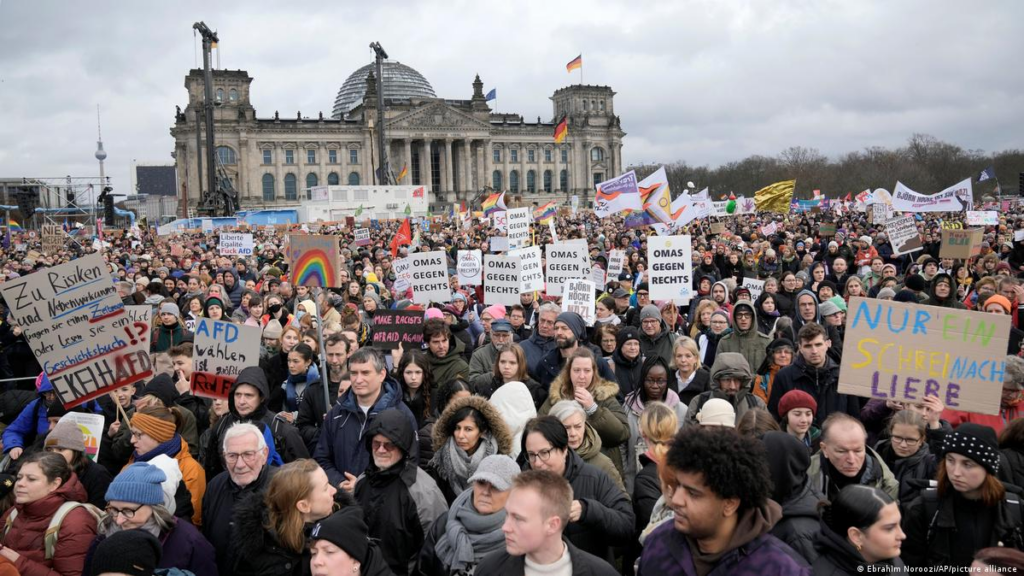
The Conscription Protest Berlin has emerged as a powerful response to the recently enacted military service law, uniting young voices in a movement against perceived injustice. This protest is not just a simple demonstration; it embodies a broader wave of youth activism in Berlin, where students are taking a stand with initiatives like the school strike against conscription. As crowds gather, they voice their concerns about becoming “cannon fodder” in a conflict that many believe does not represent their values. Activists, including those advocating for Free Palestine, have joined forces with Antifa supporters, creating a dynamic coalition protesting against compulsory military service. With such fervent participation, the Berlin military service protest exemplifies a significant cultural and political moment reflecting the collective will of the younger generation.
The Berlin conscription protest represents a rallying cry for young activists in opposition to mandatory military service. Dubbed a significant demonstration against conscription, this movement sees students organizing themselves, drawing parallels with global movements like the Free Palestine protests in Berlin. Collectively, these young individuals embody a spirit of defiance against what they perceive as state coercion in the realm of military enlistment. Various factions, including Antifa, have emerged to support these efforts, underscoring the interconnectedness of youth-led initiatives throughout the city. As more participants join, the atmosphere is charged with a sense of urgency and solidarity, illuminating the critical role of youth activism in advocating for social change.
The Rise of Youth Activism in Berlin
In recent years, youth activism in Berlin has emerged as a formidable force against various socio-political issues. The current protests against conscription are primarily driven by young individuals who are voicing their opposition to compulsory military service. Their slogan, ‘No desire to end up as cannon fodder’, encapsulates their concerns about becoming agents of warfare in conflicts they do not support. The demonstrations have attracted students and young professionals alike, all united in their goal to resist being drafted into military service.
The school strike against conscription in Berlin is not just limited to concerns about military service; it reflects a broader discontent with how young people are represented in societal discourse. Students are taking to the streets, creating vibrant displays of resistance that combine art, music, and poignant messages. This new wave of protest demonstrates how the youth are asserting their agency, shaping discussions around peace, democracy, and their future in Germany.
Berlin Military Service Protest: A Coalition of Voices
The Berlin military service protest has seen an impressive coalition of voices, bringing together students, activists from the Free Palestine movement, and members of Antifa. This diverse coalition emphasizes that opposition to conscription is not merely a local issue; it resonates with global struggles against oppression and militarization. By uniting under a common cause, these groups strengthen their position, highlighting the interconnectivity of various social justice movements.
During these gatherings, protesters often express solidarity with other marginalized movements, such as those advocating for Palestinian rights. The integration of the Free Palestine protests within the conscription demonstration adds a powerful layer of meaning, showcasing how military policies in one nation can intersect with global conflicts. This intersectionality has invigorated the demonstrations, as participants draw parallels between the impacts of conscription domestically and its implications abroad.
Miscommunication and Misinformation Surrounding Protests
In the age of social media, misinformation can easily proliferate, affecting the public’s perception of movements like the conscription protests in Berlin. As young activists rally for their cause, some narratives presented by media outlets do not accurately reflect the goals or motivations of the protestors. For instance, mischaracterizations may frame demonstrators solely as anti-military, failing to convey their broader messages about social justice and human rights.
The spread of misinformation has also led to tensions within the protest community. While most protestors are unified in their stand against conscription, differing views on related issues such as activism for Palestine can occasionally spark division. Educating the public through clear communication and firsthand accounts from those involved can help mitigate misunderstandings and strengthen the resolve of youth activism in Berlin.
Antifa’s Role in the Conscription Demonstration
Antifa, known for its anti-fascist stance, has played a prominent role in the conscription demonstration in Berlin. By aligning with the youth protesting against military service, Antifa underscores its commitment to resisting all forms of oppression, including state-sanctioned violence. Their participation not only boosts visibility but also emphasizes a rejection of ideologies that promote militarization.
The intersectionality of Antifa’s activism with the conscription protests illustrates a united front against systemic injustice. Activists wield powerful imagery and symbols that resonate with younger generations, creating a palpable atmosphere charged with energy and resolve. This symbiotic relationship highlights that the fight against conscription is part of a larger narrative advocating for peace and human rights, breaking down barriers between various activist groups.
The Impact of School Strikes on the Protests
School strikes play a crucial role in shaping the trajectory of protests against conscription in Berlin. By mobilizing students and harnessing their collective power, these strikes bring urgent attention to issues that affect not only their lives but society as a whole. Enabled by social media platforms, these strikes cultivate solidarity and encourage many students to engage politically for the first time.
The enthusiasm displayed during these strikes often translates into larger gatherings against military service, as peer solidarity fosters a culture of activism among youth. These young activists are leveraging their educational spaces to challenge the status quo, ensuring that their voices resonate beyond the confines of the classroom and become part of the national dialogue on military service and conscription.
The Role of Social Media in Mobilizing Protests
Social media has become an indispensable tool for organizing protests in Berlin, particularly in mobilizing young people around the issue of conscription. Platforms such as Instagram, Twitter, and TikTok enable rapid dissemination of information, allowing activists to communicate their messages, share live updates, and encourage participation in demonstrations. This digital activism not only facilitates in-person attendance but also builds a sense of community among protestors.
However, while social media has its advantages, it also presents challenges in the form of misinformation. Activists must navigate the landscape carefully, ensuring that their narratives are not distorted or misrepresented. Educating followers on credible sources and providing accurate information about the protests helps maintain momentum and fosters a clearer understanding of the movement’s goals.
Connecting Local Protests to Global Movements
The conscription protest in Berlin serves as a local chapter within a broader context of global social movements. As young activists advocate against mandatory military service, they simultaneously draw connections to larger struggles for peace and justice worldwide. This global perspective reinforces that the issues faced by protestors in Berlin are intertwined with those confronting communities across the globe.
Such connections can inspire solidarity actions in various forms, from adding support to international days of action to amplifying voices from marginalized communities elsewhere. Protesters often issue calls of solidarity that reach beyond borders, advocating for a shared vision of global peace and justice that resonates with others engaged in similar fights against oppressive systems.
Future Directions for Youth Activism in Berlin
The future of youth activism in Berlin appears promising, as recent protests against conscription indicate a renewed interest among young people in socio-political issues. By continuing to engage in grassroots movements, these activists are cultivating a culture that prioritizes systematic change rather than complacency. This vibrant activism reflects a sense of responsibility among youth to demand accountability from their leaders and challenge oppressive structures.
To sustain this momentum, it is imperative that young activists develop strategies for organizing, solidarity building, and outreach to diverse communities. Creating inclusive coalitions that address intersectional concerns will be crucial for fostering longevity in their movements. As they navigate a rapidly changing political landscape, the youth of Berlin have the potential to shape the future of activism and inspire generations to come.
Frequently Asked Questions
What is the significance of the Conscription Protest Berlin?
The Conscription Protest Berlin is a critical demonstration organized by young activists opposing the newly passed military service law. It highlights youth concerns over being forced into military service, showcasing their desire to reject becoming ‘cannon fodder’ in conflicts.
How are school strikes related to the Conscription Protest Berlin?
School strikes are an integral part of the Conscription Protest Berlin, where students unite to express their opposition to the mandatory military service. These strikes represent a broader youth activism movement, aiming to raise awareness about the implications of conscription on their future.
What role does Antifa play in the Berlin military service protest?
Antifa has significantly influenced the Berlin military service protest by joining forces with youth activists. Through their participation, Antifa contributes to the message against conscription, emphasizing anti-fascist values and the importance of individual freedoms in the face of militarization.
How does the Free Palestine movement intersect with the Conscription Protest Berlin?
The Free Palestine protests in Berlin intersect with the Conscription Protest as both movements focus on anti-militarization and human rights. Activists from both groups collaborate, highlighting a shared ideology that opposes military aggression and promotes peace.
What misinformation is being spread about the Conscription Protest Berlin?
Misinformation regarding the Conscription Protest Berlin includes misconceptions about the goals of the protest and the affiliations of participants. It’s crucial for activists to clarify their stance, focusing on anti-conscription messages rather than divisive narratives.
Why is youth activism in Berlin important in the context of the conscription protests?
Youth activism in Berlin is pivotal for the conscription protests as it empowers the younger generation to voice their concerns and shape societal policies. This activism challenges traditional narratives and encourages collective action against military conscription.
| Key Points | |
|---|---|
| Event Location: Berlin-Kreuzberg | Type of Demonstration: School Strike Against Conscription |
| Reason for Protest: Opposition to newly passed military service law | Demographics: Young people leading the movement |
| Involvement: Activists from ‘Free Palestine’ and Antifa | Issue: Spread of misinformation during protests |
Summary
The Conscription Protest in Berlin highlights a growing discontent among young people regarding military service laws. As they unite under the banner of the school strike, their message resonates through diverse groups including activists from ‘Free Palestine’ and Antifa. This movement not only reflects a rejection of becoming ‘cannon fodder’ but also sheds light on the critical issue of misinformation that surrounds such significant societal changes.

