
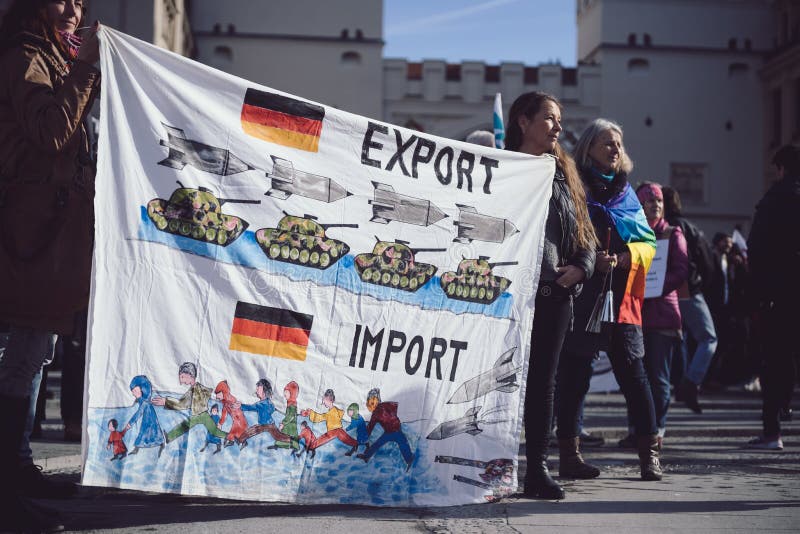
Military service protests in Germany have recently taken center stage as thousands of young people rally against the government’s new conscription laws. The outcry has echoed through major cities such as Berlin, Hamburg, and North Rhine-Westphalia, with many students opting to participate in demonstrations rather than attending school. They are vocal in their opposition, with slogans calling for a “school strike against conscription” resonating among youth demonstrations across the country. This movement not only highlights concerns over mandatory military service but also opens a wider dialogue about the future of the Bundeswehr and military policies in Germany. As these protests surge, the backdrop of Germany protests 2023 illustrates a significant turning point in how the youth perceive their role and responsibilities within society.
The recent unrest surrounding compulsory military service in Germany has sparked a wave of dissent and activism among the younger demographic. Instances of school strikes against compulsory enlistment are becoming increasingly common, highlighting a growing reluctance among young citizens to embrace mandatory military duties. This wave of youth-led demonstrations reveals an underlying tension with the proposed military service law, which aims to modernize the conscription process for the Bundeswehr. The substantial turnout at protests reflects a broader mobilization of students and young people who feel their futures are jeopardized by state-imposed military obligations. As the movement gains traction, the conversation surrounding youth empowerment and civil rights continues to evolve in the context of military service.
Overview of Military Service Protests in Germany
In recent weeks, Germany has witnessed a significant surge in military service protests, primarily spearheaded by young people and students. As the new military service law was signed by the Bundestag, ensuring compulsory participation in the Bundeswehr, thousands of demonstrators took to the streets of major cities, including Berlin, Hamburg, and Munich. These protests are not just a reaction to the law itself, but rather to the very concept of conscription, as many youth believe it jeopardizes their future aspirations and career paths.
The protests, often organized under the banner of ‘school strike against conscription,’ have rallied thousands of students and even concerned parents. Many students chose to skip school, prompting some parents to write sick notes allowing their children to participate in the protests. This active resistance showcases a broader youth movement that extends beyond mere local issues, reflecting a growing discontent among young Germans against government policies perceived as archaic and controlling.
Youth Demonstrations and Their Impact
The youth demonstrations across Germany represent a powerful testament to the concerns of a generation that feels unheard by policymakers. With chants such as ‘No person, no cent for the Bundeswehr,’ demonstrators have made it clear that they seek a future free from compulsory military service. The sheer turnout in cities like Dresden and Leipzig, where groups of young protestors gathered in solidarity, highlights a significant cultural shift towards prioritizing education over militarization.
Furthermore, these demonstrations are significant not only for their immediate impact but also for their potential long-term ramifications on political discourse in Germany. The youth’s articulate objections to being mandated into military service suggest a pivotal moment where young people’s voices may reshape the conversation surrounding military laws and societal expectations. As these movements garner more attention, there is potential for influential political change led by the very demographic that these policies affect the most.
Recent protests have sparked dialogues across various platforms, bringing together diverse groups including students, social activists, and concerned parents. The involvement of figures like 15-year-old Friedemann and his peers shows that the movement isn’t just a temporary fad; it is a collective effort aimed at instigating change in how military service is perceived in German society. Their sentiments resonate with larger discussions on youth rights and the role of military service in a modern democracy.
The Role of Schools in Protesting Military Service
The conflict between school attendance and participation in demonstrations against military conscription has brought to light contentious issues surrounding education and political activism in Germany. Many students, while torn between their educational responsibilities and their desire to protest, have reportedly taken a bold stance by marching through city streets. Schools, which are traditionally seen as institutions for learning, have become battlegrounds for issues of civic engagement and personal autonomy.
Teachers and educational authorities are now faced with a challenging situation: how to balance academic obligations with the rights of students to express their political views. The 2023 protests have posed significant questions about the role of educational institutions in fostering a spirit of activism, demonstrating that today’s youth care deeply about their future and believe they should have a voice in the decision-making processes that will ultimately shape their lives.
Political Reactions to Military Service Protests
In light of the 2023 military service protests, political reactions have varied significantly. Some lawmakers from opposition parties have expressed strong support for the young demonstrators, acknowledging the legitimacy of their concerns regarding the new military service law. Conversely, more conservative factions have criticized these demonstrations as misguided or youthful rebellion, arguing that military service is a vital component of national security.
Nonetheless, the protests have opened a conduit for dialogue between youth and politicians, and some government officials have begun reevaluating the implications of conscription policies on the younger generation. The ongoing discourse may lead to amendments in legislation or a reconsideration of how future military participation is framed, indicating a breeding ground for potential compromise as both sides grapple with the path forward.
The Future of Military Service Legislation in Germany
As protests continue, the future of military service legislation in Germany appears uncertain. The proposed modernization of conscription laws may encounter significant hurdles, with public sentiment increasingly shifting against compulsory military service. The voices of young protesters have sparked discussions around the need for a reformed approach to service that aligns more closely with contemporary values regarding personal freedom and individual choice.
Moreover, the scheduled implementation of the military service law in January 2026 raises urgency for government officials to consider potential adjustments to the legislation in light of growing dissent. Policymakers must weigh the need for national defense against the aspirations and wishes of a new generation, suggesting that legislative actions in the near future will be pivotal in defining the relationship between Germany’s youth and governmental authority.
Trends in German Youth Activism
The military service protests in Germany are part of a broader trend of youth activism that has been gaining momentum in recent years. Young people are increasingly taking charge of social and political issues, advocating for reforms that align with their values and futures. From climate action to education reform, the current wave of protests reflects a generation that is not only aware of but also ready to challenge systemic issues they believe are detrimental to their prospects.
This rise of youth activism has been solidified through strategic organization and networking facilitated by social media, enabling a larger mobilization effort. Events such as the ‘school strike against conscription’ serve as a collaborative effort to unify voices across various demographics and geographical locations, showcasing the power of youth-led initiatives in shaping public opinion and policy.
Demonstration Highlights and Key Messages
The protests across Germany have featured various impactful messages and slogans that resonate deeply with the concerns of the youth. With banners declaring “For a future without compulsory service” and chants emphasizing the need for education over militarization, the demonstrations reflect a coherent narrative centered on the right to choose one’s path. These phrases encapsulate the essence of the protests, illustrating the desire for a society that values personal freedom and suitable career opportunities for young people.
In specific locations, such as Berlin’s Kreuzberg district and Dresden, the demonstrations have drawn attention not only for their numbers but also for the creativity displayed in their messaging. Through visual art and compelling narratives, young protesters convey their passions and frustrations, challenging the government to listen to their demands. The resonation of these messages indicates a collective understanding among protesters that their future is intertwined with the policies implemented today.
Civic Engagement in Today’s Youth
The military service protests signal a significant movement towards greater civic engagement among today’s youth in Germany. As they rally against the imposed military service law, young people are not merely protesting; they are actively participating in the democratic process. This transformation indicates a rising awareness of their rights and how these rights play a crucial role in shaping their reality, further motivating them to take action.
The widespread involvement of students in protests highlights the necessity for educational systems to cultivate civic responsibility and activism among youths. With the youth taking a stand in political dialogues about military service and personal freedom, it is clear that initiatives promoting active citizenship and education about civic duties and rights could be valuable in empowering the next generation of leaders.
Parental Support and Involvement in Protests
The role of parents during these military service protests has been profoundly noticeable, with many taking an active part in supporting their children. From writing sick notes to allowing their children to skip school for protests, parents are demonstrating a heightened awareness of the battles their young ones are fighting against compulsory military service. This newfound unity between generations highlights a familial concern for the future and the paths being laid out by government policies.
Parents at these protests often articulate their worries about how conscription may impact their children’s aspirations and dreams. As more parents engage in discourse related to military service and civic rights, a collaborative movement emerges, illustrating that resistance against the military service law is not limited to the youth but encompasses entire families. This collective stance amplifies the call for reconsideration of conscription and fosters a richer dialogue about possible future changes to military service policies.
Frequently Asked Questions
What sparked the military service protests in Germany in 2023?
The military service protests in Germany in 2023 were sparked by the federal government’s new military service law, which was passed by the Bundestag and is set to take effect on January 1, 2026. The law requires young individuals to fill out a questionnaire followed by assessments for conscription, prompting a widespread backlash from youth and students who organized a ‘school strike against conscription.’
How have young people in Germany responded to the military service law?
Young people in Germany have responded to the military service law with significant protests, participating in marches across cities including Berlin, Hamburg, and North Rhine-Westphalia. Many demonstrators, some as young as 16, skipped school to voice their opposition to mandatory military service in the Bundeswehr, insisting that their futures shouldn’t be jeopardized by military obligations.
What were the main slogans used during the youth demonstrations in Germany?
During the youth demonstrations against the military service law in Germany, common slogans included ‘No person, no cent for the Bundeswehr’ and ‘More education, less weapons.’ Protesters also showcased signs like ‘Too young for elections, but old enough for war,’ highlighting their discontent with being forced into military service.
How many people participated in the protests against military service in Germany?
The protests against military service in Germany saw thousands of participants, with estimates of around 3,000 in Berlin, up to 5,000 in Hamburg, and significant turnouts in cities like Dortmund, Cologne, and Dresden. Overall, the demonstrations reflected widespread youth dissent against the military service law.
What is the significance of the ‘school strike against conscription’ in Germany?
The ‘school strike against conscription’ signifies a notable movement among Germany’s youth, emphasizing their collective opposition to mandatory military service. This movement has become a focal point for discussions on personal freedom and aspirations versus government mandates, drawing attention to the concerns of younger generations regarding their future.
What do the military service protests in Germany reveal about the sentiments of young people?
The military service protests in Germany reveal a strong sentiment among young people regarding autonomy and career aspirations. Many protestors feel that conscription undermines their ability to pursue personal goals, as illustrated by statements from demonstrators who oppose being forced into the military, which they believe could derail their dreams.
What role did parents play in the military service protests in Germany?
Parents played a supportive role in the military service protests in Germany by helping their children participate in the demonstrations, with some issuing sick notes so their kids could skip school to protest. This involvement highlights the broader community concern about the implications of the military service law on youth.
What can we expect for the future of military service in Germany following the protests?
Following the protests, the future of military service in Germany may be influenced by the demonstrators’ demands for reevaluation of the new military service law. The significant public outcry suggests potential governmental reconsideration or adjustments to the law, especially given the vocal opposition from young citizens and their parents.
| City | Estimated Participants | Key Quotes | Main Themes |
|---|---|---|---|
| Berlin | ~3,000 (up to 5,000) | ‘We don’t want conscription’; comments from students. | Opposition to compulsory military service. |
| Hamburg | ~1,700 (organizers: up to 5,000) | Significant youth participation. | |
| North Rhine-Westphalia | 1,000 in Dortmund, several hundred in other cities | Demonstrations across several cities. | |
| Saxony | ~2,000 in Dresden, Leipzig, and Chemnitz | ‘More education, less weapons’; youth aspirations. | Call for a future without conscription. |
| Southern Germany | Thousands in Munich, Stuttgart and other cities | Unified stance against military conscription. |
Summary
Military service protests in Germany reflect a significant discontent among the youth regarding the new military service law. Thousands of young people have taken to the streets, expressing their opposition to compulsory military service through demonstrations in major cities like Berlin, Hamburg, and Munich. The movement, which includes school strikes and active participation from students and parents alike, showcases a unified desire for alternatives to conscription. These protests signal a pivotal moment in the ongoing discourse around military service and youth rights in Germany.

