
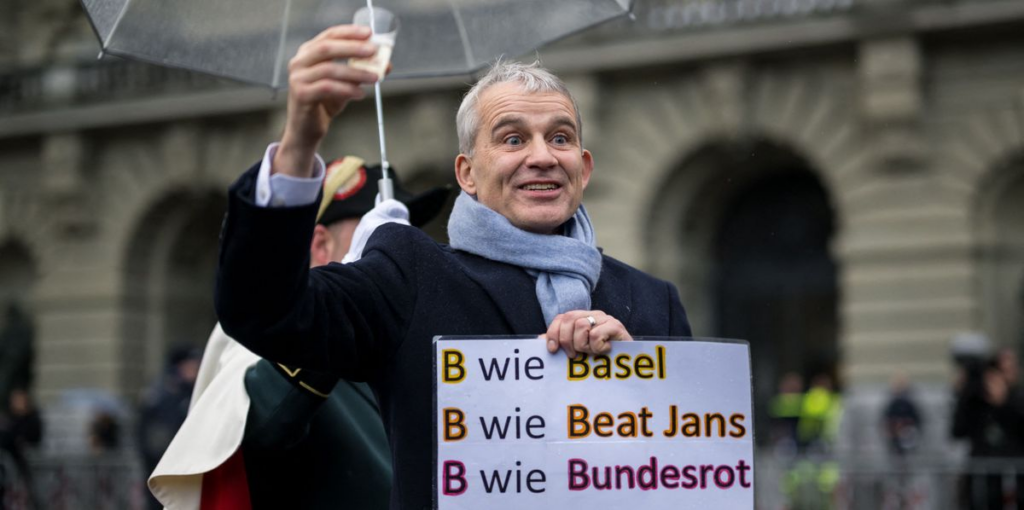
The Bund-Federal Round incident marked a significant clash during a recent conference of ministers-presidents, highlighting tensions within Germany’s political landscape. At the heart of the confrontation was Chancellor Friedrich Merz and Environment Minister Carsten Schneider, who sparred over the federal modernization agenda. Schneider insinuated that Merz was not as engaged in the decision-making process as he should be, specifically calling him a “party crasher.” This disagreement erupted after Merz praised the comprehensive reforms intended to streamline bureaucracy, and Schneider, countering his narrative, claimed the discussions were not fully coordinated with all departments. The ensuing debate raised concerns that environmental priorities might be set aside in the rush towards modernization, which could have lasting implications for both governance and environmental policy in Germany.
In what could be described as an extraordinary episode during the recent ministers-presidents conference, a controversy arose between Chancellor Merz and the federal environment minister, Carsten Schneider. Dubbed the “Bund-Federal Round incident,” this situation underscores underlying frictions and differing priorities among Germany’s political leaders. Schneider’s comments revealed his apprehension that key discussions surrounding the federal modernization strategy were being overlooked, suggesting a disconnect in involvement amongst the leadership. The clash between these two figures illustrates the challenges of aligning the broad objectives of modernization with essential environmental protections. As debates continue regarding bureaucratic reforms and streamlined processes, it becomes increasingly important to address these disparities to ensure a balanced approach to governance.
The Bund-Federal Round Incident Explained
The recent Bund-Federal Round incident shed light on the complexities within the German government, particularly revealing the tensions between the Chancellor and the Environment Minister. Friedrich Merz, during a cabinet meeting, emphasized the need for a robust federal modernization agenda, yet his remarks were met with skepticism from Environment Minister Carsten Schneider. The crux of the disagreement stems from Schneider’s assertion that he had been sidelined from critical discussions regarding the modernization agenda, which raises questions about departmental coordination and the inclusivity of the decision-making process.
Schneider’s critique of Merz suggests there may be underlying issues relating to government cohesion and communication. The environment minister’s comments, indicating he felt like a ‘party crasher’ at a conference primarily involving ministers-presidents, point to a perceived lack of synergy among the leadership. As Merz championed the modernization agenda’s potential to streamline processes and reduce bureaucracy, Schneider’s response highlights the ongoing struggle to balance environmental protection with necessary governmental efficiency.
Key Figures in the Federal Modernization Agenda
The federal modernization agenda, championed by Chancellor Friedrich Merz, is a crucial attempt to revitalize the governance processes within Germany. Merz has positioned himself as a reformist leader seeking to create a ‘great leap forward’ for the German bureaucratic landscape by minimizing red tape and expediting approval processes for businesses. This plan aligns with his goals to facilitate economic growth while responding to the administrative challenges that impede business operations.
Counteracting this vision is Environment Minister Carsten Schneider, who plays an essential role in ensuring that environmental policies are not overshadowed by the drive for modernization. Schneider’s voice represents concerns regarding the potential consequences of rapid reform on sustainable practices. The relationship dynamics between Merz and Schneider not only illustrate the points of contention present in the cabinet but also emphasize the importance of aligning economic objectives with environmental responsibilities.
The Role of the Ministers-Presidents in Current Governance
The conference of ministers-presidents serves as a pivotal setting for intergovernmental collaboration in Germany, where various leaders come together to align on crucial legislative agendas, such as the recent federal modernization agenda. This conference underscores the significance of establishing consensus among state leaders while also addressing local concerns that might rise from broader national policies. For many politicians, this conference represents an opportunity to influence decisions that will directly impact their regions.
However, the evident clash between Merz and Schneider at the latest meeting reflects the challenges in achieving unity within this assembly. As Schneider voiced concerns about losing sight of environmental priorities, it became clear that balancing regional governance with federal initiatives remains a contentious issue. The ministers-presidents play a crucial role in advocating for their respective states, especially in context to how federal decisions may affect local environmental regulations and sustainability efforts.
Implications of the Environment Minister Clash
The tension between Chancellor Merz and Environment Minister Schneider marks a significant moment in Germany’s legislative landscape, highlighting the potential fractures in cabinet cohesion. The disagreement over the federal modernization agenda reveals contrasting priorities: on one side, the push for an accelerated bureaucratic process aimed at economic advancement, and on the other side, the insistence on preserving environmental oversight amidst such reform. This clash raises critical questions about the future direction of Germany’s governance.
The implications of Schneider’s public dissent are far-reaching. If environmental considerations are seen as secondary to economic expedience, it could lead to significant backlash from the public and various environmental organizations. Moreover, this incident raises the stakes for future policymaking, calling into question the effectiveness of collaborative governance when prominent leaders express discord. As Germany innovates its regulatory frameworks, the need for unified, thoughtful leadership that respects both economic growth and environmental sustainability is paramount.
Assessing the Federal Modernization Agenda
The federal modernization agenda is a comprehensive initiative aimed at overhauling existing bureaucratic structures within the German government. By advocating for reduced reporting obligations and streamlined approval processes, the initiative is designed to foster a more business-friendly environment. However, implementing such measures requires careful consideration of the potential impacts on various sectors, including environmental management, where Minister Schneider has voiced essential critiques.
As this modernization effort unfolds, it will be crucial for the government to ensure that all departments, including environmental agencies, actively participate in shaping guidelines and policies. This inclusive approach will help mitigate potential discord among leadership and foster a collective commitment to both modernization and sustainability, ultimately benefiting the broader welfare of the German populace. Ensuring ongoing dialogue between leaders like Merz and Schneider is vital in maintaining a balanced perspective within policymaking.
The Need for Inter-departmental Cooperation
In light of the Bund-Federal Round incident, it is clear that inter-departmental cooperation is essential for the successful implementation of the federal modernization agenda. The clash between Friedrich Merz and Carsten Schneider revealed a rift that could hinder progress if left unaddressed. Effective governance requires that all departments feel involved and valued in the decision-making process to produce cohesive and widely supported outcomes.
Strengthening communication channels and collaborative strategies between the chancellor’s office and various ministries will be fundamental in mitigating misunderstandings and disputes. As discussions about bureaucracy reduction progress, ensuring that all stakeholders, including environmental departments, are adequately represented can enhance policy effectiveness and demonstrate a commitment to inclusive governance.
Economic Growth versus Environmental Protection
The ongoing dialogue surrounding the federal modernization agenda brings to the forefront the perennial struggle between the need for economic growth and the imperative of environmental protection. Chancellor Friedrich Merz’s support for bureaucratic reform suggests an eagerness to enhance economic performance through expedited processes, yet it raises valid concerns over whether these reforms might overshadow critical environmental safeguards.
Minister Carsten Schneider’s dissent serves as a reminder of the sacrifices that can accompany swift governance changes. The challenge lies in crafting policies that not only facilitate business growth but also safeguard ecological integrity. Balancing these interests will require innovative thinking and a willingness to compromise, ensuring that sustainable practices remain a priority alongside economic development.
Looking Ahead: Future of Governmental Dynamics
The recent incident between Merz and Schneider highlights significant challenges that lie ahead for the German government as it navigates the complexities of modernization while maintaining environmental adherence. The differing perspectives on the federal modernization agenda will undoubtedly shape future governance dynamics. As the cabinet confronts pressing issues, the ability to find common ground between economic objectives and environmental stewardship will be crucial.
As political landscapes evolve, fostering a culture of collaboration among leaders will be necessary to achieve aligned objectives and public trust. The ongoing discussions and negotiations will set the tone for future policymaking processes, emphasizing the need for leaders to engage openly and inclusively. As Germany embarks on this ambitious path, the interplay between ministers like Merz and Schneider may very well define the effectiveness of the federal modernization agenda.
Conclusion: Striking a Balance in Governance
In conclusion, the federal modernization agenda represents a pivotal initiative for Germany, but it cannot come at the expense of vital environmental considerations. The Bund-Federal Round incident serves as a cautionary tale about the potential friction between government leaders as they pursue ambitious reforms. Finding a compromise that addresses both economic dynamism and ecological responsibility will be imperative in fostering a sustainable future.
The relationship dynamics within the cabinet, as exemplified by the clash between Merz and Schneider, will continue to influence German governance. To achieve meaningful progress, it is essential that leaders work collaboratively, valuing contributions from all departments to foster coherent policy outcomes. As Germany moves forward with its modernization agenda, the implications for governance and environmental protection will remain a critical focus.
Frequently Asked Questions
What happened during the Bund-Federal Round incident involving Friedrich Merz and Carsten Schneider?
During the Bund-Federal Round, a notable incident occurred between Chancellor Friedrich Merz and Environment Minister Carsten Schneider. Schneider criticized Merz’s comments on the federal modernization agenda, suggesting it lacked proper coordination among departments. Merz defended the process, asserting that all relevant departments were involved, but Schneider expressed he felt excluded from the discussions, leading to a tense exchange.
What is the significance of the federal modernization agenda discussed at the ministers-presidents conference?
The federal modernization agenda aims to streamline government processes, enhance efficiency, and support economic growth by reducing bureaucracy and expediting planning and approval processes. It was a central theme during the ministers-presidents conference, where Merz highlighted its potential as a significant step forward for federal initiatives.
How did Environment Minister Carsten Schneider react to Friedrich Merz’s comments on the modernization agenda?
Carsten Schneider reacted critically to Friedrich Merz’s endorsement of the federal modernization agenda during the Bund-Federal Round. He described Merz as a ‘party crasher’ and raised concerns that the process lacked proper departmental coordination, indicating his belief that environmental considerations could be compromised in the push for modernization.
What measures are included in the federal modernization agenda agreed upon at the ministers-presidents conference?
The federal modernization agenda includes measures to reduce bureaucracy, lessen reporting obligations for businesses, and accelerate the planning and approval processes. This initiative was highlighted by Chancellor Friedrich Merz as a comprehensive package intended to drive significant improvements across federal projects.
What implications did the Bund-Federal Round incident have for the relationship between federal and state ministers?
The Bund-Federal Round incident highlighted tensions between federal leadership and state ministers, particularly regarding environmental policies. Schneider’s remarks indicate a divergence in priorities, suggesting that while federal modernization is sought, environmental concerns may not receive adequate attention, thus creating potential friction between federal and state agendas.
How did the ministers-presidents conference address the concerns raised by Environment Minister Carsten Schneider?
The ministers-presidents conference aimed to address concerns raised by Carsten Schneider regarding environmental priorities within the federal modernization agenda. Although there was an agreement on the agenda, Schneider’s criticisms indicated ongoing worries about ensuring that environmental protections are not overshadowed by the quest for modernization.
What role did Friedrich Merz play in the Bund-Federal Round incident?
Friedrich Merz, as the Chancellor, played a pivotal role in the Bund-Federal Round incident by championing the federal modernization agenda. His defense of the inclusiveness of departmental coordination countered Schneider’s claims, illustrating leadership challenges within the federal cabinet.
What were the main outcomes of the Bund-Federal Round incident for future federal collaborations?
The Bund-Federal Round incident underscored the importance of clarity and collaboration among federal and state leaders. Moving forward, it suggests that more robust communication and coordination will be vital to address environmental concerns while pursuing ambitious modernization goals.
| Key Points | Details |
|---|---|
| Bund-Federal Round Incident | A clash occurred between Chancellor Merz and Environment Minister Schneider during a meeting. |
| Merz’s Praise for Federal Modernization | Chancellor Merz praised the federal modernization agenda, emphasizing collaboration among departments. |
| Schneider’s Criticism | Schneider referred to himself as a ‘party crasher’ and accused Merz of not involving him in discussions. |
| Denial of Exclusion | Merz denied Schneider’s claims, stating all departments were included in the process. |
| Minister-Presidents’ Consensus | Despite Schneider’s concerns, there was an agreement on the modernization agenda aimed at speeding up processes. |
Summary
The Bund-Federal Round incident highlights a significant conflict between Chancellor Merz and Environment Minister Carsten Schneider, revealing deeper issues of communication and collaboration in the federal modernization agenda. Schneider’s comments about feeling excluded from the process underscore ongoing tensions within the cabinet, especially concerning environmental protection amidst ambitious modernization goals. The incident emphasizes the need for effective coordination across departments, as all parties aim to reduce bureaucracy and enhance efficiency in governance.

