
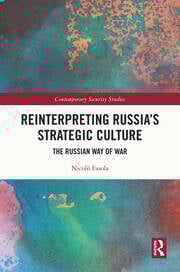
Russia’s strategic culture is a complex tapestry intertwined with historical experiences and contemporary geopolitical ambitions. According to historian Dmitri Minic, understanding this culture is crucial in the context of Putin’s threats against Europe. Minic emphasizes that actions driven by Russia’s strategic mindset extend beyond mere military engagement and are deeply rooted in ideological battles and power struggles. The pivotal “theory of circumvention” offers insight into how Russia approaches its geopolitical objectives, often leading to friction with Western nations. As tensions rise, a nuanced grasp of Russia’s strategic culture becomes essential to safeguarding European security and navigating the increasingly volatile landscape.
The exploration of Moscow’s defense philosophy reveals significant insights into its foreign policy and military strategies. Recent remarks from Putin highlight the nation’s intentions to reshape European relations in accordance with its aspirations and historical context. Dmitri Minic, a prominent historian, underscores the potential consequences of misinterpreting Russia’s actions, proposing that the underlying motives are informed by past encounters and the quest for regional dominance. The unfolding conflict signifies not only immediate military concerns but also a broader ideological struggle that could redefine the balance of power in Europe. Recognizing these elements is vital as the West grapples with its response to ongoing challenges to its security.
Understanding Russia’s Strategic Culture
Russia’s strategic culture is shaped by a complex history and a prevailing worldview that influences its approach to international relations. Historian Dmitri Minic emphasizes that to understand the current geopolitical climate, it’s essential to look into the historical context of Russian ideology and strategy. This culture is often characterized by a sense of vulnerability and a need for security that drives Russian leadership to adopt aggressive stances, as seen in Putin’s recent threats to European nations. Understanding these cultural nuances provides insight into why Russia behaves the way it does on the global stage.
Moreover, Russia’s strategic culture maintains a focus on power dynamics that extend beyond military might; it encapsulates economic, political, and ideological dimensions as well. The theory of circumvention posited by Minic suggests that Russia often seeks alternative pathways to achieve its goals when conventional approaches fail. This theory highlights how Russia negotiates its geopolitical ambitions through various means, impacting European security. By recognizing these factors, we can better assess the motivations behind Russia’s actions and prepare for potential escalation in tensions with the West.
Putin’s Threats and European Security
In light of Putin’s aggressive rhetoric and actions, the consequences for European security are profound. Minic warns that these threats should not be dismissed, as they signal a shift in the balance of power in Europe. The historian points out that misinterpretations of Russia’s intentions can lead to critical errors in judgment, potentially leaving European nations vulnerable to unexpected aggressive moves. The interconnectedness of European countries means that a single miscalculation can snowball into a broader crisis, affecting overall stability in the region.
Minic’s analysis reveals that the current geopolitical landscape requires European leaders to adopt a more vigilant stance against Russian threats. He argues against appeasement policies that might have served to temporarily alleviate tensions in the past but ultimately lead to greater conflicts in the long run. The imperative now is for Europe to strengthen its defense strategies while fostering diplomatic channels that can mitigate misunderstandings. A balanced approach that includes robust military preparedness and open dialogue will be crucial in preserving peace and security across Europe.
Geopolitical Ambitions and the Theory of Circumvention
The theory of circumvention is critical in analyzing Russia’s geopolitical ambitions, as it explains how the nation maneuvers around obstacles to achieve its objectives. According to Minic, this strategic approach often results in calculated risks designed to exploit weaknesses in the opposition. Understanding this theory allows scholars and policymakers to recognize patterns in Russian foreign policy and anticipate potential future actions. By dissecting Russia’s strategic culture, one can glean insights into how Kremlin operates and plans its geopolitical strategies.
Furthermore, this theory illustrates that Russia may not always pursue direct confrontation but could instead opt for subversive tactics that destabilize regions incrementally. For European nations, recognizing this nuance in Russia’s tactics is vital for crafting effective responses. Nations must prepare not only for military threats but also for the soft-power strategies that Russia might employ to undermine European security from within. By anticipating these circumvention strategies, the West can bolster its defenses and maintain a united front against potential Russian incursions.
The Consequences of Misinterpretation
Dmitri Minic underscores the significant risks associated with misinterpreting Russia’s threats. When European leaders view Putin’s proclamations through a lens of skepticism that overlooks historical context, they may inadvertently create opportunities for Russia to escalate its actions. Misinterpretation can lead to a false sense of security in EU nations, fostering complacency that could embolden Putin to act more aggressively. Thus, it’s essential to analyze these threats critically, factoring in Russia’s strategic culture and past behavior patterns.
Moreover, misinterpretations can hinder the West’s diplomatic efforts and responses to potentially aggressive maneuvers. If European nations fail to present a cohesive and firm stance on issues that Russia considers vital to its interests, they risk inviting more challenges. The need for a thorough understanding of Russia’s motivations and threats cannot be overstated; this ensures that Europe does not merely react to provocations but proactively shapes its security policies to deter future aggression.
Historical Context and Its Role in Current Geopolitics
Russia’s history plays a crucial role in shaping its current geopolitical strategies. As highlighted by Dmitri Minic, the fear of invasion and past experiences of territorial loss have instilled a deep-seated need for security within the Russian leadership. This historical backdrop informs contemporary threats and ambitions, revealing how Russia perceives itself on the world stage. By tracing the lineage of Russia’s actions, one can better appreciate how these historical narratives fuel current geopolitical tensions, particularly in relation to European security.
Additionally, studying historical precedents allows policymakers to draw parallels that can inform today’s strategies. For example, Minic suggests that understanding Russia’s past interactions with Europe can reveal patterns in behavior that may recur in future engagements. This knowledge not only assists in crafting immediate responses but also aids in developing long-term strategies that consider historical lessons, thus potentially minimizing conflict and fostering stable international relations.
The Role of Ideology in Russia’s Foreign Policy
Ideology remains a key component in understanding Russia’s foreign policy, as Dmitri Minic illustrates through his research on strategic culture. The underlying belief systems inform how Russian leaders justify their actions, whether it be through nationalism, anti-Western sentiment, or the promotion of a multipolar world agenda. This ideological framework shapes public discourse and government policy, influencing both domestic and foreign strategies. By examining ideology alongside geopolitical ambitions, one can better comprehend the motivations driving Russia’s decisions and actions on the international scene.
Moreover, the ideological conflict with the West serves as a cornerstone in Russia’s strategic culture, as it frames the narrative of competition and resistance. Putin’s rhetoric often emphasizes a return to traditional values and a rejection of what he perceives as Western moral decay, positioning Russia as a defender of a distinct worldview. As European nations assess their relationship with Russia, recognizing the role of ideology is imperative for understanding not only the present dynamics but also the potential future scenarios that may unfold in the clash of perspectives between Russia and the West.
Strategies for Effective European Defense Posture
In response to the evolving threat landscape posed by Russia, European nations must adopt enhanced defense strategies that are both proactive and responsive. Dmitri Minic advocates for a comprehensive approach that incorporates military readiness alongside diplomatic engagement. By ensuring that military capabilities are robust and adaptable, Europe can project a credible deterrent to potential Russian aggression, while still pursuing avenues for dialogue that may mitigate escalating tensions.
Furthermore, this defense posture must also leverage collective security frameworks, reinforcing the notion that an attack on one European nation is an attack on all. By fostering unity among NATO allies and enhancing interoperability among European defense forces, the continent can create a formidable front. Minic stresses that this interconnectedness is crucial in sending a strong message to Russia: that aggressive actions will be met with a unified defensive response, thereby safeguarding European sovereignty and security.
Implications for Future EU-Russian Relations
The current geopolitical climate underscores the need for a reconsideration of EU-Russian relations moving forward. Historian Dmitri Minic suggests that understanding Russia’s strategic culture and threats is essential for shaping future diplomatic engagements. As Europe navigates a complex relationship marked by both competition and potential cooperation, recognizing the historical context and ideological divides will be vital for fostering healthier interactions that can deter conflict.
Moreover, an approach focused on strategic dialogue, combined with a consistent stance on security commitments, may offer the best opportunity for addressing mutual concerns. This includes discussions around energy dependence, border security, and disarmament. A carefully calibrated strategy that acknowledges both the risks and opportunities presented by Russia could lead to a more stabilized relationship, ensuring that Europe remains secure while engaging with a neighbor that presents both challenges and potential avenues for collaboration.
Frequently Asked Questions
What is Russia’s strategic culture according to Dmitri Minic?
Russia’s strategic culture, as outlined by historian Dmitri Minic, encompasses a unique approach to security and geopolitics that reflects historical experiences and national ambitions. It emphasizes understanding the deeper motivations behind Russia’s actions, particularly in light of Putin’s threats against Europe, which are rooted in a complex mix of ideology and a desire to exert influence.
How do Putin’s threats illustrate Russia’s strategic culture?
Putin’s threats exemplify Russia’s strategic culture by showcasing the intertwined relationship between military action and geopolitical ambitions. Minic notes that these threats are not merely aggressive rhetoric but are informed by a strategic mindset that seeks to reshape European security dynamics in favor of Russian interests.
What does the ‘theory of circumvention’ explain about Russia’s strategic culture?
The ‘theory of circumvention,’ as explained by Dmitri Minic, highlights how Russia employs indirect and strategic methods to achieve its goals, often circumventing direct confrontation. This concept is critical in understanding Russia’s strategic culture, particularly in how it navigates complex geopolitical landscapes while pursuing its aims in Europe.
How do past experiences shape Russia’s strategic culture?
According to Dimitri Minic, past experiences significantly shape Russia’s strategic culture, informing its current geopolitical ambitions. These historical lessons influence Russia’s approach to security and international relations, emphasizing a cautious, often defensive stance when faced with perceived threats from Europe and the West.
What are the risks of misinterpreting Russia’s strategic culture in the context of European security?
Misinterpreting Russia’s strategic culture can lead to disastrous consequences for European security. As Dmitri Minic warns, underestimating the significance of Putin’s rhetoric and actions may result in inadequate responses from the West, potentially compromising stability and allowing for greater Russian influence in the region.
Why does Dmitri Minic caution against appeasement in relation to Russia’s strategic culture?
Dmitri Minic cautions against appeasement policies within the context of Russia’s strategic culture because such approaches historically lead to escalated conflict. He argues that yielding to Russia’s demands may embolden further aggression and undermine European security, making it imperative for Western nations to adopt a firm stance.
What impact does Russia’s strategic culture have on the future of European security?
Russia’s strategic culture plays a pivotal role in shaping the future of European security, as emphasized by Minic. The ongoing conflict reflects a broader ideological struggle in which Russia’s geopolitical ambitions challenge the principles of freedom and stability in Europe, necessitating vigilant and cohesive responses from Western nations.
| Key Points | Description |
|---|---|
| Research Focus | Historian Dimitri Minic studies Russia’s strategic culture. |
| Putin’s Threats | Recent threats by Putin highlight the need for a nuanced understanding of Russia’s strategic moves. |
| Theory of Circumvention | This theory helps decode the deeper strategic motives behind Putin’s actions. |
| Security Risks | Low willingness of the West to respond may compromise European security. |
| Warning Against Appeasement | Past experiences suggest that appeasement policies can escalate conflicts. |
| Future Scenarios | Minic’s theories speculate potential geopolitical futures based on current tensions. |
| Impact on Europe | Ongoing conflicts affect many lives across Europe, emphasizing the battle for freedom. |
Summary
Russia’s strategic culture is deeply intertwined with its geopolitical ambitions and historical experiences, as explored by historian Dimitri Minic. In his analysis, it becomes clear that understanding the motivations behind Putin’s actions requires a comprehensive approach that goes beyond military conflict. His warnings against neglect and complacency highlight the urgent need for Europe to actively engage in ensuring its security. As Minic suggests, the implications of these dynamics extend far beyond the borders of Russia, affecting the broader European continent. The ongoing struggle for influence and ideological dominance makes it crucial to remain vigilant and responsive in the face of evolving threats.

