
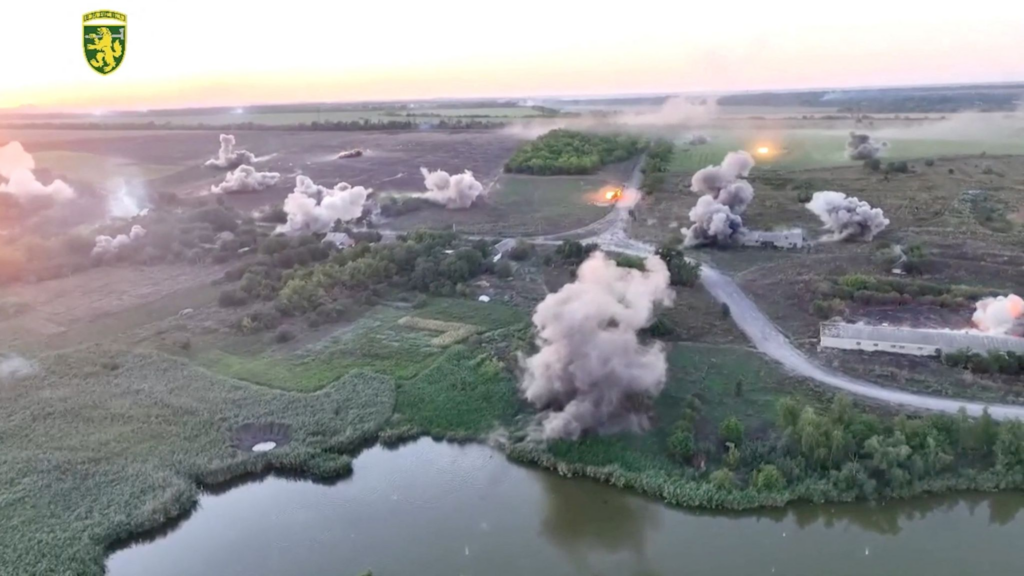
The ongoing Pokrovsk conflict has captured significant attention as it unfolds within the larger context of the Ukraine war. With conflicting reports about whether the city of Pokrovsk has been captured by Russian forces, the situation remains tense and saturated with propaganda. Both Ukrainian and Russian narratives are fiercely competing, and military reports suggest that verifying the truth is becoming increasingly challenging. As the war escalates, Russia appears eager to showcase military successes, creating a volatile information environment. Indeed, updates on war events not only shape public perception but also drive the complexities of conflict, blurring the lines between fact and fabrication.
The clashes surrounding Pokrovsk, a pivotal area in the Ukraine conflict, emphasize the struggle between military power and information warfare. With allegations flying on both sides about territorial control, the accuracy of reports has come under scrutiny. As Russian forces allegedly advance, critics argue that the images and narratives presented are little more than war propaganda aimed at undermining Ukrainian morale. The atmosphere is rife with uncertainties, particularly as concerns grow over how these narratives are crafted and disseminated, particularly in military communications. Observers and analysts are left to navigate through a maze of conflicting information, reflecting the broader challenges of reporting on modern warfare.
The Current State of the Pokrovsk Conflict
As of now, the Pokrovsk conflict remains a focal point in the ongoing Ukraine war. Recent military reports indicate that the situation is fluid, with both sides claiming victories. While Russia asserts that it has secured control over Pokrovsk, Ukraine vehemently disputes these claims, labeling them as war propaganda. This battle for narrative control underscores the complexities of modern warfare, where information dissemination can skew public perception and shape military strategies.
Verification of territorial claims in conflict zones like Pokrovsk is notoriously challenging. An array of factors, including the chaos of battle and the prevalence of misinformation, contribute to the murky understanding of which side holds actual control. As international observers attempt to piece together the truth from fragmented reports, the role of official military communications becomes pronounced, revealing a pattern of selective reporting used by both Ukraine and Russia.
War Propaganda in the Ukraine Conflict
War propaganda plays a critical role in the Ukraine conflict, with both Russia and Ukraine utilizing various media channels to promote their narratives. Each side seeks to galvanize support domestically and internationally, often resorting to bold statements and carefully curated imagery. For example, claims regarding the capture of Pokrovsk may be more about psychological warfare and influencing morale rather than literal battlefield outcomes. This phenomenon complicates the terrain for journalists and analysts striving to deliver unbiased war updates.
The impact of propaganda extends beyond immediate military objectives; it shapes long-term public opinion and policy-making. As soldiers fight on the ground, the narratives surrounding their actions can dictate the resources allocated to their campaigns. Understanding the influence of such propaganda is essential for decoding Russia-Ukraine news and evaluating the veracity of the information that emerges from conflict zones like Pokrovsk.
Analyzing Military Reports from the Frontlines
Military reports from the frontlines provide critical insights into the evolving dynamics of the Ukraine war, particularly in contested regions such as Pokrovsk. Analysts often assess these reports to gauge troop movements, resource allocation, and strategic priorities. However, due to the nature of the conflict, these reports may sometimes reflect the biases of their sources, which can complicate efforts to establish an objective understanding of the situation.
The emphasis on detailed and accurate military reporting is essential, especially during significant confrontations like those surrounding Pokrovsk. With the stakes that high, situational updates become instrumental in informing military strategies and planning for upcoming operations. Nevertheless, the need for caution remains paramount, as verifying the authenticity of each claim amidst the fog of war can be a daunting task for those watching closely.
Impact of Information Warfare on Public Perception
Information warfare has a profound impact on public perception during the Ukraine conflict. As both Russia and Ukraine engage in a battle not only on the battlefield but also in the media landscape, the narratives that emerge can heavily influence how the conflict is perceived globally. For instance, reports claiming the capture of Pokrovsk by Russian forces are met with skepticism by many, as they view such claims through the lens of widespread propaganda efforts.
The struggle for narrative dominance leads to a complicated relationship between conflicting reports and the public’s understanding of the war. This dynamic is exacerbated by the rapid dissemination of information through social media, making it imperative for audiences to critically evaluate the sources and validity of what they consume. In times of conflict, discerning fact from propaganda becomes vital for informed decision-making.
Recent Developments in the Ukraine War
Recent developments in the Ukraine war have intensified, with frontline battles producing a flurry of news updates. The situation in Pokrovsk exemplifies how quickly circumstances can change, drawing immense international attention as both sides attempt to assert control. The increasing frequency of military reports and claims showcases the urgency with which both Ukraine and Russia are responding to recent events, especially amid claims of significant territorial changes.
As the conflict escalates, understanding contemporary dynamics is essential for navigating the complex landscape of Russia-Ukraine news. The situation not only reflects ongoing military engagements but also highlights the broader geopolitical implications that could arise from a protracted conflict. Keeping track of these developments provides critical context for evaluating the potential future trajectories of the war.
The Role of Independent Journalism in War Coverage
Independent journalism plays a pivotal role in war coverage, particularly in conflicts like the one in Ukraine. With state-controlled narratives often dominating the information landscape, freelance reporters and independent media outlets strive to provide unfiltered perspectives from the ground. Their ability to report from areas like Pokrovsk can contribute to a more nuanced understanding of the conflict, balancing out the often propagandistic reports from official sources.
The challenges faced by independent journalists should not be underestimated. Working in war zones presents significant risks, and the battle for a truthful narrative amidst competing interests is fraught with obstacles. However, their contributions are invaluable in supplying context and critical information to the global audience, fostering a more informed public discourse surrounding the realities of the Ukraine war.
Casualties and Humanitarian Impacts of the Ukraine Conflict
The humanitarian impact of the Ukraine conflict is profound, with casualties mounting as battles rage on, particularly in contested regions such as Pokrovsk. The loss of civilian lives and the displacement of communities tell a harrowing story that transcends military triumphs and losses. Each update on casualties serves as a stark reminder of the human cost of war, urging the international community to seek resolutions that prioritize peace and stability.
In light of rising casualties, humanitarian organizations are working tirelessly to provide aid and support to those affected by the war. The escalating needs of displaced families and injured civilians pose significant challenges, requiring coordinated responses from various entities. As reports emerge from the frontlines, the humanitarian crisis underscores the urgent need for diplomatic efforts to halt the violence and begin the rebuilding process.
The Geopolitical Implications of the Ukraine War
The ongoing Ukraine war holds significant geopolitical implications that extend far beyond the borders of the country. The conflict influences relationships among major global powers, shaping alliances and sparking debates around energy security, military assistance, and economic sanctions. The situation in Pokrovsk and other battlegrounds serves as a case study for understanding these larger dynamics, illustrating the interconnectedness of regional and global interests.
As nations observe the unfolding conflict, the implications for international relations become increasingly pronounced. Support for Ukraine from Western allies, coupled with Russia’s aggressive posture, creates a tense geopolitical landscape that can result in long-lasting ramifications. Analyzing these implications reveals essential insights into how modern conflicts can reshape global norms and foreign policy strategies.
The Future of Ukraine-Russia Relations
The future of Ukraine-Russia relations hangs in a delicate balance as the conflict continues to evolve. With both sides firmly entrenched in their positions, prospects for dialogue seem bleak, especially amidst territorial disputes and ongoing military engagements like those seen in Pokrovsk. The entwined histories and cultural ties between the two nations present a complex backdrop for any attempts at reconciliation, suggesting that overcoming past grievances will be a considerable challenge.
Ultimately, the resolution of the Ukraine conflict will hinge on a myriad of factors, including political will, international pressures, and the realities on the battlefield. As military reports and news updates continue to flow, observers will be keenly watching for indicators of potential peace initiatives. A sustained commitment to dialogue and compromise will be crucial in shaping the post-conflict landscape and determining the future of Ukraine-Russia relations.
Frequently Asked Questions
What is the current status of the Pokrovsk conflict in the Ukraine war updates?
As of now, the status of the Pokrovsk conflict remains contentious. Reports suggest claims of Russian capture of Pokrovsk, yet Ukrainians assert that these are misleading and part of a war propaganda strategy. This ongoing situation is complicated by conflicting military reports from both sides.
Are the reports that Pokrovsk has been captured reliable according to military reports?
Military reports regarding the Pokrovsk conflict indicate significant discrepancies. While some sources claim that Russian forces have taken control, Ukrainian officials argue that the images and reports are exaggerated for propaganda purposes, making it challenging to verify the actual situation on the ground.
How has the media coverage affected the Pokrovsk conflict narrative?
Media coverage of the Pokrovsk conflict is heavily influenced by wartime propaganda. The disparity between Russia and Ukraine’s narratives complicates the information landscape, with both sides presenting filtered updates that can obscure the truth regarding the situation in Pokrovsk.
What are the implications of the Pokrovsk captured news on the broader Russia Ukraine news?
The implications of news about Pokrovsk being captured are significant for broader Russia Ukraine news. It highlights ongoing tensions and the strategic importance of territorial claims that both Russia and Ukraine continue to assert, impacting public perception and military strategy in the ongoing conflict.
How does war propaganda play a role in the reports about the Pokrovsk conflict?
War propaganda plays a crucial role in shaping perceptions and narratives about the Pokrovsk conflict. Both Russian and Ukrainian reports often serve specific agendas, leading to heightened confusion among observers as each side presents information that supports its military and political goals.
| Key Points |
|---|
| Russia is attempting to make significant advancements at the front lines. |
| WELT editor Carsten Hädler investigates the purported capture of Pokrovsk. |
| Ukrainians assert that the images and reports from Pokrovsk are propaganda. |
| War reporting is heavily filtered and influenced in both Russia and Ukraine. |
| Claims from both sides complicate the verification of the situation on the ground. |
| A video depicting the on-site conditions is included in the report. |
Summary
The Pokrovsk conflict remains a contentious and evolving issue, with conflicting reports about the situation on the ground. As both Russia and Ukraine present narratives that may be influenced by propaganda, discerning the reality in Pokrovsk is increasingly challenging. The ongoing information war complicates the understanding of true developments in this region, underscoring the need for cautious interpretation of media reports.

