
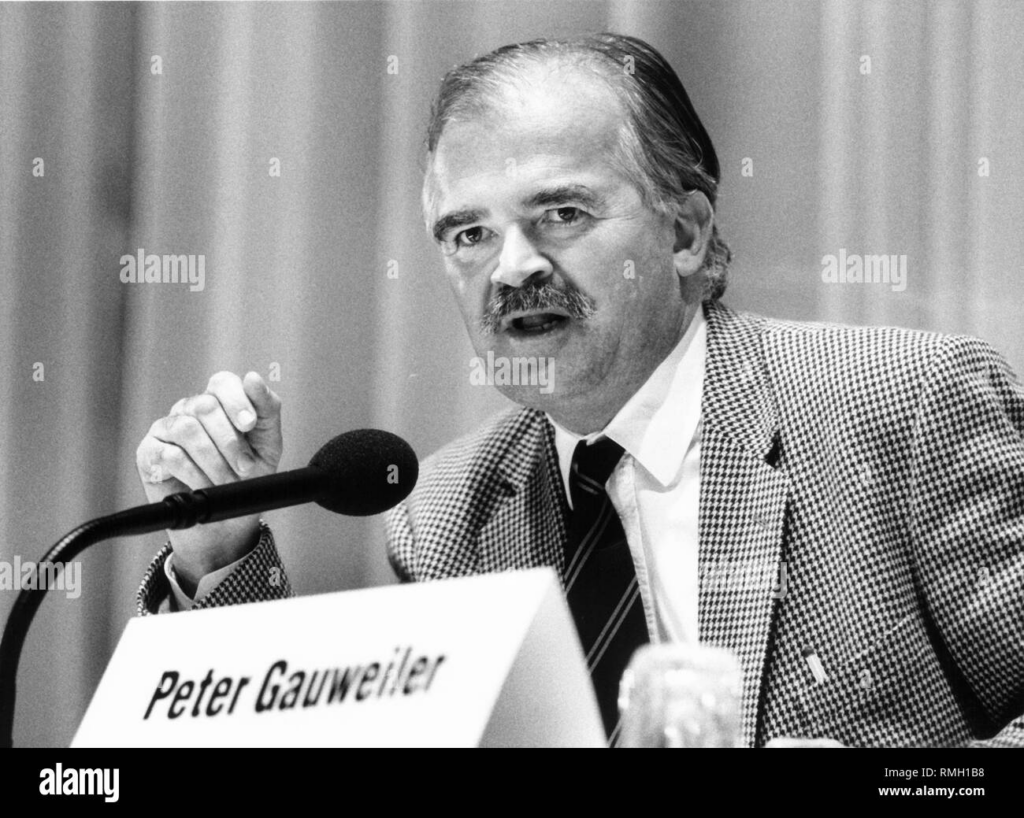
Peter Gauweiler, a prominent former State Minister, has made headlines with his bold criticism of the recent disruptions at the founding congress of the AfD youth. He views these attacks as a serious threat to the essential principles of freedom of assembly, opinion, and organization. In his statement, Gauweiler emphasized that every registered congress deserves protection from violent opposition, likening the situation to a troubling form of lynch mob mentality. His stance highlights the growing concerns surrounding political criticism and the rights of organizations to exist without fear of intimidation. As society grapples with these challenges, Gauweiler’s insights serve as a vital reminder of the values that underpin democratic discourse and the importance of safeguarding these freedoms.
In light of recent events, discussions around the ideals of free assembly and political expression have taken center stage. The dissent faced by youth political organizations like AfD reflects broader issues in contemporary governance and civil rights. Commentators have voiced their opinions on these matters, stressing the significance of unfettered dialogue and diverse viewpoints. The recent negative reactions toward youth engagement in politics underscore the delicate balance between criticism and the right to organize. Gauweiler’s remarks, which spotlight the necessity of protecting these freedoms, resonate deeply in today’s politically charged environment.
Peter Gauweiler’s Critique of the AfD Youth Congress Attacks
Peter Gauweiler has voiced substantial concern regarding the backlash faced by the founding congress of the Alternative for Germany (AfD) youth, characterizing these attacks as a dire threat to fundamental democratic rights. He underscores that the freedom of assembly is not merely a legal right, but a cornerstone of political expression essential for the functioning of democracy. The recent events at the youth congress highlight a troubling trend where organized protests can threaten legitimate gatherings, pushing ethical boundaries and undermining civil discourse.
In his statement, Gauweiler asserts that the actions of dissenting groups resemble a ‘lynch mob’ mentality, entailing a dangerous disregard for lawful assembly. This scenario raises critical questions about how society navigates political criticism while maintaining respect for differing views. Gauweiler promotes a dialogue that celebrates diversity and debate rather than resorting to intimidation, advocating that there must be a concerted effort to protect the integrity of such organizations as the AfD youth.
The Importance of Freedom of Assembly in Politics
The freedom of assembly is a fundamental democratic principle that enables individuals and organizations to express their opinions collectively without fear of repression. This right allows political parties and movements to gather support and advocate for their beliefs, as seen with the AfD youth congress. When this freedom is jeopardized by protests that aim to disrupt or cancel such events, it poses significant risks to the democratic framework, which thrives on the vitality of diverse political criticism.
Moreover, the atmosphere surrounding political gatherings has become increasingly polarized, where the ideology of organizations is often met with hostility rather than constructive dialogue. It is imperative for political entities, including youth organizations, to operate within a safe space where opinions can be voiced and debated. Respecting freedom of assembly is essential not only for the AfD youth but also for the health of the entire political landscape, reinforcing the idea that differing views can coexist and contribute to a vibrant democracy.
Navigating Political Criticism and Organizing Efforts
Political criticism is a natural component of any democracy but must be balanced with the right to organize peacefully. The challenges faced by the AfD youth highlight the complexities of contemporary political engagement, where organizing efforts can attract both supporters and adversaries. Understanding how to navigate this terrain is crucial for the effectiveness of political entities. Constructive criticism should aim to improve and refine policies rather than dismantle the channels through which they are discussed.
In this environment, organizations like the AfD youth must be resilient and strategic in their approach to mobilizing members while respecting the rights of others to protest. Balancing these dynamics requires a commitment to dialogue and mutual respect, ensuring that political discourse can flourish without infringing upon the rights of assembly and expression. Ultimately, successful navigation of these challenges will strengthen the political landscape, leading to more robust debate and inclusive decision-making.
The Role of Statements in Political Discourse
Statements made by figures like Peter Gauweiler play a significant role in shaping public discourse around political issues. His remarks regarding the AfD youth congress reflect a broader concern about the suppression of diverse political opinions in society. By publicly defending the rights of these young politicians to gather and express their views, Gauweiler emphasizes the need for a culture that values freedom of speech and assembly as prerequisites for a healthy democracy.
Moreover, such statements can serve to rally support for threatened organizations, lending them legitimacy and visibility in often hostile political climates. They can provoke important conversations among constituents regarding what it means to uphold democratic principles in the face of opposition. Gauweiler’s stance not only aligns with international human rights standards but also encourages a reconsideration of how political criticism is expressed and received in modern governance.
The Significance of Political Organizations in Youth Engagement
Political organizations, especially those tailored for youth, play a vital role in engaging younger generations in the political process. The AfD youth, as an emerging political group, fosters an environment where young individuals can voice their concerns and influence policy discussions. This participation is crucial not just for the organization but for the broader democratic process, as young voices can bring fresh ideas and perspectives that challenge the status quo.
Encouraging youth involvement through organized groups like the AfD youth is essential in cultivating informed future leaders. It enables young people to learn about governance, develop their political judgment, and engage with their peers on critical issues. The protection of these organizations from external pressures and hostility is paramount; they must be allowed to grow and develop independently to ensure that future generations remain actively engaged in shaping the political landscape.
Freedom of Expression and Its Challenges
Freedom of expression is a fundamental tenet of democratic societies, yet it often encounters challenges, particularly in politically charged contexts. The recent events surrounding the AfD youth congress serve as a stark reminder of the tensions that can arise when diverse opinions collide. Gauweiler’s critique underscores the importance of not only allowing expression but protecting those who seek to engage in the political process, regardless of differing viewpoints.
Navigating these challenges requires a commitment to fostering an environment where free speech is not only tolerated but celebrated. Political organizations must advocate for the rights of all individuals to express their beliefs without fear of retribution or violence. Upholding these principles is essential for ensuring that all voices, including those of young political activists, can contribute meaningfully to societal debates and discussions.
Promoting Civil Discourse in Political Spaces
In light of recent events, promoting civil discourse within political spaces has never been more critical. The confrontations surrounding the AfD youth congress illustrate the urgent need for constructive communication that transcends conflict. Ensuring that discourse remains respectful and focused on substantive issues encourages cooperation and understanding, ultimately enriching the political climate.
Encouraging respectful debate helps establish a culture where individuals feel comfortable expressing their thoughts, leading to richer political engagement. Organizations like the AfD youth must lead by example, advocating for productive discussions that welcome criticism while also emphasizing mutual respect. This approach not only strengthens their mission but also contributes to a healthier democratic process where all opinions are valued.
The Future of Political Youth Organizations
The future of political youth organizations like the AfD youth hinges on their ability to adapt and respond to the evolving political landscape. As society grapples with growing polarization, these organizations must remain proactive in fostering environments conducive to debate and dialogue. By embracing a stance of inclusivity and resilience, they can better equip themselves to face challenges while championing the rights of their members.
As they look toward the future, political youth organizations must also commit to continuous learning and advocacy work. The experiences and insights gained from navigating adversities will empower them to develop stronger strategies for engagement and activism. This ongoing evolution is vital not only for sustaining their relevance but also for inspiring a new generation of leaders who will contribute to shaping meaningful political change.
Conclusion: Safeguarding Democratic Principles
In light of the attacks on the AfD youth congress, it is imperative to reaffirm and safeguard the democratic principles of freedom of assembly, opinion, and organization. The insights and critiques from political figures like Peter Gauweiler serve as catalysts for preserving these values amidst rising tensions. Safeguarding democracy is a collective responsibility that requires active participation from all sectors of society.
Moving forward, it is essential for the political community to engage in meaningful discussions about the importance of these liberties. Practices that encourage respectful disagreement and dialogue between differing viewpoints can fortify democratic principles. Maintaining an unwavering commitment to these ideals is crucial for ensuring that all voices can be heard, fostering a political culture where freedom prevails and diverse opinions thrive.
Frequently Asked Questions
What is Peter Gauweiler’s position on the AfD youth congress?
Peter Gauweiler, a former State Minister, expressed strong criticism regarding the attacks on the AfD youth congress, viewing them as an infringement on the freedom of assembly and the right to free political expression.
How did Peter Gauweiler describe the disruption of the AfD youth congress?
Peter Gauweiler stated that the attacks on the AfD youth congress amounted to a ‘kind of lynch mob’ mentality, emphasizing the importance of protecting the freedom of organization and expression for political groups.
Why does Peter Gauweiler believe in the importance of the freedom of assembly?
According to Peter Gauweiler, the freedom of assembly is a fundamental right that should be upheld, allowing all political entities, including the AfD youth, to gather without fear of disruption or violence.
What implications does Peter Gauweiler’s statement have for political criticism in Germany?
Peter Gauweiler’s statement highlights the challenges faced by political entities like the AfD youth in exercising their rights to opinion and organization, indicating a need for robust protection of democratic processes against political intimidation.
How does Peter Gauweiler’s view relate to broader issues of political expression?
Peter Gauweiler’s defense of the AfD youth congress underscores a critical stance on protecting political expression and assembly, suggesting that all voices in the political sphere deserve respect and protection regardless of their affiliations.
| Key Points |
|---|
| Peter Gauweiler’s Role as Former State Minister |
| Criticism of Attacks on AfD Youth Founding Congress |
| Protection of Freedom of Assembly, Opinion, and Organization |
| Condemnation of Violence Against Political Gatherings |
Summary
Peter Gauweiler stands firm in his defense of democratic values, emphasizing that recent attacks on the AfD youth’s founding congress represent a threat to the fundamental freedoms of assembly, opinion, and organization in our society. He argues that the congress, being properly registered, should not be subjected to disruption by violent protestors. Gauweiler’s remarks highlight the importance of protecting political discourse and the rights of organizations to assemble without fear of intimidation.

