
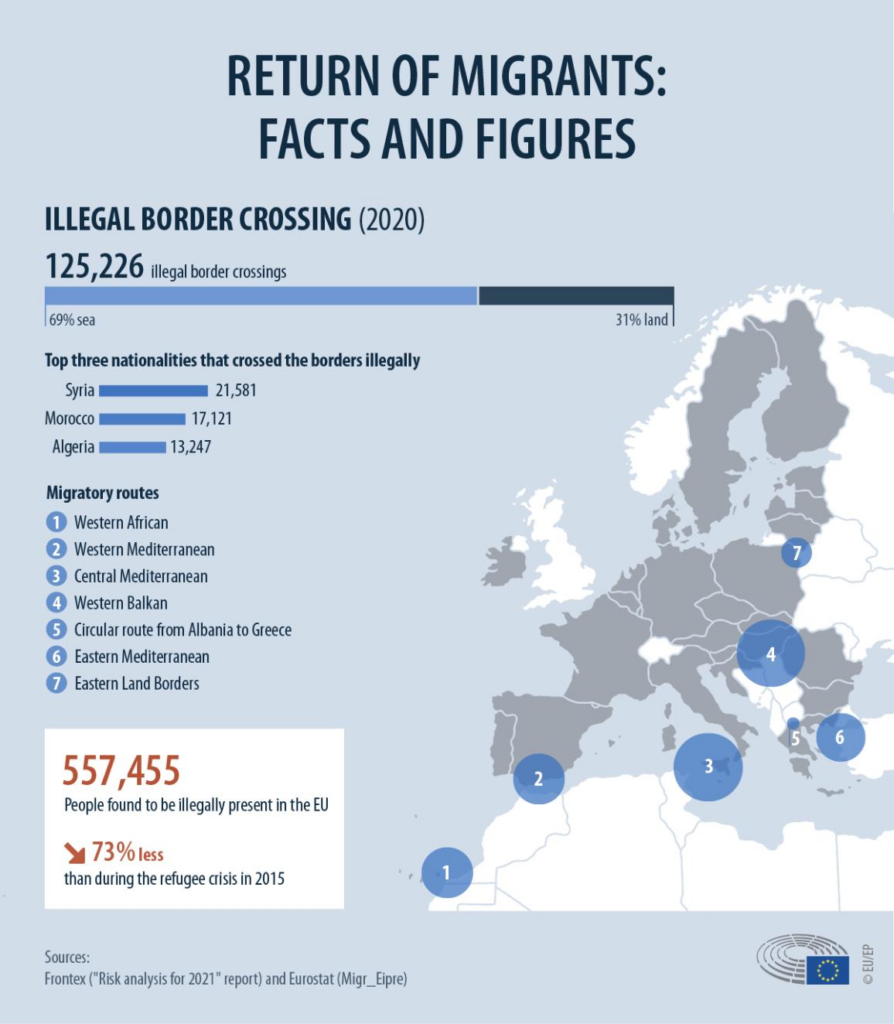
European migration policy is at a pivotal juncture as Federal Interior Minister Alexander Dobrindt and Denmark’s Integration Minister Rasmus Stoklund advocate for a decisive migration turnaround in Europe. Their recent meeting highlighted the urgent need for enhanced asylum legislation and robust EU migration cooperation to manage the complexities of migration effectively. By implementing stricter measures, the ministers aim to foster greater public acceptance of migration policies while addressing the challenges that arise. The collaborative efforts between Germany and Denmark underscore a broader commitment to creating a uniform migration framework that prioritizes both humanitarian principles and national safety. As the dialogue continues, the Dobrindt Stoklund statement serves as a call to action for European nations to collectively navigate the pressing issues surrounding migration.
The discourse around migration management in Europe is increasingly vital, particularly as leaders like Dobrindt and Stoklund push for a substantial reform in national and regional policies. As discussions unfold about the migration turnaround, countries are urged to enhance their asylum regulations and work closely together within the EU framework. This approach not only addresses migration flows but also emphasizes the integration of newcomers into society while ensuring that safety and public interests are upheld. Initiatives under this broad umbrella aim to strike a balance between compassion for those seeking refuge and the need for effective governance. Such conversations highlight the importance of solidarity among European nations as they confront the multifaceted aspects of migration.
Strengthening the European Migration Policy
The meeting between Alexander Dobrindt and Rasmus Stoklund marks a critical point in the ongoing discussion surrounding the European migration policy. Both ministers have reiterated the importance of implementing a tougher stance on migration to address the challenges facing Europe today. They believe that a comprehensive approach, combining stringent asylum legislation with practical migration controls, is essential for the success of the migration turnaround in Europe. As various European nations face increased public scrutiny over immigration, the need for clear and enforceable legislative measures is more pressing than ever.
Furthermore, the dialogue between Germany and Denmark highlights the urgency of creating a cohesive migration framework within the EU. This involves not only stricter national policies but also enhanced cooperation among EU member states to ensure that migration is managed effectively. The ministers’ commitment to fostering collaboration is a step towards mitigating public concerns and reinforcing the sense of security within communities, thus contributing to a more stable European landscape.
The Role of Asylum Legislation in Migration Turnaround
Asylum legislation plays a pivotal role in the European migration policy framework, particularly in the context of recent discussions led by Dobrindt and Stoklund. The ministers emphasize that reinforcing asylum processes is essential to balance humanitarian responsibilities with public safety. With the ongoing migration waves, refining these legal structures will not only facilitate better processing of asylum applications but also help restore public confidence in the system. By tightening regulations and setting clear guidelines, both countries aim to achieve a migration turnaround that is both responsible and effective.
In addition, the focus on asylum legislation also signals a shift towards prioritizing those genuinely in need while distinguishing them from economic migrants. This aspect is crucial in shaping public opinion and garnering support for migration initiatives across EU countries. Implementing robust asylum policies will not only protect vulnerable individuals but also promote a sense of order and stability that many citizens seek in their national contexts.
Denmark’s Migration Policy: A Model for Europe?
Denmark’s migration policy has often been viewed with scrutiny and, at times, admiration from other European nations. Under the leadership of Minister Stoklund, Denmark has pursued a proactive approach to migration management, focusing on integration while ensuring national security. Dobrindt has acknowledged that the unique aspects of Denmark’s policy could serve as a potential model for wider European implementation. Their collaboration suggests a willingness to share best practices that could inform a more unified and effective European migration policy.
Moreover, Denmark’s experience offers valuable insights into the balance between strict immigration controls and humanitarian obligations. By fostering a cooperative approach, Denmark and Germany hope to pave the way for broader EU policies that reflect both countries’ commitment to managing migration effectively while upholding human rights. This model could enhance the EU’s credibility and efficacy in handling migration issues, ultimately supporting the desired migration turnaround in Europe.
EU Migration Cooperation: Challenges and Solutions
The call for stronger EU migration cooperation is echoed in the statements made by Dobrindt and Stoklund, who recognize the need for a unified response to the influx of migrants. One of the primary challenges facing the European Union is the disparate policies among member states, which can exacerbate migration pressures and complicate efforts to achieve a cohesive strategy. By advocating for enhanced collaboration, the ministers aim to create a more synchronized approach that effectively addresses migration flows across borders.
To facilitate this cooperation, the countries are exploring various solutions, including joint operations and shared resources. This not only involves addressing immediate migration issues but also extends to long-term strategies aimed at fostering stability in regions where migrants originate. Dobrindt and Stoklund’s shared vision reflects a commitment to face these challenges head-on, fostering an environment of solidarity that can lead to meaningful reform in EU migration policy.
Public Acceptance of Migration Policies
A crucial aspect of implementing a successful migration turnaround in Europe is the public’s acceptance of new policies. Dobrindt and Stoklund have both recognized that for their strategies to be viable, they must resonate with the citizens who will be affected by these changes. Increased public acceptance can be achieved through transparent communication and community engagement, which aims to inform and educate the public about the benefits and necessities of effective migration management.
Moreover, fostering public acceptance also involves addressing the concerns and misconceptions surrounding migration. Governments must work to create a narrative that emphasizes the positive contributions migrants bring to society while also ensuring that their rights and safety are prioritized. By addressing these aspects, leaders can cultivate an environment of understanding and support for the migration policies being proposed.
The Importance of Integration Measures
Effective integration measures are essential for realizing the objectives of a robust migration policy, as highlighted by the discussions between Dobrindt and Stoklund. Integration is a two-way street; it not only requires effort from migrants to adapt to their new environment but also necessitates that host countries facilitate this process. Implementing comprehensive integration programs can significantly improve public perception of migration and mitigate social tensions.
Furthermore, successful integration has long-term benefits that extend beyond immediate policy goals. It fosters social cohesion, empowers migrants to contribute to the economy, and enhances cultural exchange. As Europe seeks to navigate the complexities of migration, strengthening integration measures will prove vital in achieving a sustainable and harmonious society that values diversity.
Lessons from the Dobrindt Stoklund Statement
The collaborative statement made by Dobrindt and Stoklund serves as a pivotal moment in shaping future European migration policy. By outlining their commitment to a tougher stance on migration and emphasizing the importance of cooperation, both ministers highlight the necessity for EU nations to come together to confront shared challenges. Their constructive dialogue signals a potential shift towards more coherent and actionable migration frameworks across Europe, addressing both security and humanitarian concerns.
This statement acts as a template for other EU member states to consider how they can align their policies with the broader goals of migration management and integration. It underscores the importance of solidarity and shared responsibility within the EU, encouraging member states to join forces rather than retreat into isolationist policies. The Dobrindt Stoklund conversation illustrates that through collaboration and mutual understanding, Europe can navigate the complexities of migration more effectively.
Fostering a Common European Framework for Migration
The discussion between the German and Danish ministers emphasizes the necessity of establishing a common European framework for migration that harmonizes national policies with the overarching EU objectives. To achieve this, there is a need for collaborative frameworks that will facilitate seamless communication and coordination among member states. The success of this endeavor hinges on mutual respect, understanding, and aligning national interests with the collective goals of the EU.
Implementing a common framework would address discrepancies in how different nations handle migration, thereby promoting equity and fairness. It can also help to streamline processes for refugees and migrants, ensuring that their rights are recognized and upheld across Europe. The shared vision articulated by Dobrindt and Stoklund could very well set a precedent for how the EU approaches migration moving forward, fostering a more cohesive and comprehensive policy landscape.
The Future of Migration in Europe
As Europe continues to grapple with the multifaceted challenges of migration, the future will depend on the ability of leaders like Dobrindt and Stoklund to implement their proposed solutions effectively. Ongoing dialogues and initiatives will be necessary to ensure that the migration turnaround in Europe is not just an aspiration but a reality. The shifting political landscape necessitates flexibility and adaptability among European countries as they seek to reform their policies while addressing the diverse needs of migrants and host communities.
In conclusion, the future of migration in Europe is contingent upon the commitment of its leaders to create inclusive and humane policies. Encouraging solidarity among member states and prioritizing integration measures will be essential to achieving the desired outcomes. Through combined efforts and shared responsibility, Europe can build a migration framework that balances security, public safety, and humanitarian care, defining the continent’s approach to migration for years to come.
Frequently Asked Questions
What is the significance of the Dobrindt Stoklund statement on European migration policy?
The Dobrindt Stoklund statement is significant as it reflects a strong commitment from both Germany and Denmark to revise European migration policy. The ministers emphasize the need for a migration turnaround in Europe, aiming for more stringent measures to regulate migration flows while ensuring public safety and promoting better integration of migrants.
How does the migration turnaround in Europe affect asylum legislation?
The migration turnaround in Europe directly impacts asylum legislation by advocating for stronger regulations and criteria for asylum seekers. This initiative, highlighted by Dobrindt and Stoklund, aims to create a more uniform European framework that balances humanitarian concerns with the need to control migration effectively.
What are the key components of Denmark’s migration policy in relation to EU migration cooperation?
Denmark’s migration policy is focused on strengthening border controls and enhancing cooperation within the EU. By collaborating with other European countries, Denmark aims to ensure that migration flows are managed more effectively, in line with the broader objectives of the EU migration cooperation framework, as articulated by Dobrindt and Stoklund.
What specific measures are proposed to enhance EU migration cooperation?
The measures proposed to enhance EU migration cooperation include improving coordination among member states on asylum processes, increasing support for migrants’ integration, and implementing stricter border policies. These actions, discussed by Dobrindt and Stoklund, are seen as essential for achieving a successful migration turnaround in Europe.
What challenges do Dobrindt and Stoklund identify regarding European migration policy?
Dobrindt and Stoklund identify several challenges regarding European migration policy, including public resistance to high migration rates and the difficulties in integrating migrants effectively. Their joint statement stresses the need for responsible measures to address these issues while ensuring safety and maintaining humanitarian standards in Europe.
| Key Points | Details |
|---|---|
| Migration Turnaround | Dobrindt and Stoklund aim to decisively implement a change in European migration policy. |
| Tougher Policy | Emphasis on the necessity for stricter migration regulations and public acceptance. |
| Asylum Legislation | Advocacy for stronger asylum laws and improved EU cooperation. |
| Integration Responsibility | Call for promoting integration while ensuring safety in member countries. |
| Optimism in Measures | Both ministers express hope for the effectiveness of the proposed measures. |
| Uniform Framework | Efforts to create a consistent migration policy framework across Europe. |
Summary
European migration policy is crucial as highlighted by Federal Interior Minister Alexander Dobrindt and Denmark’s Integration Minister Rasmus Stoklund in their recent discussions. They are focusing on implementing a decisive migration turnaround in Europe, calling for tougher regulations and the development of a unified framework to address the challenges of migration. Their initiative prioritizes enhancing asylum legislation and fostering cooperation among EU member states to promote integration while ensuring public safety. Both ministers exhibit optimism regarding the measures agreed upon, indicating a collaborative approach that respects humanitarian aspects. This indicates a significant shift towards more coordinated and effective European migration governance.

