
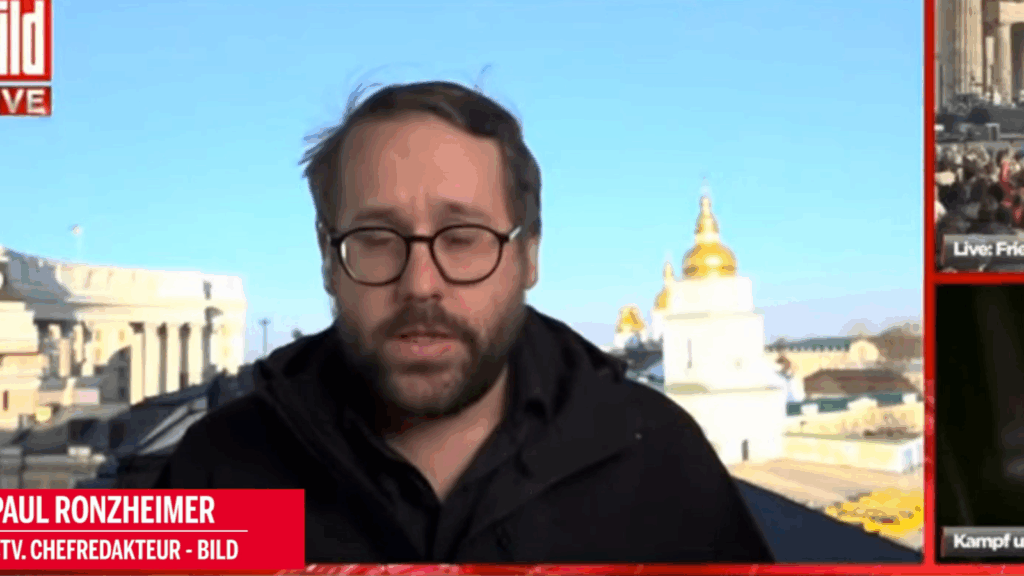
The recent Paul Ronzheimer protest attack during a demonstration in Gießen has raised significant concerns about media safety during protests and the state of press freedom in democracy. As the deputy editor-in-chief of “Bild,” Ronzheimer faced a hostile crowd protesting against the re-establishment of the AfD youth organization. Witnesses described the scene as “absolutely aggressive,” with Ronzheimer recalling an atmosphere charged with chants of “Nazis out” directed at him and his team. Despite the presence of police who ensured their physical safety, the incident highlights the precarious nature of journalists operating in such tense environments. Hessen Interior Minister Roman Poseck condemned the attack, reinforcing the critical need for safeguarding journalistic integrity amidst growing tensions surrounding political dissent.
The violent incident involving Paul Ronzheimer has ignited discussions about the vulnerabilities of journalists covering high-stakes protests, particularly those linked to political groups such as the AfD youth organization. Ronzheimer, a prominent figure in German media, faced unruly demonstrators while documenting the event, which has intensified scrutiny over the intersection of media operations and public demonstrations. With the atmosphere on-site described as “charged” and confrontational, the implications for press freedom in a democratic society have come into sharp focus. Moreover, the response from law enforcement amid escalating tensions underscores the challenges of maintaining order while protecting journalists. As media safety during protests becomes increasingly critical, this incident serves as a reminder of the urgent need for greater protections and respect for the press.
The Attack on Paul Ronzheimer During Protest Against the AfD Youth Organization
Paul Ronzheimer, the deputy editor-in-chief of “Bild,” found himself at the center of a chaotic protest in Gießen, where tensions flared over the re-establishment of the AfD youth organization. During this protest, which was intended to be a documentary shoot, Ronzheimer faced an unexpected and aggressive confrontation from the crowd. Witnesses described the atmosphere as intensely hostile, exacerbated by inflammatory rhetoric transmitted via loudspeakers that incited the demonstrators against Ronzheimer’s media presence.
As Ronzheimer and his team attempted to document the event, they were ensnared in a hostile environment where communication was nearly impossible. The protesters directed aggressive chants towards them, labeling them as ‘Nazis’ and fueling an already volatile situation. The display of aggression not only endangered Ronzheimer and his crew but also raised significant concerns about media safety during protests. Such occurrences underscore a troubling trend regarding the treatment of journalists during civilian protests, which can jeopardize press freedom.
Press Freedom Challenges Highlighted by Recent Demonstrations
The recent attack on Paul Ronzheimer has sparked an important conversation about press freedom in democracy, especially in light of increasing hostility towards journalists. When media representatives like Ronzheimer are threatened at public events, it raises alarms about the fundamental right to report and inform the public about significant socio-political issues. Freedom of the press is a cornerstone of democracy, yet attacks against journalists reveal a worrying trajectory, where misinformation and incitement can incite violence against the very individuals tasked with shedding light on critical events.
Hessen Interior Minister Roman Poseck echoed this sentiment, expressing his disappointment regarding the threat to media personnel during such protests. His comments reflect a broader concern about the implications of these confrontations, especially regarding how they can deter journalists from fulfilling their responsibilities. Moreover, the fact that over 50 police officers were injured during these confrontations emphasizes the extended impact of such protests beyond just the media, affecting law enforcement and public safety as a whole.
The Role of Law Enforcement in Protecting Journalists During Protests
In the aftermath of the aggressive protest that Paul Ronzheimer faced, the role of police in safeguarding journalists has come into sharp focus. The police offered Ronzheimer and his team a choice between escorted safety or a ban from the area, a testament to their commitment to ensuring their safety amid chaos. This incident highlights the broader responsibilities that law enforcement officials hold during public demonstrations, particularly regarding the protection of media personnel, who are vital for reporting on issues of public concern.
Pressed by the need for media safety during protests, effective crowd management becomes crucial. The incident involving Ronzheimer serves as a reminder of the complexity of policing during high-tension events. The fact that many officers were injured underscores the violence that can erupt and the importance of having measures in place to keep both journalists and the police safe. It is a delicate balance to maintain, illustrating the challenges faced during protests where differing viewpoints clash dramatically.
Impact of Protest Atmospheres on Media Coverage
The aggressive atmosphere at the protest against the AfD youth organization has significant implications for media coverage, as seen in Paul Ronzheimer’s experience. When journalists are met with resistance, their ability to report accurately and impartially may be compromised. The fear of violence can lead to self-censorship, where reporters may hesitate to cover certain events or perspectives for fear of reprisal. This atmosphere not only affects individual journalists but can also hinder public access to balanced and comprehensive news coverage.
Moreover, the public’s perception of the media can be skewed in these charged environments. When the press becomes a target, it shifts focus away from the issues being protested, reducing the space for rational debate. Ronzheimer’s experience highlights how confrontational protests can distort the narrative and result in a media landscape where sensationalism overshadows factual reporting. Thus, understanding the dynamics of protest atmospheres is crucial for fostering a healthy democratic discourse.
Chants and Rhetoric: Influencing Public Sentiment
During the protest in Gießen, the chants against Paul Ronzheimer and his team reflected a growing trend of using rhetoric as a weapon against journalists. These potent words not only energized the crowd but also created an intense, hostile atmosphere that directly impacted the events unfolding. Chants like “Nazis out” serve to dehumanize, turning the focus away from productive discourse to inflammatory labeling, which can escalate tensions and lead to violence.
The implications of such rhetoric extend beyond individual protests; they can shape public sentiment towards the media and certain political ideologies. The use of provocative language can polarize communities and create cultural divides where healthy dialogue is stifled. Understanding how these dynamics play out in protests is vital for recognizing their impact on media coverage and public perception, ultimately affecting the integrity of democratic processes.
State Response to Protest Violence: A Call for Accountability
The response from state officials, particularly Hessen’s Interior Minister Roman Poseck, to the violent protest underscores the need for accountability in managing public demonstrations. Poseck’s condemnation of the attack against the media not only champions press freedom but also reflects a commitment to uphold democratic values amidst rising tensions in political discourse. Ensuring that law enforcement takes proactive measures to protect journalists is critical in reinforcing the importance of free expression in society.
Moreover, the state’s accountability in such scenarios speaks volumes about its dedication to safeguarding civic rights. The presence of police and their actions during the protest are crucial factors in determining whether public discourse can remain healthy and informed. As seen in Ronzheimer’s case, a lack of actionable protection can have chilling effects not just on the press, but on civil society at large, where fear stifles openness and critical debate.
The AfD Youth Organization’s Controversial Role in German Politics
The re-establishment of the AfD youth organization has stirred significant controversy within German politics, igniting protests and public backlash. As the party attempts to reclaim a space among younger voters, its policies and rhetoric have drawn lines in the sand among varying ideologies. This division was vividly illustrated by the protests against Paul Ronzheimer, where tensions escalated rapidly due to the perceived threat the party poses to democratic values in Germany.
The protests signify broader societal concerns about the normalization of far-right ideologies and their impact on democracy. Debates about the AfD youth organization highlight the critical need for discussions surrounding civil rights, national identity, and the responsibilities of political parties in a democratic state. Furthermore, the backlash against the media during these protests can be seen as a desperate attempt to suppress dissenting views, reinforcing the urgency for robust protections for journalists.
Media Ethics in Reporting Politically Charged Protests
In politically charged atmospheres like the protests against the AfD youth organization, media ethics become increasingly significant. Journalists, including Paul Ronzheimer, find themselves navigating complex narratives where neutrality can be perceived as complicity. Ethical guidelines urge reporters to document events without bias, yet pressures from both crowds and political entities complicate this mission. The responsibility to report accurately while maintaining personal safety is a weighty challenge in such hostile environments.
Moreover, ethical considerations extend to the representation of protests in media coverage. How events are framed can shape public perception and influence political discourse significantly. A nuanced understanding of the protest dynamics is necessary for journalists to convey the multifaceted nature of these events, which can include voices from both sides of the ideological spectrum. Ultimately, upholding media ethics during protests is crucial for fostering a well-informed public and protecting democratic values.
Future of Press Freedom in the Context of Civil Unrest
As civil unrest grows in intensity and frequency, the future of press freedom faces unprecedented challenges. The attack on Paul Ronzheimer embodies the risks that journalists may encounter when covering politically charged protests. An increasing willingness to confront the media reflects a broader societal struggle to reconcile differing political ideologies. The implications of such confrontations extend beyond individual incidents, threatening the core principle of freedom of the press in democracies.
Without a secure environment for journalists, the flow of information is stifled, which can lead to a less informed public and a manipulated narrative around critical issues. Initiatives reinforcing the protection and rights of journalists are essential to ensure that they can operate freely and safely. In the evolving landscape of political protests, safeguarding press freedom is paramount for ensuring that a diversity of viewpoints is heard and promoted in public discourse.
Frequently Asked Questions
What happened during the Paul Ronzheimer protest attack in Gießen?
During the Paul Ronzheimer protest attack in Gießen, the deputy editor-in-chief of the ‘Bild’ newspaper faced a hostile crowd during a protest against the re-establishment of the AfD youth organization. Ronzheimer and his team were aggressively confronted, leading to a tense situation where they were cornered and yelled at, and subsequently required police intervention for their safety.
How did the AfD youth organization’s protest contribute to the Paul Ronzheimer protest attack?
The protest against the AfD youth organization served as the backdrop for the Paul Ronzheimer protest attack. Ronzheimer was documenting the event when protesters, influenced by calls over a loudspeaker, turned aggressive, leading to chants and hostility directed towards him and his team. This incident highlights the charged atmosphere surrounding political protests in Germany.
What issues related to press freedom in democracy were raised during the Paul Ronzheimer protest attack?
The Paul Ronzheimer protest attack raised significant issues concerning press freedom in democracy, particularly regarding the safety of journalists during politically charged protests. Hessen’s Interior Minister Roman Poseck condemned the violence against Ronzheimer’s media team, emphasizing that a free press is vital for democratic society, especially during protests.
What was the police response to the Paul Ronzheimer protest attack?
Following the Paul Ronzheimer protest attack, police intervened to ensure the safety of Ronzheimer and his team, offering them a choice between police escort and being banned from the area. This action underscores the challenges of maintaining media safety during protests, especially when counter-protests are involved, which led to numerous injuries among police.
How many police officers were injured during the protests related to the Paul Ronzheimer protest attack?
During the counter-protests linked to the Paul Ronzheimer protest attack, more than 50 police officers sustained injuries. Thankfully, none of the injuries were serious, but this incident reveals the heightened tensions and dangers that arise during such politically charged demonstrations.
What did Hessen’s Interior Minister say about the Paul Ronzheimer protest attack?
Hessen’s Interior Minister Roman Poseck expressed his dismay over the Paul Ronzheimer protest attack, highlighting the importance of protecting journalists and ensuring press freedom in democracy. He condemned the aggression faced by Ronzheimer and his team, reiterating the need for safe environments for media representatives during protests.
| Key Point | Details |
|---|---|
| Incident Overview | Paul Ronzheimer attacked during a protest in Gießen. |
| Nature of the Protest | Protest against the re-establishment of the AfD youth organization. |
| Atmosphere | Described as “absolutely aggressive” by Ronzheimer. |
| Police Involvement | Offered escort to safety or risk ban from the area. |
| Response from Officials | Hessen’s Interior Minister condemned the attack and emphasized press freedom. |
| Injuries | Over 50 police officers injured, but no serious injuries reported. |
Summary
The Paul Ronzheimer protest attack highlights a troubling incident where the deputy editor-in-chief of “Bild” faced severe aggression while documenting a protest against the resurgence of an AfD youth organization. The attack underscores the increasingly hostile environment for journalists and the complexities surrounding freedom of the press in current socio-political climates. With police reports indicating injuries among law enforcement, the incident raises critical questions about public safety and the tolerance levels during protests.

