
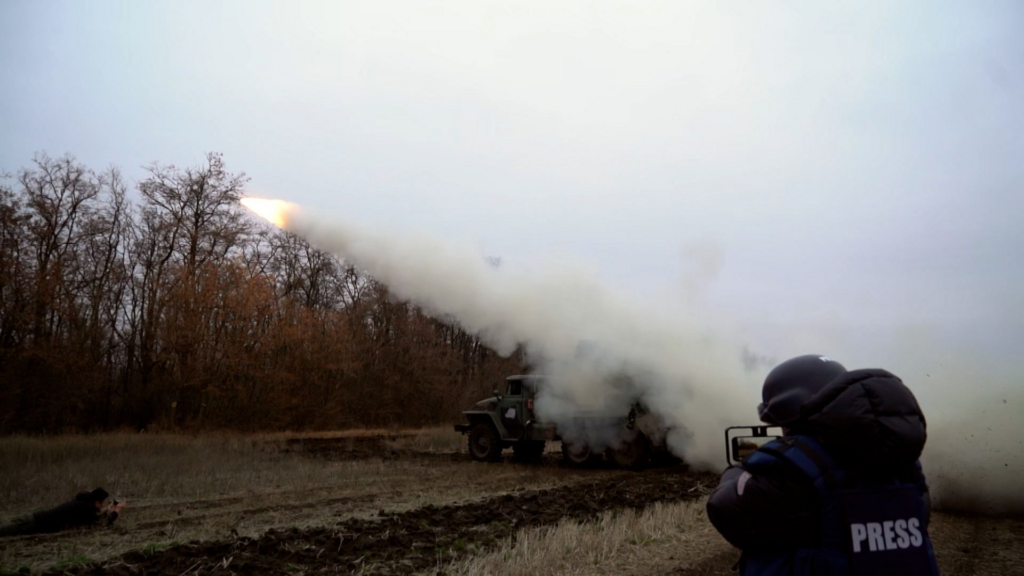
The Battle for Pokrovsk has emerged as a pivotal moment in the ongoing conflict, showcasing major narratives disseminated through Putin’s propaganda machine. This confrontation has drawn international attention, not only for its military implications but also for the psychological warfare tactics employed by the Russian government. Security policy expert Nico Lange asserts that the reports of military successes from Pokrovsk are not just factually dubious but are also meant to project a false sense of strength to both domestic and international audiences. This manipulation serves to reinforce the perception of Russian might, despite the complexities that truly characterize the Pokrovsk conflict. As the narratives evolve, understanding the interplay of these claims and the realities behind them is crucial for grasping the broader implications on regional stability and security policy.
The recent military engagements in Pokrovsk have resonated deeply within the geopolitical landscape, highlighting the stark contrasts between official Russian narratives and the realities on the battlefield. Analysts, including prominent security policy figures like Nico Lange, express concern that the Russian military’s claims are primarily aimed at bolstering nationalistic sentiment amid an ongoing crisis. The situation in this key city has become emblematic of larger issues at play, with media reports often infused with heightened rhetoric intended for propaganda purposes. As global observers seek to decode the complexities of the Pokrovsk conflict, the significant role of strategic messaging and misinformation cannot be overlooked. By unpacking these elements, we gain valuable insights into Russia’s broader intentions and the implications for international relations.
Understanding the Battle for Pokrovsk
The Battle for Pokrovsk has become a focal point in the ongoing conflict, highlighting not just the military engagement but also the motivations behind the narratives presented by the Russian government. As expert Nico Lange observes, the reports of success from the Russian military often resemble a well-orchestrated propaganda show, intended to portray strength and resilience amid a tumultuous and chaotic situation. This strategic framing serves to bolster national pride and maintain support for governmental actions, despite the actual dynamics of the battlefield suggesting otherwise.
In the context of the Battle for Pokrovsk, it’s essential to recognize the implications of such propaganda tactics on public perception and international relations. The portrayal of a victorious Russia amidst ongoing battles encourages a narrative that may resonate with nationalistic sentiments but obscures the true state of affairs. This situation raises questions among security policy experts about the long-term viability of such narratives and how they might impact future conflicts involving Russia.
The Role of Putin Propaganda in Military Reporting
Putin’s aggressive propaganda strategies play a significant role in shaping military reporting, particularly concerning battles like those in Pokrovsk. By emphasizing successes and downplaying failures, the Russian leadership attempts to construct a resilient image that is often contrary to reality. Nico Lange critiques this approach, suggesting that while it may initially boost morale at home, it can lead to severe disillusionment when the truth surfaces, particularly among the military personnel and families affected by the ongoing conflict.
Furthermore, this type of propaganda creates a paradox for security policy experts who seek to analyze the dynamics of the conflict. The overwhelming focus on military accomplishments can obscure the failures and challenges that the Russian military faces on the ground. As a result, understanding the real progress and setbacks in battles like the one in Pokrovsk requires sifting through layers of information laden with state-sponsored narratives that often prioritize symbolism over substance.
Nico Lange’s Insights on the Pokrovsk Conflict
Nico Lange’s perspective on the Pokrovsk conflict offers a critical lens through which we can evaluate the impact of Russian military claims. As a seasoned security policy expert, Lange emphasizes that the narratives disseminated by the Russian government often mask the true complexity and challenges faced in the conflict. His assertion highlights the discrepancies between reported successes and the lived experiences of those in the affected areas, suggesting that the conflict is far from one-sided.
Lange’s analysis also draws attention to the psychological warfare aspect of the Pokrovsk conflict. The intentional crafting of narratives aimed at both domestic and international audiences serves to reinforce the facade of Russian strength, creating an environment where misinformation can take root. As such, understanding these dynamics becomes crucial for decision-makers and analysts who must navigate the intricate landscape of Russian military engagements and their broader geopolitical implications.
Implications of the Pokrovsk Conflict on Russian Security Policy
The ongoing Battle for Pokrovsk carries significant implications for Russian security policy in terms of how the government navigates external perceptions and internal realities. Amidst attempts to project an image of military prowess, experts like Nico Lange warn that such strategies may ultimately backfire, leading to questions regarding the sustainability of military operations and the overall security posture of Russia. The reliance on propaganda not only distorts public sentiment but can also impede effective policy-making.
Moreover, the Pokrovsk conflict represents a microcosm of Russia’s broader security strategy, where narratives play a pivotal role in justifying military actions. As the landscape of warfare evolves, the lessons learned from this battle could influence future operations and the Kremlin’s approach to both domestic and foreign challenges. The intertwining of military success narratives and security policy signifies the need for a reevaluation of how information campaigns are utilized in contemporary conflicts.
Media Representation of the Pokrovsk Battle
Media coverage of the Battle for Pokrovsk illustrates the complexities of representing a conflict that is steeped in propaganda and misinformation. Various outlets can either amplify the narratives endorsed by the Russian authorities or critically examine the inconsistencies in their claims. This duality in media representation plays a crucial role in shaping public understanding and can directly influence international responses to the conflict.
The lens through which the media portrays the Pokrovsk battle also impacts how citizens perceive their government’s effectiveness in managing such conflicts. By showcasing either the glorified versions of military success or the stark realities of battle, media outlets contribute to the larger propaganda ecosystem. The challenge for journalists and analysts is to balance sensationalism with accurate reporting, ensuring that the public remains informed about the true nature of the conflict without falling prey to state-sponsored narratives.
The Complexity of Military Success Claims
Claims of military success during the Battle for Pokrovsk are often overly simplistic and fail to capture the nuances of ground realities. Nico Lange’s insights highlight that the Russian military’s self-reported victories may mask significant setbacks and challenges they face on various fronts. This complexity underscores the need for a more nuanced understanding of what constitutes success in such fraught contexts—success that is not merely defined by territorial gains but by the broader implications of military engagements.
In the realm of military strategy, the distinction between claimed successes and actual outcomes becomes critical in assessing the efficacy of operations. Often, the narratives used to declare victories can lead to a false sense of security that misguides both military tactics and political strategies. Observing the events in Pokrovsk reveals that the battles being fought are not just physical confrontations but also a psychological struggle to maintain narratives that resonate with various stakeholders both domestically and globally.
Analyzing the Impact of Russian Military Reports
The scrutiny of Russian military reports regarding the Battle for Pokrovsk reveals inconsistencies and motivations that are often driven by state propaganda. Security policy experts like Nico Lange emphasize that these reports serve a dual purpose: to rally domestic support and to project strength on a global stage. However, the reality on the ground frequently diverges from the optimistic narratives disseminated to the public, leading to gaps in understanding the true context of the conflict.
Additionally, the insistence on framing the conflict through the lens of declared successes can deter a comprehensive analysis of military strategy and operations in the region. By prioritizing the perception of victory, the Kremlin risks undermining critical assessments of military effectiveness and preparedness. This approach invites skepticism not just from external observers but also from the very population that must bear the consequences of these military decisions.
The Influence of Propaganda on Public Perception
The role of propaganda in shaping public perception during conflicts like the Battle for Pokrovsk cannot be overstated. The narratives put forth by the Russian government aim to foster a sense of national pride and unity, despite the underlying issues that contradict such portrayals. Nico Lange’s critique emphasizes how this manufactured reality can lead to a disconnection between citizens’ beliefs in the government’s strength and the actual experiences of those living in conflict zones.
As public perception is molded by these narratives—often resulting in a more resilient support base for the regime—the long-term consequences can be detrimental. Citizens may become more invested in the illusion of success, making it harder for alternative viewpoints or criticism to gain traction. Understanding the influence of propaganda and its effects on public sentiment is crucial for experts analyzing the evolving socio-political landscape in Russia as it continues to navigate the challenges of conflict.
International Response to the Battle for Pokrovsk
The international response to the Battle for Pokrovsk is a complex interplay of geopolitical strategy and media narratives. Western governments and security policy experts are closely monitoring the situation, interpreting Russian reports through the prism of established knowledge about its historical tendencies toward propaganda. The battle has become symbolic of broader tensions between Russia and the West, whereby understanding the truth behind the military claims is critical for formulating effective diplomatic strategies.
Furthermore, the response from international organizations and NATO allies reflects an awareness of the potential for misinformation to sway public opinion and policy decisions. By critically engaging with the narratives surrounding the Pokrovsk conflict, global observers aim to counteract the impact of Russia’s propaganda and encourage a more informed discourse regarding military and security strategies in the region. The repercussions of this battle extend beyond the battlefield, affecting international relations and policy decisions on a global scale.
Frequently Asked Questions
What is the significance of the Battle for Pokrovsk in the broader context of the Ukraine conflict?
The Battle for Pokrovsk is pivotal in the Ukraine conflict as it exemplifies the ongoing military confrontation between Russia and Ukraine. It highlights the Russian military claims regarding their successes, which many analysts, including security policy experts like Nico Lange, criticize as propaganda aimed at presenting an image of strength while often misrepresenting the reality on the ground.
How does Putin’s propaganda affect perceptions of the Battle for Pokrovsk?
Putin’s propaganda plays a crucial role in shaping perceptions of the Battle for Pokrovsk by portraying the Russian military efforts as successful and inevitable. Experts, such as Nico Lange, argue that these narratives resonate with audiences who may underestimate Ukraine’s resilience, thereby influencing public opinion and narrative surrounding the conflict.
What insights does Nico Lange provide about the Russian military claims regarding the Battle for Pokrovsk?
Nico Lange, an expert on security policy, suggests that the Russian military claims regarding the Battle for Pokrovsk should be viewed critically. He emphasizes that these reports are often designed to create a veneer of success and strength to support Putin’s regime, diverting attention from the actual challenges encountered by Russian forces in the conflict.
How does the Pokrovsk conflict reflect the complexities of modern warfare?
The Pokrovsk conflict reflects the complexities of modern warfare by demonstrating the interplay of military action and information warfare. The battle is not just about territorial gains; it involves strategic propaganda efforts from Russia, influencing narratives about military successes, as criticized by experts like Nico Lange.
What challenges are highlighted in the discussions about the Battle for Pokrovsk?
Discussions about the Battle for Pokrovsk highlight various challenges, including the disparity between Russian military claims and the actual situation. Analysts like Nico Lange stress that the propaganda narrative often oversimplifies the dynamics of the conflict, which is marked by tactical challenges, resilience on the Ukrainian side, and the broader geopolitical implications.
| Key Points |
|---|
| Putin is using the Battle for Pokrovsk to create a strong propaganda narrative. |
| Russian reports of success are deemed propaganda by experts, including Nico Lange. |
| The narrative is created to instill a belief that Russia cannot be defeated. |
| Lange highlights that the reality may differ significantly from reported successes. |
| The video reveals the complexities and challenges of the ongoing conflict in Pokrovsk. |
Summary
The Battle for Pokrovsk underscores the intricate interplay between warfare and propaganda in the current conflict. As highlighted by experts, including Nico Lange, the Russian government’s narratives are often steeped in propaganda, aimed at projecting an image of strength to its citizens and the international community. However, these reports do not always reflect the grim realities faced on the ground, presenting a challenge in understanding the true state of the conflict. The tensions and dynamics in Pokrovsk are crucial to comprehend, as they shed light on the broader implications of the war.

