
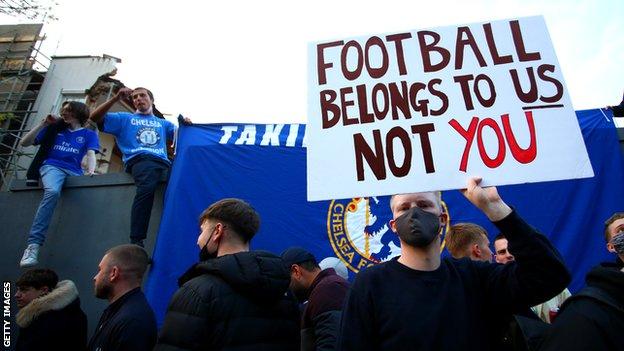
Football fans protest security measures, expressing their outrage at the tightening of regulations proposed by Germany’s interior ministers. With an increasing focus on personalized tickets and facial recognition, fans across the nation are rallying under banners proclaiming “Football is Safe – Enough with Populism!” This outcry has found its voice in Leipzig, where thousands came together to demand a reconsideration of these measures that many believe cast a shadow of suspicion over dedicated supporters. Oliver Ruhnert, a prominent figure in German football, has voiced his support for these protests, characterizing such regulations as ineffective and unnecessary symbolic politics. As the discussion heats up ahead of the interior ministers’ conference, the concerns about stadium security and the impact on fan culture continue to resonate deeply among the football community.
The anticipated clash between football fans and lawmakers centers around recent proposed security protocols in stadiums. Many supporters are expressing their discontent with the measures suggested by the interior ministers, which include identity-verifying systems that fans argue infringe on their rights. In a passionate response, organized fan groups across Germany are vocalizing their stance against these intrusive policies, drawing attention to the long-standing tradition of fan culture in the sport. Specifically, ahead of critical conferences addressing these security issues, key figures like Oliver Ruhnert are spotlighting the arbitrary nature of these regulations and advocating for a greater recognition of the fans’ rights. This growing movement reflects not just a stance against data collection and surveillance, but a broader demand for a more inclusive and supportive environment for all football enthusiasts.
Critical Perspective on Stadium Security Measures
In recent weeks, the debate surrounding stadium security measures in Germany has intensified, with many football fans voicing their concerns ahead of the interior ministerial conference. As outlined by former Union Berlin manager, Oliver Ruhnert, the proposed measures, including personalized tickets and extensive facial recognition technology, are viewed as intrusive and unnecessary. Such strategies not only undermine the essence of football culture but also cast millions of fans under an unwarranted suspicion, a sentiment echoed by various fan groups across Germany.
The criticisms against these proposed regulations highlight a significant disconnect between policy makers and the experiences of fans. Ruhnert’s assertion that crime statistics in stadiums are on the decline shows that the measures under consideration are, in fact, a reaction to perceived threats rather than grounded in actual safety concerns. With organized fan protests gaining momentum, there is a call for a reevaluation of what constitutes true security in stadiums and how to preserve a welcoming atmosphere for all fans.
Football Fans Protest Security Measures
Thousands of football fans have taken to the streets, particularly in Leipzig, to speak out against the intrusive security measures being considered by the German interior ministers. The demonstrations emphasize the fans’ demand for their cultural practices to be respected, alongside an urgent plea for the preservation of football as a vibrant, community-centered event rather than a securitized environment filled with oppressive surveillance. The rallying cry of “Football is Safe – Enough with Populism! Yes to Fan Culture!” encapsulates the frustrations felt by many about the ongoing dialogue surrounding football fan safety.
In these protests, fans have come together from various cities and backgrounds, even drawing in groups that are typically marginalized within the football community. This collective action not only showcases the unity among supporters but also serves as an example of their commitment to redefining their narrative within the sport. With organized gatherings including powerful displays of silence during matches and petitions against the tightening of regulations, the pushback against these security measures reflects a need for dialogue rather than confrontation.
The Role of Oliver Ruhnert in Fan Advocacy
Oliver Ruhnert has emerged as a prominent figure in the fight for fan rights, particularly in light of the looming discussions about heightened security protocols. His vocal support for fan protests signals a larger trend within the football community, where former managers and current officials alike recognize the growing discontent over how fans are treated. Ruhnert’s rejection of the characterization of fans as potential lawbreakers resonates with many who feel marginalized and threatened by policymakers’ blanket policies.
His arguments against the backdrop of declining crime rates highlight a disconnect between potential policies and the actual needs of the footballing community. By advocating for a greater focus on the fundamental issues facing amateur football, such as facility investment and reducing bureaucratic barriers, Ruhnert not only champions fan rights but also addresses broader societal needs. This dual approach of protecting fan culture while advocating for grassroots football may help reshape the dialogue around security and community in sports.
Impact of Personalized Tickets and Surveillance
The movement against personalized tickets and AI-driven surveillance in stadiums reflects a growing awareness among football fans about privacy rights and personal freedoms. As fans argue, the introduction of these technologies is less about safety and more about control over a community that prides itself on shared experiences and passion. Such intrusive measures could alienate fans and deter attendance, threatening the very fabric of what makes live football matches a cherished communal event.
Additionally, the backlash against these measures prompts a crucial discussion around how organizations can create a secure but welcoming environment for attendees. The statistics showing a decline in misconduct during matches signal that alternative methods of security, grounded in community engagement rather than surveillance, should be prioritized. Fans advocate for solutions that maintain safety without compromising their freedoms, such as increased visibility of security personnel and improved fan education initiatives.
The Declining Crime Rates in Stadiums
Data reveals a notable decline in crime rates within German stadiums, challenging the justification for heightened security measures. This trend is crucial in the ongoing discourse about how to maintain safety while respecting fan culture. As Ruhnert emphasizes, punitive measures like personalized tickets do not reflect the actual safety needs of the crowd. Instead, they represent a misallocation of resources that could be better used to enhance the fan experience and promote a vibrant atmosphere.
Furthermore, the reliance on outdated perceptions of fan behavior exacerbates tensions between authorities and supporters. By ignoring the evidence of declining crime, policymakers risk implementing measures that alienate rather than protect. It is essential for stakeholders in the football community, including league officials and fan organizations, to collaborate on solutions that address legitimate concerns while fostering an inclusive culture.
Fan Culture Preservation Amid Policy Changes
As discussions surrounding stadium security measures gain traction, a critical focus on preserving football fan culture is paramount. Fans argue that the essence of football lies not just in the game itself but in the collective experience shared among supporters. The proposed security measures threaten this unity, drawing a wedge between fans and authorities. Advocates, including Ruhnert, insist on the importance of preserving the emotional and cultural identity of football as a community sport.
Moreover, proactive engagement with fan groups is essential in shaping policies that reflect the actual concerns of attendees rather than generalized fears. This would involve implementing reforms that prioritize fan voices, ensuring that their traditions and expressions, such as the use of pyrotechnics and vocal support during matches, are respected. The preservation of these practices not only enhances match day experiences but also strengthens the community surrounding football.
The Need for a Separate Sports Ministry
Calls for a dedicated sports ministry reflect a growing belief that sports management must be more responsive to the specific needs of fans and local communities. Ruhnert suggests that a separate ministry would focus on vital areas, such as funding for amateur clubs and the easing of bureaucratic pressures that hinder their operations. This would represent a significant shift in how sports are viewed within the government, moving away from a punitive approach toward a supportive framework for development.
The establishment of a sports ministry could facilitate better communication between policymakers and the football community, fostering partnerships that promote healthier environments for youth and amateur sports. By prioritizing the needs of grassroots football, the ministerial focus could shift towards enhancing community engagement and participation rather than imposing overarching security protocols that alienate fans.
Future Outlook for Fan Participation in Sports
The future of fan participation in German football stands at a crossroads, amid ongoing debates regarding security measures and fan rights. As fan movements gain traction, it is evident that supporters are not merely passive spectators but active stakeholders in the sport. Their demand for a more significant voice in policy decisions signals a transformative moment for the relationship between fans, clubs, and governing bodies.
Engagement efforts and constructive dialogues will be crucial in reshaping policies that resonate with fan culture while ensuring safety. The evolving landscape emphasizes the need for inclusive practices within sports governance, paving the way for more participatory approaches that honor the contributions of fans to the football community. In this climate, a reevaluation of existing security measures can lead to innovative strategies that protect both the game and its passionate supporters.
Collective Responsibility in Sports Policies
The responsibility for ensuring a safe and welcoming football environment lies not just with the authorities but also with the fans and clubs themselves. Both groups must collaborate to create a framework that protects the community while respecting individual rights. As the dialogue surrounding security measures continues, it is vital for all stakeholders to recognize the shared responsibility they hold in shaping the future of sports.
Clubs and fan organizations can work together to bridge gaps in understanding and expectations and create clear channels of communication. Initiatives that empower fans to contribute to stadium safety through volunteer programs or consultative committees can foster a sense of ownership and collaboration. This shared approach not only strengthens the relationship between fans and management but also enhances the overall experience of attending matches.
Frequently Asked Questions
What are the main reasons for football fans protesting security measures in Germany?
Football fans are protesting security measures in Germany, such as personalized tickets and facial recognition technology, as they feel these measures unfairly place millions of fans under suspicion. Fans argue that the violence associated with football occurs outside stadiums, not within them, and that current crime statistics show a decline in incidents in stadiums.
Who is Oliver Ruhnert and what is his stance on football fans’ protests against security measures?
Oliver Ruhnert is the former managing director of Union Berlin and a key supporter of football fans protesting against security measures. He criticizes the government’s proposed measures as ‘cheap symbolic politics’ and argues for the preservation of the stadium experience without the implementation of personalized tickets or facial recognition.
What specific security measures are German football fans protesting at the Interior Minister Conference?
German football fans are protesting against proposed security measures including personalized tickets and AI-powered facial recognition in stadiums. These measures are seen as excessive and a means of unjustly surveilling dedicated fans.
How have football fans expressed their opposition to the potential security measures being discussed?
Football fans have expressed their opposition through large demonstrations, such as the protest in Leipzig where approximately 20,000 fans showed solidarity under the motto ‘Football is Safe – Enough with Populism! Yes to Fan Culture!’. Many fans also partake in silent demonstrations at games to highlight their discontent.
What is the reaction of political figures to the protests by football fans against security measures?
Political figures, such as Bavarian Interior Minister Joachim Herrmann, have downplayed the discussion surrounding security measures, stating that issues like facial recognition and personalized ticketing are not on the agenda for the Interior Minister Conference. However, some, like Oliver Ruhnert, emphasize that there are more pressing issues in sports that should be addressed.
What impact do protests against security measures have on stadium experiences for football fans?
Protests against security measures, like those calling for the rejection of personalized tickets and facial recognition, aim to ensure that the stadium experience remains vibrant and engaging. Fans argue that such measures can diminish the atmosphere and enjoyment of football matches by creating an environment of suspicion.
What actions have been taken by the organized fan scene in response to the proposed security measures?
The organized fan scene has launched petitions against the tightening of stadium security measures, calling for a reduction in police presence on match days and greater recognition of fan culture. They aim to advocate for less intrusive measures while promoting the enjoyment of football.
How do crime statistics in stadiums relate to the calls for protests by football fans?
Protests by football fans are partly driven by recent crime statistics indicating a decline in criminal offenses within stadiums across Germany. Fans argue this data challenges the necessity for increased security measures like facial recognition and personalized tickets, suggesting that these measures are not justified.
What alternative suggestions have been proposed by Oliver Ruhnert regarding sports policy?
Oliver Ruhnert advocates for a shift in sports policy focus, urging interior ministers to invest in grassroots sports rather than imposing restrictive security measures. He suggests that addressing the needs of amateur clubs and enhancing facilities would better serve the community than surveillance tactics.
What future actions can be expected from the football fan community regarding security measures?
The football fan community may continue to organize protests and demonstrations, reinforcing their stances against potential security measures at future conferences. They will likely remain vocal in advocating for fan culture and pushing back against policies seen as invasive.
| Key Point | Details |
|---|---|
| Protests Against Security Measures | Thousands of fans gather in Leipzig opposing security measures like personalized tickets and facial recognition. |
| Support from Officials | Oliver Ruhnert, former Union Berlin director, supports the protests and criticizes the measures as ‘cheap symbolic politics’. |
| Crime Statistics Decline | Statistics show a decrease in violence in stadiums, undermining the justification for increased surveillance measures. |
| Fan Culture Preservation | Fans advocate for maintaining the spirit of the game, opposing tickets that impact fan culture and community. |
| Future Policy Considerations | Discussions at the Interior Ministers’ conference touch upon real issues like amateur football funding, not just fan surveillance. |
Summary
Football Fans Protest Security Measures, highlighting their growing concerns over new regulations in stadiums. Thousands have rallied in Leipzig, drawing attention to the disproportionate targeting of fans amidst a backdrop of falling crime rates in stadiums. The protests emphasize not just the fan culture that many cherish, but also suggest a need for a more constructive dialogue surrounding the future of sports policy in Germany. Critics like Oliver Ruhnert argue that focusing on fan safety through measures such as facial recognition distracts from more pressing issues like community investment in amateur sports. The outcome of these protests could shape the future dynamics between fans and authorities in German football.

